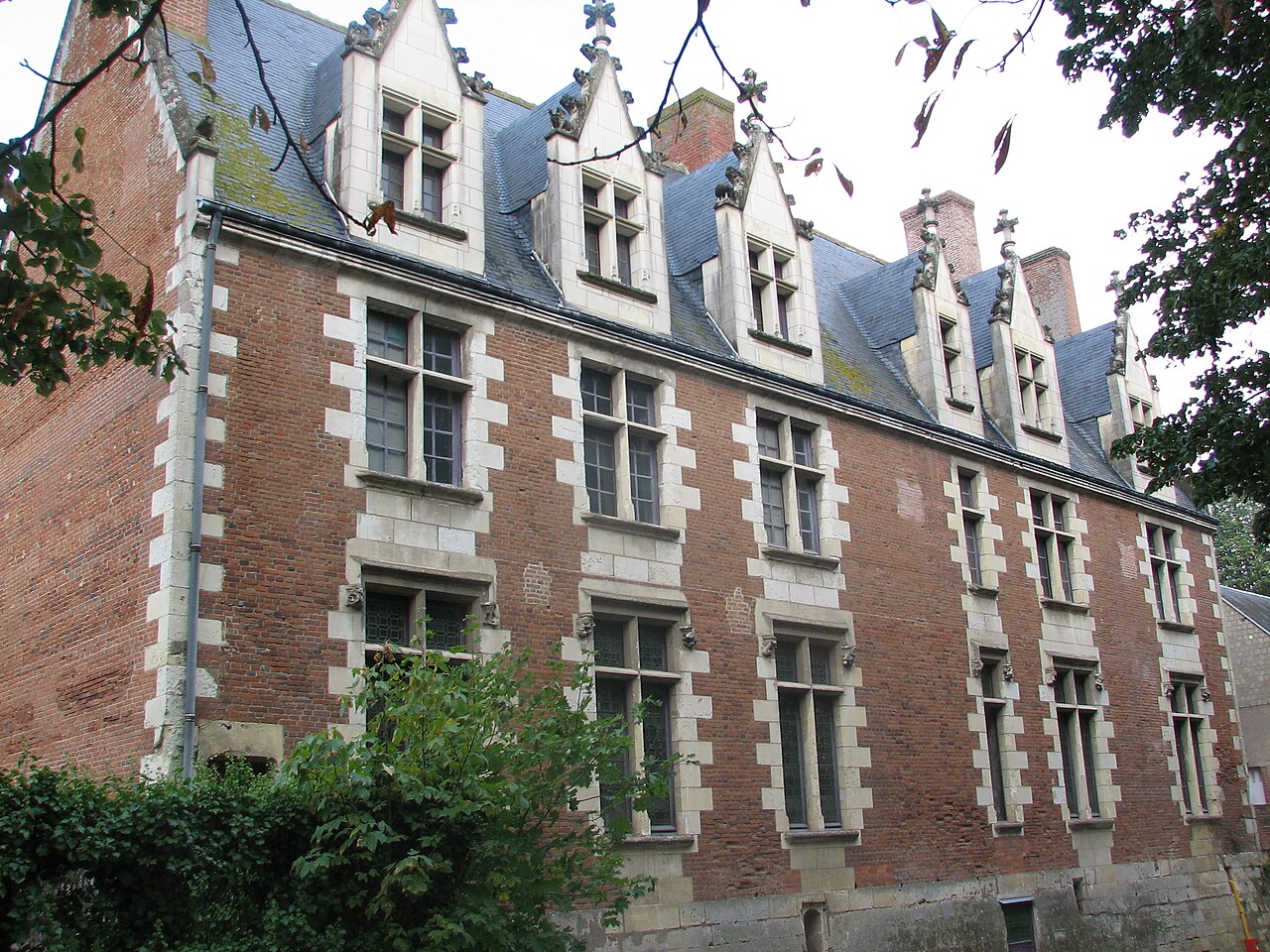
Plessis-lez-Tours Castle
Plessis-lez-Tours Castle, formerly known as Montils-les-Tours, is a historically significant fortress located in the town of La Riche in the Centre-Val de Loire region of France. This castle served as the favorite residence of King Louis XI, a monarch renowned for his political acumen and centralization of royal power during the late medieval period. King Louis XI died at Plessis-lez-Tours on August 30, 1483, marking the castle as a site of considerable royal importance.
Architectural features and historical significance
The castle was originally constructed in the 14th century and underwent significant modifications during the reign of Louis XI in the 15th century. It exemplified the characteristics of a late medieval fortress with a blend of defensive and residential architecture. The castle featured strong defensive walls, towers, and a moat, typical of the period's fortifications. Although much of the castle is now in ruins, its remnants still reveal the layout of the courtyards, gatehouses, and living quarters that accommodated the royal household.
The iron cages and dungeon
One of the most striking and macabre features of Plessis-lez-Tours Castle was its iron cages suspended from the ceilings within the dungeon area. These cages were used to imprison individuals, reflecting the harsh penal practices of the time. The cages were notably small, so cramped that prisoners could barely fit inside, underscoring the castle's role not only as a royal residence but also as a place of detention and control.
Historical events and political importance
Plessis-lez-Tours Castle was the backdrop for significant historical events in French history, particularly during the turbulent times of the late 16th century. It was the site of a crucial meeting between King Henry III of France and the future King Henry IV. This meeting symbolized their reconciliation after a series of conflicts that were part of the larger struggle against the Catholic League, a powerful faction during the French Wars of Religion.
The reconciliation was facilitated after the assassination of the Duke of Guise, the leader of the Catholic League, who was killed on the orders of Henry III. This event marked a turning point in the power dynamics of the period, allowing Henry III and Henry IV to unite against the League's influence. The castle's role as a venue for this historic accord highlights its strategic and political significance beyond its architectural prominence.
The decline and current state of the castle
Over the centuries, Plessis-lez-Tours Castle fell into decline and was largely destroyed. Today, it remains as archaeological ruins, with only fragments of its original structure visible. Despite its ruined state, the site continues to attract historians, archaeologists, and visitors interested in its rich history and the legacy of the French monarchy.
The castle's ruins provide valuable insights into medieval castle construction and the lifestyle of French royalty during the late medieval and early Renaissance periods. Preservation efforts focus on maintaining the integrity of the remaining structures and interpreting the site's historical narrative for educational and cultural enrichment.
Visiting plessis-lez-tours castle
Visitors to Plessis-lez-Tours Castle can explore the remnants of this once formidable fortress and reflect on its place in French history. While the castle no longer functions as a residence or fortress, its ruins offer a tangible connection to the past. Interpretive signage and guided tours help illuminate the castle's architectural features and historical episodes, making it a valuable destination for those interested in medieval architecture and French royal history.
Frequently asked questions (FAQ)
- How do I get to Plessis-lez-Tours Castle?
- Plessis-lez-Tours Castle is located in La Riche, France, which is easily accessible by public transportation. You can take a train to Tours and then a short bus or taxi ride to the castle. There is also parking available if you choose to drive.
- What is the historical significance of Plessis-lez-Tours Castle?
- Plessis-lez-Tours Castle, originally built in the 15th century, served as a royal residence for King Louis XI. Its strategic location and impressive architecture made it an important site during the French Renaissance. Today, it stands as a testament to the rich history of French nobility.
- When was Plessis-lez-Tours Castle built?
- Construction of Plessis-lez-Tours Castle began in 1465 and was completed in 1470. It was commissioned by King Louis XI as a fortified royal residence. Over the centuries, it has undergone various renovations that reflect different architectural styles.
- Can I visit Plessis-lez-Tours Castle year-round?
- Yes, Plessis-lez-Tours Castle is open to visitors throughout the year, although hours may vary by season. It is advisable to check the official website for any seasonal closures or special events that may affect visiting hours. Guided tours are available to enhance your experience.
- Why is Plessis-lez-Tours Castle considered an architectural gem?
- The castle is renowned for its blend of Gothic and Renaissance architectural styles, showcasing intricate stone work and beautiful gardens. Its impressive towers and fortified walls reflect the military significance of the era, while the elegant interiors highlight royal living. This combination makes it a unique example of period architecture.
- Is it possible to take guided tours of the castle?
- Yes, guided tours are available at Plessis-lez-Tours Castle, providing visitors with in-depth insights into its history and architecture. Tours are led by knowledgeable guides who share fascinating stories about the castle's past. It is recommended to book your tour in advance, especially during peak tourist seasons.
- What are the ticket prices for visiting Plessis-lez-Tours Castle?
- Ticket prices for Plessis-lez-Tours Castle vary depending on age and status, with discounts available for students and seniors. Children under a certain age may enter for free. Check the official website for the most current pricing and available discounts.
- What are the opening hours for Plessis-lez-Tours Castle?
- Plessis-lez-Tours Castle typically opens at 10 AM and closes at 6 PM during the summer months, with reduced hours in winter. It is closed on certain public holidays, so it's best to verify the hours before your visit. Special evening events may also be held occasionally.
- Are there any nearby attractions to visit?
- Yes, the area around Plessis-lez-Tours Castle has several attractions worth exploring, including the beautiful gardens of the Château de Villandry and the historic city center of Tours. The Loire Valley, known for its stunning châteaux, is also easily accessible. Plan a day to enjoy the rich culture and history of the region.
Information
Loading map...
Visitor reviews
No reviews yet. Been here? Write the first review and help other travelers!
Write the first reviewVisited this castle? Share your experience
Your review helps other travelers and adds first-hand knowledge to our encyclopedia.