Charlemont Fort
Charlemont Fort is a prominent 17th-century bastioned fortress located in County Armagh, Northern Ireland. Constructed during the Renaissance period, this fortification exemplifies the military architectural innovations introduced in the British Isles in response to evolving warfare techniques of the early modern era.
Historical context and strategic importance
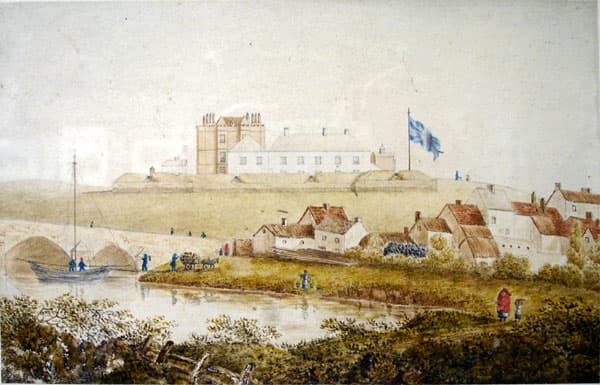
The fort was built in the early 1600s under the orders of the English Crown amid the turbulent period of the Plantation of Ulster. Its primary purpose was to secure the territory and establish English control over the region. The location of Charlemont Fort was carefully chosen on the banks of the River Blackwater, providing a strategic vantage point to monitor and control river traffic and surrounding lands.
Charlemont Fort played a significant role during the Irish Confederate Wars (1641–1653) and later conflicts, serving as a key military garrison. It was involved in several sieges and military actions due to its strategic position near the border between Ulster and the rest of Ireland.
Architectural features and design
As a bastioned fortress, Charlemont Fort features the characteristic angular bastions designed to provide overlapping fields of fire, a defensive innovation derived from continental European military engineering. The fortress is surrounded by thick stone walls and earthworks, designed to withstand artillery bombardment.
The layout includes a central courtyard surrounded by defensive walls, with bastions projecting at the corners to maximize defensive coverage. The entrance is fortified with a gatehouse and defensive works to control access. Inside the fort, barracks and storage buildings were arranged to support the garrison stationed there.
The fort's design reflects Renaissance military architecture principles, emphasizing geometric forms and the integration of natural landscape features into its defenses.
Role in military history
Throughout its active use, Charlemont Fort was an important military base for English and later British forces in Ireland. It was garrisoned by soldiers tasked with maintaining order and defending the territory against both Irish insurgents and foreign threats.
During the Williamite War in Ireland (1689–1691), the fort was again a focal point of military activity. Its robust defenses allowed it to withstand sieges and contributed to the eventual consolidation of Williamite control over Ulster.
Preservation and current status
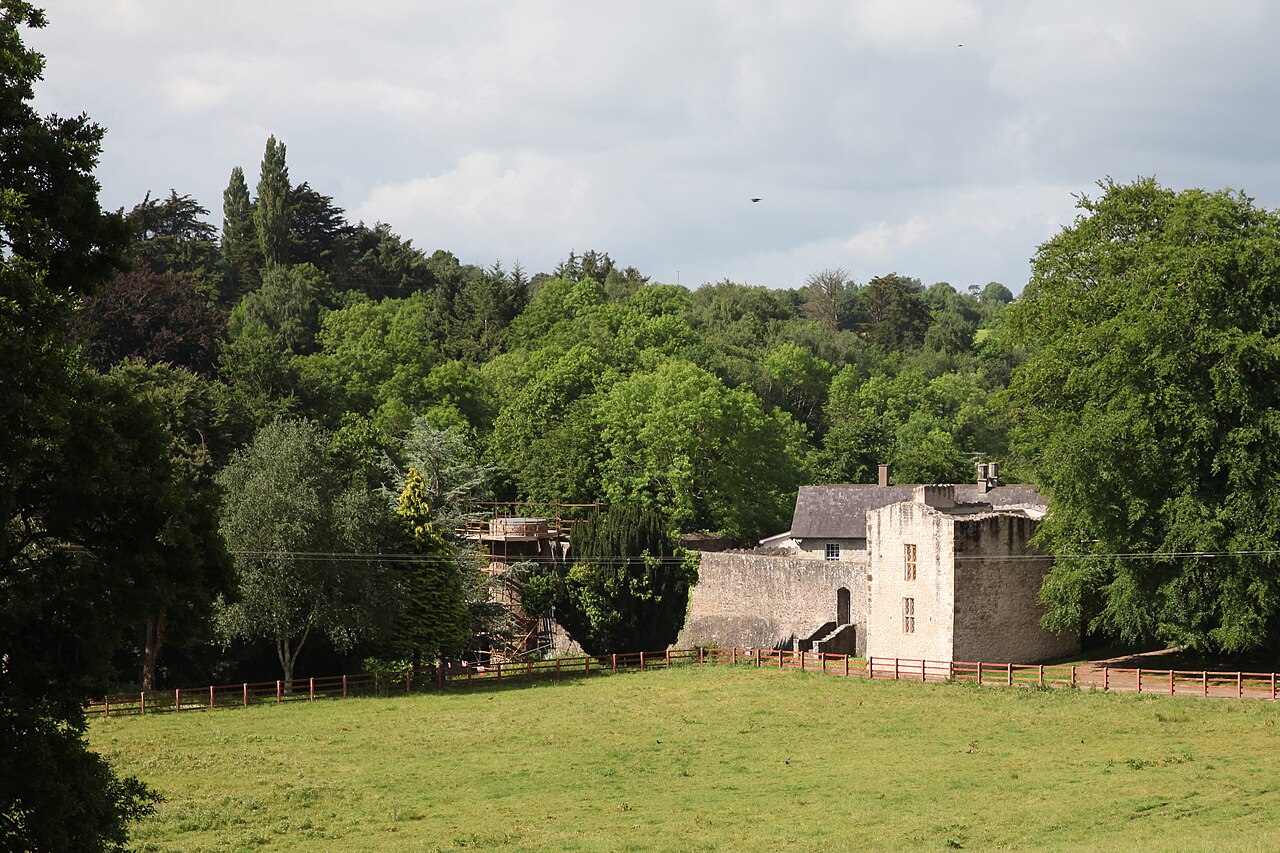
Today, Charlemont Fort remains a significant heritage site, although much of its original structure has suffered from the passage of time and historical conflicts. Portions of the walls and bastions are still visible, offering insight into its formidable defensive capabilities.
The site is recognized for its cultural and historical importance in Northern Ireland, attracting visitors interested in military history and Renaissance fortifications. Conservation efforts aim to preserve the remaining structures and interpret the site for educational purposes.
Visiting Charlemont Fort
Visitors to Charlemont Fort can explore the remains of the bastioned walls and enjoy views of the surrounding landscape, including the River Blackwater. The site provides a tangible connection to the region's complex history during the 17th century.
Interpretive signage and occasional guided tours help explain the fort's architectural features and historical significance. The fort's location in County Armagh makes it accessible for day trips from nearby towns and cities in Northern Ireland.
Frequently asked questions (FAQ)
- How do I get to Charlemont Fort?
- Charlemont Fort is easily accessible by car and public transport. If you're driving, the fort is located just off the A1 road, with ample parking available nearby. For public transport, check local bus routes that service the area, providing convenient access from surrounding towns.
- What is the historical significance of Charlemont Fort?
- Charlemont Fort, built in the 17th century, served as a strategic military stronghold during various conflicts in Irish history. Its design reflects the military architecture of the time, showcasing the importance of defense in the region. Visitors can explore its rich history and learn about its role during the Williamite War in Ireland.
- When was Charlemont Fort built?
- Construction of Charlemont Fort began in 1670 and was completed in 1673. The fort was commissioned by Sir John Clotworthy, and it was strategically positioned to control the River Blackwater. Its enduring structure has stood as a testament to 17th-century military architecture.
- Can I take guided tours of Charlemont Fort?
- Yes, guided tours of Charlemont Fort are available, offering visitors an in-depth look at its history and architecture. Tours are typically conducted by knowledgeable guides who share fascinating stories and insights about the fort. It's recommended to check the schedule in advance and book your spot to ensure availability.
- Why is Charlemont Fort a popular tourist destination?
- Charlemont Fort is popular for its historical significance and impressive architecture, attracting history enthusiasts and tourists alike. The scenic location alongside the River Blackwater provides a picturesque backdrop for exploration. Additionally, the fort's proximity to other attractions makes it a great stop for those touring the area.
- Is it possible to visit Charlemont Fort year-round?
- Yes, Charlemont Fort is open to visitors year-round, although opening hours may vary seasonally. It's best to check the official website for the most current information regarding opening times and any special events. Visiting in different seasons can provide unique experiences as the landscape changes.
- What are the ticket prices for Charlemont Fort?
- Ticket prices for Charlemont Fort are generally affordable, with discounts available for children, seniors, and families. Admission fees help support the maintenance and preservation of the fort. Be sure to check the official site for any special promotions or group rates that may be offered.
- What are the best times to visit Charlemont Fort?
- The best times to visit Charlemont Fort are during the spring and early autumn when the weather is mild and pleasant. These seasons offer ideal conditions for exploring the outdoor spaces and enjoying the scenic views. Additionally, weekends often feature special events or activities that enhance the visitor experience.
- Are there any nearby attractions to Charlemont Fort?
- Yes, there are several nearby attractions worth visiting, including the picturesque River Blackwater and various walking trails in the surrounding area. Additionally, you can explore local historical sites and charming villages that reflect the rich culture of the region. Combining a visit to Charlemont Fort with these attractions makes for a fulfilling day trip.
Photo gallery

Photo by Unknown authorUnknown author•Public domain
Information
Loading map...
Visitor reviews
No reviews yet. Been here? Write the first review and help other travelers!
Write the first reviewVisited this castle? Share your experience
Your review helps other travelers and adds first-hand knowledge to our encyclopedia.