Benburb Castle
Benburb Castle stands prominently in the village of Benburb, County Tyrone, Northern Ireland, overlooking the River Blackwater, which marks the border between Tyrone and Armagh. This hill castle was constructed in the early 17th century as part of the English Plantation of Ulster, a significant period of colonization and fortification in Irish history.
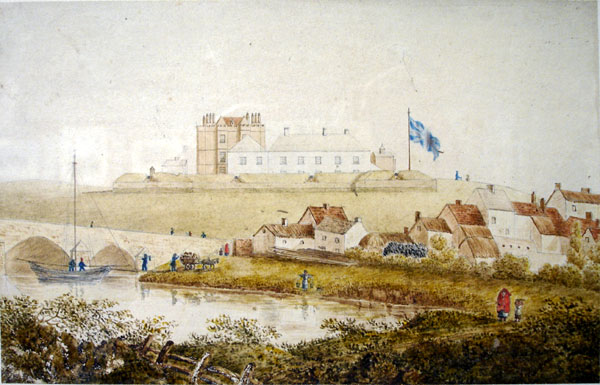
Built around 1611 by Sir Richard Wingfield, an English settler and military figure, the castle was erected on a strategic limestone cliff site that likely hosted an earlier Gaelic stronghold associated with Shane O'Neill. The castle was originally known as the Wingfield Bawn, a term describing the fortified enclosure typical of Ulster castles of that era. Its design reflects defensive priorities with an irregular quadrilateral plan, featuring two large rectangular towers at the northeast and northwest corners and a smaller round tower at the southeast corner.
Unlike many castles of the period, Benburb Castle did not include a large central residential building. Instead, living quarters were incorporated into the gabled flankers of the bawn walls, indicating that Sir Richard Wingfield intended the structure primarily for military defense rather than as a noble residence.
Historical significance and turbulent conflicts
The castle's historical importance is closely tied to the Irish Confederate Wars of the mid-17th century, a time of intense conflict between Irish Catholic forces and English and Scottish Protestant armies. In 1641, Phelim O'Neill captured Benburb Castle, reportedly killing the occupants, marking a violent episode in the castle's history.
Most notably, in 1646, the castle served as a strategic base for Owen Roe O'Neill, the Irish Confederate commander, before his decisive victory at the nearby Battle of Benburb. This battle was a significant defeat for the Scottish Covenanter forces led by General Robert Monro and remains a celebrated event in Irish history, commemorated in song and cultural memory.
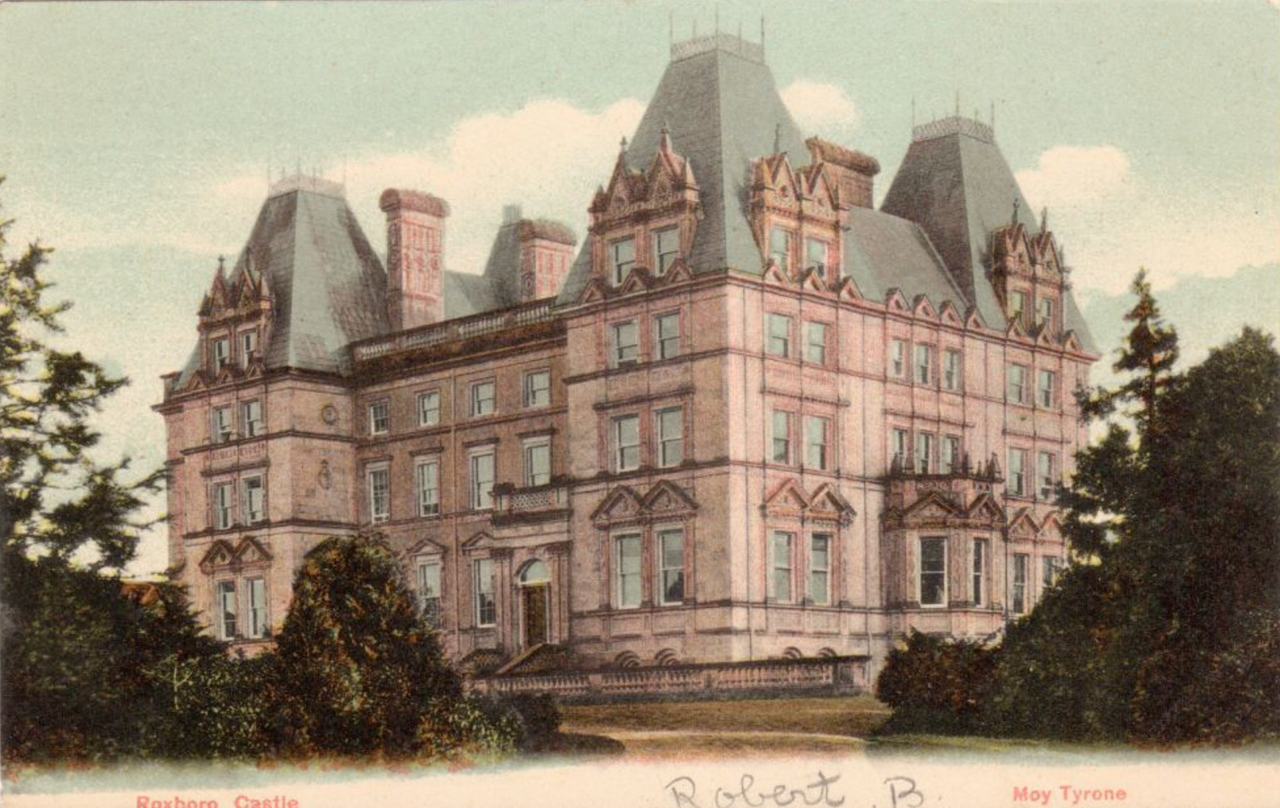
Following the battle, Benburb Castle was dismantled to prevent its further military use, and it fell into ruin. Despite this, the site retained its symbolic importance and was later incorporated into the estate of the Bruce family in the 19th century, who built a manor house northeast of the castle ruins.
Architectural features and layout
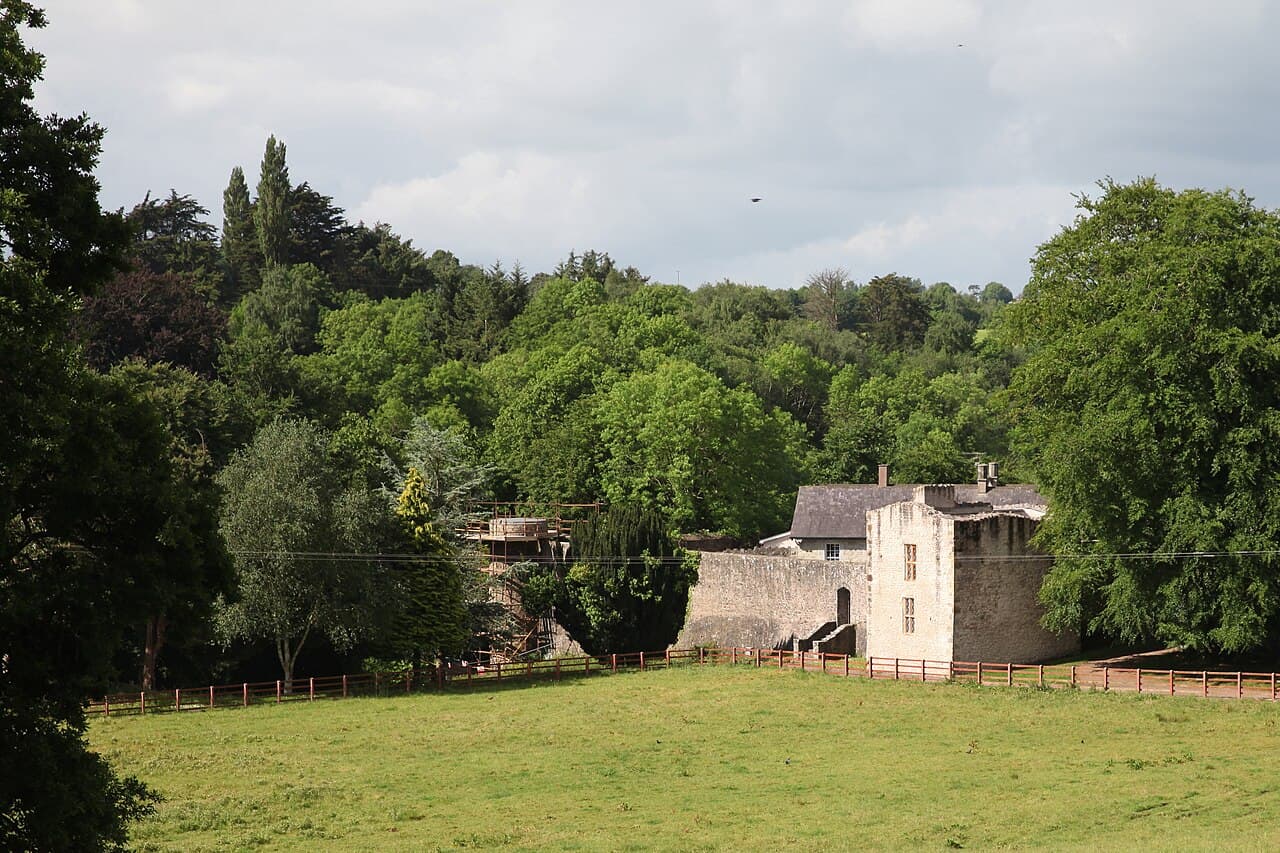
The castle's defensive layout is characterized by its irregular four-sided bawn enclosing a courtyard with no central keep. The entrance lies on the north wall, strategically positioned for access and defense. The two large rectangular towers at the northeast and northwest corners provided flanking fire along the walls, while the smaller round tower at the southeast corner offered additional surveillance and protection.
The walls are constructed from roughly cut limestone blocks, typical of Ulster plantation castles, emphasizing durability and defense. The gabled flankers contained living accommodations, an unusual feature that underscores the castle's military rather than residential purpose.
In the 19th century, the southwestern section of the enclosure saw the addition of a tower house, reflecting the evolving use of the site. This later structure, along with the nearby manor house, introduced elements of domestic architecture to the predominantly military complex.
Later history and current use
During the late 19th and early 20th centuries, the castle grounds transitioned from military to residential and religious use. The Bruce family manor house served various roles, including as a hospital operated by American troops during World War II. The castle towers were modified at this time to accommodate watchmen on the roofs, adapting the medieval structures for modern needs.
Today, the manor house functions as a priory for the Servite Order, a Catholic religious community that has maintained a presence on the site since the early 20th century. The cottage within the castle walls appears to be privately owned, indicating a mix of religious and residential uses within the historic complex.
Benburb Castle and the surrounding Benburb Valley Park are freely accessible to the public during daylight hours, offering visitors a chance to explore the ruins and enjoy the scenic views over the River Blackwater. The site's elevated position provides commanding vistas, though dense trees on the cliffside can limit photographic opportunities.
Cultural legacy and preservation
Benburb Castle holds a respected place in Northern Ireland's cultural heritage. It is recognized as a State Care Historic Monument, ensuring its protection and preservation as an important architectural and historical site. The castle's association with the Battle of Benburb and the Irish Confederate Wars contributes to its enduring significance in Irish history and identity.
The castle's ruins, combined with the later additions and the active Servite Priory, create a unique blend of medieval military architecture and religious heritage. Restoration efforts have helped stabilize the structure, allowing visitors to appreciate its historical context and architectural details.
Benburb Castle remains a poignant reminder of the complex history of Ulster, reflecting the turbulent conflicts, colonial ambitions, and religious developments that have shaped the region over the centuries.
Frequently asked questions (FAQ)
- How do I get to Benburb Castle?
- Benburb Castle is located in the village of Benburb, County Tyrone, Northern Ireland, accessible via Main Street. It is best reached by car or local bus services from nearby towns such as Armagh.
- What is the historical significance of Benburb Castle?
- Benburb Castle is historically significant for its role in the 1646 Battle of Benburb during the Irish Confederate Wars, where Owen Roe O'Neill led Irish forces to a decisive victory against the Scottish Covenanters.
- Can I visit Benburb Castle and the Servite Priory?
- Yes, Benburb Castle and the adjacent Servite Priory are open to the public during daylight hours. The castle grounds and the nearby Benburb Valley Park offer scenic views and historical exploration opportunities.
- What architectural features does Benburb Castle have?
- Benburb Castle features an irregular four-sided bawn with two large rectangular towers and a smaller round tower, built primarily from limestone blocks. The castle includes gabled flankers for accommodation and a 19th-century tower house addition.
- Is there an entrance fee to visit Benburb Castle?
- No, visiting Benburb Castle and the surrounding park is free of charge, making it an accessible historical site for all visitors.
- When is the best time to visit Benburb Castle?
- The best time to visit is during daylight hours in spring and summer when the weather is favorable, allowing for better views of the castle and surrounding landscape.
Photo gallery

Information
Opening hours
Daylight hours, daily
Ticket prices
Free
Current owner
Servite Order
Website
Visit websiteAddress
Main Street, Benburb, Northern Ireland
Sources & official resources
Verify the information above using these authoritative references.
Loading map...
Visitor reviews
No reviews yet. Been here? Write the first review and help other travelers!
Write the first reviewVisited this castle? Share your experience
Your review helps other travelers and adds first-hand knowledge to our encyclopedia.