Chao Samartín
Chao Samartín is a significant archaeological site located in the municipality of Grandas de Salime in Asturias, Spain. This site represents one of the most important examples of a castro, a type of fortified settlement typical of the northwestern Iberian Peninsula during the Bronze Age and continuing into the Early Medieval period. Founded approximately around 800 BCE, Chao Samartín offers valuable insights into the prehistoric and early historic human occupation of the region.
The origins and historical significance of Chao Samartín
The settlement was initially established in the Bronze Age, a period characterized by the development of metal tools and weapons, which facilitated advances in agriculture, warfare, and societal organization. The castro at Chao Samartín was strategically positioned on elevated terrain, providing natural defense advantages against potential invaders. Throughout its occupation, the site witnessed various phases of construction and remodeling, reflecting changes in cultural influences and technological capabilities over centuries.
Chao Samartín's importance lies in its well-preserved remains that illuminate the lifestyle, social structure, and defensive strategies of the castro culture. The site also offers evidence of the transition from prehistoric to early medieval times in Asturias, marking it as a key archaeological resource for understanding regional history.
Archaeological discovery and excavation
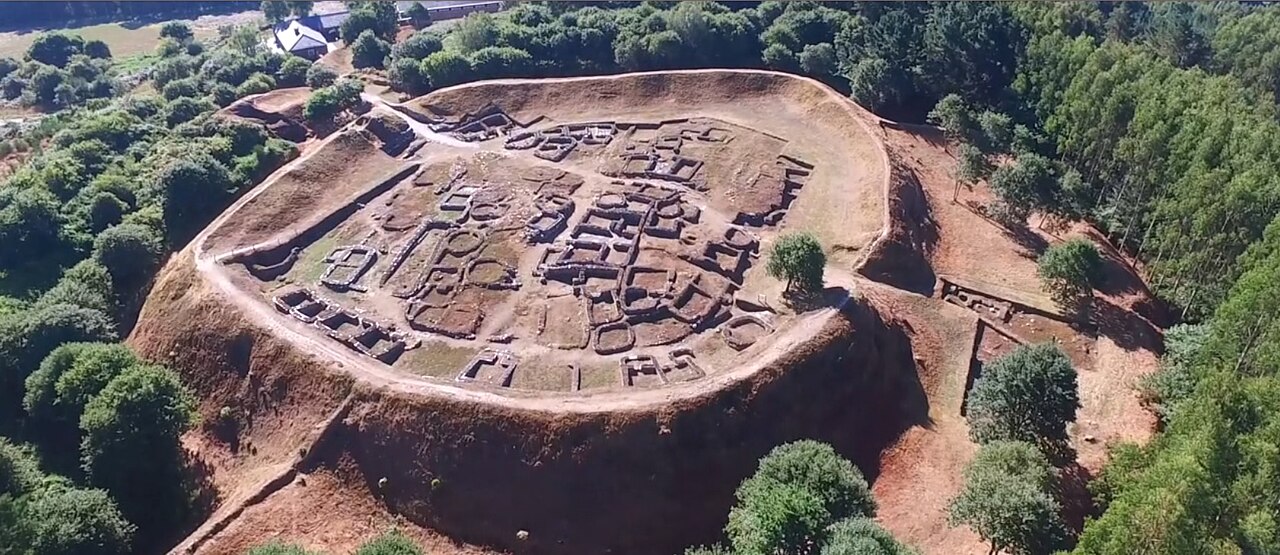
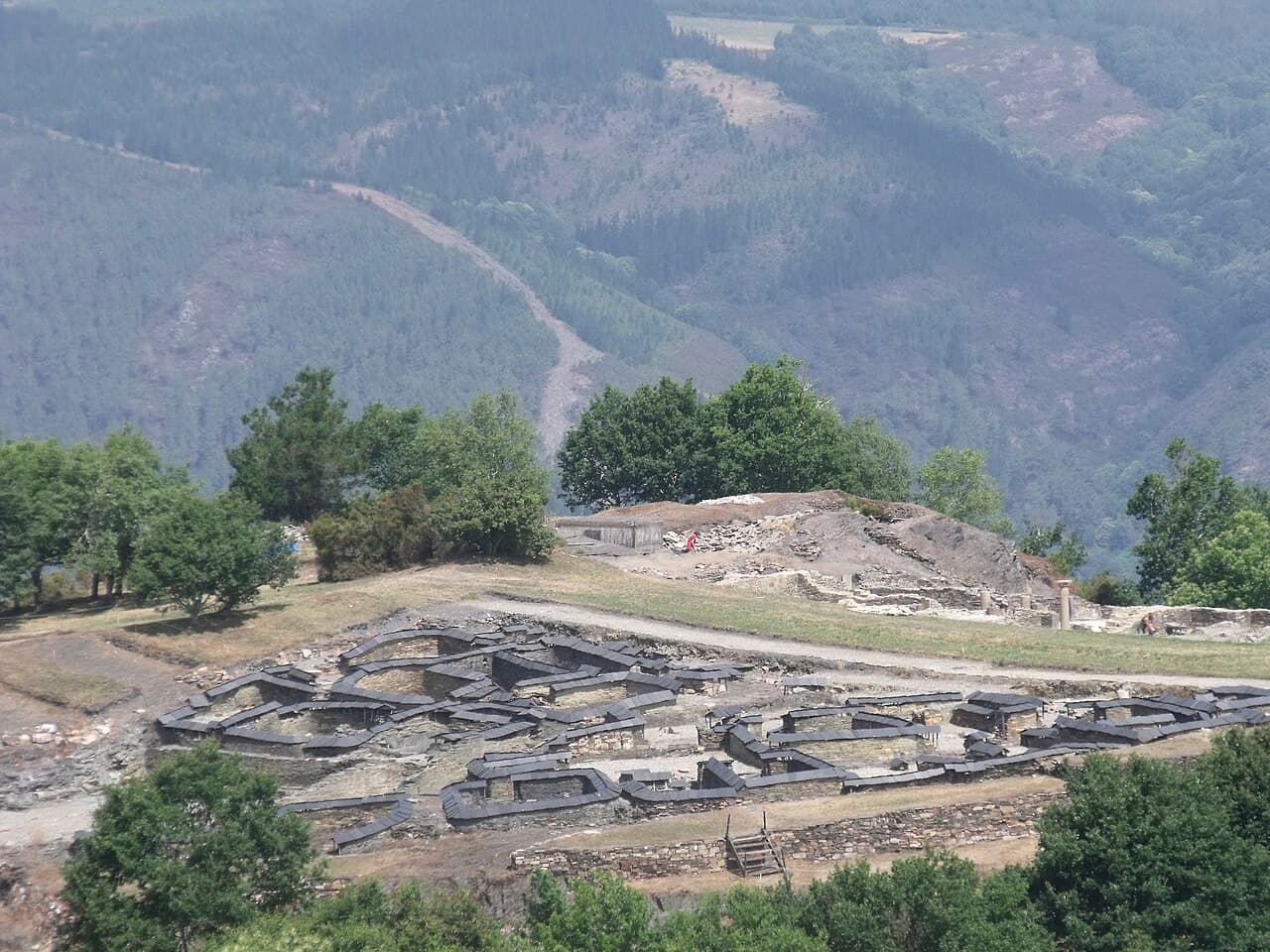
The castro was rediscovered in 1977, after centuries of being lost to history. Since its discovery, extensive archaeological excavations have been conducted, revealing a complex settlement with multiple layers of occupation. Excavations uncovered the foundations of circular and oval stone dwellings typical of castro architecture, as well as defensive walls and other fortifications that protected the inhabitants.
Artifacts recovered from the site include pottery, tools, and weapons, which have helped archaeologists piece together the daily life and trade connections of the castro's residents. The findings also contribute to the broader understanding of the cultural and economic interactions in the northwestern Iberian Peninsula during the Bronze Age and Early Medieval periods.
Architectural features of the castro
Chao Samartín is characterized by its stone-built circular houses, arranged in a manner that maximized the use of the natural topography. The settlement was enclosed by a series of defensive walls constructed from local stone, designed to protect against raids and conflicts common in the era. The walls feature dry stone masonry, a technique involving carefully fitted stones without mortar, which has contributed to their preservation despite centuries of exposure.
The layout of the castro includes narrow streets and communal spaces, indicating a well-organized community structure. The presence of storage pits and hearths within the houses suggests a self-sufficient lifestyle based on agriculture, animal husbandry, and craft production.
Defensive structures
The fortification system at Chao Samartín includes multiple concentric walls and possibly a moat or ditch, which would have enhanced the site's defensibility. The elevated position of the castro allowed clear visibility of the surrounding landscape, enabling early warning of approaching threats.
Cultural context and legacy
The castro culture, to which Chao Samartín belongs, was widespread in northwestern Iberia and is noted for its distinctive settlement patterns and material culture. These communities were often organized around kinship groups and had complex social hierarchies. The cultural practices evident at Chao Samartín reflect a blend of indigenous traditions and influences from other Mediterranean and Atlantic peoples through trade and migration.
Today, Chao Samartín stands as a protected archaeological site, offering educational and cultural value. Its ruins provide a tangible connection to Asturias's ancient past and contribute to the region's identity and heritage tourism.
Visiting Chao Samartín
While primarily an archaeological site, Chao Samartín is accessible to visitors interested in history and archaeology. The site is maintained to preserve its ruins and provide interpretive information about its significance. Visitors can explore the remains of the stone houses and defensive walls, gaining insight into the early medieval and Bronze Age settlement patterns in northern Spain.
The surrounding landscape of Asturias enhances the experience, with its rugged terrain and natural beauty complementing the historical atmosphere of the castro.
Frequently asked questions (FAQ)
- How do I get to Chao Samartín Castle?
- Chao Samartín Castle is located in Grandas de Salime, Spain, and can be accessed by car or local public transport. The nearest major city is Oviedo, approximately 120 kilometers away, making it a good day trip destination for visitors exploring Asturias.
- What is the historical significance of Chao Samartín?
- Chao Samartín is an important medieval castle that showcases the architectural styles and military strategies of the time. It played a vital role in the defense of the region during conflicts, reflecting the turbulent history of northern Spain.
- When was Chao Samartín Castle built?
- Chao Samartín Castle dates back to the 11th century, making it a significant historical site with a rich heritage. Its construction is attributed to the need for fortified structures during the Reconquista period.
- Can I visit Chao Samartín Castle year-round?
- Yes, Chao Samartín Castle is open to visitors throughout the year, although specific access may vary during the winter months. It is advisable to check local resources for any seasonal adjustments to visiting hours.
- Why is Chao Samartín Castle considered an architectural gem?
- Chao Samartín Castle is renowned for its impressive defensive architecture, including robust walls and strategic positioning on a hill. Its design not only served military purposes but also reflects the artistic trends of the medieval period.
- Is it possible to take guided tours at Chao Samartín?
- Yes, guided tours are available at Chao Samartín Castle, providing visitors with in-depth historical and architectural insights. These tours often enhance the experience by sharing stories and facts that might be overlooked during a self-guided visit.
- What are the opening hours for Chao Samartín Castle?
- Chao Samartín Castle typically opens from 10 AM to 6 PM, but hours may vary based on the season and local holidays. It’s best to check the official website or contact local tourism offices for the most accurate information before your visit.
- What are the ticket prices for visiting Chao Samartín Castle?
- Ticket prices for Chao Samartín Castle are generally affordable, with discounts available for children, students, and seniors. Detailed pricing information can be obtained on the official website or at the ticket office upon arrival.
- What nearby attractions should I visit while at Chao Samartín?
- While visiting Chao Samartín, you may also want to explore the scenic landscapes of the surrounding Oscos-Eo Biosphere Reserve. Additionally, the town of Grandas de Salime offers charming local culture and cuisine to enhance your experience.
Photo gallery

Information
Current owner
Municipality of Grandas de Salime
Loading map...
Visitor reviews
No reviews yet. Been here? Write the first review and help other travelers!
Write the first reviewVisited this castle? Share your experience
Your review helps other travelers and adds first-hand knowledge to our encyclopedia.