Castroverde Castle
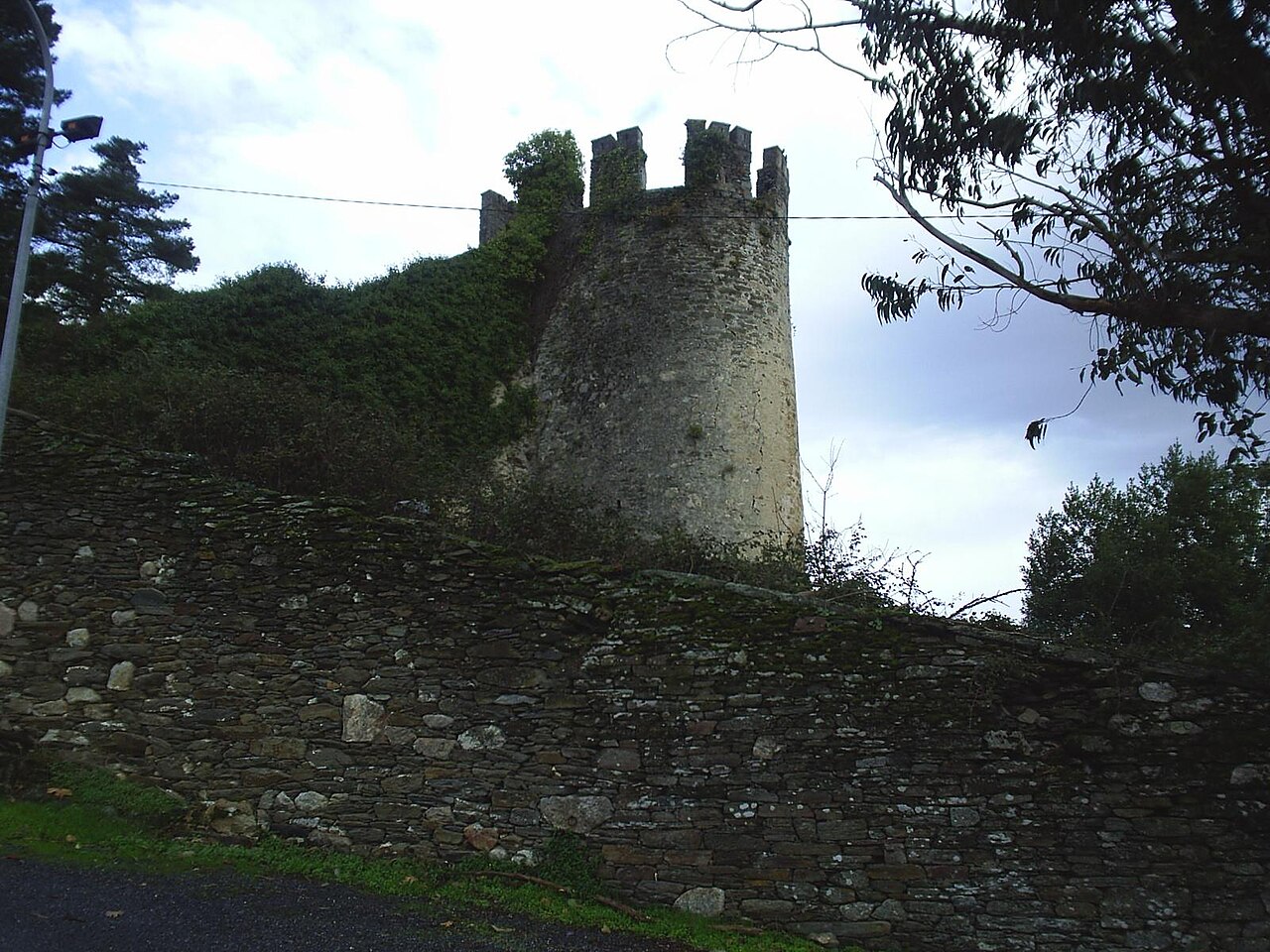
Castroverde Castle stands as a notable example of medieval military architecture in the region of Galicia, Spain. Constructed in the 14th century, this hill castle was strategically built atop a prehistoric castro, utilizing the natural elevation for defense and control over the surrounding territory. The castle's remains, including a prominent 20-meter high tower of homage, offer valuable insights into the feudal history and architectural practices of the late medieval period.
Historical background and feudal significance
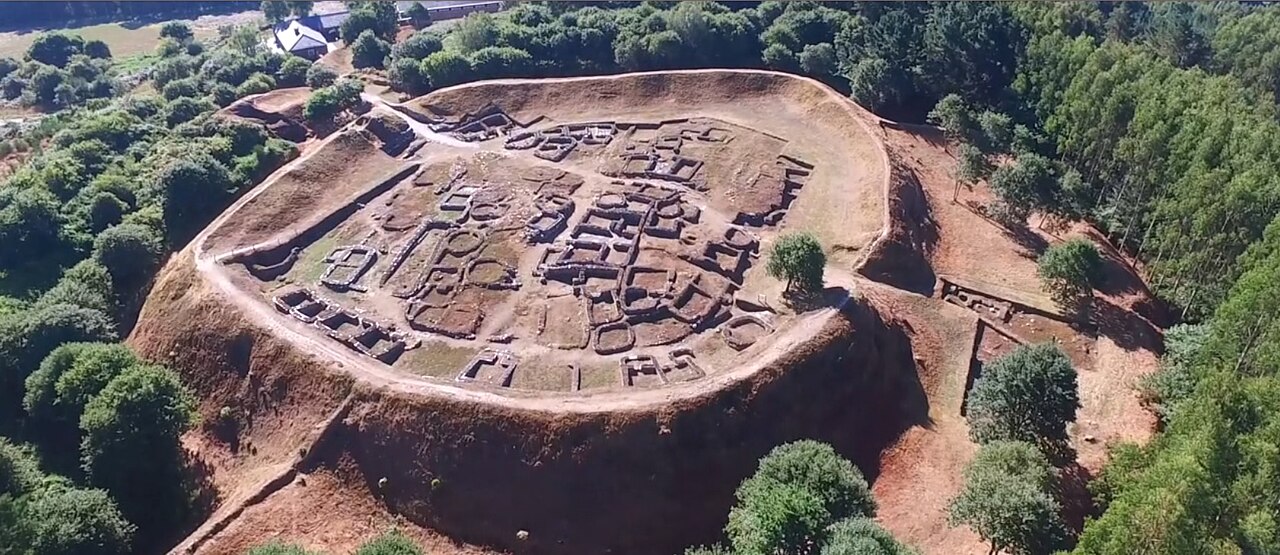
The site of Castroverde Castle has a long history of occupation, beginning with the prehistoric castro that originally occupied the hilltop. These early fortified settlements were common in northwestern Iberia, reflecting the area's strategic importance long before the medieval era. The medieval fortress was subsequently established by the Kingdom of Castile during the 14th century, integrating the ancient defensive advantages of the location into its design.
Throughout the late medieval period, the castle functioned as a significant feudal holding. It was granted by King Henry II of Castile to Álvaro Pérez Osorio, who bore the noble titles of Duke of Aguiar and Count of Villalobos. Later, control passed to Sancho Sánchez de Ulloa, Count of Monterrei, and subsequently to his cousin Isabel de Castro, linking the fortress to the influential Castro family. In the 16th century, the castle became part of the holdings of Lope Osorio de Moscoso from the powerful House of Altamira, consolidating aristocratic influence in the region.
Architectural features and defensive structures
The tower of homage
The centerpiece of Castroverde Castle is its rectangular keep, also known as the tower of homage. Measuring approximately 12 by 10 meters with walls about two meters thick, the tower rises to a height of 20 meters. Constructed from durable granite blocks, it originally featured five floors, though the interior is now in ruins. The thick walls and elevated position reflect the tower's primary role as a defensive stronghold and symbol of feudal power.
Distinctive carved decorations adorn the tower's exterior. On the north face, an arched doorway set at the second-floor level is topped by a semicircular lintel bearing a relief that likely depicts a warrior playing a bagpipe, a unique cultural motif. The western wall includes a window with an arch and tympanum featuring a shield with six roeles, the heraldic emblem of the Castro family. These elements emphasize the castle's connection to its noble owners and regional identity.
Defensive walls and other fortifications
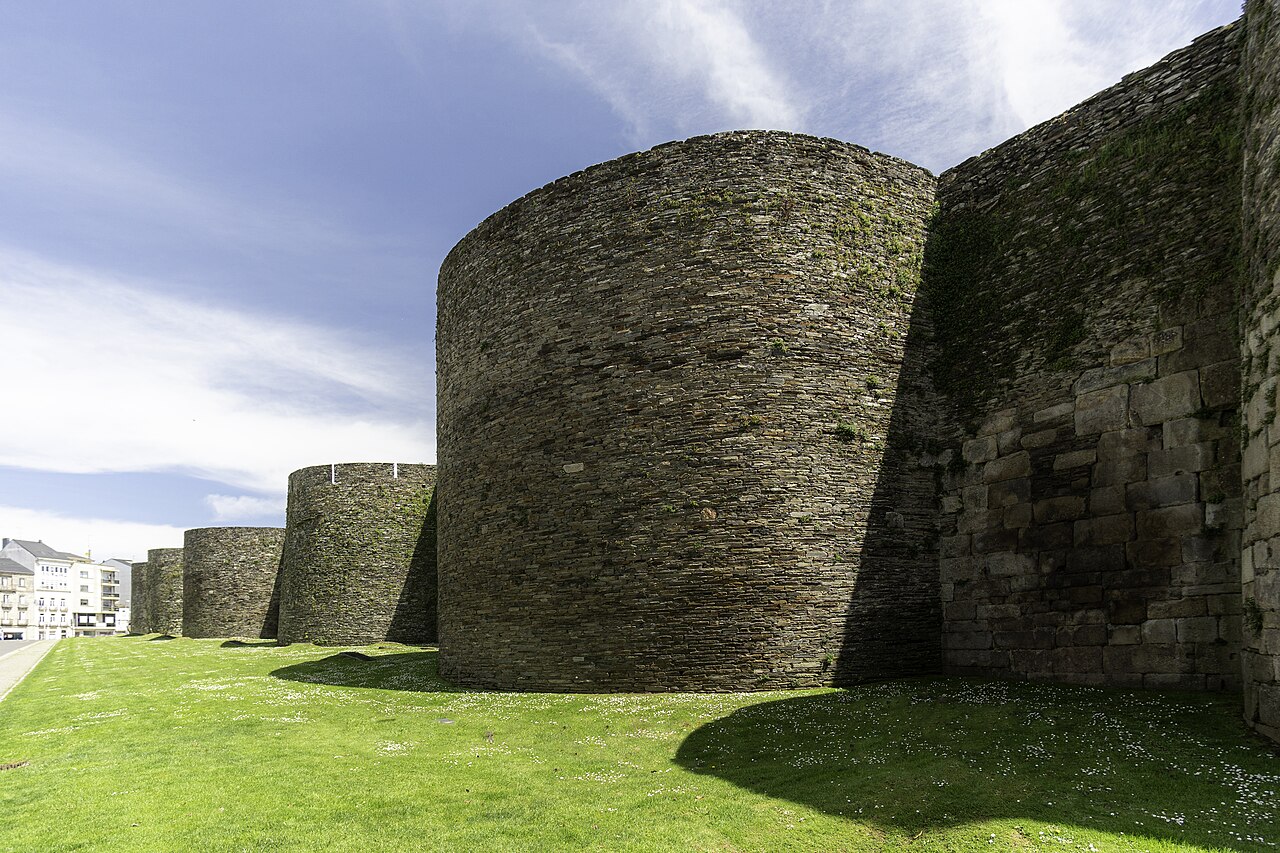
The castle's layout includes thick fortified walls reinforced by circular towers, enclosing two main courtyards: a courtyard of arms for military assembly and a courtyard of honor for ceremonial functions. The southern wall of the tower features a distinctive window combining a double arrow slit with a dual seven-sided embrasure, designed for archers to defend the fortress effectively.
Above the southern wall, remnants of the battlement include a machicolation, a projecting parapet with openings through which defenders could drop projectiles on attackers. This defensive feature is supported by stone corbels, illustrating the castle's sophisticated military architecture.
An inner wall surrounded the keep, punctuated by corner towers and small guard turrets, enhancing the defensive perimeter. The presence of two moats further strengthened the castle's fortifications, emphasizing its role as a formidable stronghold during turbulent times.
Later history and current condition
Following its period of feudal prominence, Castroverde Castle gradually fell into decline and ruin. Despite the deterioration, significant portions of the castle walls and the tower of homage remain visible today. The site is privately owned and recognized under Spanish heritage protection laws, which aim to preserve its historical and cultural significance.
Artifacts recovered from the castle, including two iron shackles now housed in a nearby museum, attest to its historical use as a prison. These relics contribute to understanding the castle's multifaceted role in regional history, encompassing military, administrative, and penal functions.
Visitors to Castroverde Castle can observe the ruins that reveal the castle's original layout and defensive mechanisms. The site offers a tangible connection to the medieval past of Galicia and the complex feudal relationships that shaped the region.
Castroverde Castle in the context of Galician medieval fortifications
Castroverde Castle is part of a broader network of medieval fortresses in Galicia, many of which were established on ancient castro sites. This continuity of settlement and defense underscores the strategic importance of elevated terrain in the region's military history.
The castle's architectural features, such as the machicolation, thick granite walls, and multiple defensive layers, reflect common design principles of late medieval hill castles in northwestern Spain. Its connection to prominent noble families like the Castros and Osorios highlights the intertwining of military architecture and aristocratic power during the period.
Frequently asked questions (FAQ)
- What is the historical significance of Castroverde Castle?
- Castroverde Castle, built in the 12th century, played a crucial role in the defense against Moorish invasions during the Reconquista. Its strategic location allowed it to serve as a military stronghold and a symbol of Christian resistance in the region.
- When was Castroverde Castle constructed?
- The construction of Castroverde Castle began in the early 12th century and was completed by the mid-1200s. Over the centuries, it has undergone various renovations and restorations to preserve its historical integrity.
- What are the opening hours for visiting Castroverde Castle?
- Castroverde Castle is open to visitors year-round, with hours varying by season. Generally, it is open from 10 AM to 6 PM, but it is advisable to check the official website for any seasonal changes or special events.
- Can I take guided tours of Castroverde Castle?
- Yes, guided tours are available and highly recommended for those wanting to learn about the castle's rich history and architectural features. These tours are led by knowledgeable guides who provide insights and anecdotes about the castle and its significance.
- Is Castroverde Castle accessible for visitors with disabilities?
- Yes, efforts have been made to ensure that Castroverde Castle is accessible to all visitors. There are ramps and designated paths to accommodate those with mobility challenges, but it is recommended to check in advance for specific accessibility needs.
- When is the best time to visit Castroverde Castle?
- The best time to visit Castroverde Castle is during the spring and early autumn when the weather is mild and pleasant. These seasons also offer fewer crowds, allowing for a more enjoyable experience while exploring the castle and its surroundings.
- What are the ticket prices for entering Castroverde Castle?
- Tickets for Castroverde Castle are reasonably priced, typically around €5 for adults, with discounts available for students and seniors. Children under a certain age often enter for free, making it an affordable outing for families.
- Are there any nearby attractions to visit after Castroverde Castle?
- Yes, after visiting Castroverde Castle, you can explore the charming town of Castroverde itself, which offers beautiful landscapes and local cuisine. Additionally, nearby natural parks and historical sites provide further opportunities for exploration and enjoyment.
Information
Loading map...
Visitor reviews
No reviews yet. Been here? Write the first review and help other travelers!
Write the first reviewVisited this castle? Share your experience
Your review helps other travelers and adds first-hand knowledge to our encyclopedia.