Castro of Viladonga
The Castro of Viladonga is an important archaeological site located in the region of Galicia, Spain. This site represents the remains of an ancient hillfort settlement dating back primarily to the Iron Age, roughly between the 4th century BCE and the 1st century CE. It is considered one of the most significant examples of castro culture in northwestern Iberia, illustrating the lifestyle, defensive architecture, and community organization of the pre-Roman inhabitants of the region.
Historical context and cultural significance
The term "castro" refers to fortified settlements built by Celtic or pre-Celtic peoples in the northwestern Iberian Peninsula during the Iron Age. These settlements were typically located on elevated terrain, providing natural defensive advantages. The Castro of Viladonga exemplifies this tradition, with its strategic position on a hilltop overlooking the surrounding landscape.
The site was occupied over several centuries, witnessing various phases of construction and modification. This long period of habitation reflects its importance as a local center for defense, habitation, and possibly trade. The castro culture is notable for its distinctive roundhouses, stone walls, and complex urban layouts, all of which are evident at Viladonga.
Architectural features and layout
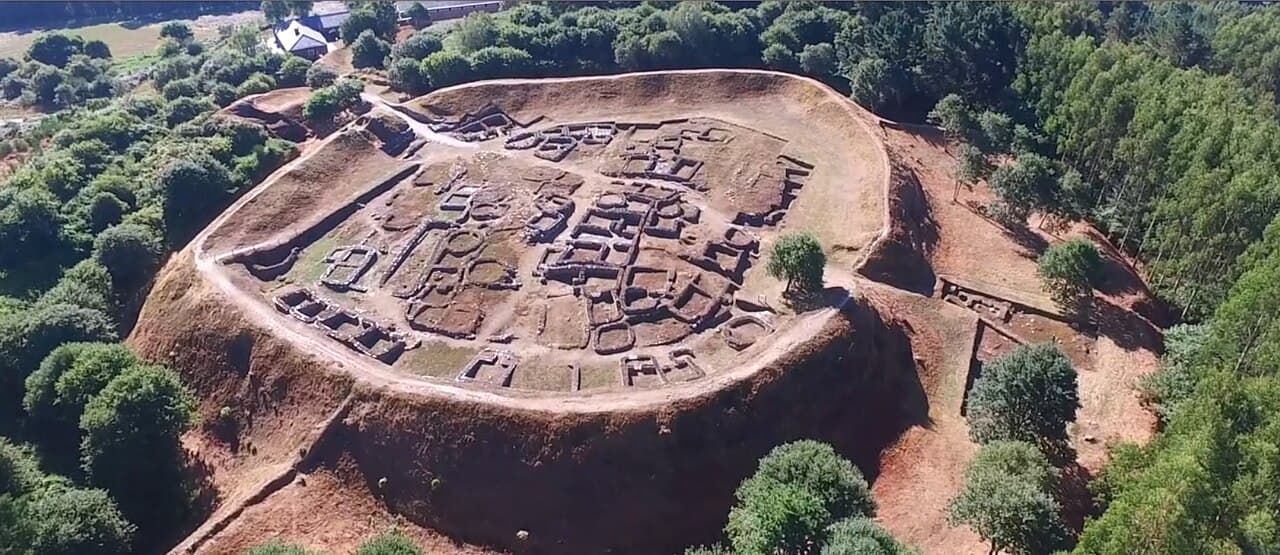
Viladonga is characterized by its concentric stone walls that once enclosed the settlement, providing protection against invaders. The walls, built with dry stone techniques typical of the period, outline a roughly circular or oval plan adapted to the contours of the hill.
Within the enclosure, the remains of numerous roundhouses can be found. These dwellings were constructed with stone foundations and likely had wooden superstructures and thatched roofs. The circular design is a hallmark of castro architecture and reflects both functional and cultural preferences of its builders.
The settlement also includes evidence of communal spaces, storage areas, and pathways connecting different parts of the castro. The organization of space suggests a well-planned community with social and economic structures.
Defensive structures
The fortifications at Viladonga include multiple walls and possibly ditches or embankments that enhanced the natural defenses of the hill. The entranceways were likely narrow and easily defensible, allowing inhabitants to control access effectively.
Archaeological discoveries and research
Excavations at the Castro of Viladonga have uncovered a wealth of artifacts such as pottery, tools, weapons, and personal items that provide insights into the daily life of its inhabitants. These finds have contributed to understanding the social hierarchy, economic activities, and cultural practices of the castro people.
Research also indicates that the site was eventually influenced by Roman occupation, as evidenced by changes in material culture and construction techniques during the later phases of habitation. This transition period highlights the interaction between indigenous populations and the expanding Roman Empire.
Preservation and current condition
Today, the Castro of Viladonga exists as ruins with visible stone foundations and wall remnants. The site is protected as a cultural heritage landmark and is accessible to visitors interested in archaeology and ancient history.
Efforts have been made to preserve the ruins and provide interpretive information to the public, allowing a better appreciation of this ancient settlement's significance. The open-air nature of the site offers a tangible connection to the distant past and the early inhabitants of Galicia.
Visiting the castro
Visitors to the Castro of Viladonga can explore the remains of the settlement and learn about its historical context through onsite displays and guided tours. The site is an excellent destination for those interested in prehistoric architecture, Iron Age fortifications, and the cultural heritage of northern Spain.
The surrounding landscape offers scenic views and opportunities for hiking, making the visit both educational and recreational.
Frequently asked questions (FAQ)
- What is the historical significance of the Castro of Viladonga?
- The Castro of Viladonga is an archaeological site that showcases the remnants of a Celtic settlement from the Iron Age. It offers valuable insights into the lives, culture, and architecture of ancient peoples in northwest Spain.
- When was the Castro of Viladonga built?
- The construction of the Castro of Viladonga dates back to around the 3rd century BC, during the late Iron Age. It was inhabited until the Roman conquest, making it a vital site for understanding the transition from pre-Roman to Roman cultures in the region.
- What are the opening hours for the Castro of Viladonga?
- The Castro of Viladonga is open to visitors from 10 AM to 6 PM during the peak season, which runs from April to October. In the off-season, the hours may vary, so it's advisable to check the official website before planning your visit.
- Can I access the Castro of Viladonga with a wheelchair?
- The site has made efforts to be accessible, but due to its archaeological nature, some areas may have uneven terrain. It is recommended to contact the visitor center for specific accessibility information and assistance before your visit.
- Is there an entrance fee to visit the Castro of Viladonga?
- Yes, there is a nominal entrance fee to visit the Castro of Viladonga, which helps maintain the site and fund ongoing research. Discounts are often available for students, seniors, and groups, so be sure to inquire at the ticket booth.
- When is the best time to visit the Castro of Viladonga?
- The best time to visit is during spring (April to June) and fall (September to October) when the weather is pleasant for exploring the outdoor site. Summer can be hot, while winter may bring rain, affecting accessibility.
- What nearby attractions can I visit while at the Castro of Viladonga?
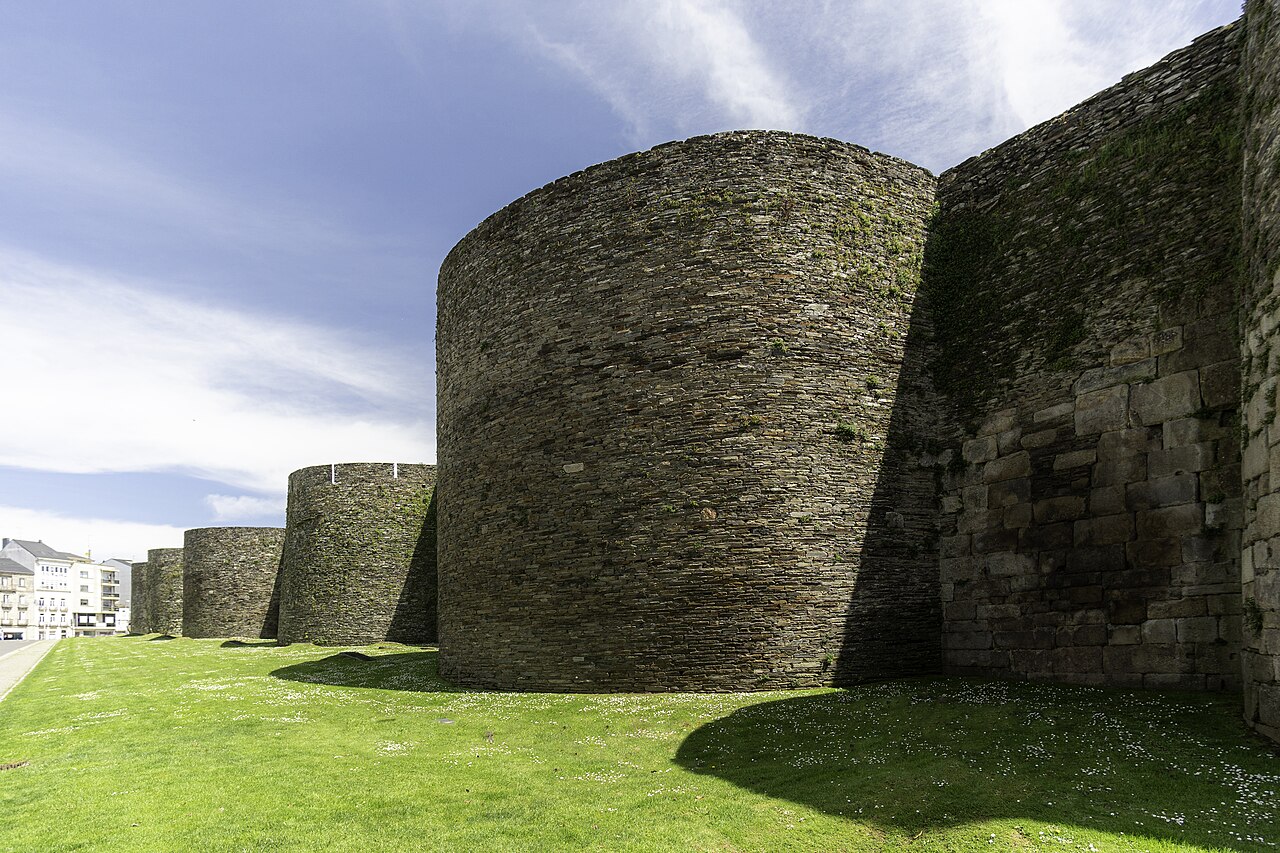
- Nearby attractions include the historic town of Lugo, famous for its well-preserved Roman walls, and the scenic landscapes of the surrounding countryside. Additionally, the region offers various hiking trails and local culinary experiences.
Photo gallery

Photo by Xunta de Galicia•Attribution
Information
Loading map...
Visitor reviews
No reviews yet. Been here? Write the first review and help other travelers!
Write the first reviewVisited this castle? Share your experience
Your review helps other travelers and adds first-hand knowledge to our encyclopedia.