Bonțida Bánffy Castle
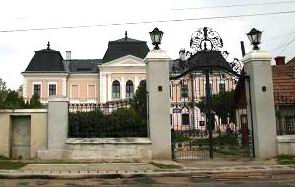
Bonțida Bánffy Castle stands as a remarkable testament to the architectural and historical evolution of Transylvania, Romania. Located in the municipality of Bonțida, this castle embodies a rich legacy spanning over six centuries, primarily under the stewardship of the noble Bánffy family. Its layered construction and stylistic transformations offer a vivid narrative of regional power, cultural shifts, and artistic trends from the late medieval period through the 19th century.
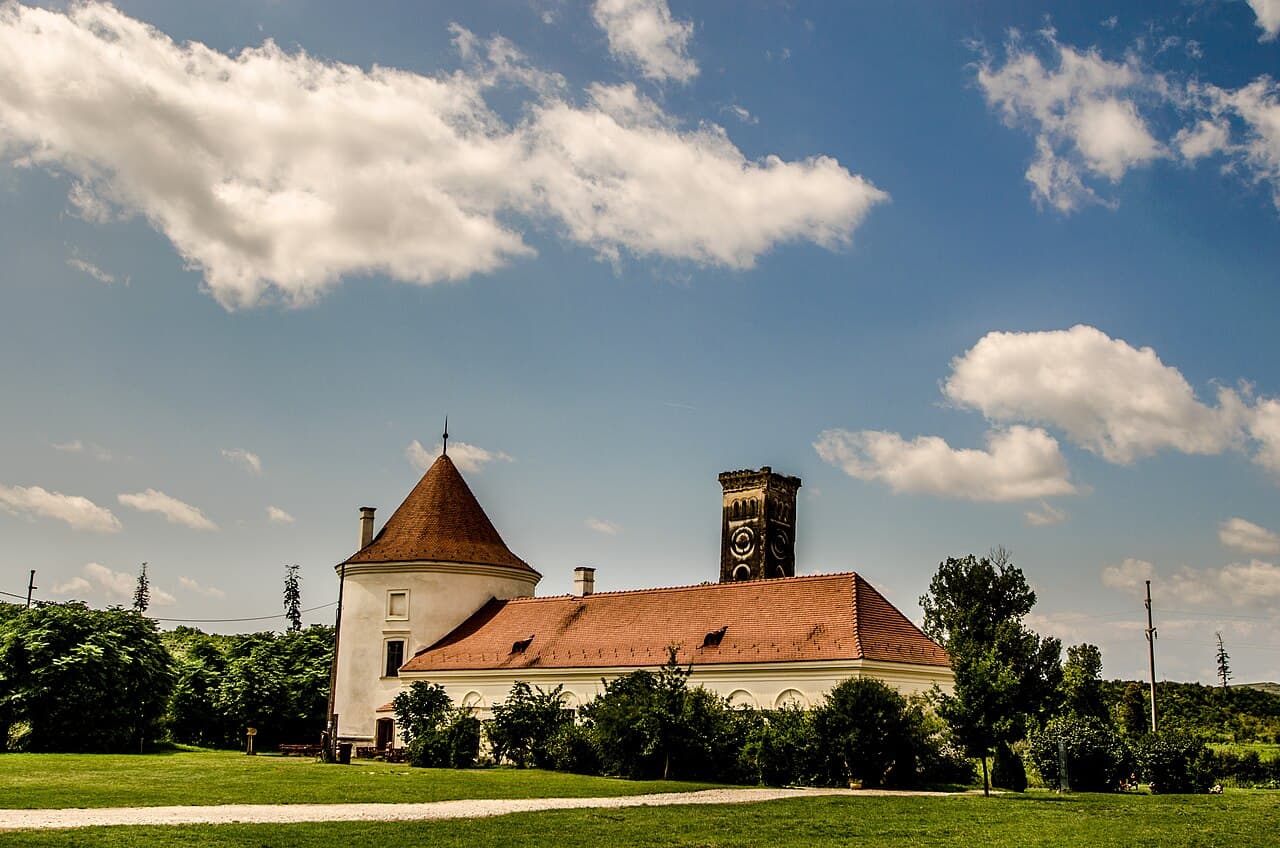
The origins of the site trace back to a noble manor house documented after 1640, which had existed since the 15th or 16th century. The current castle’s foundation was laid between 1668 and 1674 by Dionisie Bánffy II, a prominent county governor and adviser to Prince Michael I Apafi. Dionisie transformed the existing manor into a fortified Renaissance residence, incorporating defensive walls, circular corner towers, and a towering seven-story gatehouse that served as both the main entrance and a stronghold. His successor, György Bánffy III, continued the construction, reinforcing the castle’s role as a bastion of regional authority.
Architectural evolution from Renaissance fortress to Baroque grandeur
During the Rákóczi’s War of Independence (1704–1711), the castle sustained damage but was promptly repaired in the early 18th century. The most significant transformation occurred under Dénes Bánffy IV in the mid-18th century. Influenced by his experiences at the court of Empress Maria Theresa in Vienna, he initiated an extensive reconstruction that reshaped the castle into a Baroque residence. Completed by 1751, this phase introduced a U-shaped courtyard (Cour d’honneur) on the eastern side, surrounded by auxiliary buildings including stables, a riding school, carriage rooms, and servants’ quarters. The castle park was redesigned in the formal French Baroque style by architect Johann Christian Erras, featuring geometric alleys, statues, fountains, and a lake that harmonized the landscape with the built environment.
A highlight of this period was the installation of 36 large stone sculptures by Johann Nachtigall, inspired by the mythological tales of Ovid’s Metamorphoses. These sculptures originally adorned the courtyard, adding a rich layer of artistic symbolism and cultural refinement. Today, they are preserved at the Cluj-Napoca Museum of Art to protect their delicate craftsmanship.
19th-century stylistic adaptations and Romantic influences
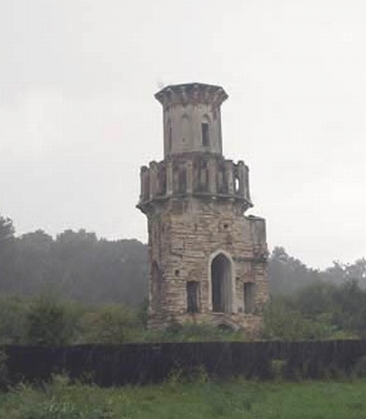
The 19th century brought further modifications reflecting changing tastes and practical needs. József Bánffy dismantled the castle’s imposing gate tower, repurposing its stones to build a water mill for the nearby village. This removal altered the spatial dynamics by merging the Renaissance courtyard with the Baroque one, creating a more unified complex.
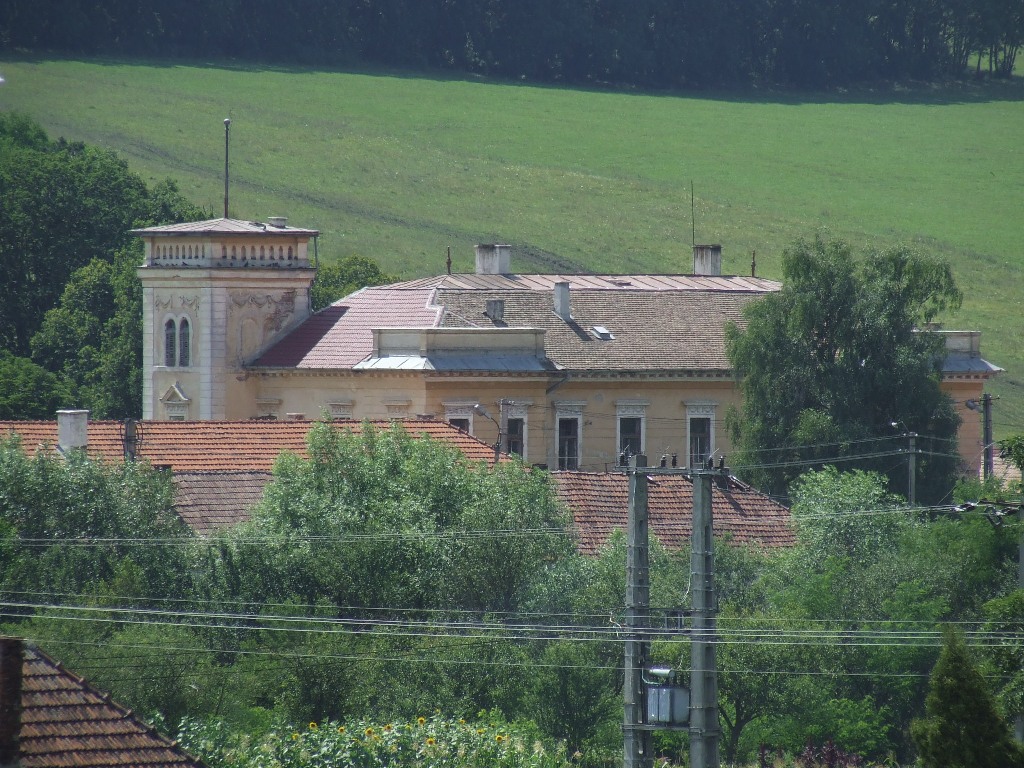
The castle’s wings were refurbished in the Neoclassical style, characterized by smoother facades and classical decorative elements. Later, in 1855, architect Anton Kagerbauer remodeled parts of the western façade and the kitchen building, introducing Romantic Neogothic features. These changes aligned with the contemporary English landscape garden movement, which also influenced the park’s design, blending naturalistic elements with formal Baroque layouts.
Impact of World War II and subsequent decline
World War II marked a devastating chapter for Bonțida Bánffy Castle. In 1944, during the German retreat, the castle was used as a military hospital but was looted and set on fire by German troops, reportedly in retaliation for Miklós Bánffy’s political stance. The fire destroyed invaluable interiors including the portrait gallery, library, and original furnishings, causing irreparable cultural loss.
During the communist era, the castle was repurposed for utilitarian functions such as housing a cooperative farm. This period saw neglect, structural deterioration, and the removal of building materials by locals. A further fire in 1963 during a film shoot caused additional damage, accelerating the castle’s decline.
Restoration and cultural revival efforts
Following the fall of communism in 1990, Bonțida Bánffy Castle was officially protected as a historic monument. Its inclusion on the 1999 World Monuments Watch list galvanized international support, leading to collaborative restoration efforts between Romania and Hungary. Since 2001, the Transylvania Trust has played a key role in conservation and training programs, supported by patrons such as Princess Margareta of Romania and Charles, Prince of Wales.
Currently owned by Katalin Bánffy, the castle is managed under a long-term agreement with the Transylvania Trust, aiming to preserve its architectural heritage and develop it as a vibrant cultural center. Restoration priorities have included roofing repairs, structural stabilization, and the rehabilitation of the kitchen wing, with ongoing efforts to revive the surrounding park and gardens.
Architectural features and materials
The castle’s layout reflects its complex history, evolving from a Renaissance fortified manor with an L-shaped plan enclosed by rectangular curtain walls and circular corner towers, to a grand Baroque residence with a U-shaped Cour d’honneur. The original seven-story gatehouse, once a dominant defensive and symbolic feature, was dismantled in the 19th century.
Construction materials primarily include local stone, which was notably reused after the gate tower’s demolition. The ensemble combines grand residential buildings with functional service structures, illustrating the dual role of the castle as a noble residence and an operational estate.
Castle park and gardens
The surrounding park, covering approximately 70 hectares, was designed in the formal French Baroque style. Its geometric alleys, fountains, statues, and a lake created a harmonious setting that integrated nature with the architectural ensemble. The park’s design was influenced by European aristocratic garden trends, emphasizing order, symmetry, and artistic expression.
Artistic heritage
The stone sculptures by Johann Nachtigall remain a significant artistic legacy, representing mythological themes from Ovid’s Metamorphoses. Although relocated for preservation, they continue to symbolize the castle’s cultural richness and the Baroque period’s artistic ambitions.
Legacy and cultural significance
Bonțida Bánffy Castle stands as a monument to Transylvanian history, noble lineage, and architectural evolution. Its layers of Renaissance, Baroque, Neoclassical, and Romantic Neogothic styles reflect changing tastes and historical contexts. The castle’s restoration and cultural revival underscore its importance as a heritage site and a center for education and the arts in contemporary Romania.
Visitors today can appreciate the castle’s surviving architectural features, the restored park, and the ongoing efforts to revive its historical grandeur. The castle’s story, marked by resilience and transformation, offers valuable insights into the region’s past and the enduring legacy of the Bánffy family.
Frequently asked questions (FAQ)
- When was Bonțida Bánffy Castle originally built?
- The castle's foundation was laid between 1668 and 1674 by Dionisie Bánffy II, transforming an earlier manor into a Renaissance fortified residence.
- What architectural styles are represented at Bonțida Bánffy Castle?
- The castle features a mix of Renaissance fortifications, Baroque grandeur, Neoclassical refurbishments, and Romantic Neogothic elements from the 19th century.
- How was the castle affected during World War II?
- In 1944, retreating German troops looted and set fire to the castle, destroying valuable interiors including the portrait gallery and library.
- Is the castle open to visitors today?
- Yes, Bonțida Bánffy Castle is open to visitors, with ongoing restoration efforts and cultural events enhancing the visitor experience.
- Who currently owns and manages the castle?
- The castle is currently owned by Katalin Bánffy and managed in cooperation with the Transylvania Trust for preservation and cultural development.
Photo gallery

Information
Sources & official resources
Verify the information above using these authoritative references.
Loading map...
Visitor reviews
No reviews yet. Been here? Write the first review and help other travelers!
Write the first reviewVisited this castle? Share your experience
Your review helps other travelers and adds first-hand knowledge to our encyclopedia.