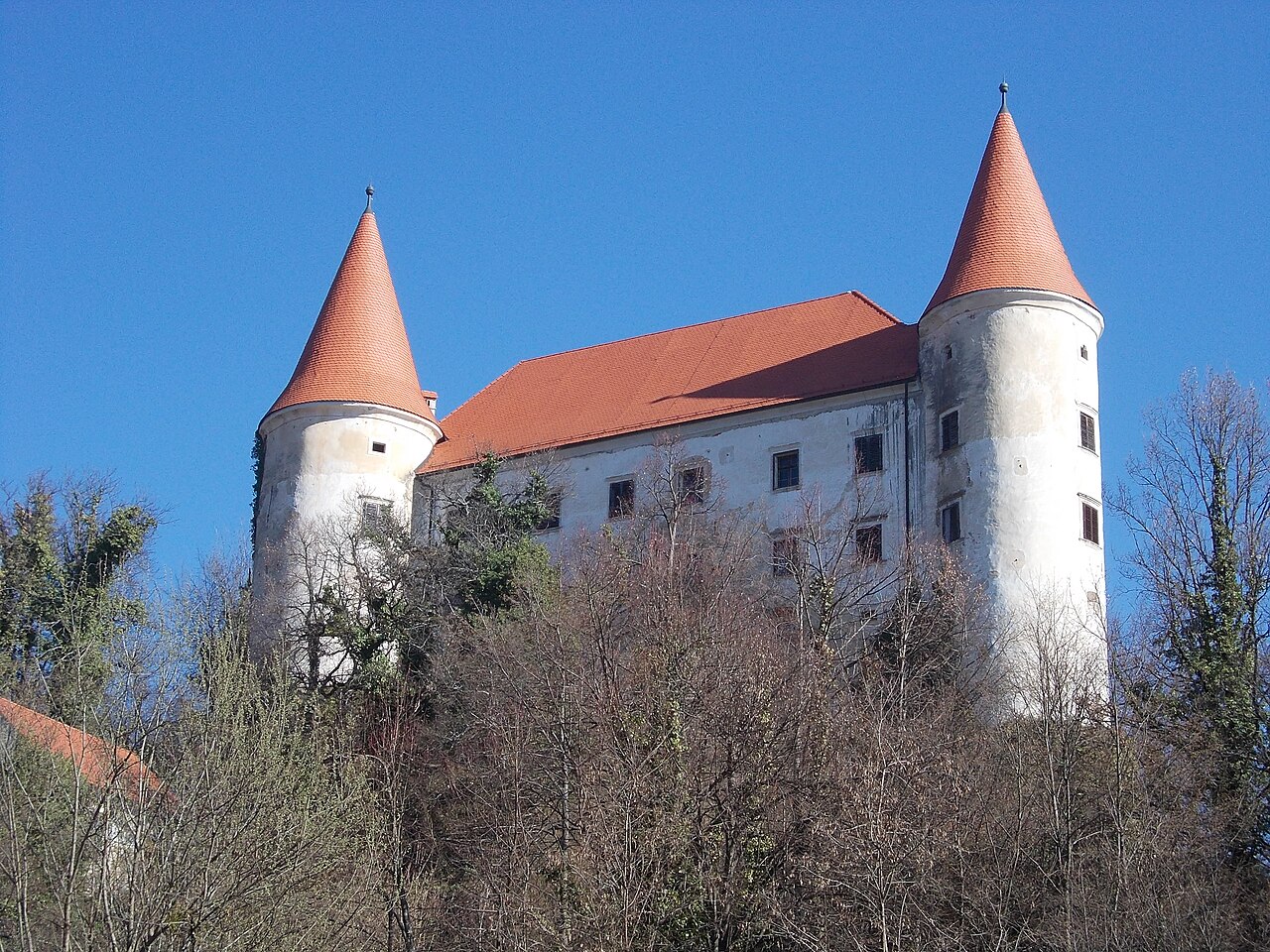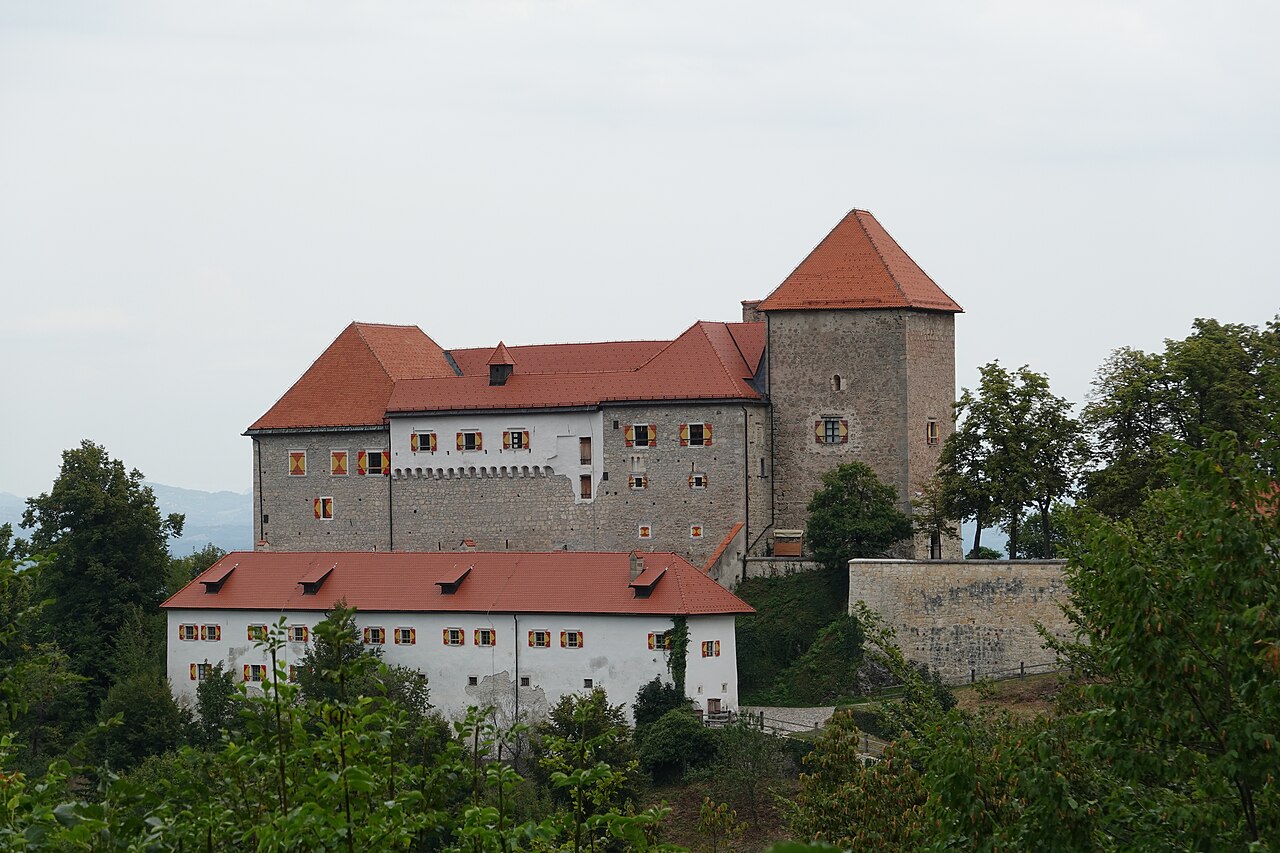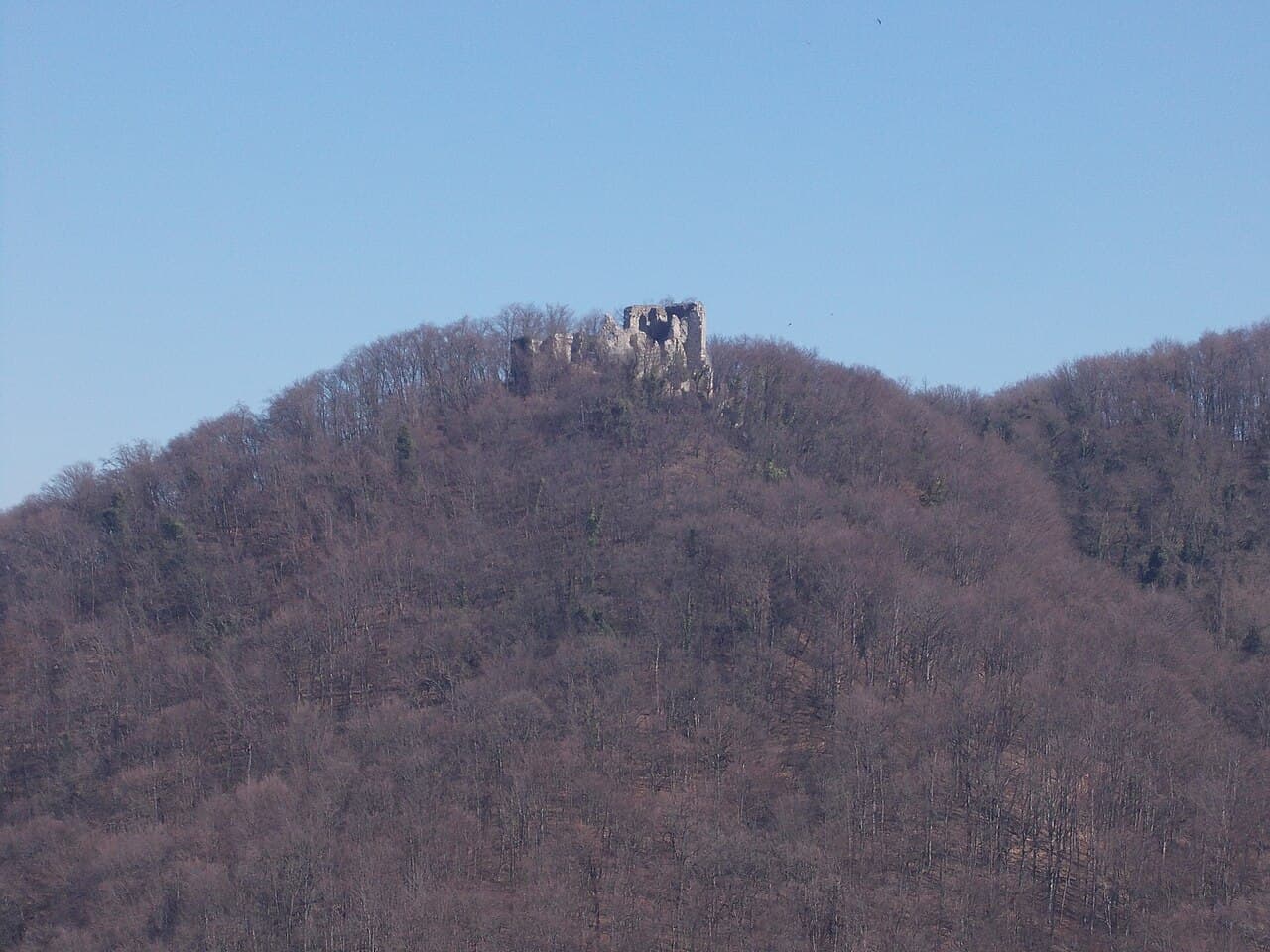
The Cesargrad castle ruins stand as a significant high medieval archaeological site in Croatia, dating back to the 13th century. Although the exact city location remains uncertain, the ruins represent an important part of Croatia's medieval heritage. As a hill castle typical of the period, Cesargrad was strategically placed to oversee surrounding lands and control local routes.
Historical context and significance
Constructed during the high medieval period, Cesargrad castle was part of the broader network of fortifications that dotted the Croatian landscape. The 13th century was a time of political fragmentation and frequent conflict in the region, necessitating strong defensive structures. Cesargrad likely served as a military stronghold and administrative center, reflecting the feudal system prevalent in medieval Croatia.
The castle's name, Cesargrad, translates roughly to "Emperor's town," suggesting a connection to imperial authority or aspirations. While direct records about its founders are scarce, the castle's strategic location indicates its importance in regional power dynamics.
Architectural features and layout
As an archaeological ruin, much of Cesargrad's original structure is lost, but excavations reveal typical features of hill castles from the high medieval era. The site includes remnants of thick defensive walls constructed from local stone, designed to withstand sieges. Foundations of towers and a gatehouse have been identified, indicating a fortified entrance and lookout points.
The castle's elevated position provided natural defense advantages, with steep slopes limiting access. The ruins suggest a compact layout centered around a courtyard, with living quarters and storage spaces arranged within the protective walls. Defensive elements such as battlements and arrow slits would have been present to repel attackers.
Archaeological research and preservation
Modern archaeological efforts have focused on uncovering the castle's layout and understanding its role in medieval Croatian history. The site is classified as archaeological ruins, reflecting both its historical value and the need for preservation. Excavations have unearthed artifacts including pottery shards, metal tools, and weapon fragments, providing insight into the daily life and military activities at Cesargrad.
Preservation challenges stem from natural erosion and the passage of time, but the ruins remain accessible for study and limited tourism. The site offers a tangible connection to Croatia's medieval past and serves as an educational resource for historians and visitors alike.
Visiting and cultural importance
While not a fully restored castle, Cesargrad attracts those interested in medieval history and archaeology. Its remote location and ruinous state mean that visitors should prepare for rugged terrain and limited facilities. The castle's setting offers scenic views and a sense of the strategic considerations medieval builders faced.
Cesargrad contributes to the cultural heritage of Croatia by highlighting the region's medieval fortification traditions. It complements other historic sites in the country, enriching understanding of feudal society, military architecture, and regional conflicts during the 13th century.
Nearby attractions and accessibility
Due to the uncertain exact location, specific nearby attractions are difficult to list, but Croatia's landscape is rich with other medieval castles, historic towns, and natural parks. Visitors interested in Cesargrad often combine their visit with explorations of Croatian medieval heritage sites.
Summary of key features
- Type: Archaeological ruins of a hill castle
- Period: High medieval, 13th century
- Condition: Ruins with partial structural remains
- Architectural elements: Defensive walls, towers, gatehouse foundations
- Historical role: Military stronghold and administrative center
- Cultural significance: Example of medieval Croatian fortifications
Frequently asked questions about Cesargrad castle ruins
What is the historical importance of Cesargrad castle?
Cesargrad castle was a strategic fortification built in the 13th century during the high medieval period. It played a role in regional defense and administration within medieval Croatia's feudal system.
Can visitors access the Cesargrad castle ruins?
Yes, the ruins are accessible but may require some hiking and preparation due to their remote location and rugged terrain. Facilities are limited, so visitors should plan accordingly.
Are there guided tours available at Cesargrad?
Currently, there are no widely available guided tours specifically for Cesargrad, but local historical societies or archaeological groups may occasionally organize visits or research events.
What architectural features remain visible at Cesargrad?
Visitors can see remnants of defensive walls, tower bases, and gatehouse foundations that reflect typical high medieval hill castle construction.
When was Cesargrad castle built?
The castle dates back to the 13th century, placing it firmly in the high medieval period of Croatian history.
Why is the exact location of Cesargrad uncertain?
Historical records about Cesargrad are limited, and over time, natural and human factors have obscured precise details about its location and extent.
How does Cesargrad compare to other Croatian medieval castles?
While less preserved than some other castles, Cesargrad offers valuable archaeological insights into the defensive strategies and feudal structures of medieval Croatia.

Information
Loading map...
Visitor reviews
No reviews yet. Been here? Write the first review and help other travelers!
Write the first reviewVisited this castle? Share your experience
Your review helps other travelers and adds first-hand knowledge to our encyclopedia.