Bizeljsko Castle
Bizeljsko Castle, located in Bizeljska Vas in southeastern Slovenia, is a notable example of a hill castle with a complex architectural history spanning several centuries. First mentioned in written sources in 1404, the castle's origins trace back to the 14th century, with the oldest visible structures reflecting its late medieval beginnings. Over time, the castle evolved through multiple phases of construction and renovation, incorporating Gothic and Baroque elements that illustrate its adaptation from a fortified residence to a noble estate with both defensive and residential functions.
Architectural layout and defensive features
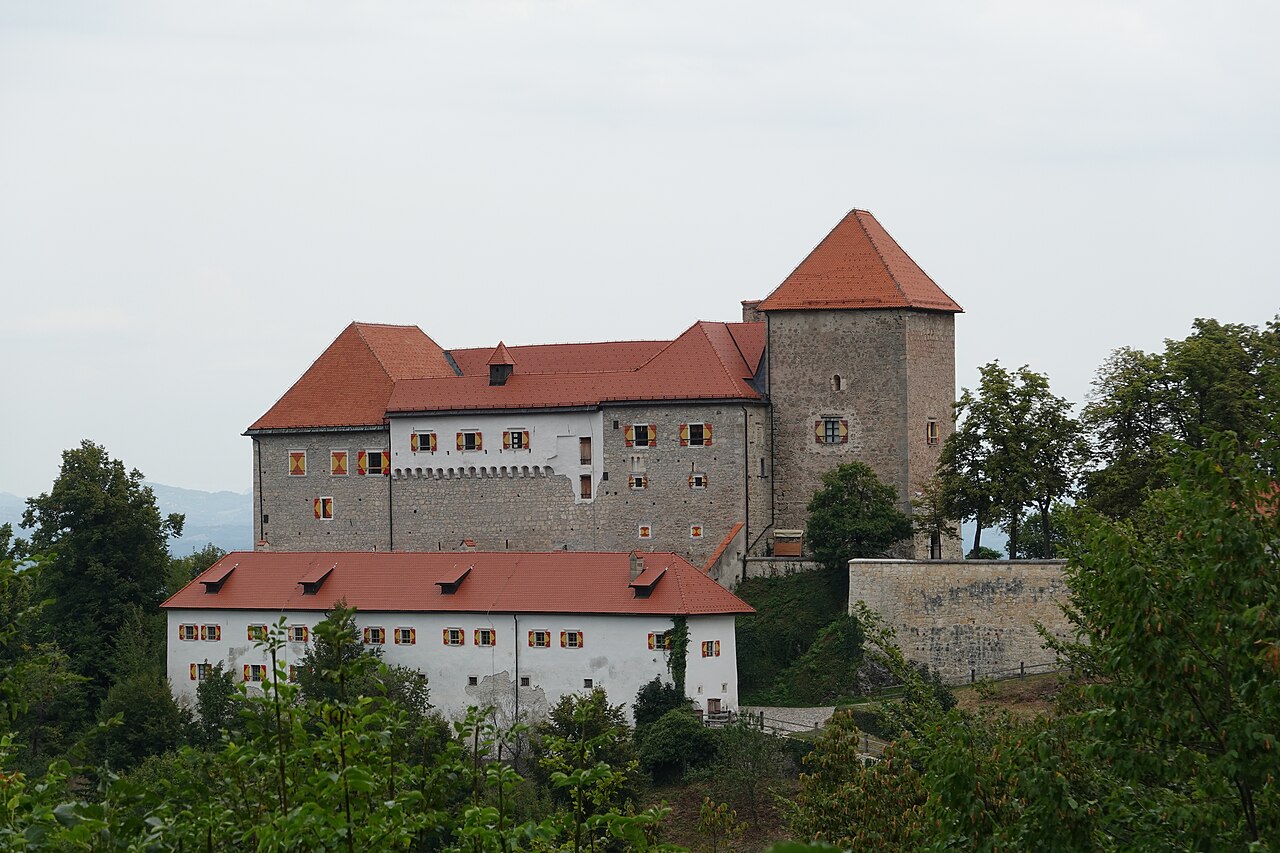
The castle is divided into two main parts: a residential core and an outer defensive zone. The residential section forms the heart of the complex and includes a Baroque chapel dedicated to St. Hieronymus, built in 1623. This chapel stands as a prominent feature within the castle grounds, representing the shift towards more refined, religious architectural additions during the early modern period.
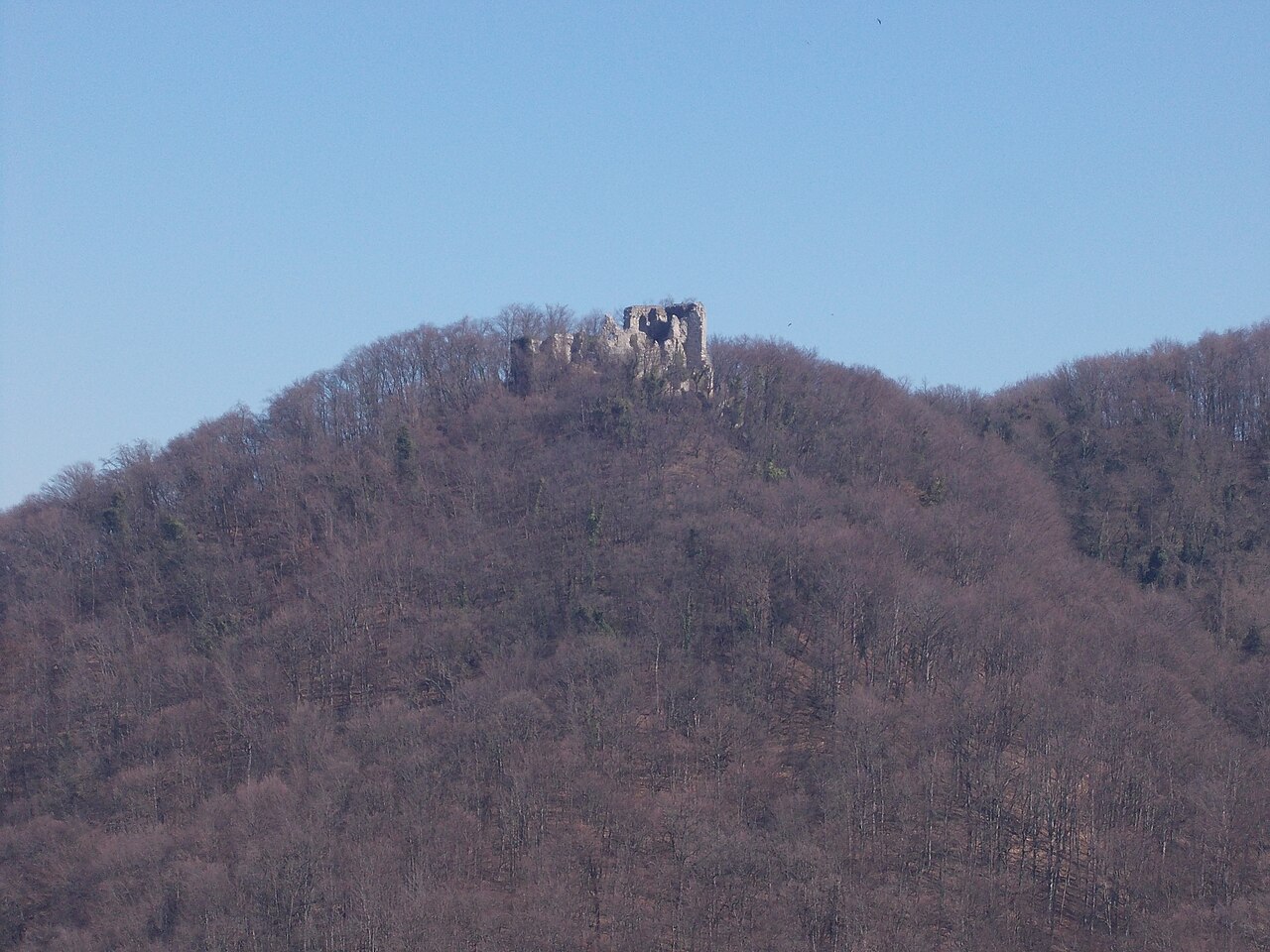
The outer part of the castle was designed for defense, featuring a surrounding wall and several towers. Although parts of this defensive perimeter have fallen into ruin, traces remain that speak to the castle's military purpose in a contested border region. The strategic position on a hill provided natural defense advantages, typical of hill castles constructed in the medieval period.
Historical ownership and significance
Bizeljsko Castle has a documented history of ownership by notable noble families. In 1532, the castle came into the possession of the Tattenbach family, who maintained control until 1671. Following them, the castle was owned by the Windisch-Graetz family, a prominent noble house with significant influence in the region. These families contributed to the castle's architectural evolution and its role as a regional power center.
Architectural styles and interior features
The castle preserves elements of its Gothic heritage, visible in the pointed arches and the overall layout of the inner courtyard. The courtyard itself is modest in scale and features an arcade from the 17th century. These arcades are decorated with painted motifs, although some additions were made later that do not harmonize well with the original design.
The residential parts consist of diverse tracts surrounding the courtyard, reflecting the gradual expansion and adaptation of the castle to changing needs and tastes over the centuries. The combination of defensive and residential architecture illustrates the dual function of the castle in its historical context.
Preservation and current condition
Today, Bizeljsko Castle remains partly preserved. The residential section, including the chapel and courtyard, is in relatively good condition, while the outer defensive walls and towers are partially in ruins. This state of preservation offers insight into the castle's layered history and the challenges of maintaining such historic structures.
Location and cultural context
Situated in the village of Bizeljska Vas within the Municipality of Brežice, the castle occupies a strategic position in southeastern Slovenia. The region has a rich history of border conflicts and noble estates, making Bizeljsko Castle an important cultural landmark that reflects the area's medieval and early modern heritage.
Architectural significance in Slovenian heritage
Bizeljsko Castle represents a significant example of medieval fortification adapted through the Renaissance and Baroque periods. Its combination of Gothic defensive elements with later Baroque residential features provides valuable insight into the evolution of castle architecture in Slovenia. The chapel of St. Hieronymus is particularly notable for its artistic and religious value within the castle complex.
Visitor experience and accessibility
While the castle is not fully restored, visitors can explore the well-preserved residential areas and appreciate the historic arcades and chapel. The partially ruined defensive walls add to the atmosphere, offering a tangible connection to the castle's medieval past. The site is accessible from the village of Bizeljska Vas and contributes to the cultural tourism of the Brežice region.
Frequently asked questions (FAQ)
- When was Bizeljsko Castle first mentioned in historical records?
- Bizeljsko Castle was first mentioned in written sources in 1404, marking its documented presence since the early 15th century.
- What architectural styles are visible at Bizeljsko Castle?
- The castle features prominent Gothic elements, especially in its defensive structures and courtyard, alongside Baroque additions such as the chapel of St. Hieronymus built in 1623.
- Who were the notable noble families that owned Bizeljsko Castle?
- The Tattenbach family owned the castle from 1532 to 1671, followed by the Windisch-Graetz family, both influential noble houses in the region.
- Is Bizeljsko Castle open to visitors?
- Visitors can explore the residential parts of Bizeljsko Castle, including the chapel and courtyard, although some defensive walls are in ruins. Access details may vary, so checking local tourist information is recommended.
- What is the current condition of Bizeljsko Castle?
- The castle is partly preserved, with the residential section and chapel in relatively good condition, while the outer defensive walls and towers are partially ruined.

Information
Loading map...
Visitor reviews
No reviews yet. Been here? Write the first review and help other travelers!
Write the first reviewVisited this castle? Share your experience
Your review helps other travelers and adds first-hand knowledge to our encyclopedia.