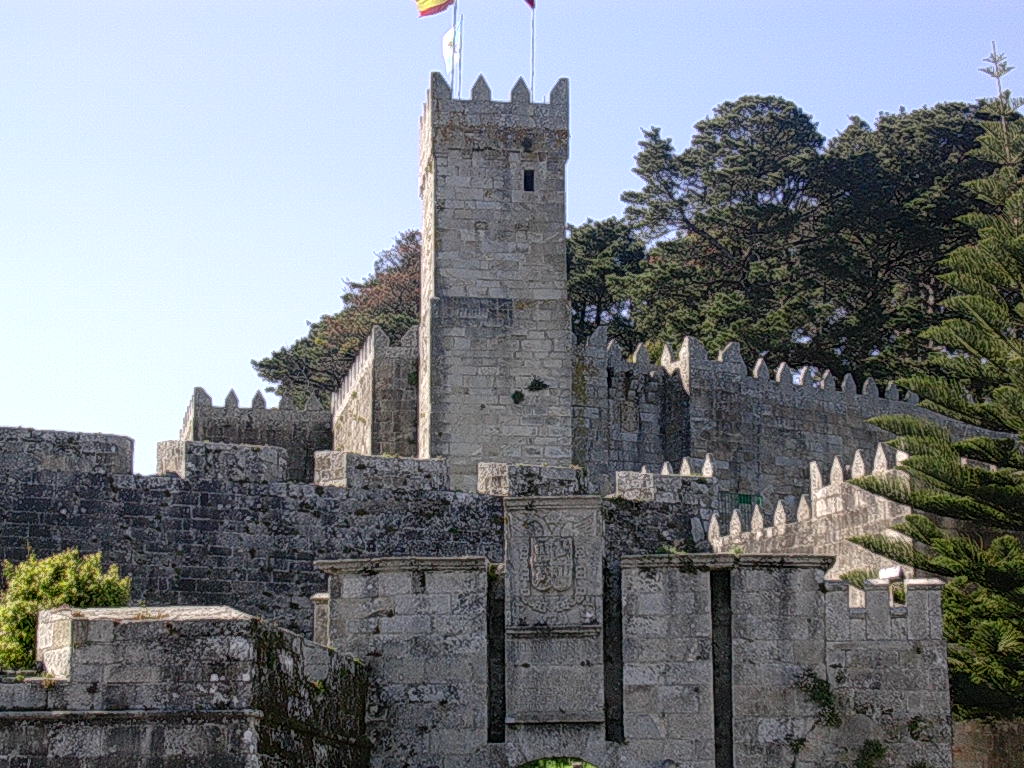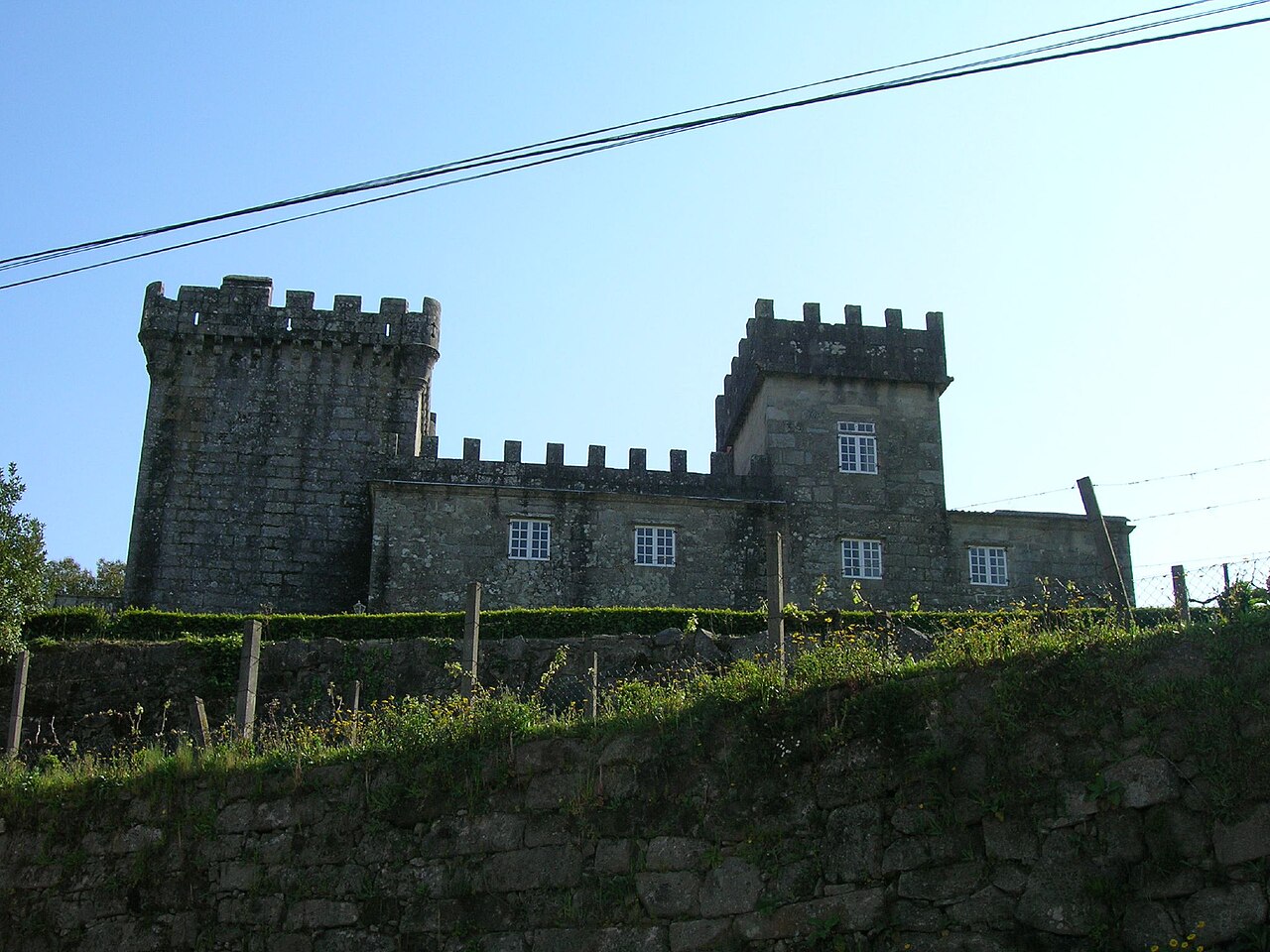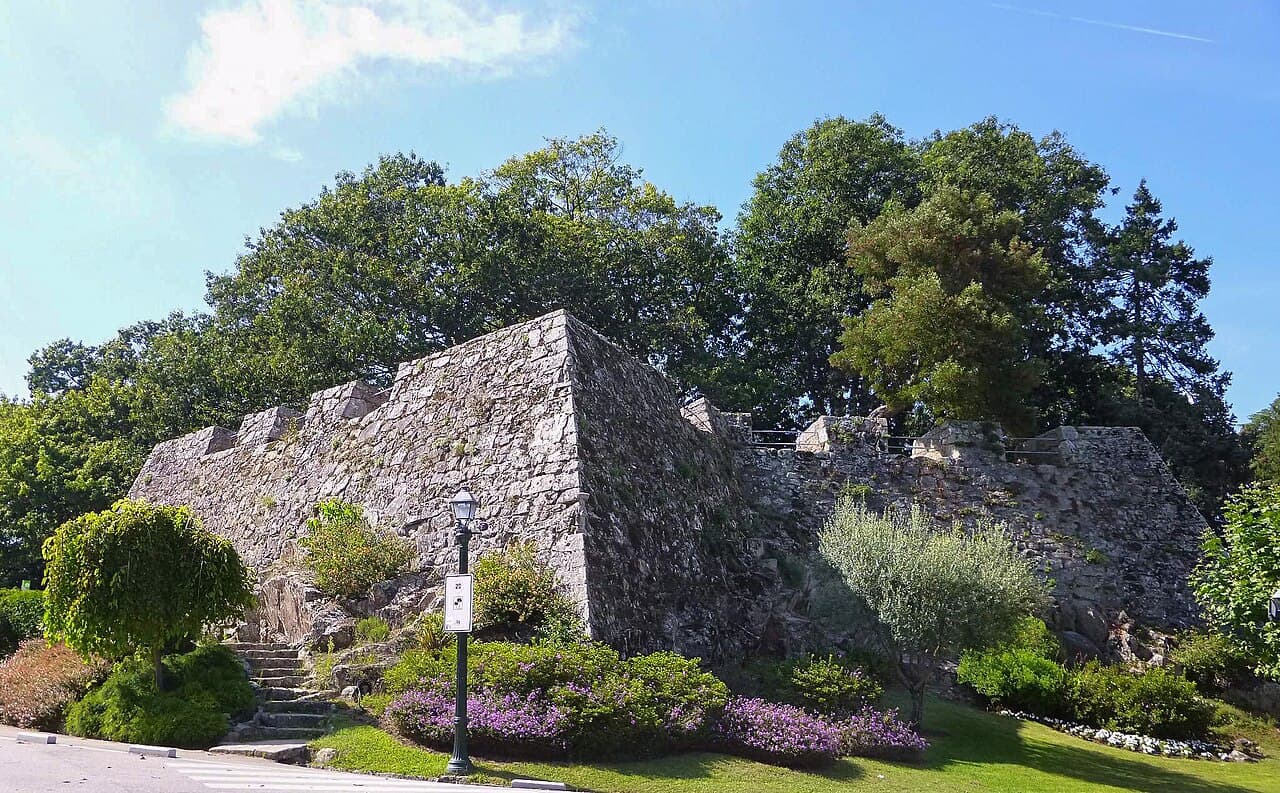
Castro Fortress, also known as Fortaleza del Castro, is a prominent Renaissance bastioned fortress located on a hill overlooking the city of Vigo in the province of Pontevedra, Spain. Constructed in 1665 during the Portuguese Restoration War, the fortress was built by the Spanish Empire to defend the region against frequent raids by the British Royal Navy, who were allied with Portugal at the time. The strategic location on the hill of O Castro provided commanding views of the surrounding area, making it a crucial defensive stronghold for the city.
Historical context and military significance
The fortress was part of a broader defensive system designed to protect Vigo, which included the Fortress of San Sebastián and an irregularly shaped city wall that conformed to the local terrain. This city wall was engineered by Colonel Fernando de Gourannanbergue and Maestre de campo Diego Arias Taboada, who linked the two fortresses to form a continuous defensive perimeter. Despite these efforts, contemporary documents from the 17th century indicate that the defensive system was not fully effective, as it failed to prevent enemy landings along other parts of the coast.
The fortress gained historical prominence during the War of the Spanish Succession, particularly during the Battle of Vigo Bay on 23–24 October 1702. In this battle, a combined fleet of the English Royal Navy and the Dutch States Navy successfully attacked the French and Spanish navies, resulting in the capture of Vigo. The fortress and city were again captured by British forces on 10 October 1719 during the War of the Quadruple Alliance, highlighting its ongoing strategic importance.
Later military engagements and local resistance
In the early 19th century, during the Peninsular War, the fortress was occupied by the French Imperial Army in 1809. However, on 28 March of that year, a popular uprising by the people of Vigo led to the fortress's reconquest by Spanish forces. This act of resistance earned Vigo the honorific title of "the faithful, loyal and courageous city of Vigo" in 1810, recognizing the city's significant role in opposing French occupation.
Architectural features and design
As a bastioned fortress, Castro Fortress features the characteristic angular bastions designed to provide overlapping fields of fire, a common military architectural style during the Renaissance period. The fortress's design incorporates thick stone walls, ramparts, and defensive artillery positions that were intended to withstand sieges and naval bombardments. Its elevated position on the hill allowed defenders to monitor and control access to the city and harbor.
The fortress was integrated into the city's fortifications by connecting walls that followed the natural contours of the terrain, resulting in an irregular but functional defensive perimeter. This adaptation to the orography of Vigo demonstrates the military engineering considerations of the time, balancing natural landscape with man-made defenses.
Current condition and cultural importance
Today, Castro Fortress is well preserved and serves as a popular public park and cultural landmark in Vigo. The site features beautifully maintained gardens, open spaces, fountains, and walking paths that attract both locals and tourists. Visitors can enjoy panoramic views of the city, the estuary, and the Atlantic Ocean, making it a favored spot for leisure and sightseeing.
The fortress's historical significance and architectural features make it an important heritage site that reflects Vigo's military past and its resilience through various conflicts. It stands as a testament to the city's strategic maritime importance and the evolution of fortification design in the region.
Visitor information and accessibility
Castro Fortress is accessible to the public year-round and offers a tranquil environment for walking, photography, and cultural events. Its location within the city makes it easy to reach by foot or local transport. The combination of historical interest and natural beauty provides a unique experience for visitors interested in military history, architecture, and scenic views.
Nearby attractions
Visitors to Castro Fortress can also explore other historical sites in Vigo, such as the Fortress of San Sebastián and the historic old town. The city's maritime heritage is further celebrated in local museums and waterfront areas, enriching the cultural experience of the region.
Frequently asked questions (FAQ)
- How do I get to Castro Fortress in Vigo?
- Castro Fortress is located on a hill in Vigo and is accessible by foot from the city center. Local public transport options and taxis also provide convenient access to the site.
- What is the historical significance of Castro Fortress?
- Built in 1665 during the Portuguese Restoration War, Castro Fortress played a key role in defending Vigo against British naval attacks and saw action in the Battle of Vigo Bay in 1702.
- Can I visit the gardens and open spaces at Castro Fortress?
- Yes, the fortress grounds feature beautifully maintained gardens, fountains, and open spaces that are open to the public for walking and relaxation.
- When is the best time to visit Castro Fortress?
- The fortress is open year-round, but spring and early autumn offer pleasant weather and fewer crowds, making these seasons ideal for visiting.
- Is there an entrance fee to visit Castro Fortress?
- There is no entrance fee; access to Castro Fortress and its gardens is free to the public.

Information
Loading map...
Visitor reviews
No reviews yet. Been here? Write the first review and help other travelers!
Write the first reviewVisited this castle? Share your experience
Your review helps other travelers and adds first-hand knowledge to our encyclopedia.