Castra Deva Victrix
Castra Deva Victrix, commonly known as Deva, was a significant Roman legionary fortress located on the site of the modern city of Chester in the United Kingdom. Established in the 70s AD during the Roman military campaign against the Brigantes tribe, Deva was initially constructed by the Legio II Adiutrix. The fortress was a pivotal military base in the Roman province of Britannia, serving as a strategic point for Roman forces advancing into northern Britain.
The original fortress underwent several phases of reconstruction and expansion, most notably by the Legio XX Valeria Victrix, who rebuilt the site completely over the subsequent decades. In the early 3rd century, the fortress was again extensively rebuilt, reflecting its ongoing military importance. The legion stationed at Deva likely remained until the late 4th or early 5th century, after which the fortress gradually fell into disuse as Roman authority in Britain waned.
Architectural features and layout
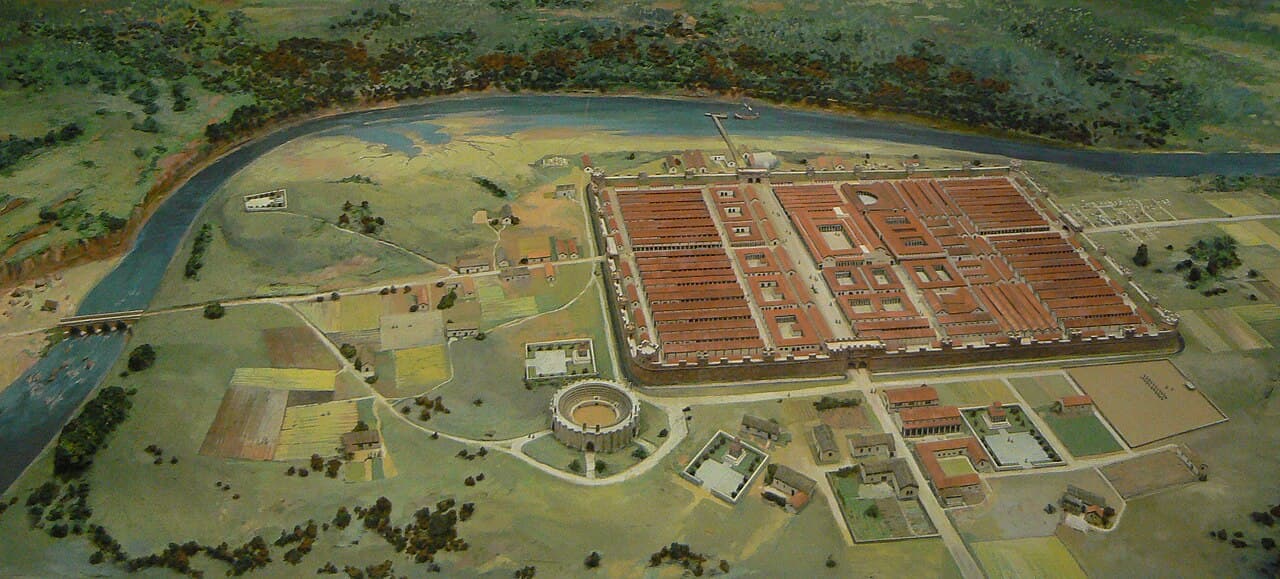
The fortress at Deva Victrix was designed following the typical Roman legionary fortress plan but with some unique elements. It was a large, rectangular stronghold fortified with massive stone walls and bastioned defenses, classifying it as a bastioned fortress. The walls were punctuated by multiple towers and guarded by fortified gates that controlled access to the interior.
Inside the fortress, there were numerous essential military structures, including barracks for the legionaries, granaries for storing food supplies, headquarters buildings (principia), and military baths that served the garrison's hygiene and social needs. One of the more unusual architectural features was an elliptical building whose intended purpose remains uncertain but may have been designed as the headquarters for the governor of Roman Britain had it been completed.
Fortifications and defenses
The fortress's defensive system was robust, featuring thick stone walls reinforced with bastions that allowed defenders to cover the perimeter effectively. The walls were surrounded by a deep ditch or moat, adding another layer of protection against attackers. The gates were heavily fortified and strategically placed to control movement in and out of the fortress, reflecting the military precision of Roman engineering.
Civilian settlement and surrounding areas
Outside the fortress walls, a civilian settlement, known as a canaba, developed to support the military population. This settlement grew into a thriving town with shops, homes, and public buildings that catered to both the soldiers and civilians. Over time, this civilian area expanded and eventually evolved into the present-day city of Chester.
Notable peripheral settlements included Boughton, which supplied water to the garrison, and Handbridge, known for its sandstone quarry and the remarkable Minerva's Shrine. This shrine is particularly significant as the only known in situ, rock-cut Roman shrine in Great Britain, highlighting the religious practices of the Roman occupants.
The roman amphitheatre
One of the most prominent remnants of Roman Deva is the Roman amphitheatre, located to the southeast of the fortress. It is the largest known military amphitheatre in Britain and was likely used for training exercises, military displays, and public entertainment. The amphitheatre's size and preservation offer valuable insights into Roman military culture and social life in the province.
Historical significance and legacy
Deva Victrix played a crucial role in the Roman military strategy in northern Britain, acting as a base for campaigns against local tribes and as a center for administration and control. The fortress's long occupation, from the 1st century through to the early 5th century, marks it as a key site in the Roman presence in Britain.
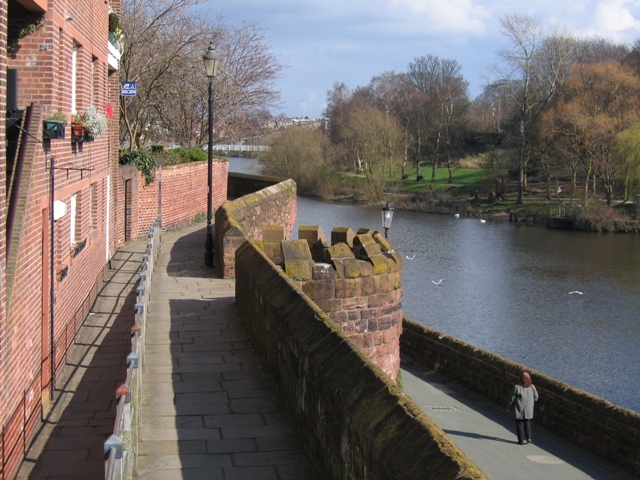
Following the decline of Roman rule, the fortress and its surrounding settlement persisted, influencing the urban development of Chester. The Roman walls and layout provided a foundation for the medieval city, and many Roman structures were repurposed or integrated into later buildings.
Archaeological investigations and preservation
Extensive archaeological excavations at the site have uncovered a wealth of information about Roman military architecture, urban planning, and daily life. The remains of the fortress walls, gates, buildings, and the amphitheatre are important heritage assets protected for public education and tourism.
Today, visitors to Chester can explore these Roman remains, gaining a tangible connection to the city's ancient past. The preservation of Deva Victrix offers a rare glimpse into the scale and complexity of Roman military installations in Britain.
Frequently asked questions (FAQ)
- What is Castra Deva Victrix?
- Castra Deva Victrix is a historic Roman fort located in Chester, United Kingdom. Established around AD 79, it served as a military base for the Roman legions and played a significant role in the Roman conquest of Britain.
- When was Castra Deva Victrix built?
- Castra Deva Victrix was constructed in AD 79 during the Roman invasion of Britain. It was designed to fortify the area and accommodate troops as they expanded Roman influence in the region.
- Can I visit Castra Deva Victrix?
- Yes, Castra Deva Victrix is open to visitors year-round, offering a glimpse into Roman military life and architecture. Guided tours are available, providing insights into the fort's history and significance.
- What are the opening hours for Castra Deva Victrix?
- Typically, Castra Deva Victrix is open from 10 AM to 5 PM daily, although hours may vary during holidays or special events. It's advisable to check the official website for the most current information before your visit.
- Is there an admission fee to enter Castra Deva Victrix?
- Yes, there is an admission fee to visit Castra Deva Victrix, which helps maintain the site. Ticket prices vary, so it’s best to check the official website for the latest pricing and any discounts available for students or families.
- What is the best time to visit Castra Deva Victrix?
- The best time to visit Castra Deva Victrix is during the spring and summer months when the weather is milder and outdoor tours are more enjoyable. Additionally, special events and reenactments often take place during these seasons.
- Is Castra Deva Victrix accessible for individuals with disabilities?
- Yes, Castra Deva Victrix is committed to providing accessibility for all visitors. There are facilities available for individuals with mobility challenges, including ramps and accessible restrooms.
- What nearby attractions can I explore while visiting Castra Deva Victrix?
- While visiting Castra Deva Victrix, you can also explore the Chester Roman Amphitheatre, Chester Cathedral, and the city walls. These sites offer a rich historical context and enhance your overall experience of Chester's Roman heritage.
Photo gallery

Information
Loading map...
Visitor reviews
No reviews yet. Been here? Write the first review and help other travelers!
Write the first reviewVisited this castle? Share your experience
Your review helps other travelers and adds first-hand knowledge to our encyclopedia.