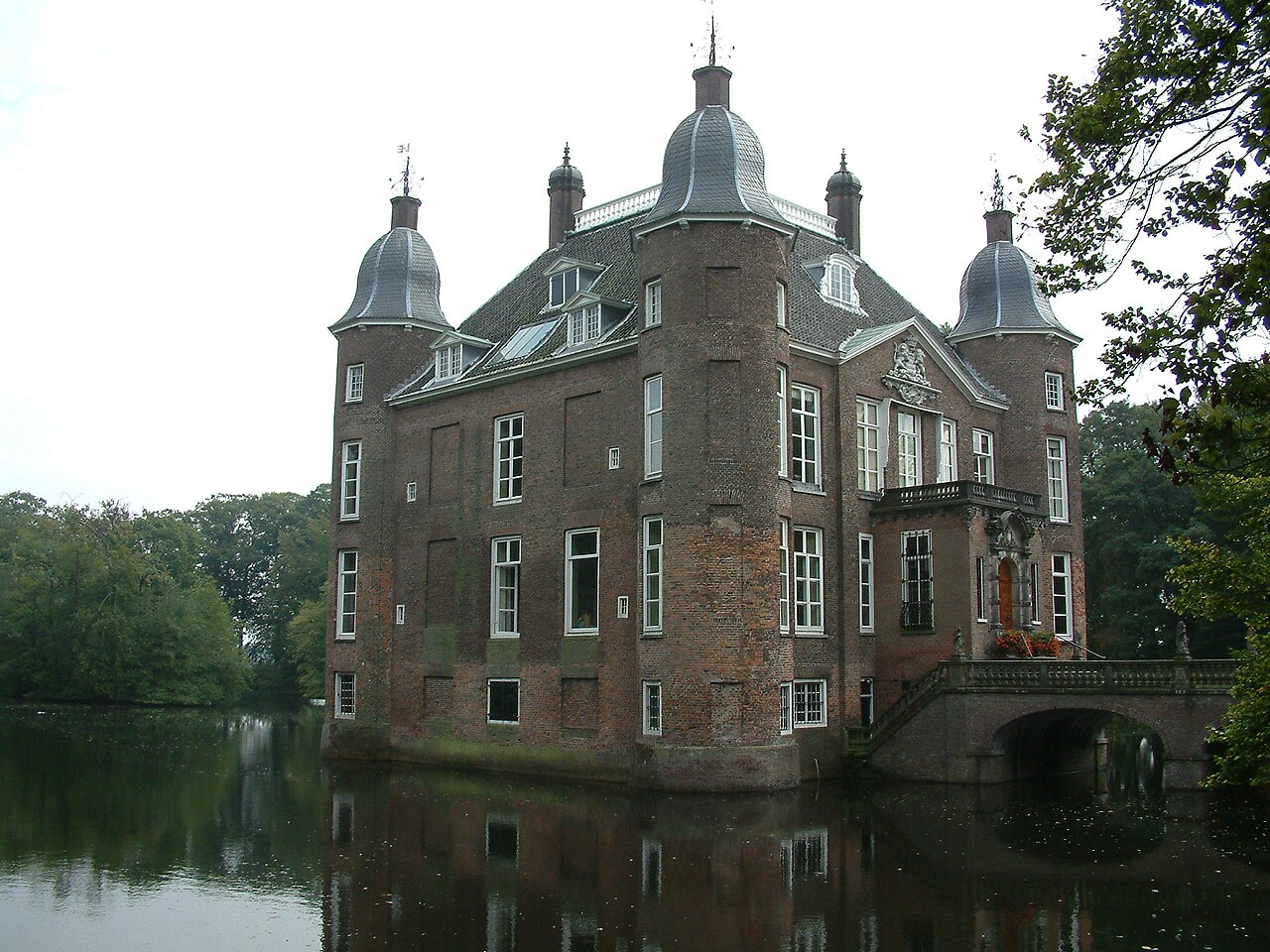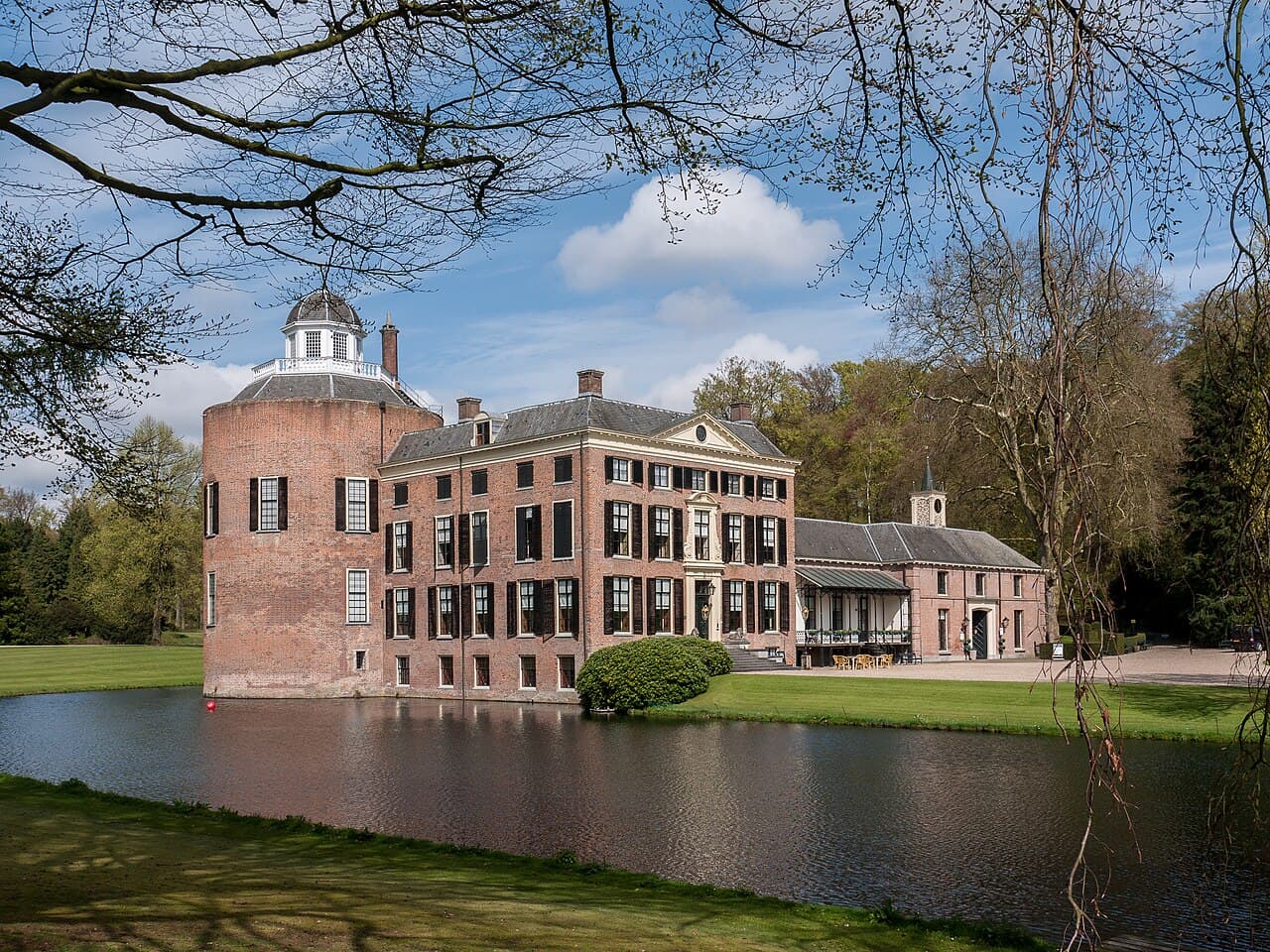
Castle Rosendael's Trick Fountains
Castle Rosendael stands as a remarkable testament to Dutch medieval and early modern aristocratic life, nestled in the scenic region of Gelderland, Netherlands. Known primarily for its well-preserved late-medieval donjon and the enchanting trick fountains in its gardens, the castle offers visitors a unique blend of history, architecture, and landscape design. The castle's origins date back to around 1300, when it became the property of the counts and later dukes of Gelre, a significant noble family in the region. Over centuries, the castle evolved from a formidable fortress into a graceful country estate surrounded by elaborately designed gardens.
The medieval origins and architectural significance
The castle's most striking medieval feature is its round donjon, a massive defensive tower with walls up to four meters thick. This donjon, the tallest of its kind in the Netherlands, originally soared to twice its current height, serving as the last refuge during sieges. It was part of a larger complex that included a forecourt and a main fortress, reflecting typical late-medieval military architecture. The donjon's survival provides invaluable insight into the defensive strategies and residential arrangements of the Gelre dukes, who regularly resided at Rosendael until the 16th century.
The castle's strategic location on the edge of the Veluwe moraine offered natural defenses and scenic views, enhancing its appeal to the dukes. However, the castle's history is marked by significant political events, including the 1502 capture of Arnhem by Philip the Handsome, which led to Duke Charles of Gelre's humiliation and exile in an episode famously called "the prostration of Rosendael." This event precipitated the decline of the castle's status as a ducal residence and eventually led to its mortgage and sale in the early 16th century.
Transformation into a country estate and garden masterpiece
Following its transition from a ducal fortress to a noble residence, Rosendael underwent significant architectural and landscape changes. In 1616, the castle was remodeled, and later in the 18th century, the renowned French landscape architect Daniel Marot designed the gardens that would become famous for their playful and artistic features. Marot's work included the creation of the trick fountains, or De Bedriegertjes, which are cleverly concealed mini fountains embedded in the mosaic floors of the water gardens. These fountains surprise visitors by suddenly spraying water, embodying the whimsical spirit of Baroque garden design.
Alongside the trick fountains, Marot also designed the shell gallery, a unique grotto decorated with shells, and a charming teahouse pavilion. These garden follies contribute to the estate's character, blending the austere medieval architecture with the elegance and leisure of an 18th-century country house. The addition of a square house in 1722 and later expansions, including a side wing and coach house in the 19th century, further transformed Rosendael into a stately home surrounded by beautifully landscaped grounds.
Historical legacy and preservation efforts
Throughout its history, Castle Rosendael witnessed numerous upheavals, including damage during wartime. Despite these challenges, the castle remained a private residence until the death of Baron van Pallandt in 1977. Subsequently, the castle underwent comprehensive restoration in the 1980s, ensuring the preservation of its architectural integrity and garden features for public enjoyment.
Today, the castle is open to visitors who can explore the medieval donjon, admire the original interior furnishings, and stroll through the elaborate gardens featuring the famous trick fountains. The estate serves not only as a cultural heritage site but also as a vivid illustration of the evolution of Dutch noble residences from medieval fortresses to elegant country estates.
Visitor experience and cultural significance
Visitors to Castle Rosendael can immerse themselves in centuries of history, architecture, and landscape artistry. The trick fountains remain a highlight, delighting guests with their unexpected sprays of water, a playful reminder of the Baroque era's love for garden entertainments. The castle's well-preserved interior and furniture offer a glimpse into the lifestyle of the Gelre nobility, while the surrounding park invites leisurely exploration.
Castle Rosendael's blend of medieval fortification and 18th-century garden design makes it a unique destination for those interested in Dutch history, castle architecture, and landscape heritage. Its survival through political turmoil and war, followed by dedicated restoration, underscores its importance as a symbol of regional identity and cultural continuity in Gelderland.
Frequently asked questions (FAQ)
- What is Castle Rosendael's Trick Fountains?
- Castle Rosendael's Trick Fountains is a unique historical castle located in Rozendaal, Netherlands, famous for its elaborate water features and trick fountains. Built in the 17th century, it combines beautiful architecture with playful water displays, making it a popular destination for visitors of all ages.
- When was Castle Rosendael built?
- Castle Rosendael was constructed in the early 17th century, specifically around 1620. The castle showcases the architectural style of that period, reflecting the grandeur and elegance of its time.
- Can I visit Castle Rosendael's Trick Fountains?
- Yes, Castle Rosendael is open to visitors, allowing you to explore its stunning grounds and experience the interactive trick fountains. Guided tours are often available to enrich your visit with historical insights.
- What are the opening hours for Castle Rosendael?
- Castle Rosendael typically opens from 10 AM to 5 PM, but it's advisable to check the official website for any seasonal variations or special events. Planning your visit during regular hours will ensure you have ample time to enjoy all the attractions.
- Is Castle Rosendael accessible for visitors with disabilities?
- Yes, Castle Rosendael strives to be accessible for all visitors, including those with disabilities. The grounds and facilities are designed to accommodate various mobility needs, ensuring everyone can enjoy the beauty of the castle.
- What is the best time to visit Castle Rosendael?
- The best time to visit Castle Rosendael is during the spring and summer months when the gardens are in full bloom and the trick fountains are operational. Visiting during weekdays may also help you avoid larger crowds and enhance your experience.
- Are there any nearby attractions to Castle Rosendael?
- Yes, nearby attractions include the beautiful Veluwezoom National Park, perfect for hiking and nature walks, and other charming towns like Arnhem and Zutphen. Exploring these areas can enrich your visit to Castle Rosendael with additional cultural and natural experiences.
- What are the ticket prices for Castle Rosendael?
- Ticket prices for Castle Rosendael are generally affordable, with discounts available for children and seniors. It's best to check the castle's official website for the most current pricing information and any special promotions.
Photo gallery

Information
Website
Visit websiteSources & official resources
Verify the information above using these authoritative references.
Loading map...
Visitor reviews
No reviews yet. Been here? Write the first review and help other travelers!
Write the first reviewVisited this castle? Share your experience
Your review helps other travelers and adds first-hand knowledge to our encyclopedia.