Biljoen Castle
Biljoen Castle is a remarkable example of a Renaissance-era noble residence located near Velp, nestled between the Veluwe forest and the IJssel river in the province of Gelderland, Netherlands. The castle's origins trace back to a large farmstead known as Broekerhof, first recorded in 1076. Over the centuries, the estate evolved from a tax collection site under the ownership of the Sint-Pieter Chapter in Utrecht into a fortified noble residence that reflects the architectural and historical developments of the region.
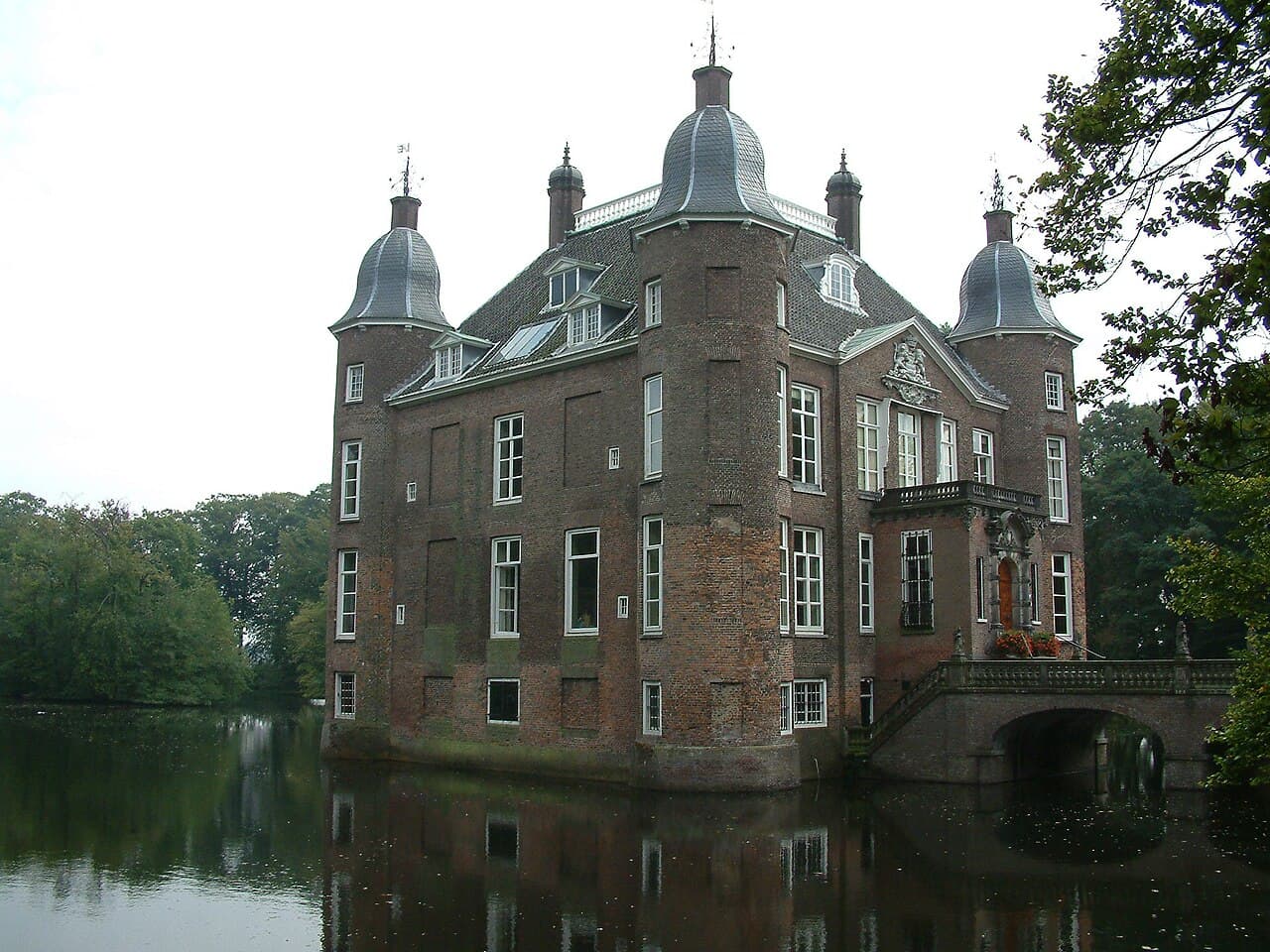
The transformation of the estate into a castle began in 1530 when Charles, Duke of Guelders, converted the farmstead into a defensive stronghold. The construction included the erection of four equal corner towers, a defining feature that remains central to the castle's silhouette. These towers exemplify the military architectural style of the period, designed to provide comprehensive defensive coverage. While the towers date clearly from this initial castle phase, the rest of the building's original elements are less certain due to later modifications and reconstructions.
Historical evolution and ownership
The estate's history is marked by a sequence of ownership changes reflecting the political and social shifts in the region. After its initial establishment as a castle by Charles, Duke of Guelders, financial difficulties forced him to sell the property in 1535. It was acquired by Roelof van Lennep, a general under the Duke, whose family maintained possession through several generations. The Van Lennep family contributed to the castle's development during the 16th century, with notable owners including Carl van Lennep, mayor of Arnhem, and his son Roelof.
In 1661, the castle passed to the baronial Van Spaen family, who were instrumental in shaping its current appearance. Alexander van Spaen (1619–1692) undertook significant rebuilding efforts, transforming the castle into a more refined residence while preserving the four corner towers. This period saw the castle evolve from a primarily defensive structure into a stately home reflecting Renaissance ideals of symmetry and proportion.
Architectural features and style
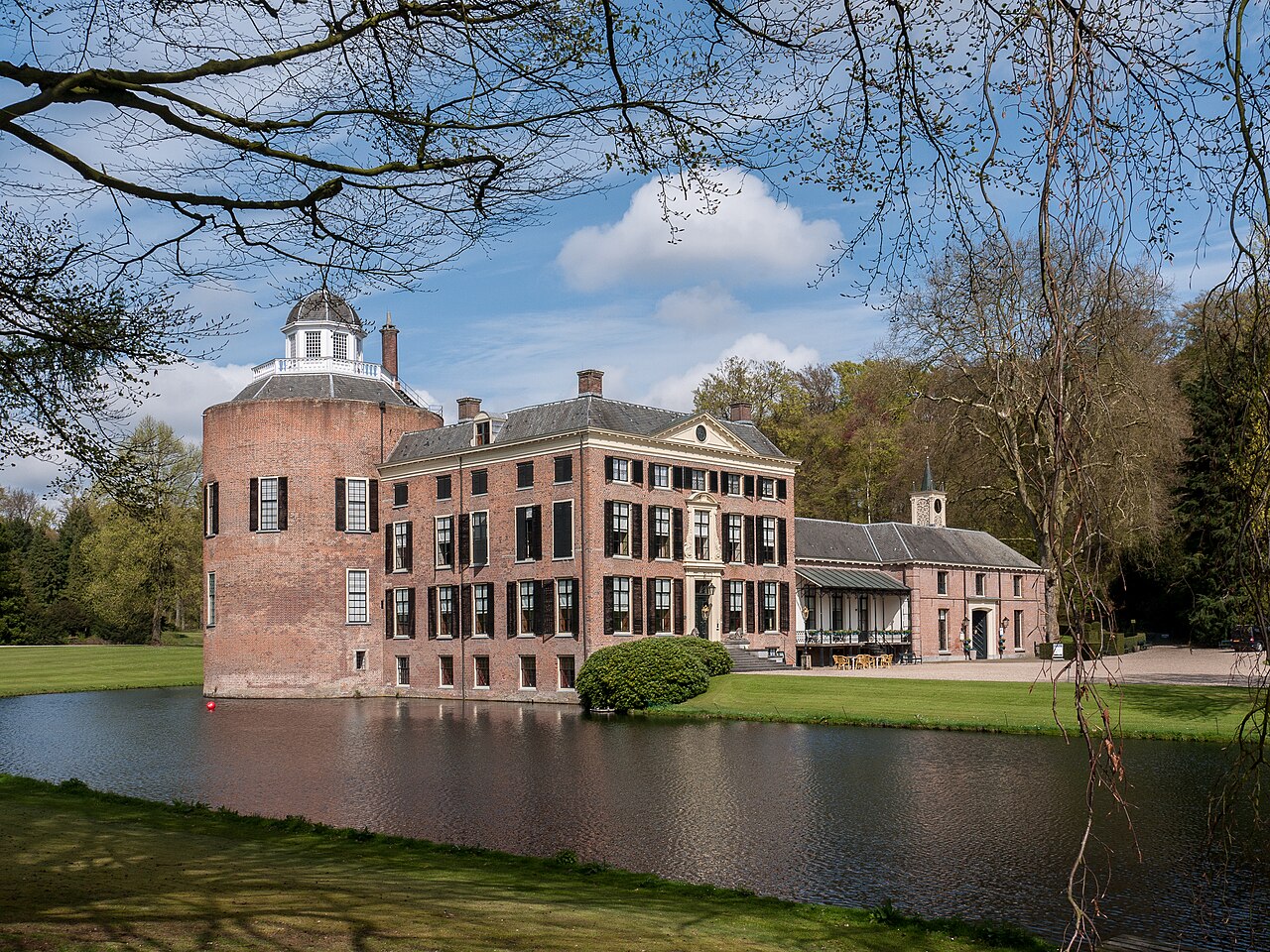
Biljoen Castle is characterized by its symmetrical layout centered around the four equal corner towers, which are emblematic of its Renaissance heritage. The towers are robust and square, designed for defense but also contributing to the castle's imposing aesthetic. The main building between the towers has undergone various renovations, blending original Renaissance elements with later stylistic additions.
The castle's walls are constructed from local brick and stone, typical of Dutch Renaissance architecture, incorporating ornamental details such as decorative gables and window frames. Inside, the castle features richly decorated interiors, including ornamental plasterwork and ceiling paintings that were restored following damage during the late 18th century.
18th-century renovations and restorations
During the 18th century, the Van Spaen family further remodeled Biljoen Castle, enhancing its residential comfort and aesthetic appeal. These renovations included the addition of refined interior decorations and structural improvements that aligned with contemporary tastes. The castle’s interiors were notably damaged when French troops were quartered there in 1795, and subsequent plundering led to the loss of much original decor.
The restoration efforts after this period focused on recovering the castle’s grandeur, with particular attention to ornamental plaster and ceiling paintings that reflect the artistic styles of the time. These restorations have preserved the castle's historical ambiance, allowing visitors to appreciate its layered history.
Notable historical events and later ownership
Biljoen Castle has witnessed significant historical events, including its use by French troops during the revolutionary wars in the late 18th century. The occupation led to considerable damage, but the castle's resilience and the dedication of its owners ensured its survival and restoration.
In the 19th century, the castle gained prominence when Anna Pavlovna of Russia, queen consort of the Netherlands, was allowed temporary residence there by Baron Van Hardenbroek in 1849. This royal connection highlights the castle’s status as a prestigious noble estate.
The castle remained in private hands, passing to the family Lüps in 1872, who maintained it until 2008. Throughout its history, Biljoen Castle has balanced its roles as a defensive structure, noble residence, and cultural landmark.
The estate and surroundings
The castle is set within the expansive Biljoen estate, which includes landscaped gardens and parkland that enhance its picturesque setting. The estate's location between the Veluwe, a large forested area, and the IJssel river contributes to its strategic and scenic value. The surrounding landscape has influenced the castle’s design, with features such as moats and defensive walls adapted to the terrain.
Today, Biljoen Castle stands as a well-preserved example of Dutch Renaissance architecture, offering insights into the region’s feudal past and noble heritage. Its combination of military and residential architectural elements makes it a significant cultural and historical monument in Gelderland.
Visiting Biljoen castle
While Biljoen Castle is primarily a private residence, its historical significance and architectural beauty attract interest from historians, architects, and visitors. The castle exemplifies the evolution of noble residences in the Netherlands from the medieval period through the Renaissance and into modern times.
Visitors interested in Dutch castle architecture and history will find Biljoen Castle a fascinating case study of adaptation and preservation. Its four corner towers, Renaissance style, and rich history provide a compelling narrative of noble life and military architecture in Gelderland.
Frequently asked questions (FAQ)
- What is the historical significance of Biljoen Castle?
- Biljoen Castle, located in Velp, Netherlands, dates back to the 14th century and is an important example of medieval architecture. It has served various roles throughout history, including as a noble residence and a military stronghold, reflecting the region's rich heritage.
- When was Biljoen Castle built?
- Biljoen Castle was originally constructed in the late 14th century, with significant renovations occurring in the 19th century. This blend of historical periods can be seen in its architecture, showcasing both medieval and neoclassical influences.
- Can I visit Biljoen Castle?
- Yes, Biljoen Castle is open to the public, offering guided tours that explore its history and architecture. Visitors can enjoy the beautiful gardens and surrounding landscapes, making it a perfect spot for a day out.
- What are the opening hours for Biljoen Castle?
- Biljoen Castle is typically open to visitors from Tuesday to Sunday, with tours available from 10 AM to 5 PM. It's advisable to check their official website for any seasonal changes or special events that may affect visiting hours.
- Is Biljoen Castle accessible for visitors with disabilities?
- Yes, Biljoen Castle strives to accommodate all visitors, including those with disabilities. The grounds are designed to be accessible, though some historical features may present challenges; it's best to contact the castle in advance for specific arrangements.
- What is the best time to visit Biljoen Castle?
- The best time to visit Biljoen Castle is during the spring and early autumn when the gardens are in full bloom and the weather is pleasant. Additionally, the castle often hosts special events during these seasons, enhancing the visitor experience.
- Can I find nearby attractions when visiting Biljoen Castle?
- Absolutely! Biljoen Castle is located close to several attractions, including the beautiful Veluwe National Park and the charming town of Arnhem. Visitors can easily combine their trip to the castle with nearby sightseeing opportunities.
- What are the ticket prices for Biljoen Castle?
- Ticket prices for Biljoen Castle vary depending on age and tour options, typically ranging from €8 to €12 for adults. Discounts may be available for children, students, and seniors, so be sure to check their website for the most current pricing information.
Photo gallery

Information
Website
Visit websiteSources & official resources
Verify the information above using these authoritative references.
Loading map...
Visitor reviews
No reviews yet. Been here? Write the first review and help other travelers!
Write the first reviewVisited this castle? Share your experience
Your review helps other travelers and adds first-hand knowledge to our encyclopedia.