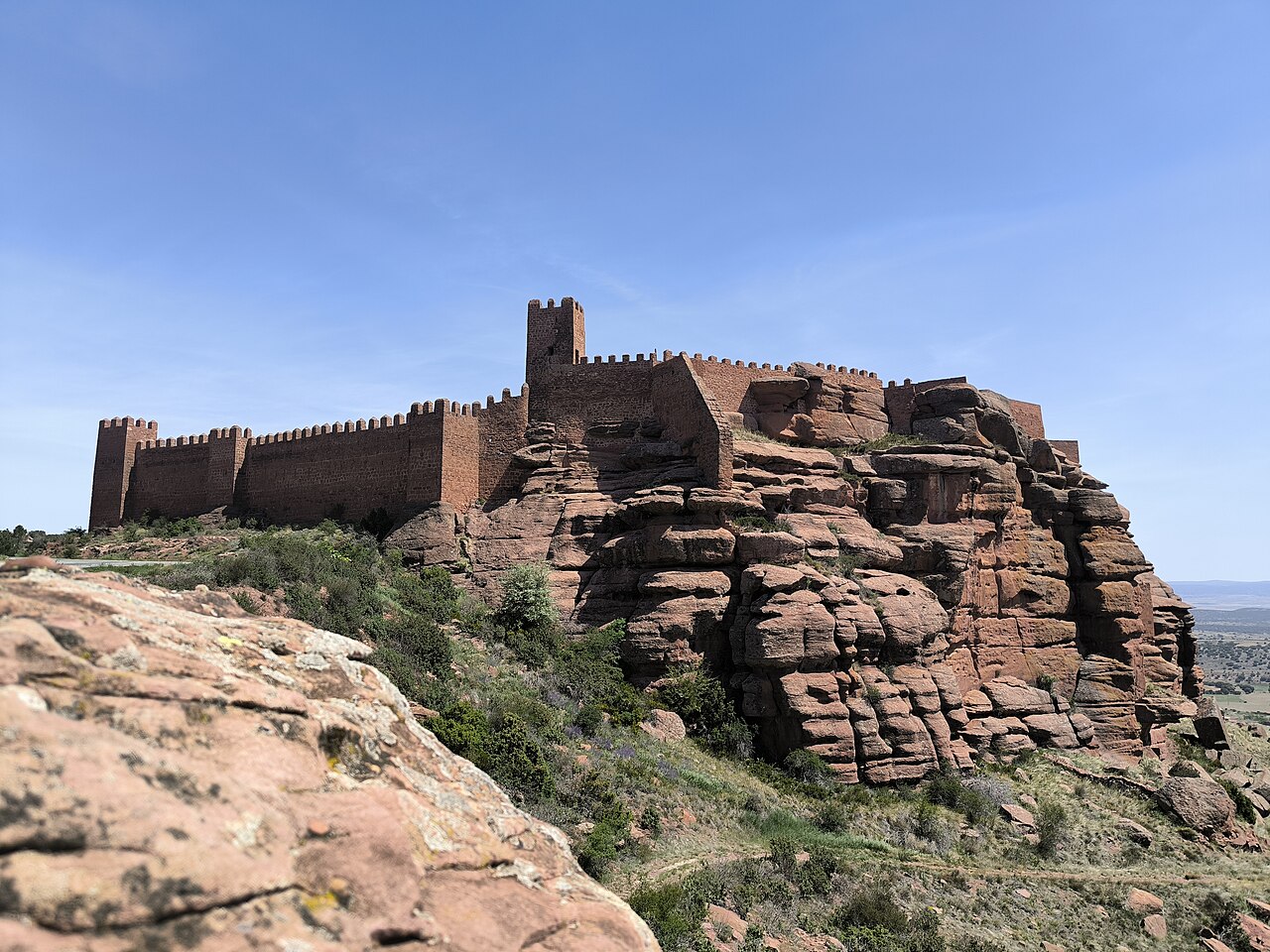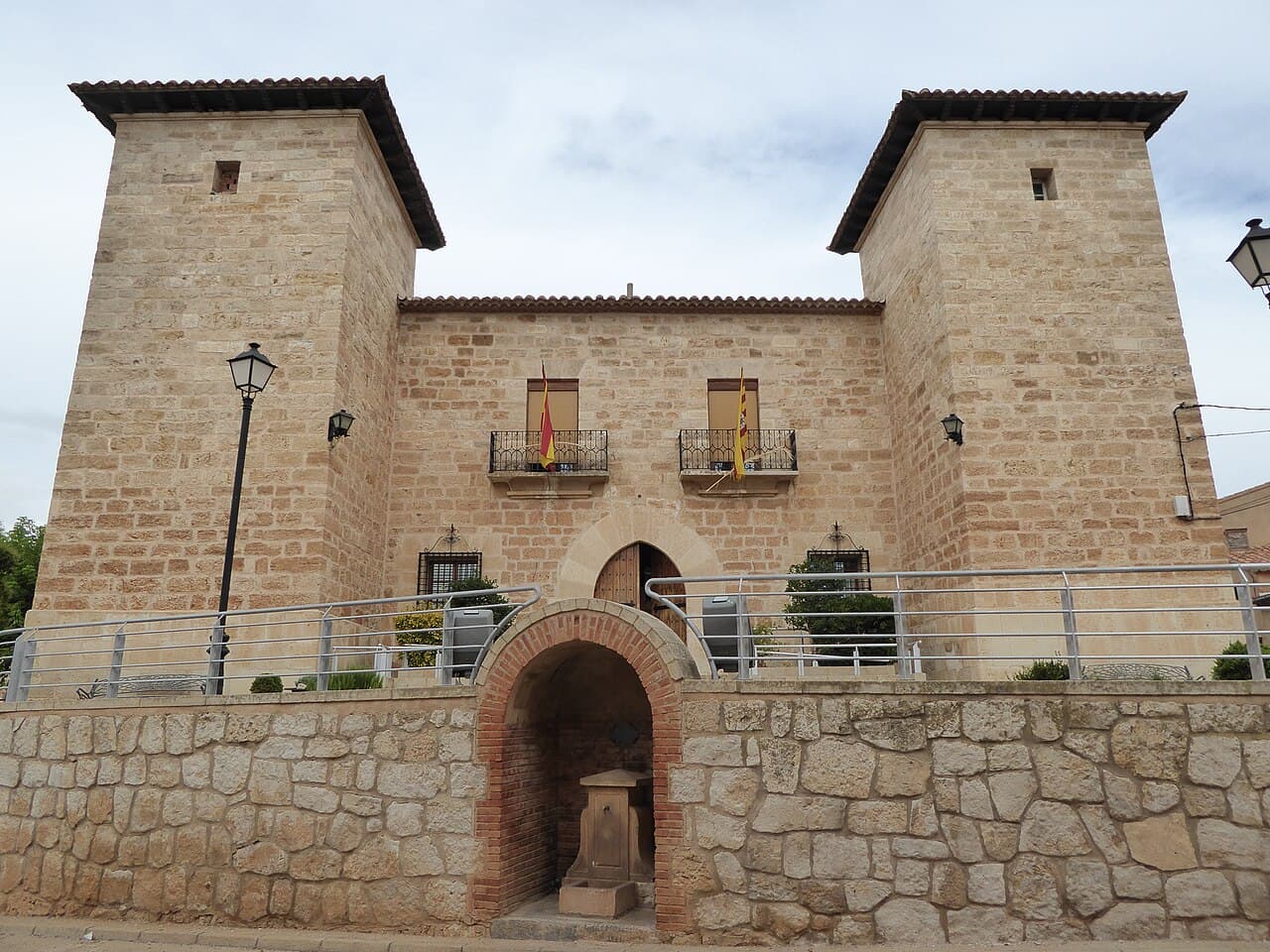
The castle-palace of Celadas is a notable example of a 14th-century hill castle located in Spain. This late medieval fortress combines the defensive features of a traditional castle with the residential comforts of a palace, reflecting the dual purpose of many noble residences during this period. Positioned strategically on elevated terrain, the castle-palace was designed to oversee and control the surrounding landscape, a common feature of hill castles which provided both military advantage and status symbol.
Historical context and significance
The construction of the castle-palace of Celadas in the 14th century places it within the turbulent era of the late medieval period in Spain. This century was marked by numerous conflicts, including the Reconquista efforts and internal noble disputes. Castles like Celadas were crucial for local lords to assert control over their territories and protect their interests against rival factions and external threats.
While specific historical records about the castle-palace of Celadas are limited, its architectural features and location suggest it was an important seat of power for a noble family or local ruler. Its dual function as a fortified residence indicates a blend of military and domestic architecture, typical of the period when castles began evolving from purely defensive structures into more comfortable noble homes.
Architectural features and design
Fortifications and defensive elements
The castle-palace of Celadas exhibits typical late medieval defensive architecture. Its elevated position on a hill provided natural protection and a commanding view of the surrounding area. The castle likely features thick stone walls, battlements, and possibly a keep or donjon serving as the last line of defense. The entrance would have been fortified, potentially with a gatehouse and defensive towers to control access.
Additional defensive features may have included arrow slits for archers, machicolations for dropping projectiles on attackers, and a surrounding moat or ditch, although specific details require further archaeological confirmation.
Residential and palace elements
As a castle-palace, the structure would have included residential quarters designed for comfort and status. These might encompass a great hall for gatherings and ceremonies, private chambers for the lord and family, and service areas such as kitchens and storerooms. Architectural elements like large windows, decorative stonework, and possibly a chapel would reflect the castle's role as a noble residence as well as a fortress.
Cultural and heritage importance
The castle-palace of Celadas represents an important cultural artifact from the late medieval period in Spain. It illustrates the architectural transition from purely military castles to more complex structures serving both defense and domestic needs. This duality is significant for understanding the social and political landscape of medieval Spain, where noble families balanced the need for protection with the desire for comfortable living spaces.
Preservation of such sites is crucial for historical study and tourism, offering insights into medieval life, architecture, and regional history. The castle-palace of Celadas, though less famous than some Spanish fortresses, contributes to the broader narrative of medieval fortifications and noble residences in the Iberian Peninsula.
Current condition and visitor information
The current physical condition of the castle-palace of Celadas is not extensively documented, but as a hill castle from the 14th century, it may be in a state ranging from partially preserved to ruins. Visitors interested in medieval architecture and Spanish history may find the site valuable for exploration and study.
Access to the castle-palace might be limited depending on its preservation status and ownership. Potential visitors should seek local information regarding opening hours, guided tours, and any restrictions. The site’s elevated location offers scenic views, adding to its appeal as a historical destination.
Architectural comparison and legacy
The castle-palace of Celadas can be compared to other late medieval hill castles in Spain that served as both fortresses and noble residences. Its architectural style and construction methods reflect the broader trends of the 14th century, including the integration of defensive features with residential comfort.
This castle-palace contributes to the understanding of how medieval Spanish nobility adapted their residences to changing political and military circumstances. Its legacy lies in its representation of the multifaceted role castles played during the late medieval period.
Frequently asked questions (FAQ)
- How do I get to the Castle-Palace of Celadas?
- The Castle-Palace of Celadas is easily accessible by car or public transport. If you are driving, there are designated parking areas nearby. Public transport options include local buses that connect to major cities in the region.
- What is the historical significance of the Castle-Palace of Celadas?
- The Castle-Palace of Celadas dates back to the 14th century and showcases the rich history of the region during the medieval period. It served as a strategic fortification and later as a residence for nobility, reflecting the architectural styles of its time. Today, it stands as a testament to Spain's cultural heritage.
- When was the Castle-Palace of Celadas built?
- The construction of the Castle-Palace of Celadas began in the late 1300s and was completed over the following decades. Its design incorporates elements typical of Gothic architecture, which was prevalent during that era. The castle has undergone various renovations to preserve its historical integrity.
- Can I take a guided tour of the Castle-Palace of Celadas?
- Yes, guided tours are available for visitors who wish to learn more about the history and architecture of the Castle-Palace of Celadas. These tours are led by knowledgeable guides who provide fascinating insights and stories. It is recommended to book your tour in advance to ensure availability.
- Why is the Castle-Palace of Celadas a popular tourist destination?
- The Castle-Palace of Celadas attracts visitors due to its stunning architecture, rich history, and picturesque surroundings. Its strategic location offers breathtaking views of the landscape, making it a perfect spot for photography. Additionally, the castle hosts various cultural events and exhibitions throughout the year.
- Is it possible to visit the Castle-Palace of Celadas with children?
- Absolutely! The Castle-Palace of Celadas is family-friendly and offers a range of activities suitable for children. Kids will enjoy exploring the castle grounds and learning about its history in an engaging way. There are also designated areas for picnics and relaxation.
- What are the opening hours for the Castle-Palace of Celadas?
- The Castle-Palace of Celadas is open to visitors from 10 AM to 6 PM daily, with extended hours during the summer months. It is advisable to check for any seasonal changes or special closures before planning your visit. Ticket sales typically stop one hour before closing time.
- What are the ticket prices for the Castle-Palace of Celadas?
- Ticket prices for the Castle-Palace of Celadas are generally affordable, with discounts available for students, seniors, and children. Adult tickets are priced at around €10, while children under 12 often enter for free. Group discounts may also apply, so it's worth inquiring if you're visiting with a larger party.
- What nearby attractions can I visit after the Castle-Palace of Celadas?
- After visiting the Castle-Palace of Celadas, you can explore the charming local villages and enjoy the natural beauty of the surrounding countryside. Nearby attractions include the historic town of Cuenca and several hiking trails that offer stunning views. Local restaurants and shops also provide a taste of authentic Spanish culture.
Photo gallery

Information
Loading map...
Visitor reviews
No reviews yet. Been here? Write the first review and help other travelers!
Write the first reviewVisited this castle? Share your experience
Your review helps other travelers and adds first-hand knowledge to our encyclopedia.