Castillo de Singra
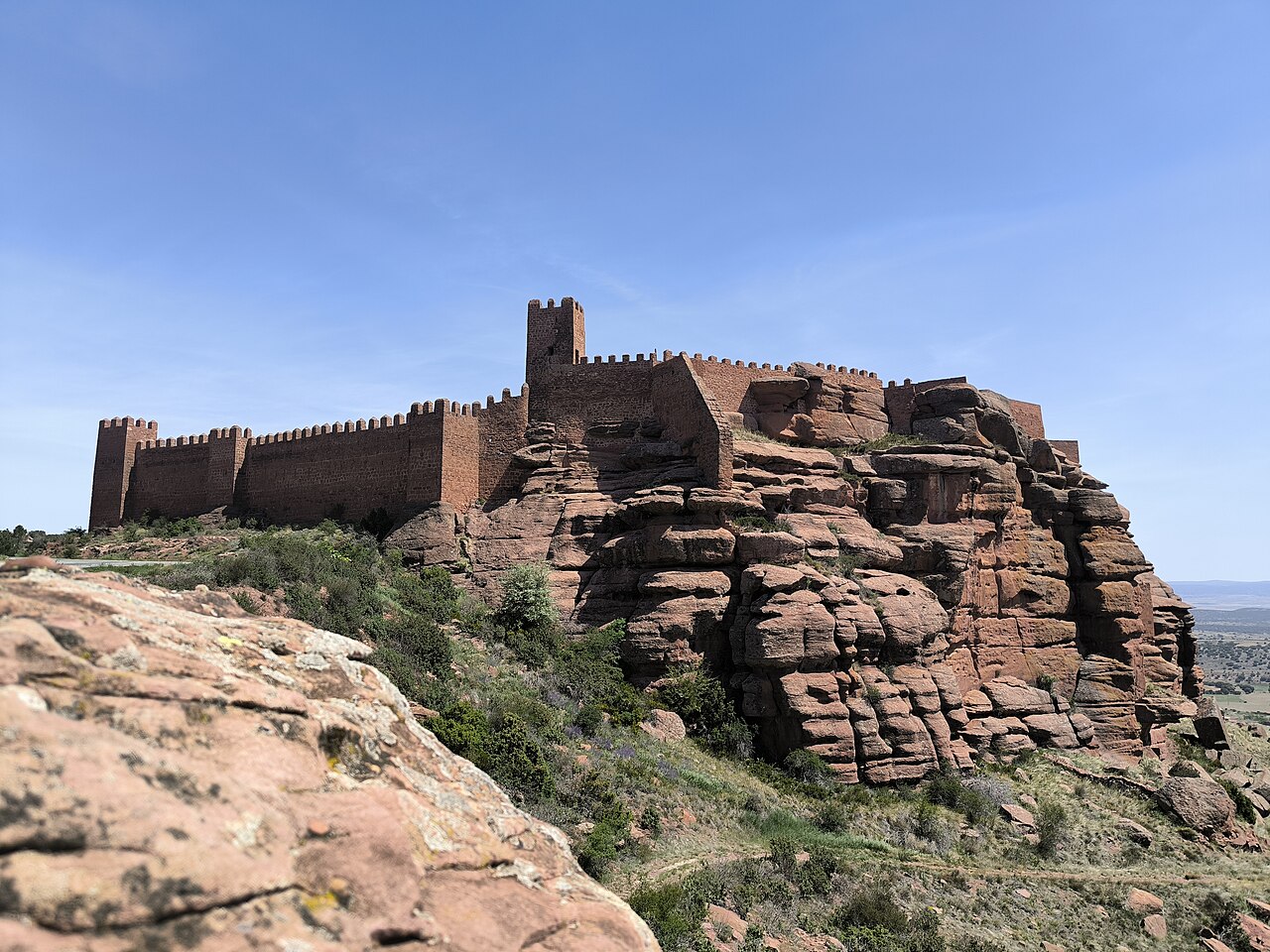
The Castillo de Singra is a prominent example of a medieval hill castle located near the village of Singra in the region of Aragón, Spain. Perched at an elevation of 1,057 meters, this fortress was strategically positioned to oversee and control the surrounding territory, particularly during periods of intense conflict along the borderlands between the Christian kingdoms and Muslim territories. The castle’s history reflects the turbulent dynamics of the Reconquista and later medieval warfare in the Iberian Peninsula.
Historical background and strategic significance
Constructed following the reconquest of the region by Alfonso I of Aragón, the Castillo de Singra was part of a broader effort to consolidate Christian control over formerly Muslim-held lands. Alfonso I’s military campaigns in the early 12th century led to the capture of this territory, after which he granted the village and its surrounding lands initially to the monastery of San Juan de la Peña, and subsequently in 1128 to the monastery of Montearagón. This transfer was intended to ensure the fortification and defense of the area, reflecting the castle’s role as a defensive stronghold in a contested border zone.
Following Alfonso I’s death, the castle’s strategic importance fluctuated due to succession disputes and temporary Muslim reconquest of the southern Jiloca area. This led to a period of abandonment and diminished military use. However, by the 14th century, the castle regained prominence amid the ongoing border conflicts between the kingdoms of Aragón and Castilla. In 1338, King Pedro IV of Aragón authorized repairs to the castle, financing these through local resources such as mills, indicating the castle’s continued military and administrative value.
By 1344, ownership of the castle had transitioned to the collective community of villages of Daroca, marking a shift from direct royal control to local governance. During the War of the Two Peters (1356–1366), a conflict between Aragón and Castilla, the castle formed part of a second defensive line in the Jiloca valley. Its position allowed it to communicate visually with neighboring castles and watchtowers, creating a network of fortifications designed to monitor and repel enemy advances. In 1358, King Pedro I of Castilla launched attacks on the surrounding region, anticipating sieges on Singra and nearby fortresses.
The castle’s role evolved over time, and in 1500 it was acquired by the local mayor, signaling its transition from a royal fortress to a civil asset. In the 19th century, the castle attracted royal attention when King Fernando VII visited the site on April 13, 1814. However, the castle suffered significant damage during the Carlist Wars later that century, which profoundly affected its structural integrity and left it largely in ruins.
Architectural features and surviving elements
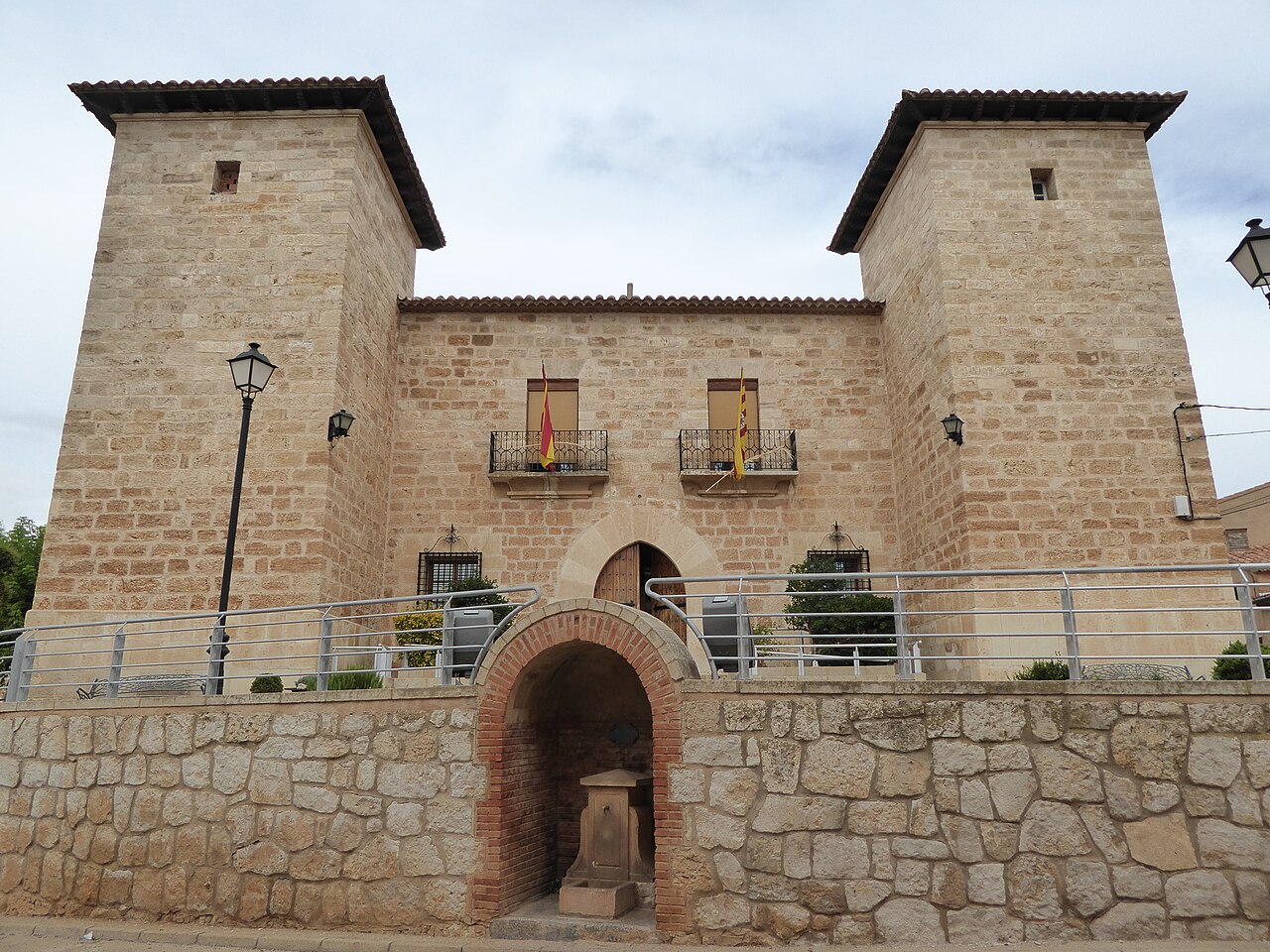
The original Castillo de Singra was characterized by a rectangular enclosing wall that surrounded a similarly rectangular main building topped by a prominent tower. This tower, which has been preserved and repurposed as the bell tower of the local parish church, is the sole surviving element of the castle. Its design bears resemblance to the church’s bell tower, reflecting the adaptive reuse of military architecture for ecclesiastical purposes.
Within the castle’s enclosure, there was an aljibe, an underground cistern used to store water, demonstrating the importance of self-sufficiency during sieges. Additionally, an underground gallery connected the castle to the village below, likely serving as a secret passage for communication or escape in times of danger.
The surviving tower retains defensive architectural features, including arrow slits (saeteras), which are narrow vertical openings designed for archers to defend the fortress while remaining protected. These features highlight the military origins of the structure, even as its function has shifted over centuries.
The castle’s hillside location afforded extensive views over the Jiloca valley, providing early warning of approaching forces and allowing coordination with nearby fortifications. A geodetic vertex near the ruins marks a modern geographical reference point, underscoring the site’s continued significance in the landscape.
Castillo de Singra in the context of medieval border defenses
The castle’s placement and history illustrate the complex network of fortifications that defined the borderlands between Christian and Muslim territories during the High and Late Middle Ages. Its role as part of a second defensive line during the War of the Two Peters exemplifies how castles were integrated into broader military strategies, providing both surveillance and refuge.
The castle’s transfer to local village communities in the 14th century reflects the changing nature of territorial control and the decentralization of power from monarchs to local authorities. This transition also suggests a shift in the castle’s function from purely military to administrative and civil uses.
Later history and current condition
After its acquisition by the local mayor in 1500, the castle gradually lost its military importance, reflecting broader changes in warfare and political structures. The visit by King Fernando VII in 1814 indicates the site’s continued symbolic significance, even as its physical condition declined.
The destruction during the Carlist Wars in the 19th century left the castle in a state of ruin, with only the tower surviving as a visible reminder of its past. Today, the site remains an important cultural and historical landmark, offering insights into the region’s medieval military architecture and the layered history of Aragón’s borderlands.
The castle ruins, with their combination of military and ecclesiastical architecture, provide a compelling narrative of adaptation and survival. Visitors can appreciate the strategic location, the defensive features of the tower, and the historical context that shaped the castle’s evolution over centuries.
Visiting and cultural significance
While the Castillo de Singra is largely in ruins, its remains are accessible and offer a tangible connection to the medieval past of Aragón. The site’s elevated position provides panoramic views of the surrounding countryside, making it a point of interest for history enthusiasts, hikers, and those interested in medieval architecture.
The transformation of the surviving tower into a parish church bell tower exemplifies the integration of historical military structures into community life. This dual identity enhances the cultural value of the site, linking heritage preservation with ongoing local traditions.
Overall, the Castillo de Singra stands as a testament to the strategic, architectural, and historical complexity of medieval castles in Spain, reflecting both their martial origins and their enduring legacy in the cultural landscape.
Frequently asked questions (FAQ)
- When was Castillo de Singra built and by whom?
- Castillo de Singra was constructed after Alfonso I of Aragón reconquered the territory in the early 12th century, with fortification efforts led by local monastic orders.
- What architectural features remain at Castillo de Singra?
- The most notable surviving feature is the castle's tower, now serving as the local parish church bell tower, which retains defensive elements such as arrow slits.
- What was the strategic role of Castillo de Singra during medieval conflicts?
- The castle served as a defensive stronghold in the contested borderlands between Aragón and Castilla, forming part of a network of fortifications during the War of the Two Peters.
- Can visitors access the ruins of Castillo de Singra today?
- Yes, the ruins are accessible and offer panoramic views of the surrounding landscape, though the site is largely in ruins with limited preserved structures.
- Why is the castle's tower significant today?
- The tower's conversion into a church bell tower demonstrates the adaptive reuse of medieval military architecture and preserves important historical and architectural features.
Information
Website
Visit websiteSources & official resources
Verify the information above using these authoritative references.
Loading map...
Visitor reviews
No reviews yet. Been here? Write the first review and help other travelers!
Write the first reviewVisited this castle? Share your experience
Your review helps other travelers and adds first-hand knowledge to our encyclopedia.