Castle of Villahermosa del Río
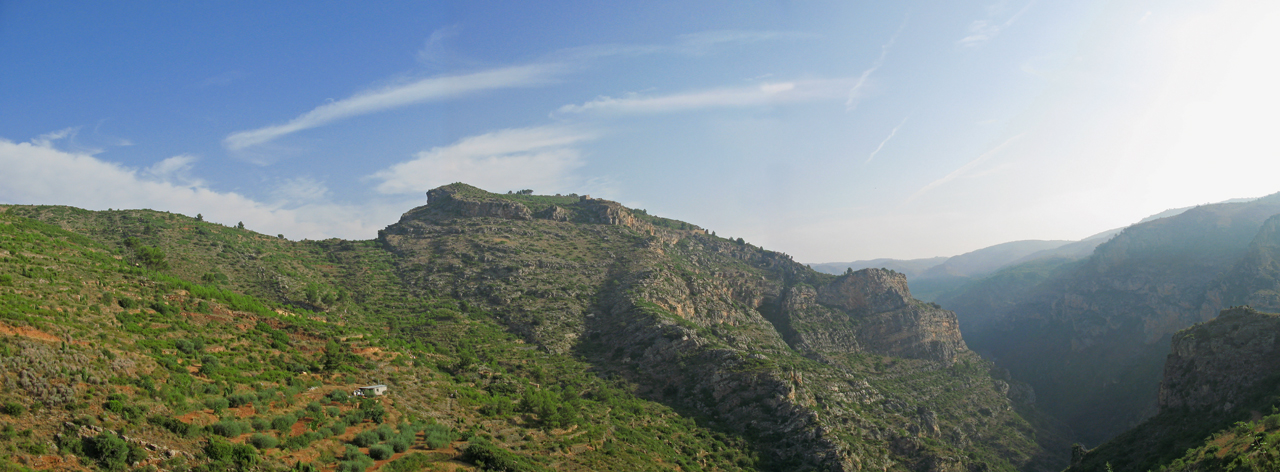
The Castle of Villahermosa del Río is a significant medieval fortress located in the municipality of Villahermosa del Río, Spain. Constructed in the 13th century during the period of Muslim rule, the castle stands prominently on a hilltop known locally as “La Muela” or “la Mola.” This strategic position overlooks a bend of the river Villahermosa and commands views over the surrounding landscape, making it a vital defensive and administrative site throughout its history.
The castle's origins are closely tied to the Arab leader Zayd Abu Zayd, who likely initiated its construction. The settlement around the castle developed from Arab roots, reflecting the Islamic architectural and military influences of the time. Following the Christian Reconquest led by King Jaime I of Aragon, the fortress and its surrounding lands underwent significant demographic and political changes. The area was repopulated with inhabitants from the nearby Castle of Villamalefa, reshaping the cultural landscape under Christian rule. Subsequently, the castle became royal property under the Crown of Aragon, emphasizing its importance in regional governance.
Historical significance and political role
During the 13th century, the castle was central to regional power struggles, including conflicts involving the Arenós family lineage. It served as a symbol of feudal authority and military strength. In the 15th century, the castle was involved in tensions surrounding Jaime of Aragon, who opposed the crown, highlighting the fortress's continued strategic relevance.
The early 18th century marked a turning point when the castle suffered severe damage due to a major fire during the War of Spanish Succession. This event left the fortress largely in ruins and diminished its military function. However, the castle experienced a brief revival in the 19th century during the Carlist Wars. Particularly in the First Carlist War, restoration efforts were undertaken, and the castle regained military importance. In the Second Carlist War (1873–1875), it served as the headquarters for the Carlist Deputation of the Center, underscoring its strategic value in regional conflicts.
Following the Carlist Wars, the fortress gradually fell into disrepair. Over time, much of its stone was repurposed for local construction, contributing to its current ruinous state. Some parts of the castle were integrated into private homes within the town, preserving fragments of its medieval past within modern structures.
Architectural features and layout
The castle occupies a hilltop site characterized by a roughly rectangular layout divided into two main enclosures, each surrounded by defensive walls. These walls enclosed the local population and were fortified with albarrana towers, a distinctive feature of Islamic military architecture. These detached towers were connected to the main walls by bridges or walls, designed to enhance the fortress's defensive capabilities by allowing flanking fire and increased protection.
Two identical towers, known as El Tamborete and the Torre del Homenaje (keep tower), were among the castle's most notable structures. Positioned between these towers was a drawbridge, which served as the main entrance to the fortified enclosures. This arrangement reflects sophisticated medieval defensive design, combining natural and man-made fortifications.
The fortress was strategically situated at the confluence of two rivers, the Major and the Carbo, utilizing the natural cliffs that surrounded it on all sides except the north. This natural topography provided a formidable barrier against attackers, complementing the castle's man-made defenses.
The castle's fortifications also included large gate towers, locally called torrasses, which guarded access points into the town and the inner castle areas. Although much of the fortress has succumbed to ruin, visible sections of the defensive walls remain integrated into the town's streetscape. Remnants of the grand towers and the main gate tower, which once served as the primary entrance, are still observable today.
Preservation and modern integration
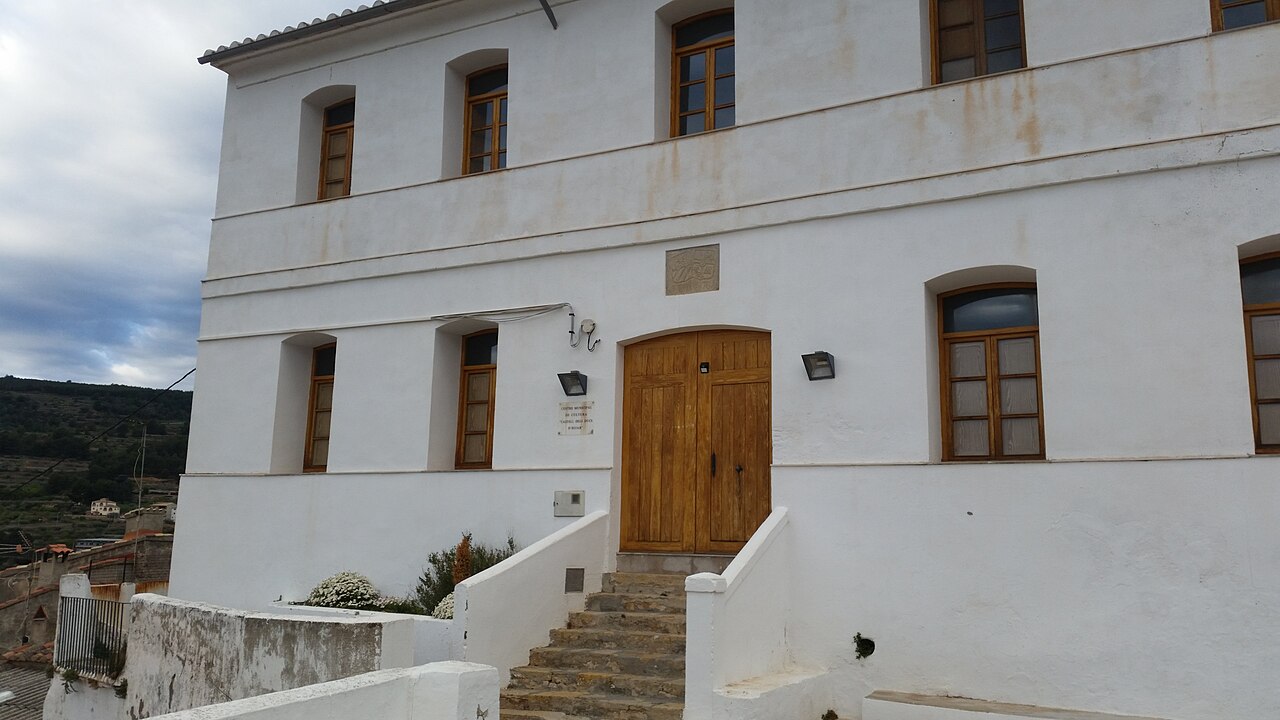
In recent centuries, parts of the castle's structural elements have been incorporated into private properties within Villahermosa del Río. Some owners have undertaken restoration efforts on these fragments, adapting them for residential use while preserving traces of the original medieval construction. This integration of historic fabric into modern buildings provides a tangible connection to the castle's past.
Despite its largely ruinous condition, the castle remains a significant cultural and historical landmark. Its surviving features offer valuable insights into medieval military architecture and the complex history of the region. The castle's position, architectural design, and historical role underscore its importance as a symbol of the shifting political and military landscape of medieval Spain.
The castle in the context of regional history
The Castle of Villahermosa del Río is emblematic of the broader historical processes that shaped the Iberian Peninsula during the Middle Ages. Its origins in the Muslim period and subsequent transformation under Christian rule reflect the dynamic cultural and political changes of the era. The castle's involvement in feudal disputes, royal administration, and later military conflicts such as the Carlist Wars illustrates its enduring strategic relevance.
Today, the castle stands as a testament to the layered history of the region, from its Islamic foundations to its role in the Crown of Aragon and beyond. Visitors to Villahermosa del Río can appreciate the castle's commanding location and the remnants of its formidable defenses, which tell the story of centuries of conflict, adaptation, and survival.
Frequently asked questions (FAQ)
- When was the castle of Villahermosa del Río built?
- The Castle of Villahermosa del Río was constructed in the 13th century during the period of Muslim rule, likely initiated by the Arab leader Zayd Abu Zayd.
- What architectural features make the castle unique?
- The castle features albarrana towers, a drawbridge between two identical towers called El Tamborete and Torre del Homenaje, and large gate towers known as torrasses.
- How did the castle's role change after the Christian Reconquest?
- After the Christian Reconquest led by King Jaime I of Aragon, the castle became royal property and an administrative center for the Duchy of Villahermosa during King Jaime II’s reign.
- What caused the castle to fall into ruin?
- A major fire during the War of Spanish Succession in the early 18th century severely damaged the castle, and later stone was removed for local construction, leading to its ruinous state.
- Can visitors see parts of the castle today?
- Yes, visitors can see remaining sections of the defensive walls, towers, and the main gate tower integrated into the town, along with fragments incorporated into private homes.
Information
Loading map...
Visitor reviews
No reviews yet. Been here? Write the first review and help other travelers!
Write the first reviewVisited this castle? Share your experience
Your review helps other travelers and adds first-hand knowledge to our encyclopedia.