Location and strategic significance
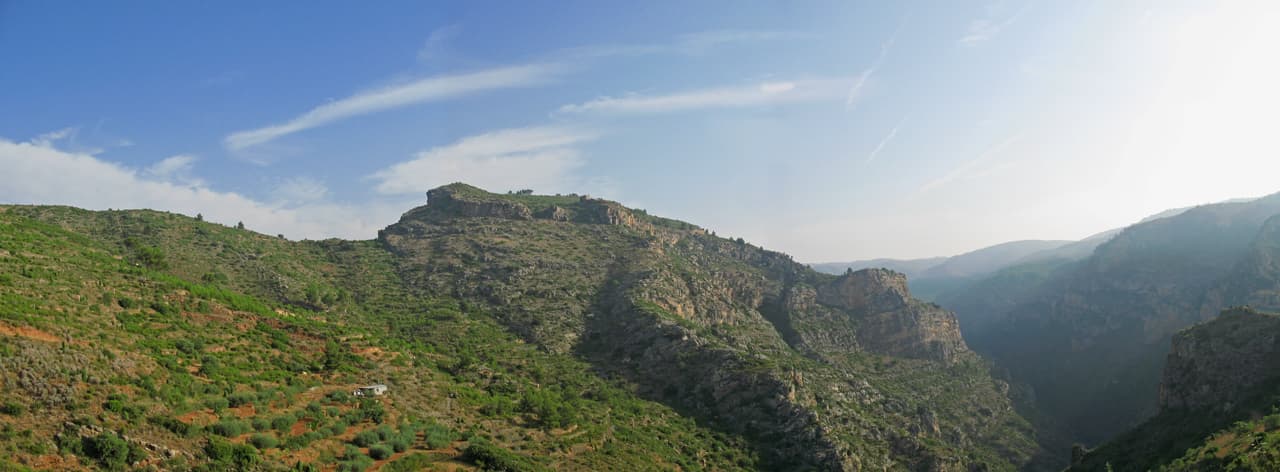
Perched on a hill, the castle of Bou Negre commanded extensive views of the surrounding landscape, which would have been critical for monitoring movement and defending against potential invaders. This elevated position reflects typical hill castle characteristics, emphasizing defense through natural topography combined with man-made fortifications. Its location in Spain places it within a region historically marked by frequent conflicts during the Reconquista, where castles served as military strongholds and administrative centers.
Architectural features and construction
While detailed architectural records of the castle of Bou Negre are scarce, hill castles of its era typically featured robust stone walls, battlements, and towers designed to withstand sieges. The castle likely included a keep or donjon as a central fortified tower, surrounded by curtain walls and possibly a moat or other defensive earthworks adapted to the hillside terrain. The use of local stone materials would have been common, blending the structure with its natural environment.
Defensive structures
The castle's defenses probably incorporated battlements and arrow slits to allow defenders to repel attackers while minimizing exposure. Gatehouses and fortified entrances would have controlled access, and the layout would have been designed to maximize the advantage of the hilltop location.
Historical context and significance
The castle of Bou Negre's history is intertwined with the broader military and political struggles of medieval Spain. Castles like Bou Negre were vital during the Reconquista, a centuries-long series of campaigns by Christian kingdoms to reclaim territory from Muslim rule. Such fortifications served not only as military bastions but also as symbols of feudal authority and territorial control.
Though specific events linked to Bou Negre are not well documented, its existence contributes to the understanding of medieval fortification strategies and settlement patterns in Spain. The castle would have played a role in local defense, administration, and possibly as a residence for nobility or military commanders.
Current condition and preservation
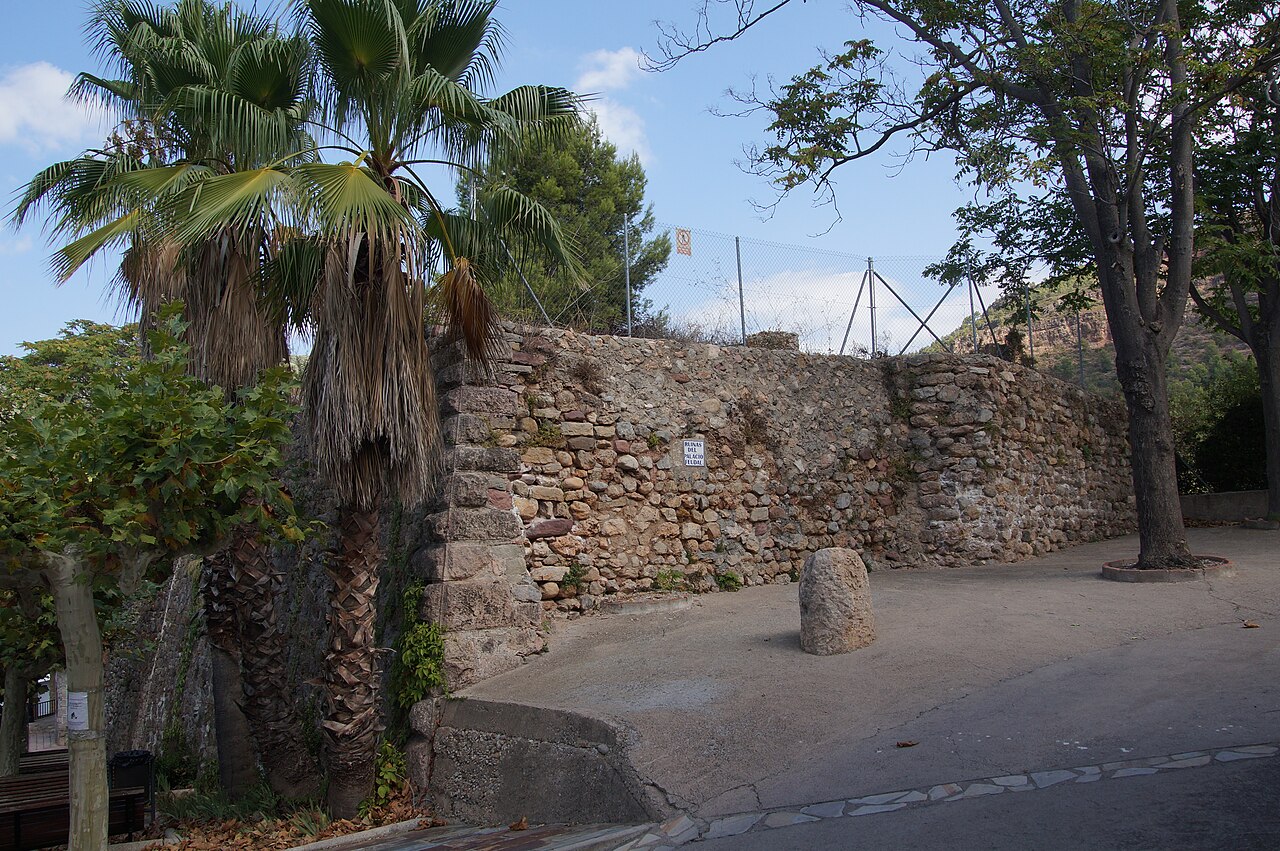
The current state of the castle of Bou Negre is not extensively documented, but hill castles of similar age often exist as ruins or partially preserved sites. Such remains provide valuable archaeological and historical insights, attracting researchers and visitors interested in medieval architecture and history.
Visiting and cultural importance
While detailed visitor information for the castle of Bou Negre is unavailable, castles of this type in Spain frequently serve as cultural landmarks. They offer opportunities for hiking, historical exploration, and education about the medieval period. Preservation efforts, where undertaken, aim to maintain the structural integrity and promote the castle's heritage value.
Frequently asked questions (FAQ)
- What is the historical significance of the castle of Bou Negre?
- The castle of Bou Negre played a role in the medieval defense system of Spain, particularly during the Reconquista, serving as a military stronghold and symbol of feudal authority.
- Can I visit the castle of Bou Negre?
- Detailed visitor information is limited, but as a hill castle ruin, it may be accessible for hiking and exploration. Visitors should check local resources for access and safety guidelines.
- What architectural features are typical of hill castles like Bou Negre?
- Hill castles typically feature stone walls, battlements, a central keep or donjon, and defensive structures like arrow slits and fortified gatehouses adapted to elevated terrain.
Photo gallery

Photo by Pavila•Public domain
Information
Loading map...
Visitor reviews
No reviews yet. Been here? Write the first review and help other travelers!
Write the first reviewVisited this castle? Share your experience
Your review helps other travelers and adds first-hand knowledge to our encyclopedia.