Castle of Ventimiglia
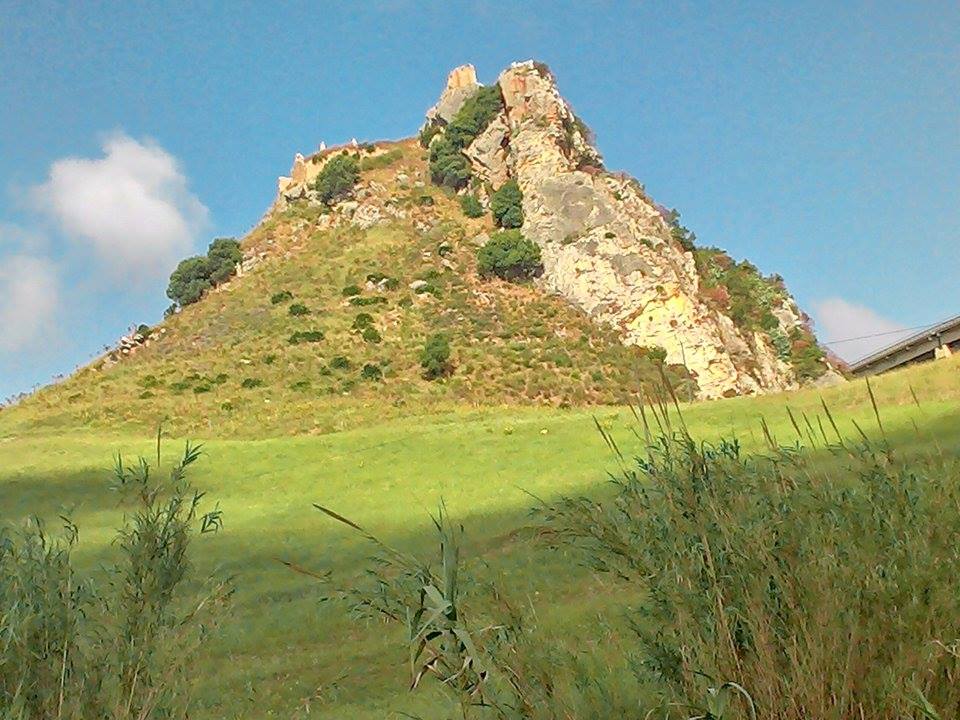
The castle of Ventimiglia stands as a significant example of late medieval hill castle architecture in the region surrounding Alcamo, Italy. Constructed primarily in the 14th century, this fortress occupies a commanding position atop Mount Bonifato, offering strategic oversight of the surrounding landscape. The castle’s origins are closely tied to the influential Ventimiglia family, who played a pivotal role in the history and defense of this part of Sicily.
The castle’s historical narrative is marked by phases of destruction and reconstruction, reflecting the turbulent political and military context of medieval Sicily. Originally, a fortress existed on Mount Bonifato before the 14th century, but it was destroyed in 1243 by order of Emperor Frederick II. This act was part of broader imperial efforts to control rebellious barons and consolidate power in the region. The castle was later rebuilt before 1391 by the Ventimiglia family, specifically under the direction of Enrico Ventimiglia, son and successor of Guarnieri Ventimiglia. Some historical interpretations suggest that the castle’s origins may predate this rebuilding, indicating an earlier medieval structure whose precise date remains uncertain.
Architectural features and layout
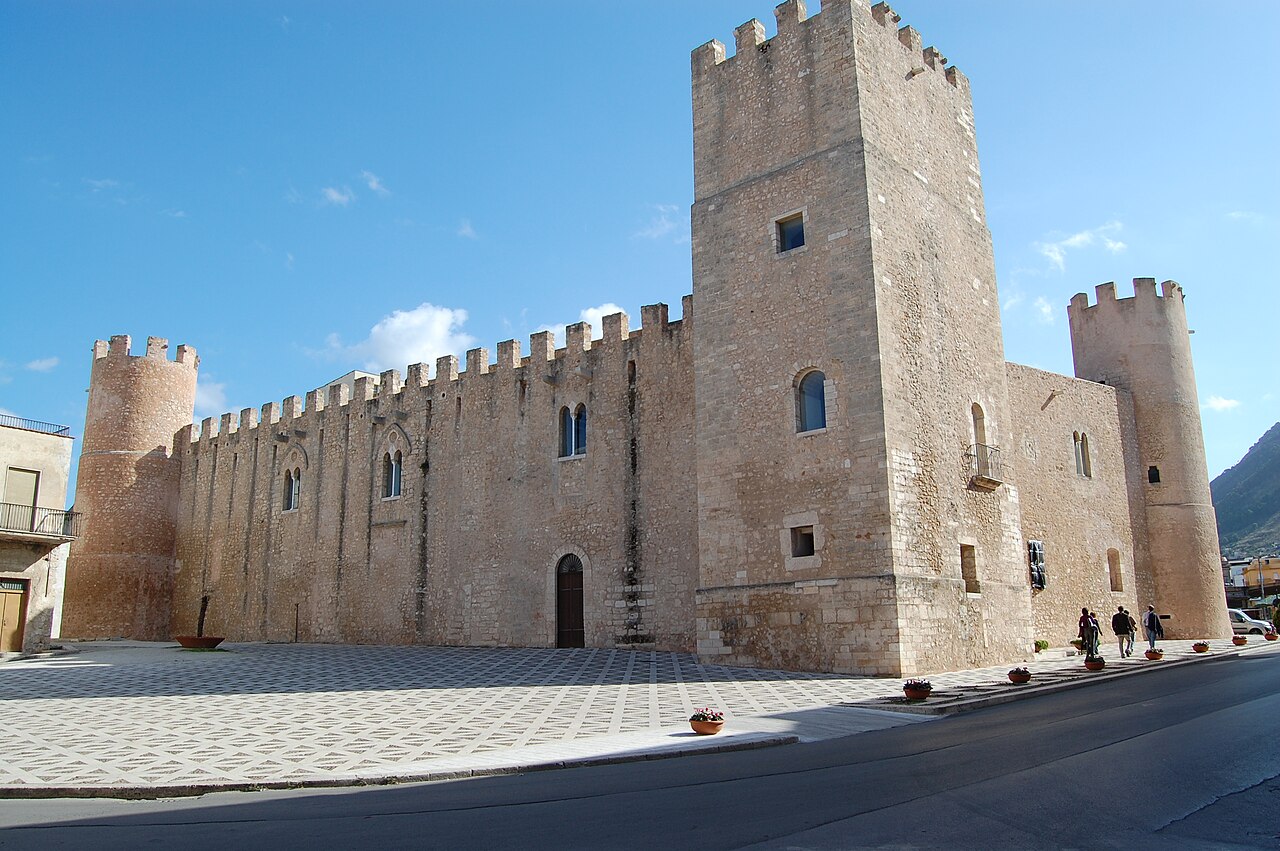
The castle was originally designed with a rectangular trapezoid plan and fortified by four towers, a common defensive layout in medieval hill castles. Today, only one of these towers, the donjon or "Torre maestra", survives prominently. This main tower is located on the northwest side of the castle and served as the fortress’s principal stronghold and lookout point.
The donjon is characterized by its rectangular plan and thick walls measuring approximately 2.2 meters, which provided formidable defense against siege weaponry. The tower originally had three floors, accessible initially by a wooden ladder to the first floor, emphasizing its defensive design. Internally, the donjon actually comprises four levels. The ground floor housed a cistern for rainwater collection and prison cells, indicating its dual role in sustenance and security.
The first floor contained two vaulted rooms, one equipped with a chimney, suggesting it served as living quarters or service spaces. The second floor featured two rooms with wooden ceilings, while the third floor was used for lighting fire signals, an essential function for communication and early warning. This uppermost floor likely had a stone ceiling to withstand exposure to the elements and fire.
The donjon’s strategic position allowed for surveillance of the road leading to the castle and the main entrance, located on the southwest side. This vantage point was critical for defense and control over access routes.
Historical significance and ownership
The castle was a key stronghold for the Ventimiglia family, a noble lineage that influenced the political and military dynamics of Sicily throughout the Middle Ages. In 1340, the castle was granted by Frederick III of Sicily to Raimondo Peralta, Count of Caltabellotta, underscoring its importance within the kingdom’s feudal system.
Despite suffering destruction in the 13th century, the castle’s reconstruction before 1391 reaffirmed its role as a defensive bastion in the region. By the 18th century, the castle had fallen into ruin, but its cultural and historical value was recognized in 1779 when it was included in the Plan for the Preservation of Cultural Assets by Gabriele Lancillotto Castello, Prince of Torremuzza.
Local tradition speaks of an underground tunnel connecting the castle to the nearby Castle of Calatubo, though this remains unverified and part of regional folklore. The castle’s ruins today reflect centuries of history and adaptation.
Remains and current condition
The surviving ruins of the castle provide valuable insight into its original structure and defensive mechanisms. Besides the prominent donjon, fragments of the perimeter walls and a southwestern tower remain, though these are largely in fragmentary condition. Photographic records from the 20th century document key interior features such as the chimney, prison access points, and collapsed ceiling openings.
The castle is situated within the Bosco di Alcamo Nature Reserve, surrounded by natural woodland that enhances the site’s historical ambiance. In recent decades, the installation of a radiotelevision antenna within the castle walls has altered its silhouette, blending modern technology with medieval ruins.
Cultural and touristic importance
Today, the castle of Ventimiglia is an important cultural landmark in Sicily, attracting visitors interested in medieval architecture and history. Its position atop Mount Bonifato offers panoramic views and a tangible connection to the island’s feudal past.
The castle’s ruins, especially the donjon, provide a compelling example of medieval military architecture adapted to the Sicilian landscape. Visitors can explore the site’s remains within the natural setting of the Bosco di Alcamo reserve, gaining insight into the defensive strategies and living conditions of the period.
Efforts to preserve and study the castle continue, highlighting its role as a heritage site that bridges Sicily’s medieval history with contemporary cultural appreciation.
Frequently asked questions (FAQ)
- What is the historical significance of the Castle of Ventimiglia?
- The Castle of Ventimiglia, dating back to the 10th century, is a remarkable example of medieval military architecture in Sicily. It played a crucial role in the defense against invasions and has witnessed many historical events throughout its long history, reflecting the region's rich cultural heritage.
- When was the Castle of Ventimiglia built?
- Construction of the Castle of Ventimiglia began in the 10th century during the Arab rule in Sicily and continued to evolve over the centuries. Its architecture showcases various influences, illustrating the castle's adaptation through different historical periods.
- Can I visit the Castle of Ventimiglia?
- Yes, the Castle of Ventimiglia is open to visitors, allowing you to explore its historic walls and stunning views of the surrounding landscape. Be sure to check the official website for any special events or guided tours available during your visit.
- What are the opening hours of the Castle of Ventimiglia?
- The castle typically opens to the public from 9 AM to 6 PM, but hours may vary based on the season and local holidays. It's advisable to confirm the current hours before your visit to ensure you have ample time to explore.
- Is it possible to access the Castle of Ventimiglia with mobility challenges?
- While the Castle of Ventimiglia has some accessible areas, the terrain can be uneven and steep in certain sections. Visitors with mobility challenges may want to contact the castle administration ahead of their visit to inquire about specific accessibility options and assistance available.
- What is the best time to visit the Castle of Ventimiglia?
- The best time to visit is during the spring and fall when the weather is mild and ideal for exploring. These seasons also tend to be less crowded, allowing for a more intimate experience while enjoying the scenic views from the castle.
- Are there any nearby attractions to visit after exploring the castle?
- Yes, nearby attractions include the beautiful Alcamo Marina and the historic town of Alcamo, where you can enjoy local Sicilian cuisine and culture. Additionally, the stunning Zingaro Nature Reserve is just a short drive away, offering breathtaking coastal views and hiking opportunities.
- What are the ticket prices for visiting the Castle of Ventimiglia?
- Ticket prices for the Castle of Ventimiglia are usually affordable, with discounts available for students and seniors. It's best to check the official site for the most current pricing and any special offers that may be available during your visit.
Information
Loading map...
Visitor reviews
No reviews yet. Been here? Write the first review and help other travelers!
Write the first reviewVisited this castle? Share your experience
Your review helps other travelers and adds first-hand knowledge to our encyclopedia.