Castle of the Counts of Modica
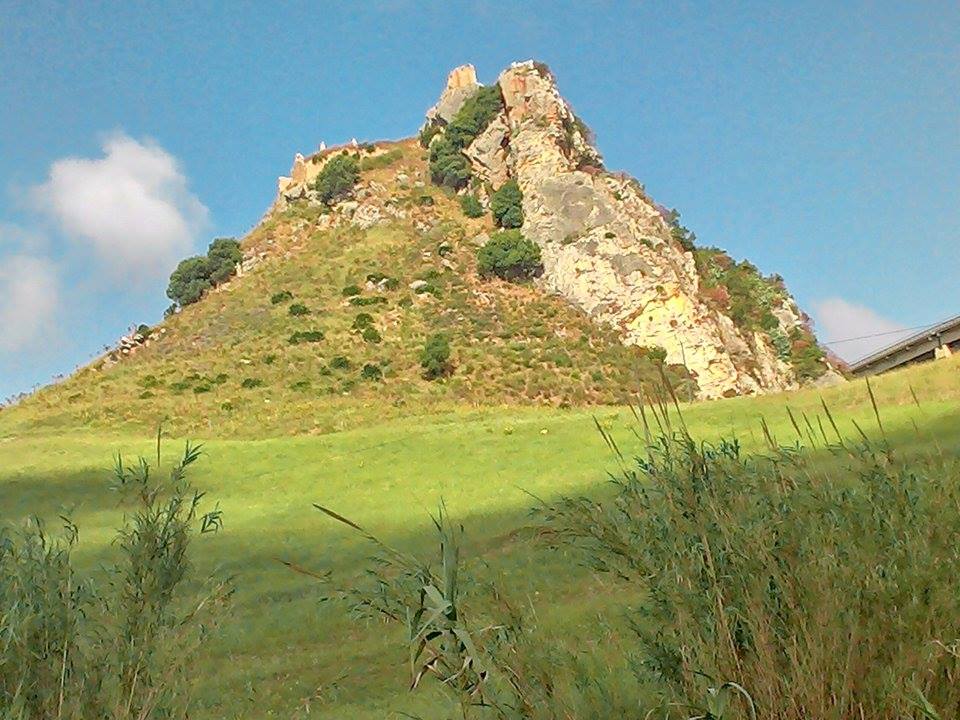
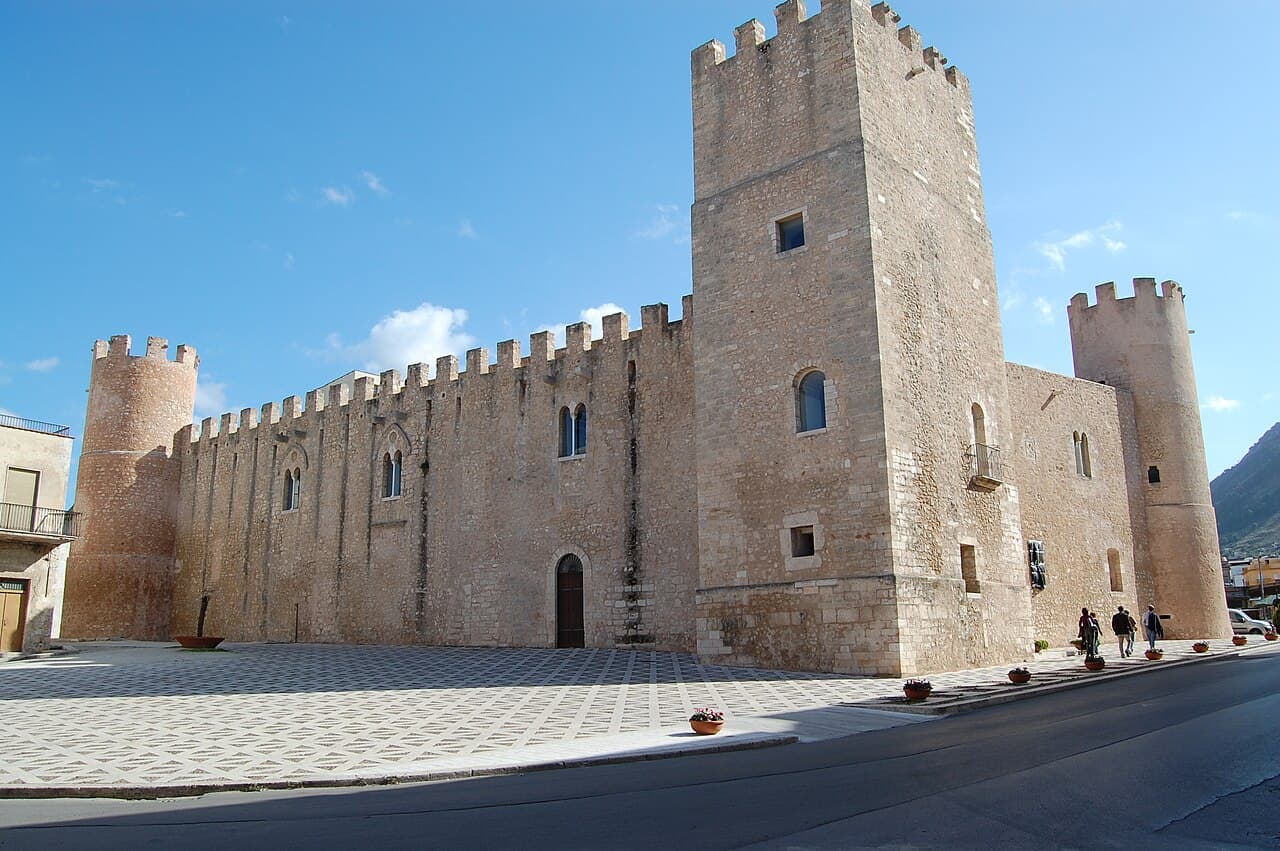
The Castle of the Counts of Modica in Alcamo, Sicily, stands as a remarkable example of late medieval military architecture with strong Gothic-Catalan influences. Constructed primarily in the 14th century, this fortress combines both defensive and residential functions, reflecting the complex social and political landscape of medieval Sicily. Its strategic location atop a limestone rock at 152 meters above sea level provides commanding views over the surrounding territory, underscoring its military importance.
Historical background and ownership
The castle's origins trace back to around 1340 when the powerful Peralta family initiated its construction. The building was completed by 1350 under the stewardship of the Chiaramonte family, specifically feudatories Enrico and Federico Chiaramonte, who transformed it into a formidable mansion and defensive stronghold. Throughout its history, the castle has witnessed significant events, including hosting notable figures such as King Martino and his queen in 1392 following the Chiaramontes' defeat. Additionally, on September 1, 1535, Emperor Charles V, returning victorious from Tunis, lodged here with his court and the Infanta Eleonora d'Aragona.
The castle also endured a notable attack in 1534 by the infamous Islamic pirate Barbarossa, emphasizing its continued military relevance during the Renaissance. Between 1583 and 1589, it underwent several restorations to maintain its defensive capabilities. By the 19th century, ownership transferred to the Alcamo municipality following a legal ruling in 1828, after which the castle served various civic functions including municipal offices, a prison, and stables. Further restoration efforts took place in 1870 and more comprehensively between 2000 and 2010.
Architectural features and design
Overall layout and structure
The castle exhibits a distinctive rhomboidal shape enclosing a nearly rectangular courtyard. Its footprint measures approximately 150 by 35 meters, making it a substantial complex for its time. The entire structure is perched on a prominent limestone outcrop, which not only provided natural defense but also a vantage point over the surrounding landscape.
Towers and defensive elements
At each corner of the castle rise four battlemented towers—two square and two circular—each designed for specific functions. The tallest square tower served as a prison and torture chamber, while the lower square tower was designated for sentinels to keep watch. One of the circular towers was reserved for hosting distinguished guests, highlighting the castle's dual role as a residence and fortress. The other circular tower likely contributed to defense and observation.
The castle was originally surrounded by defensive walls intended to thwart sieges by war machines, a common threat during the medieval period. The presence of such fortifications underscores the castle's strategic importance in regional power struggles.
Windows and entrances
Architecturally, the castle features double and triple lancet windows characteristic of the Gothic-Catalan style, which lend elegance to the otherwise austere military structure. These windows are distributed along the castle's sides, providing light and ventilation to the interior chambers.
Originally, the castle had three main doors located on the south, west, and north sides, facilitating controlled access and egress. These entrances were integral to the castle's defensive design, allowing for regulated movement of troops and supplies.
Cultural significance and modern use
Today, the Castle of the Counts of Modica stands as a symbol of Alcamo's rich medieval heritage. After extensive restoration completed in the early 21st century, the castle now houses the Ethnographic Museum and the Historical Regional Vintage Wines Stock, making it a cultural hub that connects visitors with the region's history and traditions.
The castle's enduring presence offers insights into the architectural innovations and feudal dynamics of medieval Sicily, while its adaptive reuse demonstrates the value of preserving historic sites for contemporary educational and cultural purposes.
Legends and local lore
Local tradition speaks of a network of underground tunnels linking the castle to other nearby fortifications, though these passages remain largely unconfirmed by archaeological evidence. Such legends contribute to the castle's mystique and attract visitors interested in the hidden histories of medieval fortresses.
Visiting information and accessibility
The castle is accessible to the public and offers a unique opportunity to explore a well-preserved example of late medieval fortification in Sicily. Visitors can admire the castle's architectural details, including its towers, battlements, and Gothic windows, while learning about its historical role through exhibits housed within.
Its location in Alcamo makes it an ideal destination for those interested in Sicilian history, architecture, and culture, with nearby attractions enriching the visitor experience.
Frequently asked questions (FAQ)
- What is the historical significance of the Castle of the Counts of Modica?
- The Castle of the Counts of Modica, built in the 11th century, is a remarkable example of medieval architecture in Sicily. It served as a strategic fortress and residence for the noble Counts of Modica, playing a vital role in the region's history and governance.
- When was the Castle of the Counts of Modica built?
- Construction of the Castle of the Counts of Modica began in the 11th century, with subsequent modifications and expansions occurring over the centuries. Its enduring structure reflects the architectural styles of different periods, showcasing the castle’s evolution through time.
- Can I visit the Castle of the Counts of Modica?
- Yes, visitors are welcome to explore the Castle of the Counts of Modica. The castle offers guided tours that provide insight into its rich history and architectural features, making it an enriching experience for all visitors.
- What are the opening hours of the Castle of the Counts of Modica?
- The Castle of the Counts of Modica is typically open to visitors from 9 AM to 7 PM during the summer months, with reduced hours in the winter. It is advisable to check the official website or contact local tourism offices for the most current opening hours before planning your visit.
- Is it possible to access the Castle of the Counts of Modica with mobility issues?
- The Castle of the Counts of Modica has some accessibility options, but navigating the castle's historic structure may pose challenges for those with mobility issues. It's recommended to contact the castle administration in advance to inquire about specific accommodations to ensure a comfortable visit.
- What is the best time to visit the Castle of the Counts of Modica?
- The best time to visit the Castle of the Counts of Modica is during the spring and fall when the weather is mild and pleasant. These seasons also see fewer crowds, allowing for a more enjoyable and immersive experience.
- Are there any nearby attractions to explore after visiting the castle?
- Yes, after visiting the Castle of the Counts of Modica, you can explore the charming town of Alcamo, which offers a variety of shops, restaurants, and local markets. Additionally, the beautiful beaches of Alcamo Marina are just a short drive away, providing a perfect complement to your castle visit.
- What are the ticket prices for the Castle of the Counts of Modica?
- Ticket prices for the Castle of the Counts of Modica are typically affordable, with discounts available for students and seniors. It is best to check the official website for the latest pricing information and any special promotions that may be offered.
Photo gallery

Information
Website
Visit websiteSources & official resources
Verify the information above using these authoritative references.
Loading map...
Visitor reviews
No reviews yet. Been here? Write the first review and help other travelers!
Write the first reviewVisited this castle? Share your experience
Your review helps other travelers and adds first-hand knowledge to our encyclopedia.