The Castle of Varnakas is a high medieval hill castle located in Greece, dating back to the 13th century. It was constructed during a period marked by frequent territorial conflicts and the need for fortified structures to secure strategic positions. The castle's elevated position on a hill provided a commanding view of the surrounding landscape, which was essential for defense and surveillance.
Historical context and significance
The 13th century in Greece was a time of significant political and military activity, influenced by the aftermath of the Fourth Crusade and the establishment of various Latin states in formerly Byzantine territories. The Castle of Varnakas likely served as a military stronghold to control important routes and protect local populations from invasions and raids. Its construction reflects the broader trend of castle-building in the high medieval period to establish feudal control and secure borders.
Architectural features and layout
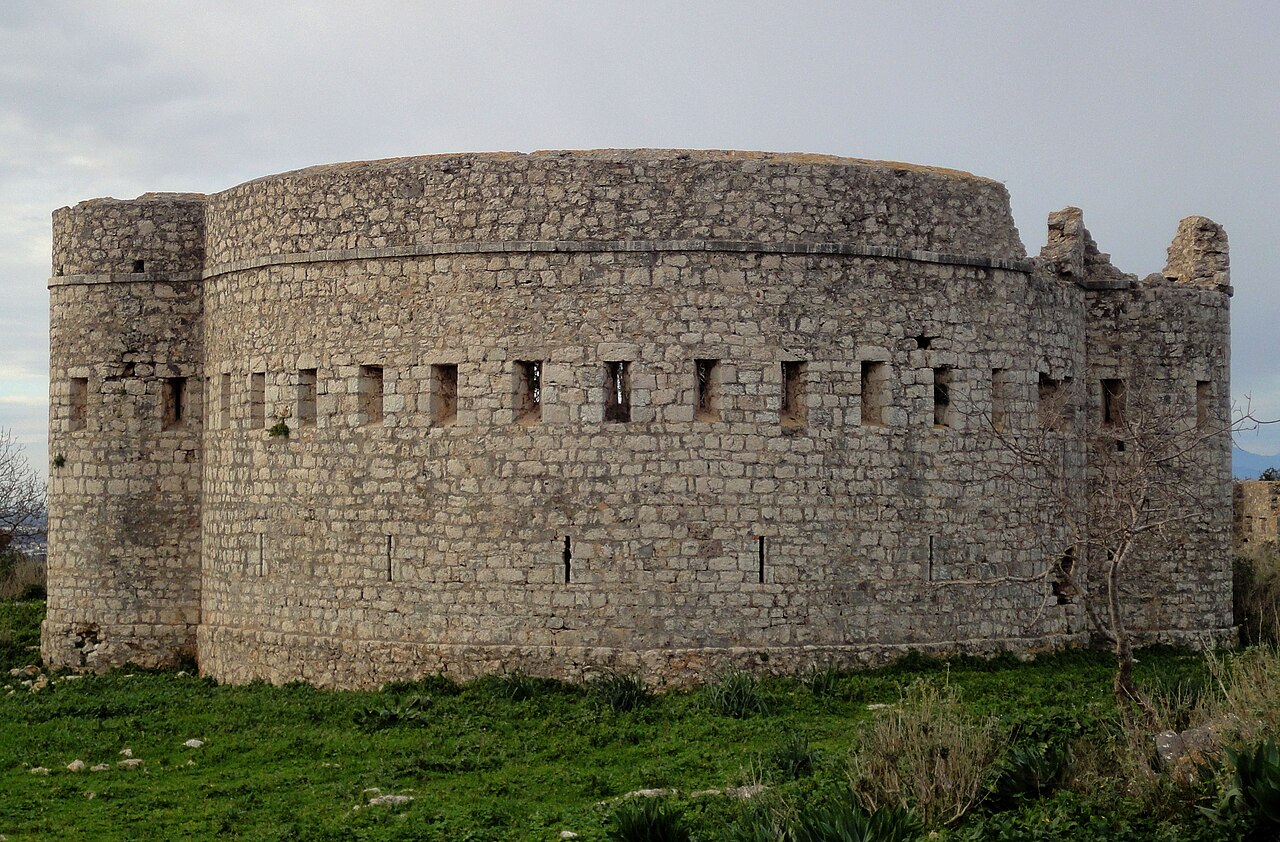
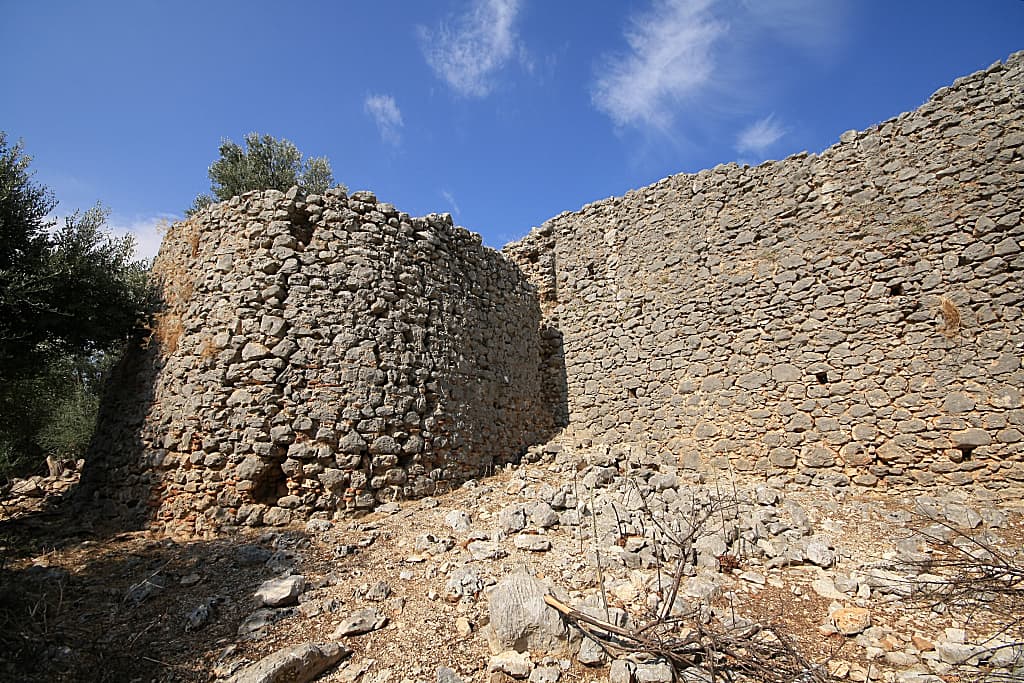
The castle is typical of hill castles built in the medieval era, designed to maximize natural defenses. It likely features thick stone walls, battlements, and towers positioned at strategic points to provide overlapping fields of fire. The entrance would have been heavily fortified, possibly with a gatehouse and drawbridge. Inside, the castle would have contained a keep or donjon serving as the last line of defense and residence for the lord or commander.
Defensive structures
The stone curtain walls would have been complemented by a moat or ditch carved into the hillside to hinder attackers. Defensive towers, possibly round or square, would have been placed to cover vulnerable sections of the walls. Battlements with crenellations allowed defenders to shield themselves while firing arrows or other projectiles.
Internal buildings and facilities
Within the castle walls, there would have been essential buildings such as a great hall for gatherings and administration, storage rooms for food and weapons, and living quarters. A chapel might also have been present, reflecting the importance of religion during the medieval period.
Strategic location and landscape
Situated on a hill, the Castle of Varnakas took advantage of natural topography to enhance its defensive capabilities. The elevation allowed for early detection of approaching enemies and control over nearby roads or passes. The surrounding terrain likely included forests or rough ground, adding further obstacles for attackers.
Preservation and current status
Today, the Castle of Varnakas remains a well-preserved hill castle that attracts visitors interested in medieval military architecture and Greek history. Its stone structures have withstood centuries, though some restoration efforts may have been necessary to maintain its condition. The site offers insights into medieval fortification techniques and the historical landscape of the region.
Visiting information and cultural importance
The castle is accessible to tourists and history enthusiasts, providing a tangible connection to Greece's medieval past. Visitors can explore the remains of the walls, towers, and internal spaces while enjoying panoramic views from the hilltop. The Castle of Varnakas is an important cultural landmark that illustrates the military and social dynamics of the high medieval period in Greece.
Frequently asked questions (FAQ)
- When was the Castle of Varnakas built?
- The Castle of Varnakas was constructed in the 13th century during the high medieval period, reflecting the military needs of that era.
- What type of castle is the Castle of Varnakas?
- It is a hill castle, strategically located on elevated terrain to maximize defense and surveillance capabilities.
- Is the Castle of Varnakas open to visitors?
- Yes, the castle is accessible to tourists interested in medieval architecture and history, offering panoramic views and well-preserved structures.
- What architectural features can be seen at the Castle of Varnakas?
- Visitors can observe thick stone walls, battlements, defensive towers, and internal buildings such as a great hall and possibly a chapel.
- Why was the Castle of Varnakas built on a hill?
- The hilltop location provided a strategic advantage for defense, allowing early detection of enemies and control over surrounding routes.
Photo gallery

Information
Loading map...
Visitor reviews
No reviews yet. Been here? Write the first review and help other travelers!
Write the first reviewVisited this castle? Share your experience
Your review helps other travelers and adds first-hand knowledge to our encyclopedia.