Castle of Valderrobles
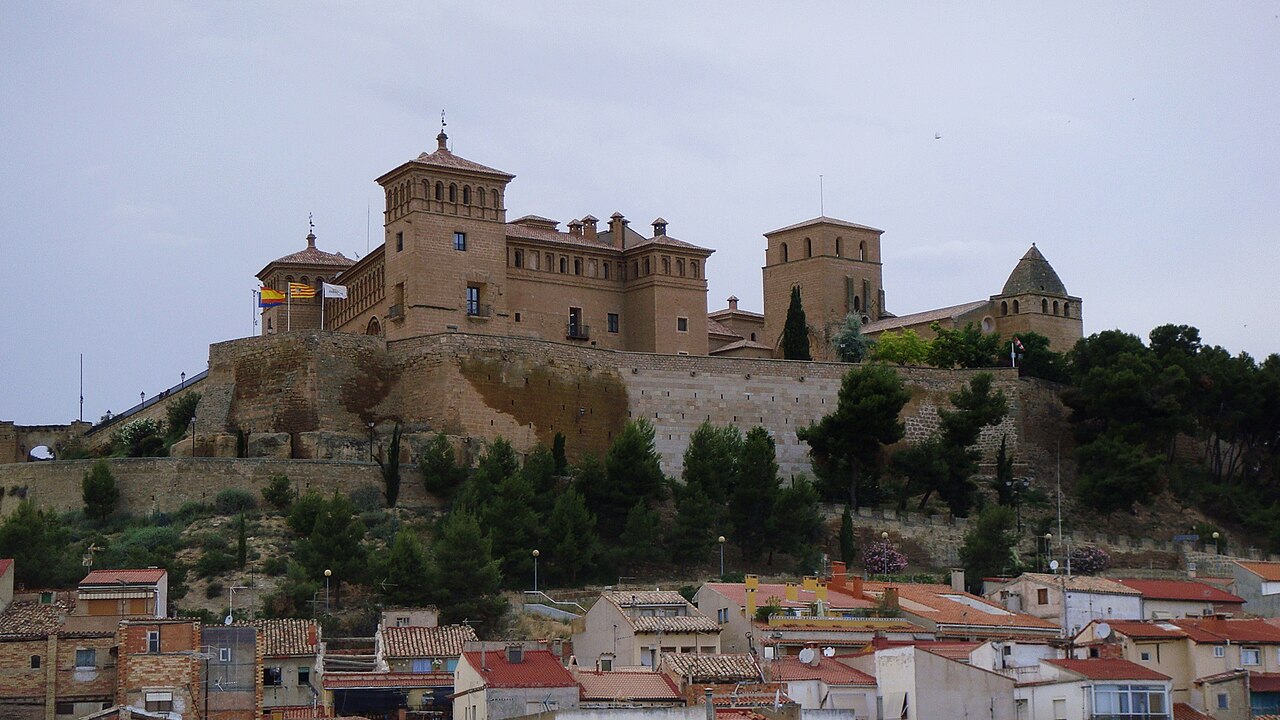
The Castle of Valderrobles stands as a significant medieval fortress and episcopal palace located in the municipality of Valderrobres, in the autonomous community of Aragon, Spain. Its origins date back to the late 12th century, constructed during the Reconquista by Christian forces aiming to secure the eastern borders of the Kingdom of Aragon. The castle’s strategic placement on a natural rock outcrop exemplifies typical hill castle defensive architecture, integrating the rugged terrain into its fortifications.
Historical records suggest that prior fortifications may have existed on the site, possibly established by pre-Christian cultures or as part of frontier defenses organized by Ramón Berenguer IV, the Count of Barcelona and ruler of Aragon, to protect the kingdom’s eastern boundaries. However, the extant structure primarily reflects the architectural and functional transformations from the medieval Christian period onward.
Ecclesiastical role and historical significance
From the late 12th century, the castle came under the jurisdiction of the Archbishopric of Zaragoza. Unlike many purely military fortresses, the Castle of Valderrobles served predominantly as a residence for archbishops, functioning as an episcopal palace through several centuries. This dual role as a military stronghold and ecclesiastical seat highlights the castle’s unique position within the social and political landscape of medieval Aragon.
During the late 14th and early 15th centuries, the castle underwent significant expansion and remodeling under the leadership of Archbishops García Fernández de Heredia (1382–1411) and Dalmacio de Mur y Cervellón (1431–1456). These renovations introduced prominent Gothic architectural elements, transforming the fortress into a refined palace complex. The castle’s historical prominence was further elevated in 1429 when King Alfonso the Magnanimous convened general courts within its walls, underscoring its importance as a center of political and ecclesiastical power.
Architectural features and layout
The castle’s design is closely adapted to the irregular topography of the natural rock outcrop it occupies. The complex features an irregular floor plan with multiple levels: a ground floor shaped like an L covering approximately 800 square meters, a first floor with a U-shaped plan of about 1000 square meters, and a second floor nearly forming a closed O-shaped layout measuring roughly 1100 square meters. This multi-level arrangement reflects the castle’s evolution and the practical use of the terrain.
The main entrance is located on the southwest face and is distinguished by a pointed ogival doorway, a hallmark of Gothic architecture. Adjacent to the entrance are the stables and servant quarters, indicating the castle’s residential function. Inside, visitors can find several historically significant rooms, including the cellars, the Hall of the Courts, the Hall of the Lions, the Golden Chamber, and the kitchen. These spaces illustrate the castle’s multifaceted use as a defensive fortress, administrative center, and noble residence.
Structural elements such as diaphragm arches support the upper floors, efficiently distributing weight across the complex. A large rectangular hall features a continuous built-in bench known as a poyal, which runs along the walls except where entrances interrupt it. Some windows preserve their original double-arched ajimezada design, adorned with external decorative motifs. Internally, semicircular arches embedded into the walls enhance the Gothic character of the interiors.
The upper level includes a gallery with wide semicircular arches supported by corbels projecting about one meter from the walls. These corbels are decorated with simple rolled motifs in certain sections. The castle’s silhouette is accentuated by a battlemented parapet crowned with three decorative false battlement turrets, which contribute to its imposing appearance.
Defensive structures and heraldry
The defensive perimeter consists of a robust limestone ashlar wall approximately 1.3 meters thick, enclosing the complex and incorporating preserved defensive towers known as cubos. These towers provided vantage points for surveillance and defense against attackers. The castle’s walls and towers reflect typical medieval fortification techniques designed to withstand sieges.
Throughout the castle, heraldic shields of Archbishops García Fernández de Heredia and Dalmau de Mur y Cervellón are prominently displayed, marking their contributions to the castle’s construction and decoration. These coats of arms serve as historical markers of the castle’s ecclesiastical patrons and their influence in the region.
Relationship with the surrounding complex
Historically, the Castle of Valderrobles was connected by a bridge to a nearby Gothic church, forming an integrated complex that combined religious and secular functions. This connection underscores the castle’s role beyond a military fortress, serving as a center of ecclesiastical administration and residence within the community.
The castle’s location in the town of Valderrobres places it within a region rich in medieval heritage, with other historic sites and architectural landmarks nearby. Its restoration and reopening as a cultural venue in 2021 have enhanced its accessibility and significance as a tourist attraction, offering visitors insight into the history and architecture of medieval Aragon.
Restoration and current status
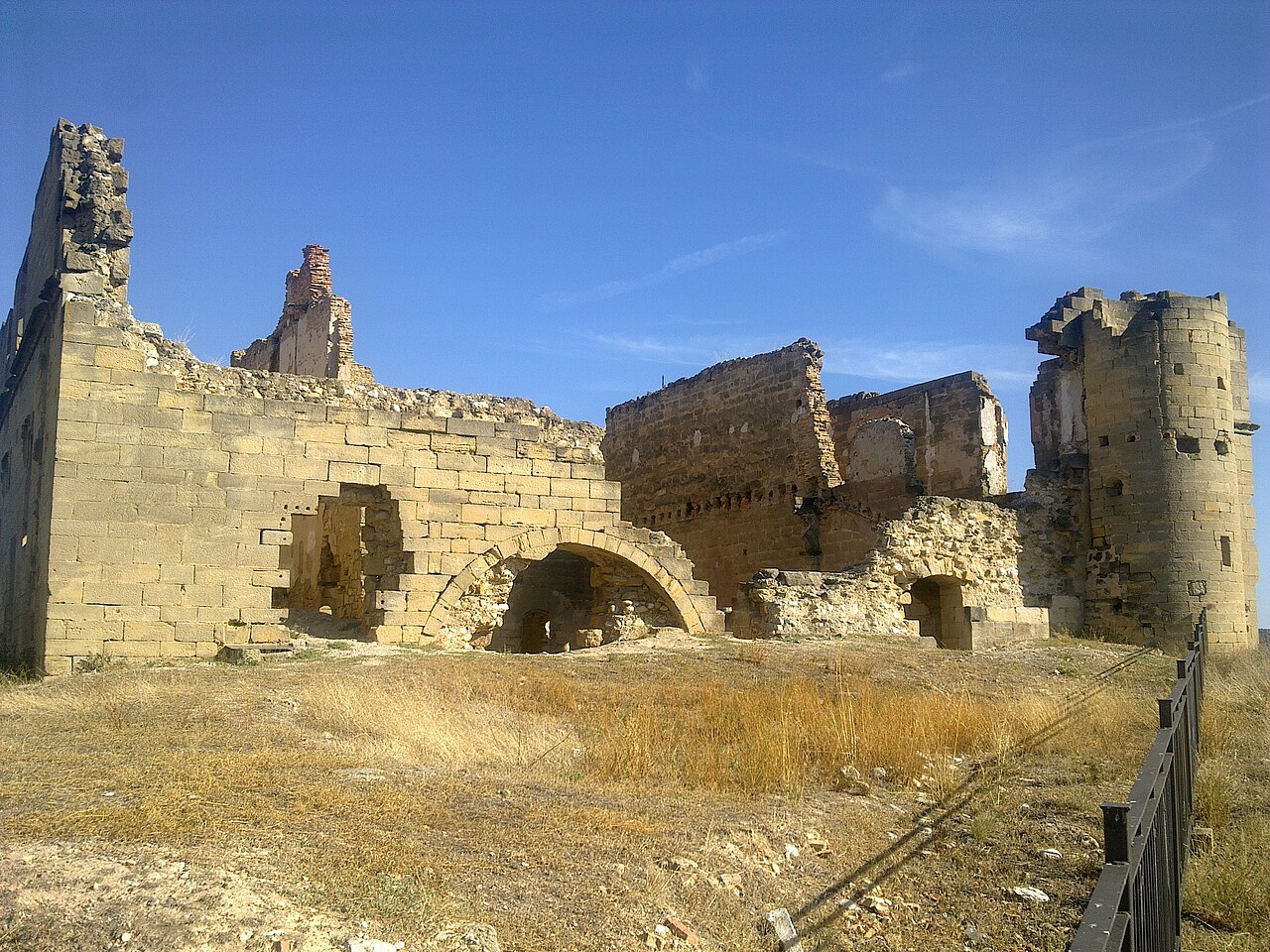
Following a period of neglect after the 17th century, the Castle of Valderrobles gradually fell into ruin. It was officially declared a national monument in 1931, recognizing its cultural and historical value. However, substantial restoration efforts did not commence until 1977, with important repairs to vaults and floors carried out during 1982 and 1983. These works stabilized the structure and preserved key architectural elements.
The restoration process continued over several decades, culminating in the castle’s reopening in 2021 as a cultural venue. Today, the castle is well preserved and serves as a site for cultural events, exhibitions, and educational activities, allowing visitors to explore its rich history and distinctive Gothic architecture.
Frequently asked questions (FAQ)
- How do I get to the Castle of Valderrobles?
- The Castle of Valderrobles is located in the town of Valderrobres in Aragon, Spain. It is accessible by car and local buses from nearby cities such as Zaragoza and Teruel. The castle is situated on a hill within the town, with clear signage directing visitors to the site.
- What is the historical significance of the Castle of Valderrobles?
- The castle was built in the late 12th century during the Reconquista and served as an episcopal residence for the Archbishops of Zaragoza. It was also the site where King Alfonso the Magnanimous held general courts in 1429, marking its importance in regional politics and ecclesiastical administration.
- Can I visit the interior rooms of the castle?
- Yes, visitors can explore several historically significant rooms inside the castle, including the Hall of the Courts, the Hall of the Lions, the Golden Chamber, and the kitchen. These rooms showcase the castle’s multifaceted role as a fortress, palace, and administrative center.
- Is the castle accessible for visitors with mobility issues?
- Due to the castle’s medieval hilltop location and uneven terrain, accessibility may be limited for visitors with mobility issues. Some areas involve stairs and uneven surfaces. It is recommended to contact the visitor center in advance for specific accessibility information.
- When is the best time to visit the Castle of Valderrobles?
- The castle is open daily from 10:00 to 18:00, making spring and autumn ideal seasons for visiting due to mild weather and fewer crowds. Summer can be hot, and winter months may have limited access due to weather conditions.
- Are there any nearby attractions to visit along with the castle?
- Valderrobres town itself offers charming medieval streets, a Gothic church connected historically to the castle, and other heritage sites. The surrounding Aragon region features natural parks and historic towns worth exploring as part of a cultural itinerary.
- What are the ticket prices for visiting the Castle of Valderrobles?
- Admission is €5 for adults and €3 for children, with discounts available for groups and seniors. Tickets can be purchased at the entrance or online through the official tourism website.
Information
Opening hours
10:00-18:00, daily
Ticket prices
€5 adult, €3 child
Current owner
Municipality of Valderrobres
Website
Visit websiteSources & official resources
Verify the information above using these authoritative references.
Loading map...
Visitor reviews
No reviews yet. Been here? Write the first review and help other travelers!
Write the first reviewVisited this castle? Share your experience
Your review helps other travelers and adds first-hand knowledge to our encyclopedia.