Castle of the Calatravos
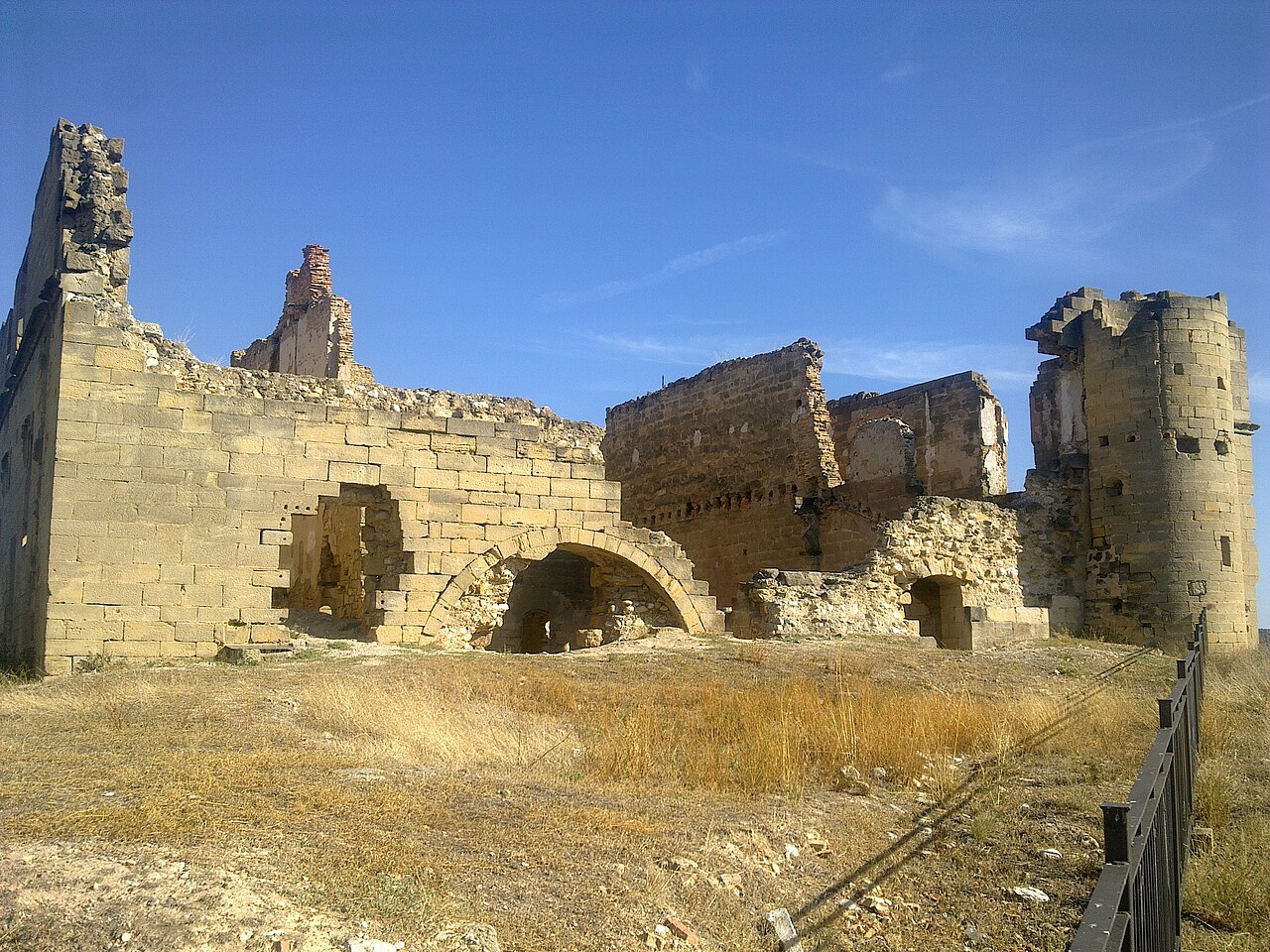
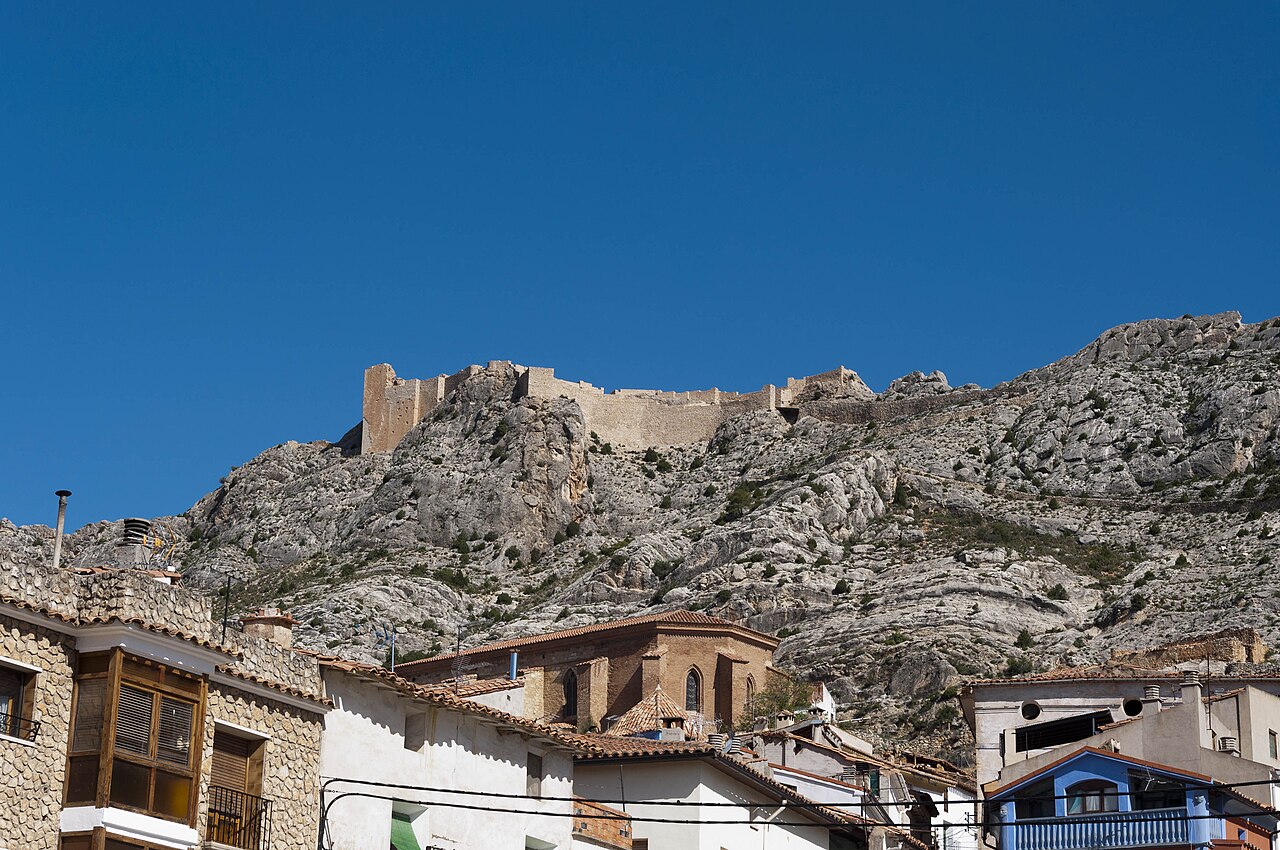
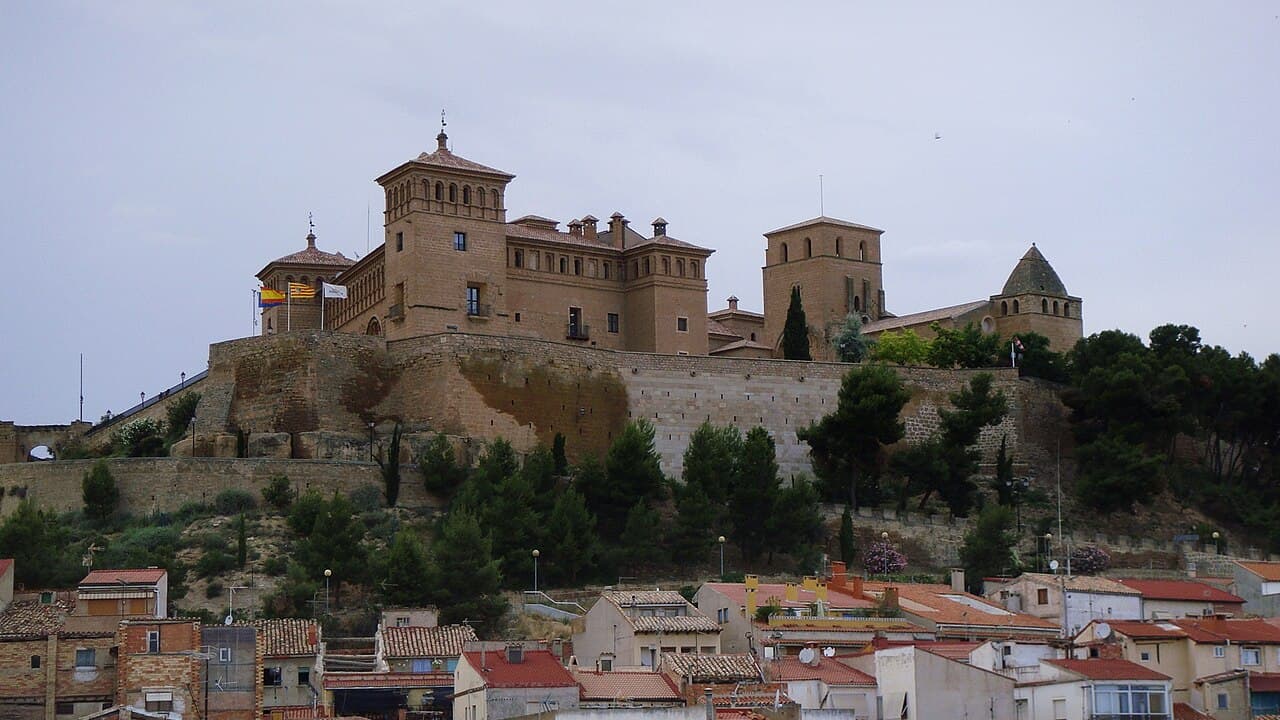
The Castle of the Calatravos stands prominently on a hill overlooking the town of Alcañiz in the province of Teruel, Aragón, Spain. Its strategic location has been significant since Roman times, serving as a military and administrative stronghold through various historical eras. The castle as it is recognized today evolved through multiple phases of construction and occupation, including a notable Muslim presence prior to the Christian reconquest of the region.
In the mid-12th century, after the Christian forces retook Alcañiz, King Alfonso II of Aragón granted the castle and its surrounding lands in 1179 to the Military Order of Calatrava. This marked the beginning of the castle's role as the commandery headquarters for the Order, a religious and military institution dedicated to defending Christian territories during the Reconquista. The initial medieval fortress included essential structures such as the square keep tower and the castle chapel, which laid the foundation for its defensive and religious functions.
Medieval origins and architectural evolution
The castle's medieval core is characterized by robust stone masonry typical of military architecture of the period. The northern sector contains the oldest surviving elements, including the imposing four-story keep tower. This tower houses some of the castle's most remarkable features: a series of early 14th-century murals painted using the al secco technique on dry plaster. These murals depict religious scenes such as the Last Supper and the Crucifixion, allegorical motifs like the Wheel of Fortune featuring a dog and rooster, as well as chivalric battles between the Calatrava knights and Moorish forces. Heraldic symbols and portraits of prominent regional noble families like the Laras, Urreas, and Cabreras also adorn the walls, offering insight into the castle's social and political connections in the Middle Ages.
Adjacent to the keep is the castle chapel dedicated to Mary Magdalene, constructed in the 13th century in the Romanesque style. The chapel features a single nave covered by a pointed barrel vault and a distinctive Romanesque portal decorated with the rare taqueado jaqués checkerboard motif, a decorative pattern unique to this part of Aragón. Inside, the chapel contains the alabaster sepulchre of Juan de Lanuza, crafted in 1537 by the renowned Renaissance sculptor Damián Forment. This tomb is a masterpiece adorned with female figures symbolizing virtues such as bravery and wisdom.
Religious and aristocratic functions
South of the chapel lies the Gothic cloister, an architectural element added during the 14th century expansion. This cloister is characterized by its two pointed arches and a simple timber-beamed ceiling. It contains traces of funerary murals from the 14th and 15th centuries and is accessible through a modest Romanesque doorway. The cloister served as a contemplative and commemorative space, reflecting the castle's dual role as a religious center and a noble residence.
The castle also played a significant role in regional governance. Between September 1411 and July 1412, it hosted the Aragonese parliament, during which nine judges were dispatched from the castle in the historic event known as the Concordia of Alcañiz to select a new king. This event underscores the castle's importance beyond military functions, serving as a political and administrative hub.
Baroque transformation and later history
In the 18th century, the castle underwent a major transformation when it was converted into the Palacio de los Comendadores, reflecting the late Renaissance style prevalent in Aragón at the time. The new palace section features a grand façade dated 1738, flanked by two large square towers. It is accessed by a 19th-century ramp and includes a chemin de ronde, a walkway behind the battlements originally designed for defense but adapted for residential use. This transformation marked a shift from a fortress to a stately residence, blending military architecture with aristocratic elegance.
Another notable feature is the Torre de Lanuza, an ancient tower that originated in medieval times but was extensively modified during the 16th century. Throughout the castle complex, elements of the Mudéjar style—an Islamic artistic tradition adopted by Christian craftsmen—are evident, especially in decorative details from the 14th and 15th centuries. This stylistic fusion reflects the cultural interactions in the region during the Middle Ages.
Military significance and modern use
The castle's military importance resurfaced during the Peninsular War when French forces occupied it, only to be recaptured by Spanish troops in 1813. Later, during the Carlist Wars in the 19th century, it served as barracks for troops under the Carlist leader Ramón Cabrera. These conflicts highlight the castle's continued strategic value well into the modern era.
Since 1968, the castle has been repurposed as the Parador Nacional de Turismo “La Concordia”, a state-run luxury hotel designed by the Spanish architect José Luis Picardo. Extensive restoration efforts in the late 20th and early 21st centuries have preserved key historical elements such as the medieval keep, the tomb of Juan de Lanuza, and the interior mural paintings. The castle was officially declared a cultural heritage monument in 1925, with protections extended in 2004 to include its movable heritage and surrounding landscape.
Architectural features and artistic heritage
The castle occupies a trapezoidal site divided into two main sectors: the northern medieval area and the southern Baroque zone. The complex showcases a harmonious blend of Romanesque, Gothic, Mudéjar, and Baroque architectural styles, reflecting the castle's long and varied history.
The interior houses a rich collection of Gothic murals, considered among the most important in Aragón. These paintings cover religious themes, chivalric motifs, and secular allegories, offering a vivid visual narrative of the castle's spiritual and social history. The preservation of these murals provides valuable insight into medieval art and the cultural milieu of the time.
Overall, the Castle of the Calatravos is a significant monument representing the intersection of military defense, religious devotion, noble residence, and regional governance across centuries. Its architectural and artistic features make it a unique example of the historical layering typical of Spanish castles.
Frequently asked questions (FAQ)
- What is the historical significance of the Castle of the Calatravos?
- The Castle of the Calatravos, located in Alcañiz, Spain, was built in the 12th century and served as a strategic fortress during the Reconquista. It is a prime example of medieval military architecture and showcases the historical tensions between Christian and Muslim kingdoms in the region.
- When was the Castle of the Calatravos built?
- The construction of the Castle of the Calatravos began in 1179 and was completed in the following decades. This castle played a crucial role in the defense of the territory against Moorish invasions and has significant historical value due to its age and the events it witnessed.
- What are the opening hours for visiting the Castle of the Calatravos?
- The Castle of the Calatravos is open to visitors from Tuesday to Sunday, with hours typically from 10 AM to 6 PM. It is advisable to check the local schedule for any seasonal changes or special closures before planning your visit.
- Can I access the Castle of the Calatravos with a wheelchair?
- The Castle of the Calatravos has some accessibility features, but due to its historical nature and varied terrain, not all areas may be fully accessible. It is recommended to contact the visitor center beforehand to inquire about specific accessibility options available at the site.
- What is the best time to visit the Castle of the Calatravos?
- The best time to visit the Castle of the Calatravos is during the spring and fall months when the weather is mild and conducive for exploration. These seasons also feature fewer crowds, allowing for a more enjoyable experience while taking in the stunning views and historical ambiance.
- Are there any nearby attractions to explore after visiting the Castle of the Calatravos?
- Yes, after visiting the Castle of the Calatravos, you can explore the historic town of Alcañiz, which offers charming streets, local shops, and other historical sites like the Renaissance-style Plaza de España. Additionally, the nearby Natural Park of the Sierra de Beceite provides beautiful landscapes and hiking opportunities.
- How much does it cost to enter the Castle of the Calatravos?
- The entrance fee for the Castle of the Calatravos is typically around €5 for adults, with discounts available for students and seniors. Children under a certain age may enter for free, but it's best to confirm the latest pricing and any available discounts before your visit.
Photo gallery

Information
Website
Visit websiteSources & official resources
Verify the information above using these authoritative references.
Loading map...
Visitor reviews
No reviews yet. Been here? Write the first review and help other travelers!
Write the first reviewVisited this castle? Share your experience
Your review helps other travelers and adds first-hand knowledge to our encyclopedia.