Castle of Maella
The Castle of Maella stands as a significant historical monument in the town of Maella, Spain, embodying centuries of architectural evolution and regional history. Originally constructed as a medieval hill castle during the turbulent period of the Christian reconquest of the Iberian Peninsula, it played a crucial role in the defense and administration of frontier territories. This fortress reflects the military and political dynamics of the 13th to 15th centuries, closely linked with the influential Order of Calatrava, a religious and military order dedicated to protecting Christian lands from Muslim rule.
Medieval origins and military significance
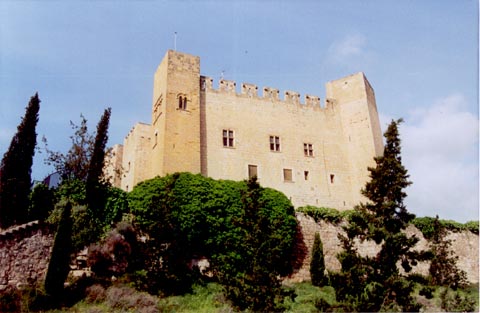
The castle’s initial construction dates back to the high medieval period, strategically positioned on a hill to oversee and control the surrounding landscape. Its design incorporated typical defensive features of the era, including thick stone walls, semicylindrical towers, and a fortified perimeter to withstand sieges and attacks. The association with the Order of Calatrava underscores its importance as a military stronghold during the Reconquista, serving both as a defensive bastion and an administrative center.
Fortifications and architectural layout
The original fortress was characterized by a roughly square layout, a common design choice for castles intended to maximize defensive capabilities while facilitating internal organization. The semicylindrical towers provided vantage points for surveillance and defense, allowing archers and guards to monitor approaches and repel invaders effectively. Remnants of these towers and sections of the defensive wall remain visible today, offering insight into the castle’s martial architecture.
Renaissance transformation and residential adaptation
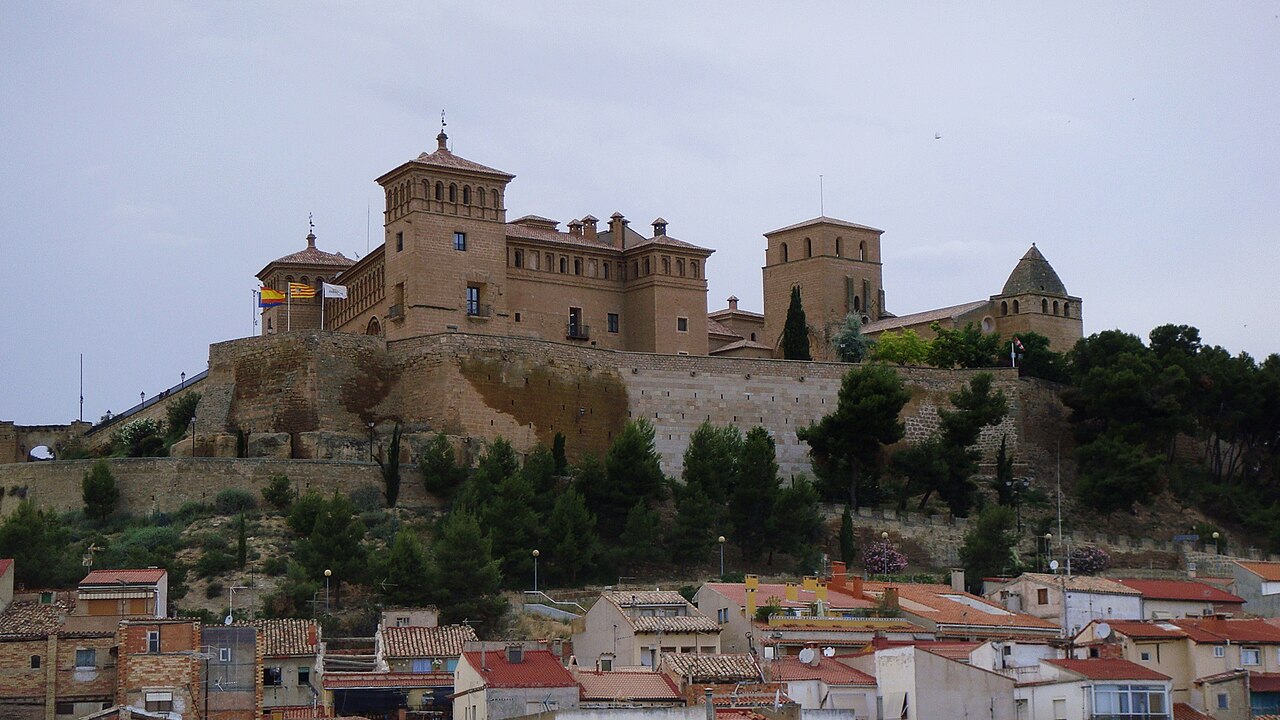
In the 16th century, the Castle of Maella underwent a profound transformation reflecting broader shifts in military technology and social structures. As the need for heavily fortified castles diminished, the site was remodeled into a Renaissance palace, emphasizing comfort, style, and representational grandeur over purely military functions. This change marked a transition in the castle’s role from a fortress to a noble residence, aligning with the evolving tastes and political realities of the Spanish nobility.
Architectural features of the palace phase
The renovation introduced architectural elements characteristic of the Renaissance period in Spain, including the construction of two floors arranged around a central open courtyard. This courtyard served as a focal point for light and air, enhancing the livability of the building. The presence of late Gothic-style entrance doors with varied arch forms illustrates the stylistic transition and the blending of medieval and Renaissance aesthetics. These doors stand as prominent features symbolizing the castle’s adaptation to a residential and representational function.
Noble ownership and historical legacy
Following its conversion into a palace, the castle came under the ownership of the Abarca de Bolea family, who held the noble title of Counts of Aranda. Their stewardship extended until the 19th century, during which the castle was known alternatively as the Castle of the Count of Aranda. This period of noble ownership reflects the castle’s integration into the social and political fabric of Spanish aristocracy, serving as a symbol of status and power.
Decline and current condition
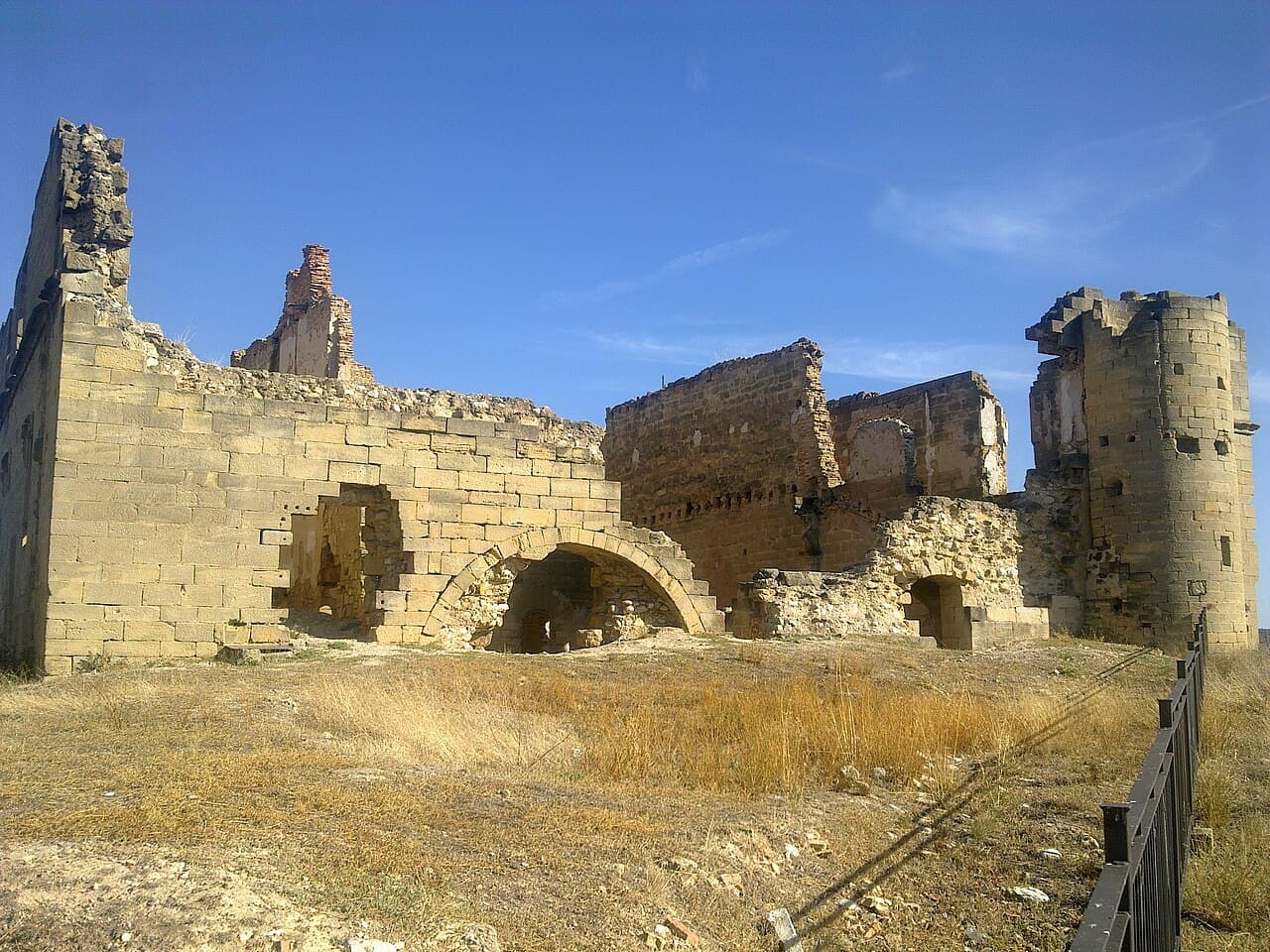
The castle’s decline began during the Carlist Wars in the 19th century, a series of civil conflicts that ravaged many historical sites across Spain. The Castle of Maella sustained significant damage during this turbulent era, leading to its eventual abandonment and ruin. Today, it exists in a ruined state, with only fragments of its walls, towers, and palace structures remaining. Its poor preservation has led to its inclusion on Spain’s Red List of endangered heritage sites, highlighting the urgent need for conservation efforts to protect this valuable cultural asset.
Architectural remnants and heritage value
Despite its ruinous condition, the castle’s surviving elements provide valuable insights into its layered history. The roughly square plan, the two-story palace layout around the courtyard, and the late Gothic entrance doors stand as testaments to its architectural evolution. The remnants of the medieval fortifications, including the semicylindrical towers and defensive walls, emphasize the castle’s original military purpose and strategic importance. These features collectively contribute to the castle’s significance as a cultural and historical landmark in the region.
Visiting and preservation challenges
Currently, the Castle of Maella is not fully restored and remains vulnerable to further deterioration. Preservation initiatives are critical to safeguard its structural remains and to promote its historical and architectural value to visitors and scholars alike. While the site is accessible for those interested in medieval and Renaissance architecture, the lack of comprehensive restoration means that visitors should approach the ruins with caution and respect for their fragile state.
The Castle of Maella exemplifies the complex history of Spanish castles, illustrating the transition from medieval military fortifications to Renaissance noble residences. Its story reflects broader historical trends in Spain, including the Reconquista, the rise of noble families, and the impact of 19th-century conflicts. As such, it remains a compelling subject for study and preservation within Spain’s rich heritage of castle architecture.
Frequently asked questions (FAQ)
- When was the Castle of Maella originally built?
- The Castle of Maella was originally constructed during the 13th century, in the high medieval period, as a military fortress during the Christian reconquest of the Iberian Peninsula.
- What architectural styles are present in the Castle of Maella?
- The castle features a mix of architectural styles, including medieval military fortifications and Renaissance elements from its 16th-century transformation into a palace.
- Why is the Castle of Maella in ruins today?
- The castle was significantly damaged during the 19th-century Carlist Wars, leading to its decline and current ruined condition.
- Can visitors access the Castle of Maella?
- The castle remains accessible to visitors, but due to its ruinous state and lack of full restoration, caution is advised when exploring the site.
- What is the historical significance of the Order of Calatrava in relation to the castle?
- The Order of Calatrava was a military and religious order that controlled the castle from the 13th to 15th centuries, using it as a defensive stronghold during the Reconquista.
Photo gallery

Information
Website
Visit websiteSources & official resources
Verify the information above using these authoritative references.
Loading map...
Visitor reviews
No reviews yet. Been here? Write the first review and help other travelers!
Write the first reviewVisited this castle? Share your experience
Your review helps other travelers and adds first-hand knowledge to our encyclopedia.