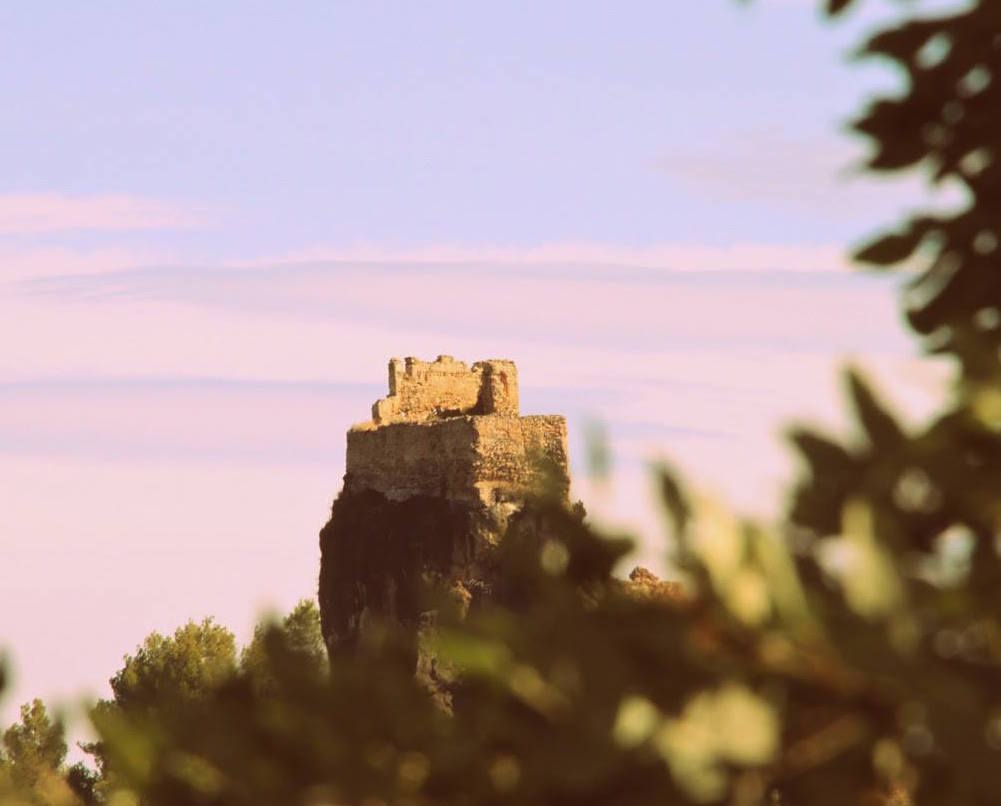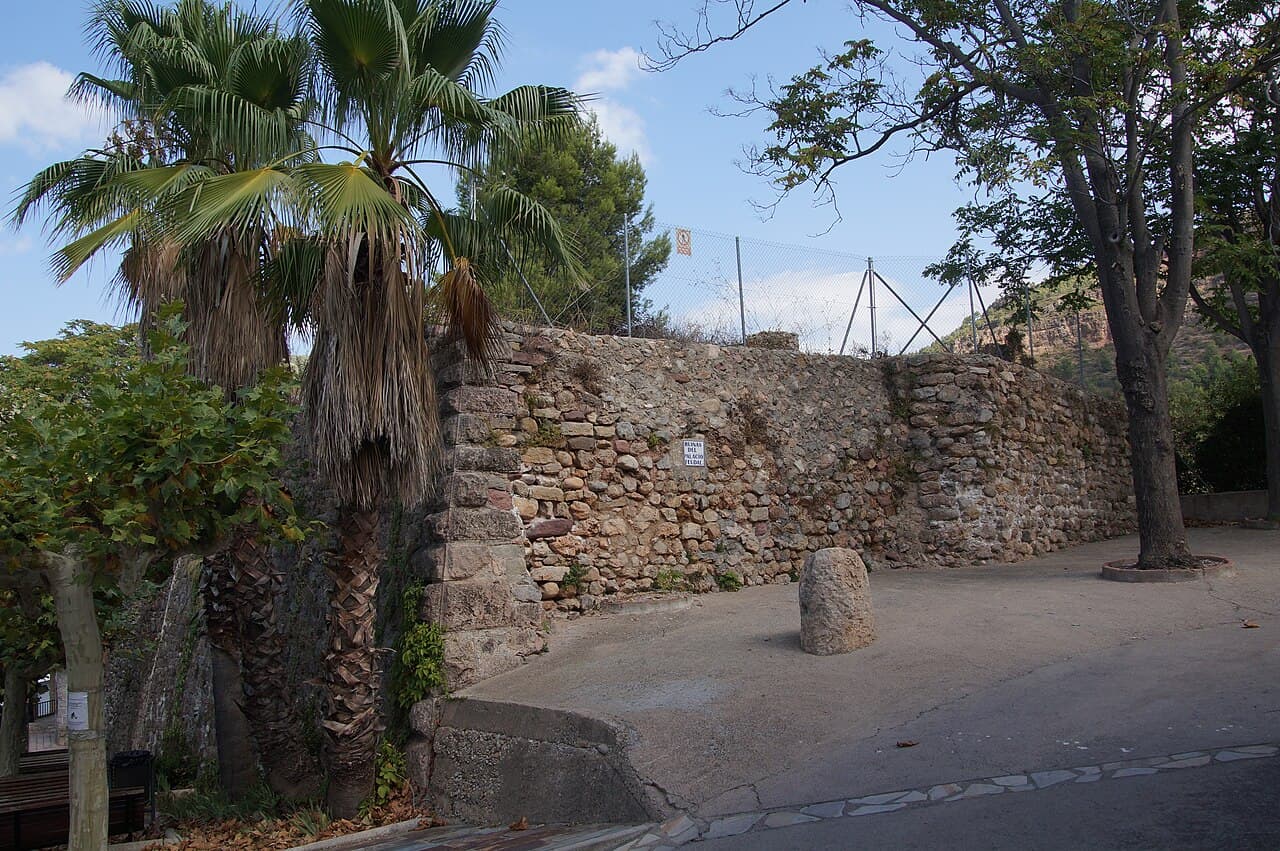
Castle of Toga — Spain castle

Castle of Toga

Castle of toga
High Medieval (11th–13th c.)
Ruins
The Castle of Toga is a notable example of a hill castle located in Spain, distinguished by its strategic placement atop elevated terrain which provided natural defensive advantages. Although the exact city location remains uncertain, the castle's architectural and historical significance is tied to its role in medieval fortifications.

The castle likely dates back to the high medieval period, a time when such fortresses were essential for territorial control and defense. Its construction would have involved robust stone walls, battlements, and a keep designed to withstand sieges and attacks common during the era.

Architectural features and design

The Castle of Toga exemplifies typical hill castle characteristics, including a commanding position that oversees the surrounding landscape, allowing defenders to spot approaching enemies from a distance. The castle's design would have included thick curtain walls, a fortified gatehouse, and possibly a central keep or donjon serving as the last line of defense.

Given the castle's probable medieval origin, it might incorporate Romanesque or early Gothic architectural elements, such as rounded or slightly pointed arches, narrow windows for archers, and sturdy towers. Defensive features like arrow slits, machicolations, and crenellations would have been integral to its fortification.

Historical context and significance

During the high medieval period, castles like the Castle of Toga played crucial roles in the complex political and military landscape of Spain. They served as military strongholds, administrative centers, and symbols of feudal power. The castle's location on a hill would have made it a valuable asset for controlling trade routes and local territories.

While specific historical events associated with the Castle of Toga are not well-documented, its existence contributes to understanding the network of fortifications that shaped medieval Spain's territorial divisions and defense strategies.

Preservation and current condition

The current condition of the Castle of Toga is not definitively recorded, but hill castles from this period often survive as ruins or partially preserved structures. Such remains typically include sections of walls, towers, and foundations that offer insights into medieval construction techniques and castle layouts.

Preservation efforts, if any, would focus on stabilizing existing structures and making the site accessible for historical study and tourism, highlighting its cultural heritage value within the region.

Visiting information and cultural importance

Though specific visitor information for the Castle of Toga is unavailable, hill castles in Spain generally attract interest for their panoramic views and historical ambiance. They often form part of regional heritage trails and attract tourists interested in medieval architecture and history.

Understanding the castle's architectural design and historical role enriches appreciation of Spain's medieval past and the strategic importance of hill castles in shaping the country's historical landscape.

Frequently asked questions (FAQ)

What is the historical significance of the Castle of Toga?
The Castle of Toga is a medieval hill castle that played a role in regional defense and territorial control during the high medieval period in Spain.
Can I visit the Castle of Toga?
Specific visitor information is not well-documented, but like many hill castles in Spain, it may be accessible as a historic ruin site with scenic views.
What architectural features does the Castle of Toga have?
The castle likely features typical hill castle elements such as thick stone walls, battlements, a keep, and defensive structures like arrow slits and crenellations.

Photo gallery

Castle of Toga
Click to view

Photo by DagafeSQV•CC BY-SA 4.0

1 photo • Click any image to view in full screen

Information

Hill Castle

Loading map...

Visitor reviews

No reviews yet. Been here? Write the first review and help other travelers!

Write the first review

Visited this castle? Share your experience

Your review helps other travelers and adds first-hand knowledge to our encyclopedia.
Write a review

(5/5)

0/2000 characters

Your review will be visible after admin approval

Nearby castles

4.1 km
Castle of Bou Negre — Spain castle

Castle of Bou Negre

, Spain

The castle of Bou Negre is a hill castle situated in Spain, notable for its strategic position atop elevated terrain which provided natural defensive advantages. Although precise details about its founding and historical timeline are limited, the castle's architectural style and location suggest it dates back to the medieval period, likely constructed during the High Medieval era when such fortifications were common across the Iberian Peninsula. Location and strategic significance Perched on a hill, the castle of Bou Negre commanded extensive views of the surrounding landscape, which would have been critical for monitoring movement and defending against potential invaders. This elevated position reflects typical hill castle characteristics, emphasizing defense through natural topography combined with man-made fortifications. Its location in Spain places it within a region historically marked by frequent conflicts during the Reconquista, where castles served as military strongholds and administrative centers. Architectural features and construction While detailed architectural records of the castle of Bou Negre are scarce, hill castles of its era typically featured robust stone walls, battlements, and towers designed to withstand sieges. The castle likely included a keep or donjon as a central fortified tower, surrounded by curtain walls and possibly a moat or other defensive earthworks adapted to the hillside terrain. The use of local stone materials would have been common, blending the structure with its natural environment. Defensive structures The castle's defenses probably incorporated battlements and arrow slits to allow defenders to repel attackers while minimizing exposure. Gatehouses and fortified entrances would have controlled access, and the layout would have been designed to maximize the advantage of the hilltop location. Historical context and significance The castle of Bou Negre's history is intertwined with the broader military and political struggles of medieval Spain. Castles like Bou Negre were vital during the Reconquista, a centuries-long series of campaigns by Christian kingdoms to reclaim territory from Muslim rule. Such fortifications served not only as military bastions but also as symbols of feudal authority and territorial control. Though specific events linked to Bou Negre are not well documented, its existence contributes to the understanding of medieval fortification strategies and settlement patterns in Spain. The castle would have played a role in local defense, administration, and possibly as a residence for nobility or military commanders. Current condition and preservation The current state of the castle of Bou Negre is not extensively documented, but hill castles of similar age often exist as ruins or partially preserved sites. Such remains provide valuable archaeological and historical insights, attracting researchers and visitors interested in medieval architecture and history. Visiting and cultural importance While detailed visitor information for the castle of Bou Negre is unavailable, castles of this type in Spain frequently serve as cultural landmarks. They offer opportunities for hiking, historical exploration, and education about the medieval period. Preservation efforts, where undertaken, aim to maintain the structural integrity and promote the castle's heritage value.

High Medieval (11th–13th c.)
Details
8.4 km

Castillo de Cirat

Cirat, Spain

The Castillo de Cirat stands as a notable example of a medieval Muslim fortress situated in the town of Cirat, Spain. Constructed during the 12th or 13th centuries, this hill castle was strategically positioned atop a rocky promontory overlooking the Mijares River, an important geographic feature that influenced its military and administrative significance. Its origins reflect the period when the Iberian Peninsula was under Islamic control, showcasing typical Muslim military architectural elements adapted to the natural terrain. Historical background and ownership transitions The castle was initially under the control of Zayd Abu Zayd, the last Moorish king of Valencia, who governed the surrounding territory. During the Reconquista, a period marked by Christian kingdoms reclaiming lands from Muslim rulers, the castle's ownership became a contested issue. Although Zayd Abu Zayd attempted to transfer the fortress to the bishop of Segorbe, this donation was later invalidated. Instead, on February 17, 1247, the castle was officially granted to the archbishop of Tarragona, illustrating the shifting religious and political power dynamics in the region during this era. Following the Christian conquest, the area around the castle remained inhabited by Moriscos, Muslims who had converted to Christianity, until their expulsion in 1609. This demographic continuity underscores the complex cultural and religious interactions that persisted even after the military takeover. Feudal integration and military significance In 1628, during the reign of King Philip IV, the County of Cirat was established, incorporating the villages of Cirat, El Tormo, and Pandiel. The castle became part of this feudal domain, granted to Bernat de Vilarig Carroz y Pardo de la Casta, reflecting its integration into the administrative structure of the Spanish crown. This period marked the castle's transition from a purely military fortress to a symbol of feudal authority. The fortress regained strategic importance during the Carlist Wars of the 19th century. Its commanding position overlooking the river and nearby routes made it a valuable defensive site amid the conflicts over the Spanish throne. The castle's role in these wars highlights its enduring military relevance well beyond the medieval period. Architectural features and structural remains The Castillo de Cirat occupies an irregularly shaped plan divided into two fenced enclosures, although the boundaries between these sections are difficult to discern due to the uneven terrain and the castle's ruinous state. The fortress capitalized on the natural steep slopes of the rocky outcrop for defense, with man-made fortifications reinforcing the most vulnerable points. Among the surviving structures are the foundations of a semicircular tower and fragments of defensive walls strategically placed to protect weak areas. These elements are characteristic of medieval Muslim military architecture, which often integrated natural topography with constructed defenses. A notable feature is an uncovered cistern (aljibe) that retains the springing points of its vaulted ceiling, although its roof is missing. The walls of the cistern were coated with a waterproof layer, indicating its critical function in securely storing water within the fortress, essential during sieges or dry periods. Nearby stands a rectangular building constructed from regularly cut stone blocks. While its original purpose remains uncertain, the quality of masonry suggests it served an important role, potentially administrative or military in nature. Archaeological findings and cultural significance Excavations and surface discoveries around the castle have yielded Muslim-style ceramics, confirming the fortress's Islamic origins and providing valuable insights into the daily lives and culture of its former inhabitants. These artifacts contribute to understanding the cultural heritage embedded in the site. Today, the Castillo de Cirat is recognized as a protected heritage site since 2004, preserving the legacy of its multifaceted history. Despite its partial ruin, the castle remains an important monument reflecting the historical layers of Muslim and Christian influence in this part of Spain. Geographical context and strategic location The castle's location on a rocky outcrop overlooking the Salinas ravine allows it to control a sharp bend in the Mijares River. This vantage point was crucial for monitoring and defending the surrounding territory. The natural steep slopes provided a strong defensive advantage, reducing the need for extensive man-made fortifications except at vulnerable points. This strategic placement within the landscape illustrates the medieval military practice of utilizing natural topography to enhance defensive capabilities, a common feature of hill castles in the region.

High Medieval (11th–13th c.)
Details
11.1 km
Montornés Castle — Spain castle

Montornés Castle

Benicasim, Spain

Montornés Castle stands as a historic hilltop fortress located in Benicasim, Spain, with its foundations resting on ancient Roman remains. Originally constructed in the 10th century AD, this castle was part of a strategic Moorish defence system designed to protect the region during the period of Muslim rule in the Iberian Peninsula. Its location on elevated terrain provided a commanding view over the surrounding landscape, including the Plana (Plain) of Castellón and the Mediterranean Sea, vital for early warning and defense against incursions.Historical context and constructionThe castle's initial construction in the Early Medieval period reflects the military architecture typical of Moorish fortifications in Spain. It was built to secure the eastern coastal frontier and to control the surrounding territory. Following the Christian Reconquista, the fortress was captured and subsequently reinforced and extended by Christian forces. These modifications enhanced its defensive capabilities and adapted its structure to new military needs.Architectural layout and defensive featuresMontornés Castle is composed of three main areas enclosed within a curtain wall, forming a roughly triangular plan. This design allowed for effective defense and internal organization. The triangle is completed by two additional structures: the Torre San Vicente and the Casoleta de Salandó, which functioned as auxiliary fortifications to strengthen the castle's defenses.The surviving elements today include portions of the curtain walls, two watchtowers, and several cisterns used to collect and store rainwater, an essential feature for sustaining the garrison during sieges or droughts. The watchtowers provided vantage points for surveillance and early detection of approaching enemies.Decline and current conditionWhile the exact circumstances and timing of the castle's destruction remain uncertain, historical records indicate it was inhabited until the 15th century. Over time, the fortress fell into disuse and partial ruin. Today, only fragments of its walls and defensive structures remain, preserved as archaeological ruins that testify to its historical significance.Strategic importance and viewsThe castle's elevated position allowed it to command extensive views across the Castellón plain and the Mediterranean coastline. This vantage point was critical for monitoring movements along the coast and inland, enabling early warnings of potential threats. The panoramic views also contribute to the site's appeal for visitors interested in history and landscape.Visiting Montornés CastleAlthough the castle is largely in ruins, it remains an important cultural heritage site in the region. Visitors can explore the remaining walls and towers, gaining insight into the Early Medieval military architecture and the layered history of the site, from Roman origins through Moorish occupation to Christian reconquest.

Early Medieval (5th–10th c.)
Details