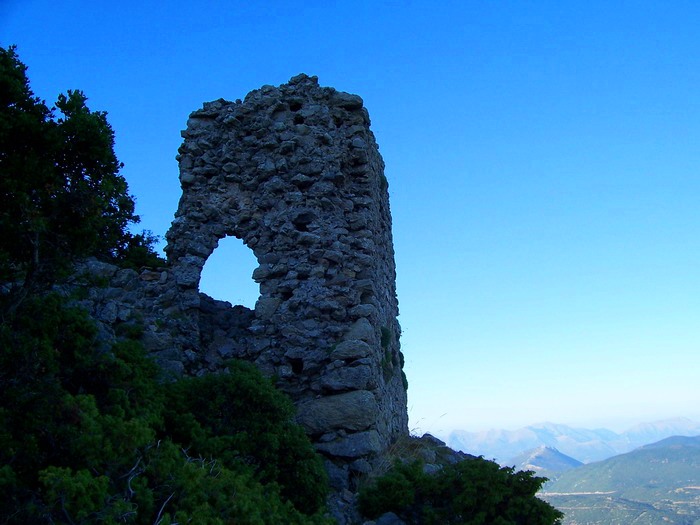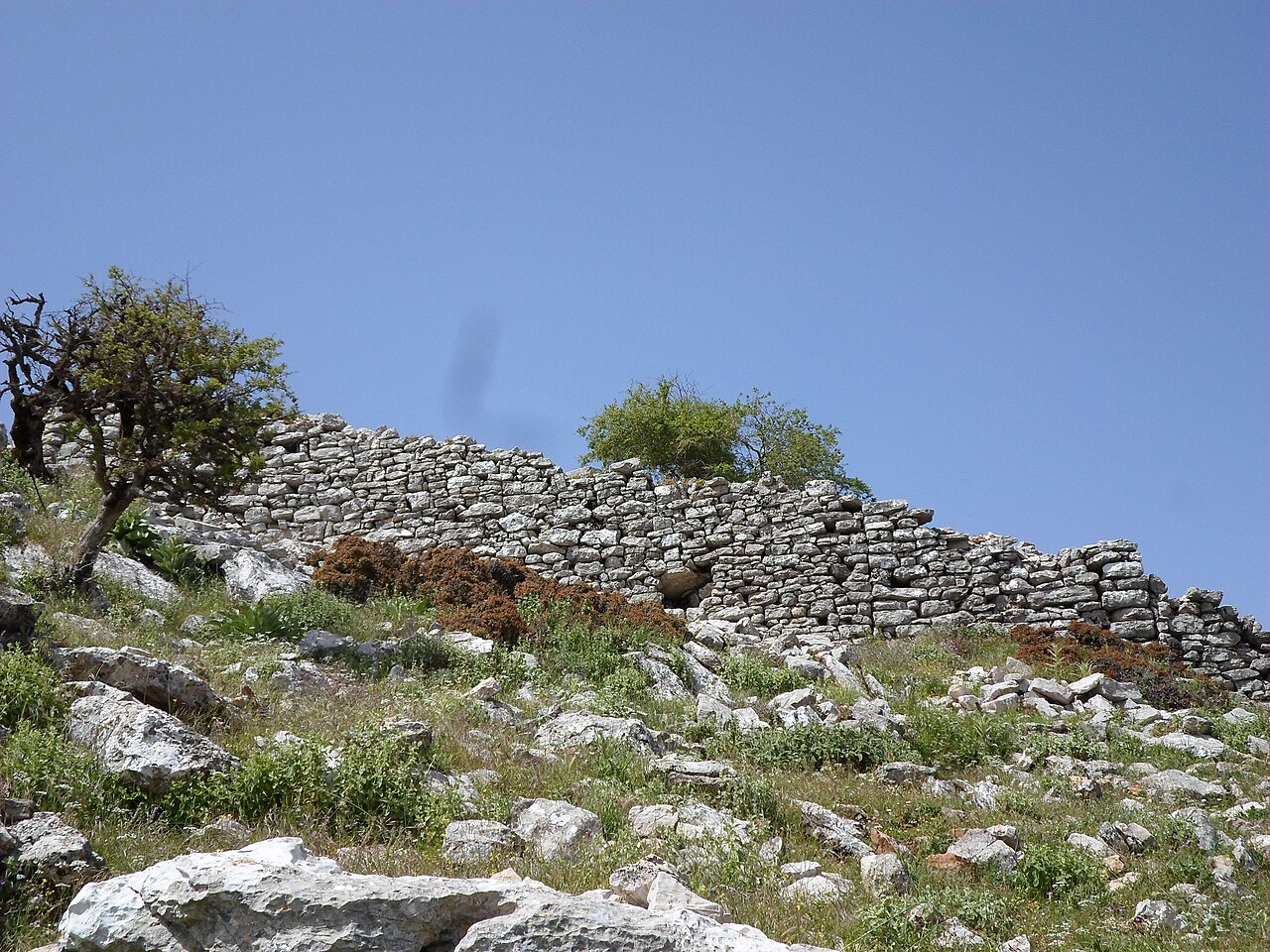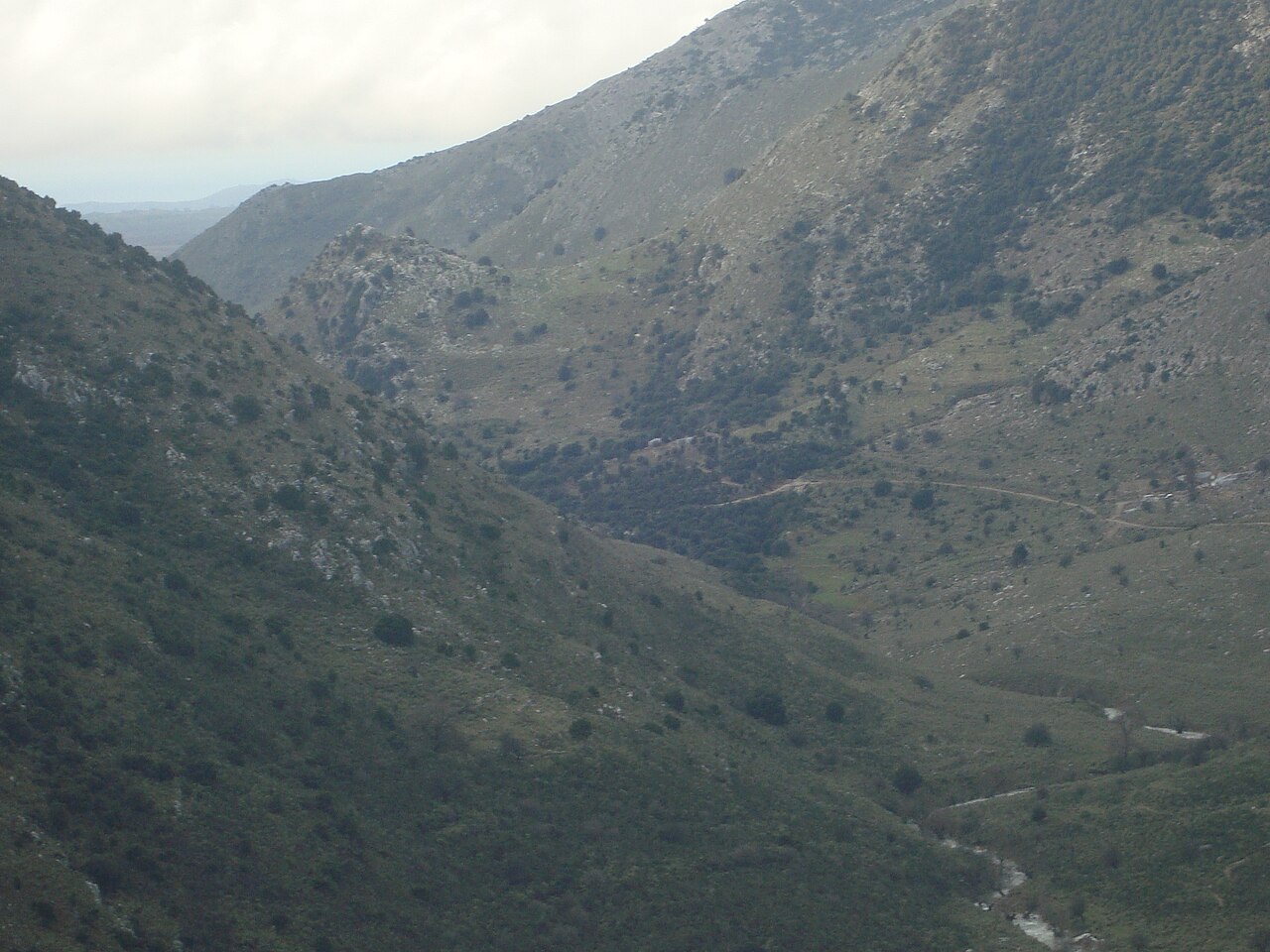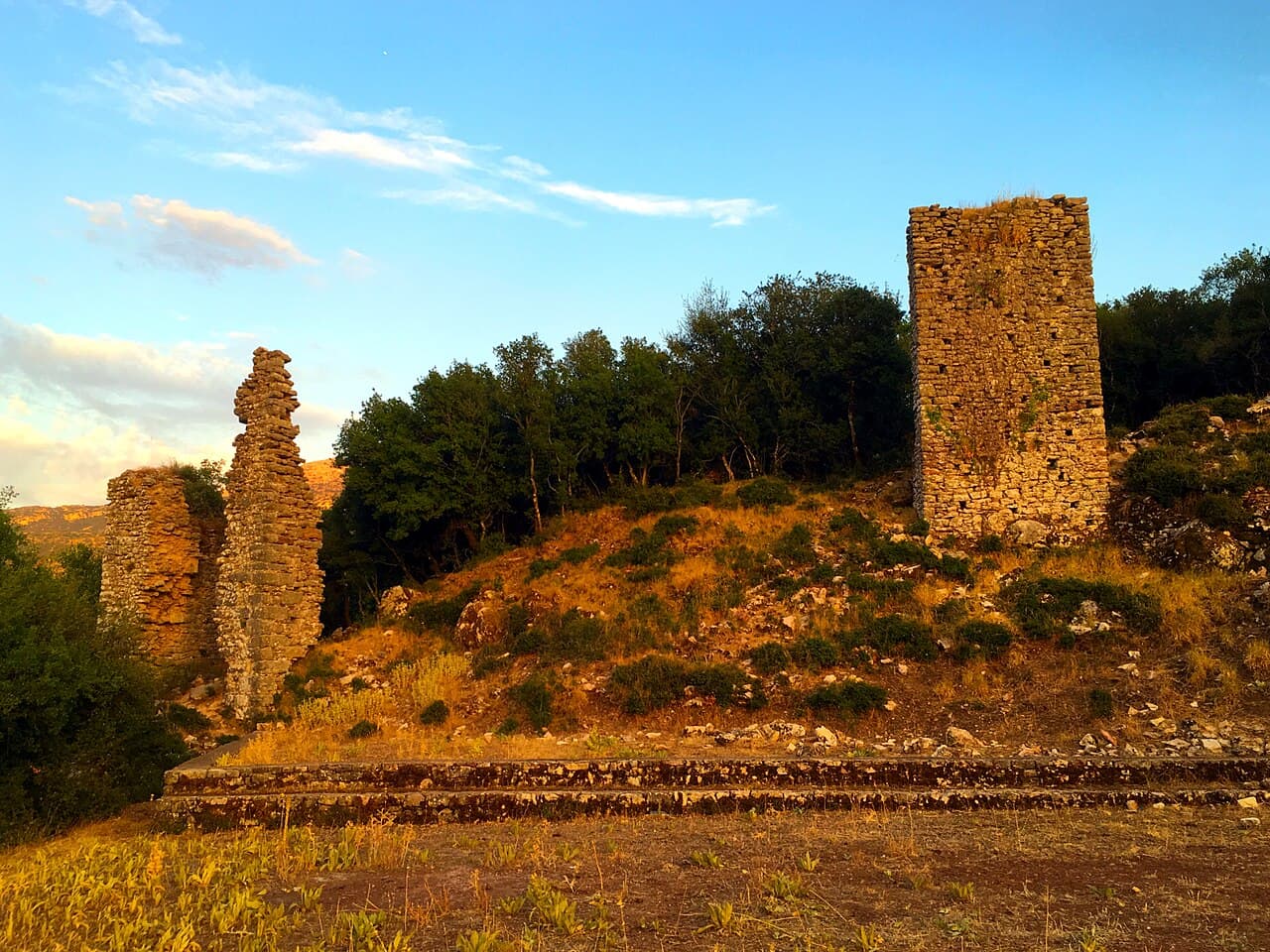
Akova Castle (Greek: Κάστρο της Άκοβας), also known by its Frankish name Mattegriffon, is a significant medieval hill castle located in the region of Gortynia, Arcadia, Greece. Perched atop a steep and strategically advantageous hill, the castle is naturally protected by its nearly inaccessible terrain on three sides, making it a formidable defensive structure during the medieval period.
The barony and historical context
The castle served as the administrative and military center of the Barony of Akova, one of the most important lordships within the Principality of Achaea. This principality was established in the Morea region following the Fourth Crusade in the early 13th century, when Frankish knights and nobles carved out territories across the Peloponnese. Akova was strategically crucial due to its commanding position overseeing the surrounding landscape and routes.
The Barony of Akova played a key role in the complex feudal and military networks of Frankish Greece, acting as both a fortress and a lordly seat. The castle's Frankish name, Mattegriffon, reflects its Western European heritage and the cultural fusion that characterized the crusader states in Greece.
Architectural features and layout
The castle's design is typical of medieval fortifications built to exploit natural topography for defense. The steep hill on which Akova Castle stands provides natural protection, with artificial fortifications reinforcing the vulnerable approaches. The layout likely included curtain walls, towers, and a keep or main donjon, which would have served as the last refuge during sieges.
Although much of the structure is now in ruins, archaeological evidence suggests the presence of multiple defensive layers and living quarters within the walls. The castle's position would have allowed for surveillance of the surrounding region and control over local routes, essential for the barony's administration and defense.
Ancient heritage beneath the castle
Below the castle lie the ruins of an ancient acropolis, believed by some scholars to be the site of ancient Teuthis, a settlement from classical antiquity. This connection underscores the long history of strategic occupation of the site, from ancient Greek times through the medieval period.
The presence of these ancient ruins adds an archaeological dimension to Akova Castle, highlighting the continuity of human settlement and the enduring importance of this location in the Peloponnesian landscape.
Modern cultural significance and events
In recent decades, Akova Castle has become a focal point for cultural activities in the region. For over 40 years, the castle grounds have hosted a summer festival organized by the nearby village of Vyziki. This festival features theatrical plays and various cultural events, drawing visitors and locals alike to celebrate the area's heritage.
These events not only promote the castle as a historical monument but also contribute to the local community's cultural life, linking the medieval past with contemporary traditions.
Visiting Akova Castle today
Visitors to Akova Castle can explore the ruins and enjoy panoramic views of the surrounding Arcadian countryside. The castle's hilltop location offers a glimpse into medieval military architecture and the historical landscape of the Frankish Principality of Achaea.
While the castle remains partially preserved, its evocative ruins and the ancient remains below make it a site of interest for historians, archaeologists, and tourists seeking to understand the layered history of the Peloponnese.
Frequently asked questions (FAQ)
- When was Akova Castle built and by whom?
- Akova Castle was built in the 13th century during the establishment of the Frankish Principality of Achaea following the Fourth Crusade. It served as the center of the Barony of Akova, a significant Frankish lordship in the Morea region.
- What is the historical significance of Akova Castle?
- The castle was a key stronghold in the Principality of Achaea, controlling important routes and serving as the administrative center of the Barony of Akova. It reflects the Frankish influence in medieval Greece after the Crusades.
- Can visitors access Akova Castle today?
- Yes, visitors can explore the ruins of Akova Castle, which offer panoramic views of the surrounding Arcadian landscape. The site is accessible from the nearby village of Vyziki, which also hosts cultural events at the castle during summer.
- What ancient ruins are found near Akova Castle?
- Beneath Akova Castle lie ruins of an ancient acropolis, possibly ancient Teuthis, indicating the site’s long history of strategic importance from classical antiquity through the medieval period.
- Are there any cultural events held at Akova Castle?
- For over 40 years, the castle has hosted a summer festival organized by the village of Vyziki, featuring theatrical plays and cultural activities that celebrate the region’s heritage and attract visitors.
Photo gallery

Information
Loading map...
Visitor reviews
No reviews yet. Been here? Write the first review and help other travelers!
Write the first reviewVisited this castle? Share your experience
Your review helps other travelers and adds first-hand knowledge to our encyclopedia.