Castle of Szarvaskő — Hungary castle

Castle of Szarvaskő

Castle of szarvaskő
Late Medieval (14th–15th c.)
Ruins
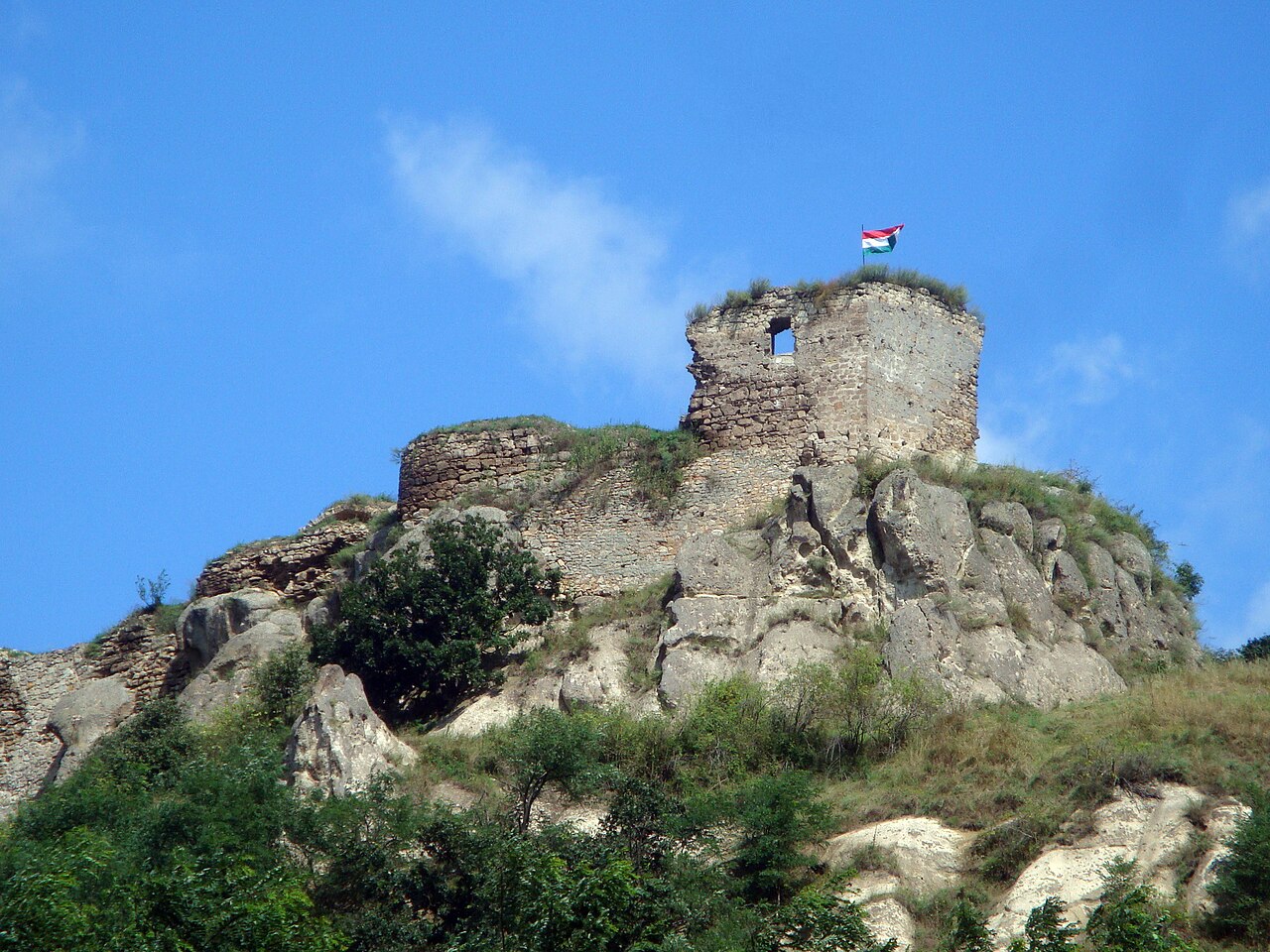
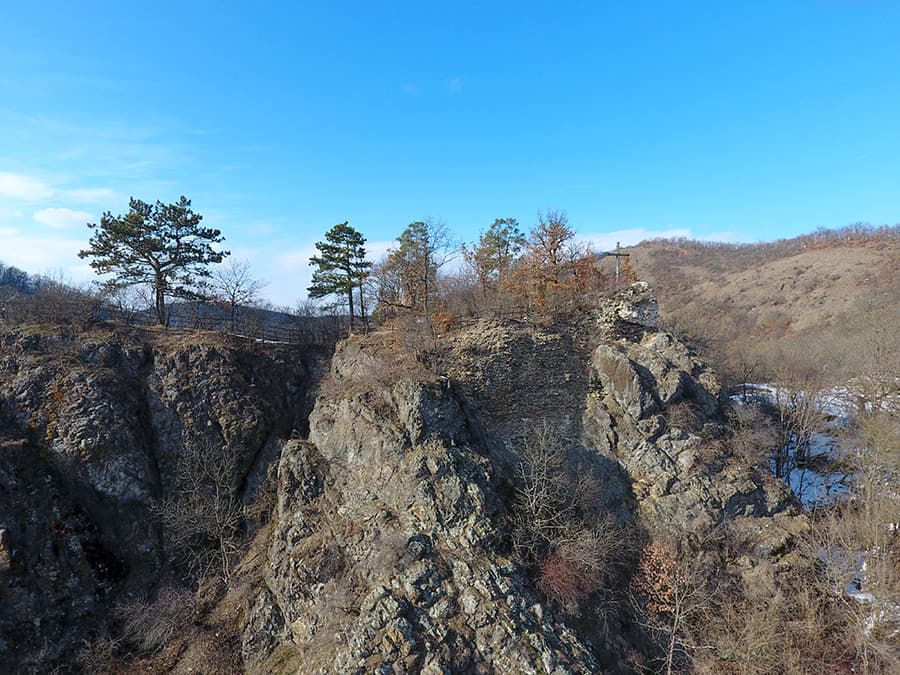
The castle of Szarvaskő is a notable hill castle located in Hungary, distinguished by its strategic position atop a rocky outcrop overlooking the surrounding landscape. This medieval fortress, now in a state of ruins, offers a glimpse into the defensive architecture and feudal history of the region. The castle is set amidst the picturesque terrain of the Bükk Mountains, providing commanding views that once served military purposes.

Historical background and significance

The origins of the castle of Szarvaskő date back to the 13th century, a period marked by the widespread construction of fortifications across Hungary following the Mongol invasions. It was built primarily as a defensive stronghold to protect local settlements and trade routes from invaders. The castle played a role in regional conflicts during the late medieval period, witnessing various sieges and ownership changes among Hungarian nobility and royal forces.

Throughout its history, the castle served not only as a military bastion but also as a symbol of feudal power in the area. Its control was crucial for maintaining dominance over the surrounding valleys and passes, which were vital for commerce and military movements.

Architectural features and layout

The castle of Szarvaskő exemplifies typical hill castle design, utilizing the natural topography to enhance its defenses. The fortress was constructed using local stone, with remnants of thick curtain walls and defensive towers still visible today. The castle's layout includes a central keep or donjon, surrounded by an irregularly shaped curtain wall adapted to the rocky terrain.

Key features include the remains of a gatehouse, battlements, and sections of the outer walls that once enclosed a courtyard. The castle's defensive structures were designed to withstand sieges, with narrow arrow slits and elevated positions for archers. The use of natural rock formations as part of the defensive system is a notable aspect of its construction.

The keep and defensive towers

The central keep served as the last line of defense and the residence of the castle's lord. Although largely ruined, the foundations and some wall fragments indicate a multi-story structure with thick walls. Several smaller towers were positioned along the curtain walls to provide flanking fire and observation points.

Decline and current condition

Like many medieval fortresses, the castle of Szarvaskő fell into decline as military technology evolved and the region stabilized politically. The castle was eventually abandoned and partially dismantled, leading to its current state as ruins. Despite this, the site remains accessible and is a popular destination for hikers and history enthusiasts interested in medieval Hungarian architecture.

Conservation efforts focus on stabilizing the remaining structures and preserving the site as a cultural heritage landmark. Interpretive signage and guided tours help visitors understand the castle's historical context and architectural significance.

Visiting information and cultural importance

The castle is located in a remote, natural setting that enhances its atmospheric ruins. Visitors can explore the rocky terrain and enjoy panoramic views of the surrounding Bükk Mountains. The site is open year-round, though access may be limited during severe weather conditions due to its hillside location.

Nearby villages offer accommodations and additional cultural attractions, making the castle of Szarvaskő a valuable part of regional tourism. The castle's blend of natural beauty and historical intrigue continues to draw visitors interested in Hungary's medieval past.

Frequently asked questions (FAQ)

How do I get to the Castle of Szarvaskő?
The Castle of Szarvaskő is located in Hungary, approximately 30 kilometers from Eger. Visitors can reach it by car or public transport, with local buses connecting nearby towns. Parking is available near the castle for those driving.
What is the historical significance of the Castle of Szarvaskő?
The Castle of Szarvaskő dates back to the 13th century and played a crucial role in the defense against Ottoman invasions. It has a rich history reflecting the architectural styles of the medieval period and has been a symbol of Hungarian resilience. The castle's ruins provide insight into the military architecture of the time.
When was the Castle of Szarvaskő built?
The construction of the Castle of Szarvaskő began in the early 13th century and was completed in subsequent decades. It was strategically built to protect the region and served as a royal fortress. Over the centuries, it has undergone various renovations and repairs, reflecting its historical importance.
Can I visit the Castle of Szarvaskő?
Yes, the Castle of Szarvaskő is open to visitors, and exploring its ruins offers a glimpse into Hungary's medieval history. Guided tours are available, providing insights into the castle's architecture and historical context. Ensure to check the opening hours before your visit.
Why is the Castle of Szarvaskő popular among tourists?
The Castle of Szarvaskő attracts tourists due to its picturesque location and rich history. Its ruins offer stunning views of the surrounding landscape, making it a perfect spot for photography and exploration. Additionally, its historical significance and architectural features draw history enthusiasts from around the world.
Is it possible to explore the castle grounds freely?
Yes, visitors can explore the castle grounds freely, allowing for a self-guided experience. However, certain areas may require a guided tour for a more in-depth understanding of the site's history and architecture. It's recommended to check with the on-site staff for any restrictions or guided tour availability.
What are the opening hours for the Castle of Szarvaskő?
The Castle of Szarvaskő typically opens from 10 AM to 6 PM during the tourist season, which runs from April to October. During the off-season, hours may vary, so it's best to check the official website or contact local tourism information for the most accurate details. Plan your visit accordingly to make the most of your time at the castle.
Are there any nearby attractions to visit?
Yes, the region surrounding the Castle of Szarvaskő is rich in attractions, including the charming town of Eger, famous for its wine and historical sites. Other nearby attractions include the Eger Castle and the beautiful Bükk National Park, perfect for hiking and nature walks. Combining these visits can enhance your exploration of Hungarian history and nature.
What are the ticket prices for visiting the castle?
Ticket prices for the Castle of Szarvaskő are generally affordable, with discounts available for students and seniors. A standard adult ticket typically costs around 1,500 HUF, while children under a certain age may enter for free. Prices may vary for guided tours, so it's advisable to check in advance for any special offers or group rates.

Photo gallery

Castle of Szarvaskő
Click to view

Photo by Civertan•CC BY-SA 4.0

1 photo • Click any image to view in full screen

Information

Hill Castle

Loading map...

Visitor reviews

No reviews yet. Been here? Write the first review and help other travelers!

Write the first review

Visited this castle? Share your experience

Your review helps other travelers and adds first-hand knowledge to our encyclopedia.
Write a review

(5/5)

0/2000 characters

Your review will be visible after admin approval

Nearby castles

10 km
Castle of Eger — Hungary castle

Castle of Eger

Eger, Hungary

The Castle of Eger stands as a monumental symbol of Hungarian resilience and medieval fortification, located prominently on a hillside in the city of Eger, Northern Hungary. This hill castle, built in the 13th century following the devastating Mongol invasion of 1241, was strategically constructed to guard the northern frontiers of the Kingdom of Hungary. Over centuries, it evolved architecturally and militarily, reflecting the turbulent history of the region and the shifting tides of power during the High medieval and early modern periods. Originally established on the orders of the Bishop of Eger, the castle's site had religious significance dating back to the 11th century, with the construction of a Romanesque rotunda and a three-nave cathedral dedicated to Saint John the Evangelist. This ecclesiastical complex underscored Eger's importance as a bishopric founded by King Saint Stephen, Hungary's first king. The cathedral was later rebuilt in the Gothic style during the 14th century, illustrating the architectural transition and the growing influence of Gothic ecclesiastical design in Hungary. Architectural evolution and fortifications The stone castle itself was erected after the Mongol devastation, with successive expansions and reconstructions spanning several centuries. The fortress occupies an irregular pentagonal area roughly 240 meters west to east and 200 meters north to south, perched on a rocky hill overlooking the town. Its defensive system comprises two main curtain walls—the outer and inner walls—reinforced by multiple bastions constructed primarily in the mid-16th century. These bastions, including the Varkoch Bastion (1542), Gergely Bastion (1553-1555), and Sándor Bastion (1542-1548), were designed by renowned military architects such as Alessandro Vedani and Ottavio Baldigara, integrating Italian Renaissance military engineering principles to withstand artillery siege warfare. The main entrance faces southeast towards Dobó Square, accessed through the Varkoch Bastion and the Hippolyt Gate tower, built between 1498 and 1520. This gatehouse features painted coats of arms and seating niches, indicating its dual role in defense and ceremonial functions. The castle's walls are primarily constructed from riolittufa, a volcanic stone that is soft and easily carved but vulnerable to frost damage, necessitating frequent repairs throughout the castle's history. The episcopal palace and cathedral ruins Within the inner castle stands the Gothic Bishop's Palace, built around 1470 by Bishop János Beckensloer. This one-story building features original Gothic elements such as cross vaulting and arcaded corridors, with an 18th-century upper floor addition showcasing a blend of Gothic and Renaissance styles. The palace houses the Hall of Heroes, dedicated to the defenders of the castle during the famous 1552 siege, including the tombstone of Captain István Dobó surrounded by symbolic statues and a commemorative plaque listing the names of the defenders. Adjacent to the palace are the ruins of the medieval cathedral, once a three-nave structure combining Romanesque and Gothic architectural elements. The tallest surviving pillar shaft is crowned by a statue of Saint Stephen, installed in 1835, symbolizing the site's enduring religious significance. The castle grounds also include a ruin garden with restored remnants of the Romanesque, Gothic, and late Gothic cathedral phases. The siege of 1552 and military history The Siege of Eger in 1552 is the castle's most celebrated historical event, immortalized in Hungarian culture and literature, notably in Géza Gárdonyi's novel "Eclipse of the Crescent Moon". During this siege, a small force of approximately 2,100-2,300 Hungarian defenders, led by Captain István Dobó, successfully resisted an overwhelming Ottoman army numbering between 35,000 and 40,000 troops commanded by Kara Ahmed Pasha. The defenders endured intense bombardment and repeated assaults over five weeks, ultimately forcing the Ottoman army to retreat with heavy casualties. This victory became a symbol of national pride and resistance against Ottoman expansion in Europe. Following the siege, the castle underwent extensive modernization to enhance its defenses. New bastions and strengthened walls were constructed, and the fortress was equipped to house a garrison of around 7,000 soldiers. Supporting infrastructure such as a gunpowder mill supplied by the town of Debrecen was established to sustain prolonged military engagements. Despite these improvements, the castle fell to the Ottomans in a second siege in 1596. During the subsequent 91 years of Ottoman occupation, the fortress was maintained and expanded, incorporating Islamic architectural features including hamams (baths), mosques, and minarets. Today, one minaret remains as a testament to this period of Turkish rule. Later history and decline In 1687, the castle was recaptured by Habsburg forces after a prolonged siege. However, in 1701, the Austrians deliberately demolished much of the outer fortifications, particularly the Külső vár (outer castle), to prevent its future military use. This act marked the beginning of the castle's gradual decline. Over the following centuries, the castle's stones were repurposed for local construction, and it served as military barracks until 1957. Archaeological excavations began in 1925, uncovering extensive underground tunnels and vaulted halls beneath the city, revealing the complex defensive system that had supported the fortress throughout its history. Current status and museum exhibitions Today, the Castle of Eger is home to the István Dobó Castle Museum, which offers several permanent exhibitions that showcase the castle's rich history and cultural heritage. These include the Gothic Bishop's Palace exhibition detailing the castle's history, the Hall of Heroes honoring the 1552 defenders, and the Kazamaták—the extensive underground passageways featuring Romanesque and Gothic lapidary collections. The museum also features a ruin garden with restored cathedral ruins, an image gallery displaying works by 16th to 19th-century painters, and prison exhibits illustrating historical enforcement mechanisms and torture devices used in Hungary. Additionally, waxworks bring to life key historical figures and moments associated with the castle. Thanks to its compelling history and diverse exhibitions, the Castle of Eger is one of Hungary's most visited tourist destinations, attracting visitors interested in medieval history, military architecture, and Hungarian cultural heritage. Architectural details and preservation efforts The castle's fortifications include embrasures, gun platforms, and bastions designed to resist cannon fire, although its defensive position was challenged by the nearby higher Almagyar Hill, which allowed attackers an elevated vantage point. Restoration efforts in the 20th and 21st centuries have focused on reinforcing the subterranean structures with modern materials such as reinforced concrete, reconstructing bastions like the Szép Bastion, and reopening collapsed sections of the tunnel system. Additional buildings on the grounds include late 19th-century barracks, a Gothic house attached to the western wall, and remnants of chapels and a provisional palace near the cathedral ruins. The site's fortifications also encompass museum spaces, including a preserved powder magazine and former prison areas, all integrated within the bastions and underground casemates.

High Medieval (11th–13th c.)
Details
11.4 km
Castle of Sirok — Hungary castle

Castle of Sirok

Sirok, Hungary

The Castle of Sirok is a striking example of a medieval hill castle perched atop a volcanic rhyolite tuff hill known as Várhegy, in the municipality of Sirok, Hungary. This fortress embodies a rich tapestry of Central European history, reflecting the region's complex cultural and military evolution from the early Middle Ages through the early modern period. Its strategic location and robust fortifications made it a key defensive stronghold, particularly during turbulent periods such as the Ottoman wars and the conflicts surrounding the Kingdom of Hungary. Early origins and medieval development The site of the castle has origins that likely date back to early fortifications constructed by the Avar people, who inhabited the region during the early medieval period. In the 8th century, Slavic tribes took control, rebuilding the fortress to suit their defensive needs. The arrival of the Hungarians marked a new era for the castle, with the Birh-Bodon branch of the Aba clan assuming ownership and undertaking significant construction projects. The first documented mention of Sirok Castle appears in 1320, during a period of regional conflict when forces loyal to King Charles I captured it from the Aba descendants. Throughout the 14th century, the castle's ownership changed hands multiple times, passing between royal authorities and various noble families such as the Kompolthy, Chenyk, Domoszlai, Tari, Guthi Országh, and Kompolti clans. By 1475, the fortress was confirmed as property of King Matthias Corvinus (Hunyadi Mátyás), underlining its ongoing strategic importance in the defense of the kingdom. Renaissance modernization and military significance In 1561, Országh Kristóf initiated a major modernization campaign, particularly focusing on the upper castle. He constructed the lower castle fortified with three bastions designed in the Italian military style, incorporating advanced defensive features such as thick walls and cannon embrasures. These enhancements integrated Sirok Castle into the defensive border system near Eger, strengthening its role as a key military stronghold during the Ottoman threat. The castle's military role shifted dramatically in 1596 when it was abandoned by a poorly equipped garrison and surrendered without resistance to the Ottoman forces. The Turks reinforced the outer walls with stones taken from a demolished church and added wooden structures to bolster defenses. Despite this, Sirok Castle supported the defense of Eger in 1687 but gradually lost its military significance afterward, falling into disrepair. Post-ottoman era and decline By 1694, the castle came under the ownership of Marquis Bagni, who restored parts of the fortress and stationed imperial troops there. Although it did not play a military role during Rákóczi’s War of Independence in the early 18th century, imperial forces deliberately damaged the castle in 1713 to prevent it from becoming a rebel stronghold. Over the following centuries, the castle passed through several noble families, including the Orczyné, Novotny, Vécsey, and Nyáry. Its last private owner before the mid-20th century was Count György Károlyi, who held it until 1945. During this period, the fortress remained in ruins with minimal maintenance. Extensive archaeological excavations led by Béla Kovács between 1965 and 1972 uncovered the full extent of the lower castle and parts of the underground tunnel system beneath the upper castle, shedding light on the castle's complex structure and historical usage. In 1994, the site was officially designated a national heritage monument, recognizing its cultural and historical significance. Architectural features and layout Lower castle The lower castle is the oldest part of the fortress, featuring an irregular layout adapted to the rocky terrain. It includes two prominent pentagonal bastions at the southwest and northeast corners, built in the Italian military style with thick walls ranging from 2.2 to 3.5 meters. These bastions contain cannon embrasures, demonstrating adaptations for artillery defense. The main entrance was located beneath a northern wall projection, defended by a double wolf trap—a pitfall trap—and originally accessed by a counterweight drawbridge. Within the lower castle, archaeological remains include a stable partly cut into the rock and partly constructed from masonry, as well as evidence of timber-framed buildings indicated by post holes. A grain storage pit with a visible top inlet and side door was used for easy access to provisions. A well or cistern remains visible, although its original water source has not been identified. Upper castle The upper castle is rectangular in plan and characterized by large bastions approximately 18 by 18 meters in size, several stories tall, with cannon openings. The walls average about 1.5 meters thick. A notable building on the southeast side, known as the Mulatópalota or entertainment palace, reflects the castle's residential and social functions. The northern section contains a complex system of casemates—vaulted chambers carved into the cliff face with windows, chimneys, and niches for doors and partitions. Near the entrance to these tunnels is a drawing of an armored knight etched into the rock, adding symbolic and artistic character to the fortress. The castle benefits from natural defenses, with a steep cliff rising 25 to 30 meters on the southern side, while the northeast side is protected by an outer rampart and a rock-cut ditch about four meters deep and several meters wide, controlling access through a narrow passage. Underground tunnels and cellar Beneath the upper castle lies an extensive underground tunnel system including a cellar likely used for wine storage. This cellar connects to three branching tunnels from the main corridor and features a vertical shaft used to lift supplies and barrels from below. Local legend speaks of a secret tunnel linking Sirok Castle to nearby Eger Castle, but archaeological investigations have found no evidence of such a passage. Restoration and visitor experience Restoration efforts have focused on reinforcing and conserving the castle's walls, some of which have been heightened while retaining their ruined appearance. Two artillery towers have been fitted with reconstructed wooden floors, serving as viewing terraces with covered spaces beneath. The stone stable has been converted into an enclosed exhibition area with sanitary facilities. A fully functioning counterweight drawbridge has been rebuilt and installed, showcasing medieval engineering techniques. The castle courtyard and approach paths have been cleared and arranged with benches and tables for visitors. Interpretive signage and lighting enhance understanding of the castle's history and architecture. At night, the castle is illuminated from the valley side, emphasizing its commanding position on the volcanic hill.

High Medieval (11th–13th c.)
Details
18.6 km

Cserepvar

Cserepvar, Hungary

Cserepvar castle stands as a testament to Hungary's medieval fortifications, located in the southern part of the Bükk Mountains. The castle's ruins occupy a distinct hilltop at 290 meters above sea level, rising approximately 50 meters above the surrounding terrain. This strategic elevation provided a natural defensive advantage, typical of high medieval fortresses built during the era of the Árpád dynasty. Early history and origins The initial fortified structure at Cserepvar was likely constructed in the late 13th century, serving as a refuge for the noble Panyit family from nearby Miskolc. Early defenses probably consisted of wooden palisades enclosing residential and economic buildings, a common feature of smaller medieval fortifications before the widespread use of stone. Following the extinction of the Panyit lineage around 1330, ownership passed to the related Szécs family. By 1364, the estate was acquired by King Louis the Great, who incorporated it into the domain surrounding the prominent Diósgyőr castle. Transition to stone fortifications The first recorded mention of Cserepvar castle dates to 1408. By the late 14th century, the original wooden fortifications had been destroyed by fire and replaced with a stone castle. The new structure featured a robust stone wall approximately 1.6 to 1.9 meters thick, arranged in an oval plan about 40 meters in diameter. Buildings were constructed against the inner side of the curtain wall, with the main gate located on the southern side. Notably, the castle lacked a well, relying instead on a cistern for water storage, which would have influenced its defensive capabilities during sieges. Ownership and political significance In 1424, King Sigismund of Luxembourg gifted the castle to Queen Barbara of Cilli. From 1438, it belonged to their daughter, Queen Elizabeth of Hungary, wife of Albert of Habsburg. The following year, King Albert granted the castle to István "Pohárnok" Berzevici. By 1458, King Matthias Corvinus transferred the estate to the Rozgonyi family, who soon negotiated joint ownership with the Berzevici family. After the death of István Berzevici around 1462, the Rozgonyi family gained full possession. The castle later passed to the influential Báthory family in 1523 through the marriage of Katalin Rozgonyi and András Báthory. Defensive enhancements and military role The catastrophic defeat of the Hungarian forces at the Battle of Mohács in 1526 prompted widespread efforts to strengthen castles. Cserepvar was fortified with a second ring of walls, 2 to 3 meters thick and 4 to 5 meters high, accompanied by a 12.5-meter-wide moat reinforced with an earthen rampart and palisade. A small bastion, possibly adapted for firearms, was likely constructed on the eastern side, reflecting evolving military technologies. Despite these improvements, Cserepvar was of limited strategic importance and housed only a small garrison, relying heavily on the nearby fortress of Eger for regional defense. Turkish occupation and later history Following multiple Turkish incursions after 1552, the castle was repeatedly captured but not held long-term. The fall of Eger to the Turks in 1596 led to Cserepvar's peaceful occupation. Around 1614, Ottoman forces renovated and strengthened the castle, using it as a forward base. The fortress was reclaimed by Hungarian forces in 1687 during the liberation of Eger. Subsequently, it continued to be used militarily, with calls for restoration from commanders such as Buttler. During the early 18th century, the castle served as a prison for the Bishop of Eger amid the Kuruc uprisings led by Francis II Rákóczi. Decline and current state In the early 1700s, the castle became property of the French L’Huillier family, who constructed a Baroque palace at the hill's base around 1719, now lost to time. The medieval castle's stone walls were quarried for building materials, accelerating its deterioration. Today, the site is a wooded ruin with modest remains of stone walls. Recent archaeological excavations have gradually unveiled more about Cserepvar's layered history, offering valuable insights into its construction phases, ownership lineage, and military significance. Architectural features and layout Cserepvar castle exemplifies a bastioned fortress adapted over centuries to meet changing defensive needs. The oval-shaped curtain wall enclosing the core area is a notable feature, with thickness varying between 1.6 and 1.9 meters. The addition of a second defensive wall and moat in the 16th century reflects the transition from medieval to early modern fortification principles. The probable bastion on the eastern side indicates an early adaptation to gunpowder weaponry. The absence of a well and reliance on a cistern suggest logistical limitations common in smaller fortresses. Site topography and strategic location Situated on a hill rising distinctly above the surrounding landscape, Cserepvar's location provided commanding views and control over local routes. The 50-meter relative height advantage was critical for surveillance and defense. The hilltop's natural features were integrated into the castle's design, maximizing its defensive potential despite its modest size. Cultural heritage and archaeological research Cserepvar castle is a significant cultural monument illustrating the evolution of Hungarian medieval fortifications and noble estates. Its history reflects the complex political and military dynamics of the region from the Árpád dynasty through the Ottoman period and into the early modern era. Ongoing archaeological investigations have uncovered foundational walls, artifacts, and structural details that enrich understanding of the castle's construction techniques and daily life within its walls. Visitors today can explore the forested ruins and appreciate the castle's historical context within the broader landscape of Hungarian medieval architecture. Interpretive efforts continue to enhance public knowledge and preservation of this evocative site.

High Medieval (11th–13th c.)
Details