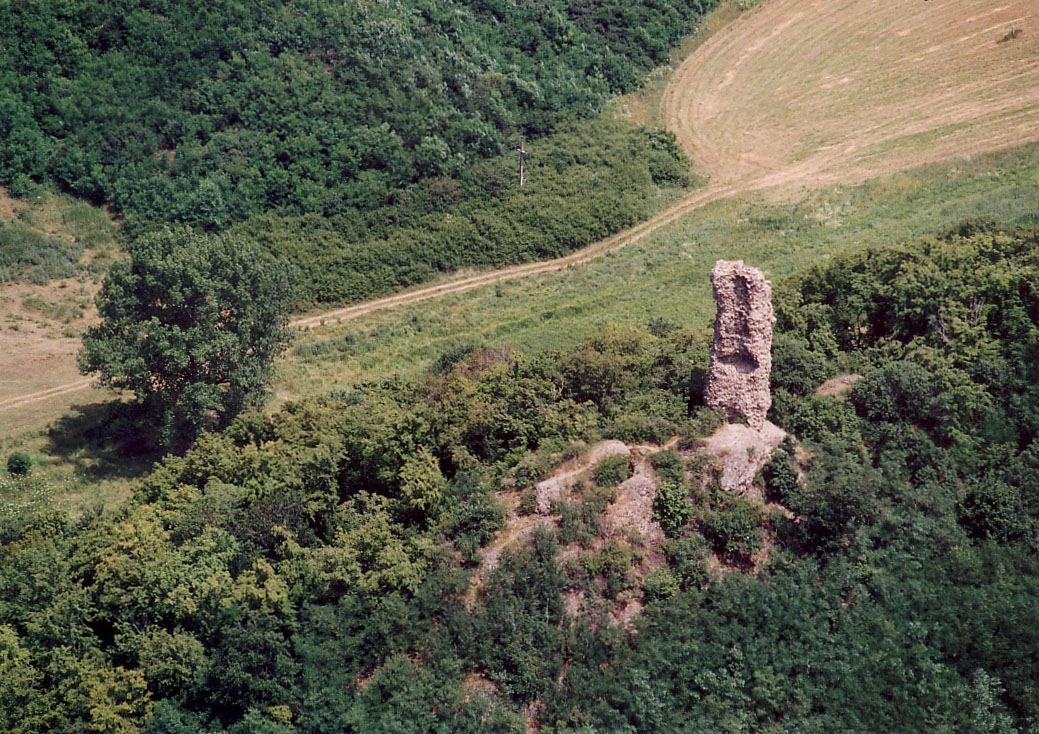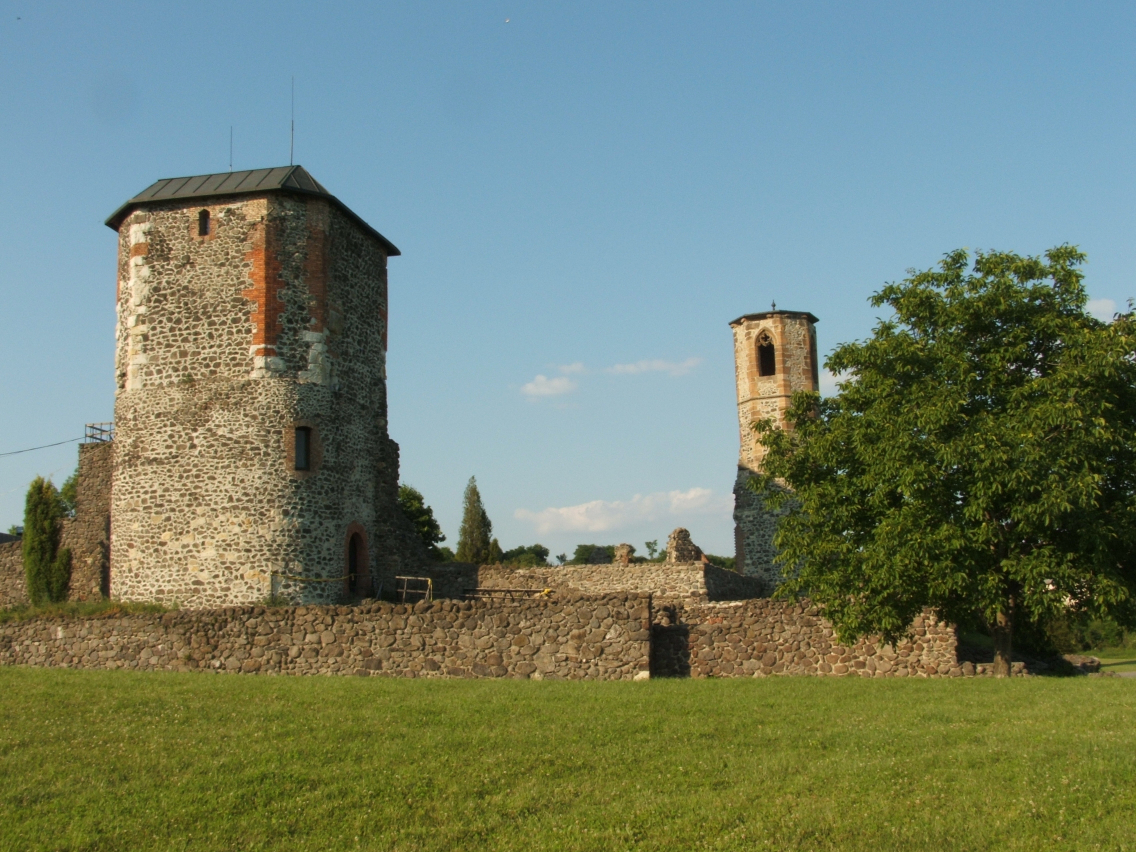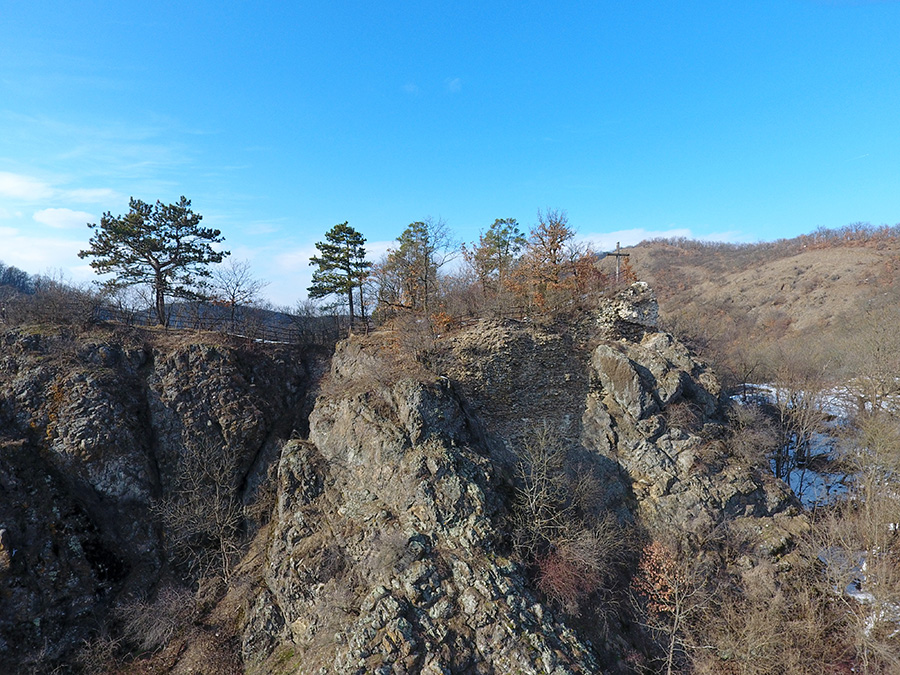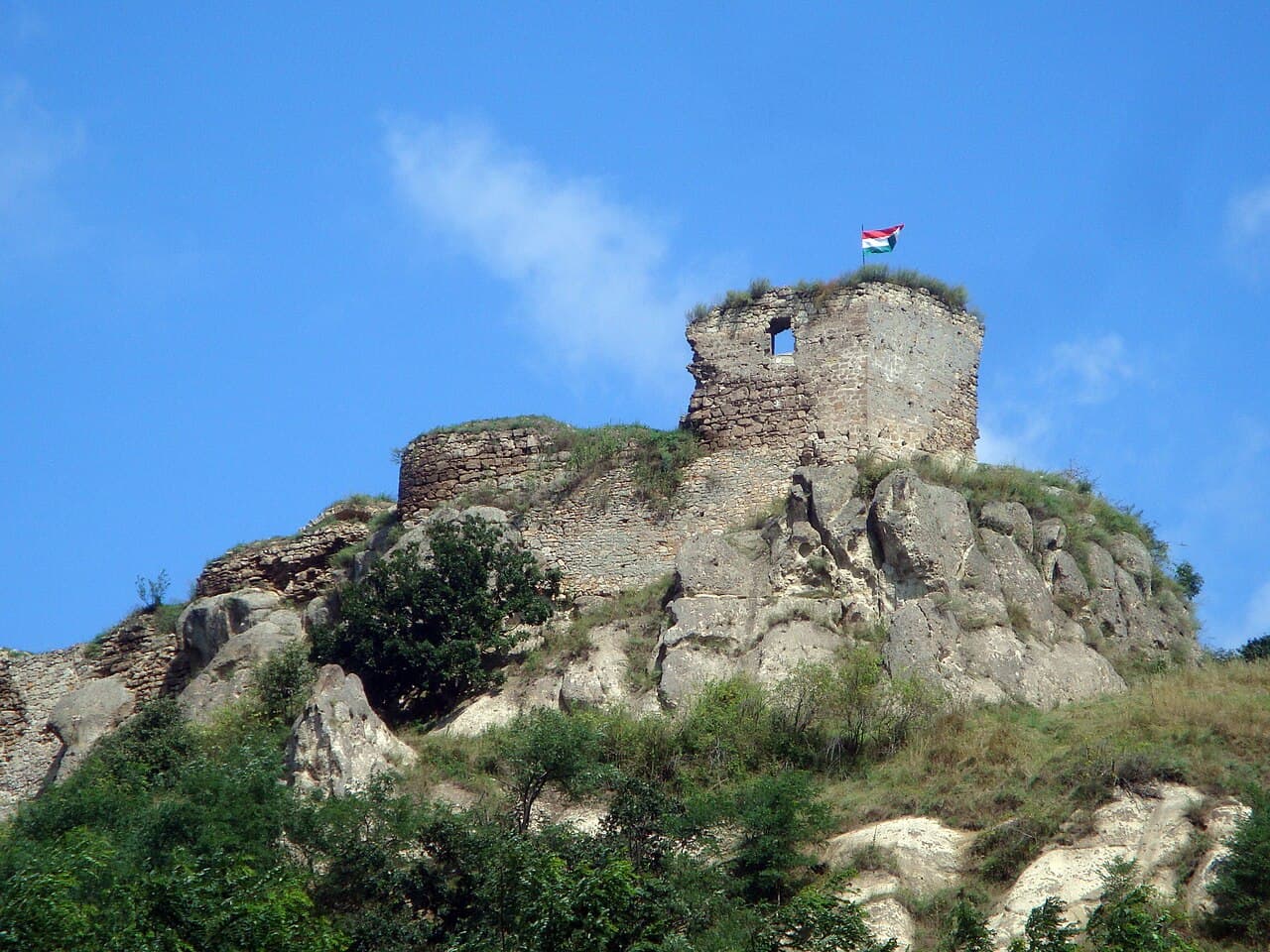
The Castle of Sirok is a striking example of a medieval hill castle perched atop a volcanic rhyolite tuff hill known as Várhegy, in the municipality of Sirok, Hungary. This fortress embodies a rich tapestry of Central European history, reflecting the region's complex cultural and military evolution from the early Middle Ages through the early modern period. Its strategic location and robust fortifications made it a key defensive stronghold, particularly during turbulent periods such as the Ottoman wars and the conflicts surrounding the Kingdom of Hungary.
Early origins and medieval development
The site of the castle has origins that likely date back to early fortifications constructed by the Avar people, who inhabited the region during the early medieval period. In the 8th century, Slavic tribes took control, rebuilding the fortress to suit their defensive needs. The arrival of the Hungarians marked a new era for the castle, with the Birh-Bodon branch of the Aba clan assuming ownership and undertaking significant construction projects. The first documented mention of Sirok Castle appears in 1320, during a period of regional conflict when forces loyal to King Charles I captured it from the Aba descendants.
Throughout the 14th century, the castle's ownership changed hands multiple times, passing between royal authorities and various noble families such as the Kompolthy, Chenyk, Domoszlai, Tari, Guthi Országh, and Kompolti clans. By 1475, the fortress was confirmed as property of King Matthias Corvinus (Hunyadi Mátyás), underlining its ongoing strategic importance in the defense of the kingdom.
Renaissance modernization and military significance
In 1561, Országh Kristóf initiated a major modernization campaign, particularly focusing on the upper castle. He constructed the lower castle fortified with three bastions designed in the Italian military style, incorporating advanced defensive features such as thick walls and cannon embrasures. These enhancements integrated Sirok Castle into the defensive border system near Eger, strengthening its role as a key military stronghold during the Ottoman threat.
The castle's military role shifted dramatically in 1596 when it was abandoned by a poorly equipped garrison and surrendered without resistance to the Ottoman forces. The Turks reinforced the outer walls with stones taken from a demolished church and added wooden structures to bolster defenses. Despite this, Sirok Castle supported the defense of Eger in 1687 but gradually lost its military significance afterward, falling into disrepair.
Post-ottoman era and decline
By 1694, the castle came under the ownership of Marquis Bagni, who restored parts of the fortress and stationed imperial troops there. Although it did not play a military role during Rákóczi’s War of Independence in the early 18th century, imperial forces deliberately damaged the castle in 1713 to prevent it from becoming a rebel stronghold. Over the following centuries, the castle passed through several noble families, including the Orczyné, Novotny, Vécsey, and Nyáry. Its last private owner before the mid-20th century was Count György Károlyi, who held it until 1945. During this period, the fortress remained in ruins with minimal maintenance.
Extensive archaeological excavations led by Béla Kovács between 1965 and 1972 uncovered the full extent of the lower castle and parts of the underground tunnel system beneath the upper castle, shedding light on the castle's complex structure and historical usage. In 1994, the site was officially designated a national heritage monument, recognizing its cultural and historical significance.
Architectural features and layout
Lower castle
The lower castle is the oldest part of the fortress, featuring an irregular layout adapted to the rocky terrain. It includes two prominent pentagonal bastions at the southwest and northeast corners, built in the Italian military style with thick walls ranging from 2.2 to 3.5 meters. These bastions contain cannon embrasures, demonstrating adaptations for artillery defense. The main entrance was located beneath a northern wall projection, defended by a double wolf trap—a pitfall trap—and originally accessed by a counterweight drawbridge.
Within the lower castle, archaeological remains include a stable partly cut into the rock and partly constructed from masonry, as well as evidence of timber-framed buildings indicated by post holes. A grain storage pit with a visible top inlet and side door was used for easy access to provisions. A well or cistern remains visible, although its original water source has not been identified.
Upper castle
The upper castle is rectangular in plan and characterized by large bastions approximately 18 by 18 meters in size, several stories tall, with cannon openings. The walls average about 1.5 meters thick. A notable building on the southeast side, known as the Mulatópalota or entertainment palace, reflects the castle's residential and social functions.
The northern section contains a complex system of casemates—vaulted chambers carved into the cliff face with windows, chimneys, and niches for doors and partitions. Near the entrance to these tunnels is a drawing of an armored knight etched into the rock, adding symbolic and artistic character to the fortress.
The castle benefits from natural defenses, with a steep cliff rising 25 to 30 meters on the southern side, while the northeast side is protected by an outer rampart and a rock-cut ditch about four meters deep and several meters wide, controlling access through a narrow passage.
Underground tunnels and cellar
Beneath the upper castle lies an extensive underground tunnel system including a cellar likely used for wine storage. This cellar connects to three branching tunnels from the main corridor and features a vertical shaft used to lift supplies and barrels from below. Local legend speaks of a secret tunnel linking Sirok Castle to nearby Eger Castle, but archaeological investigations have found no evidence of such a passage.
Restoration and visitor experience
Restoration efforts have focused on reinforcing and conserving the castle's walls, some of which have been heightened while retaining their ruined appearance. Two artillery towers have been fitted with reconstructed wooden floors, serving as viewing terraces with covered spaces beneath. The stone stable has been converted into an enclosed exhibition area with sanitary facilities.
A fully functioning counterweight drawbridge has been rebuilt and installed, showcasing medieval engineering techniques. The castle courtyard and approach paths have been cleared and arranged with benches and tables for visitors. Interpretive signage and lighting enhance understanding of the castle's history and architecture. At night, the castle is illuminated from the valley side, emphasizing its commanding position on the volcanic hill.
Frequently asked questions (FAQ)
- How do I get to the castle of sirok?
- The castle of sirok is located on a volcanic hill in the municipality of sirok, northern hungary. It is accessible by car and local buses from nearby towns such as eger. Visitors should prepare for a steep walk uphill to reach the fortress.
- What is the historical significance of the castle of sirok?
- The castle of sirok played a key role in regional defense during the medieval and renaissance periods. It was part of the border defense system against the ottoman empire and witnessed ownership changes among notable noble families and royal authorities.
- Can I explore the underground tunnels at sirok castle?
- Yes, parts of the extensive underground tunnel system beneath the upper castle have been excavated and are accessible to visitors. These tunnels include vaulted casemates and a wine cellar, offering insight into the castle's defensive and storage functions.
- When is the best time to visit sirok castle?
- The castle is open daily from 10:00 to 16:00, making spring through autumn the best seasons to visit. The hilltop location offers scenic views and pleasant weather during these months.
- Are there any facilities for visitors at the castle?
- The castle has been partially restored to include exhibition spaces, sanitary facilities, and seating areas. Interpretive signage and lighting enhance the visitor experience, and the site is illuminated at night for dramatic views.
Photo gallery

Information
Opening hours
10:00-16:00, daily
Ticket prices
€5 adult, €3 child
Current owner
State museum
Website
Visit websiteSources & official resources
Verify the information above using these authoritative references.
Loading map...
Visitor reviews
No reviews yet. Been here? Write the first review and help other travelers!
Write the first reviewVisited this castle? Share your experience
Your review helps other travelers and adds first-hand knowledge to our encyclopedia.