Historical background and significance
The site of Salona was originally an important city in the Roman province of Dalmatia, serving as a major urban center and military base. While the ancient city itself dates back to the Roman period, the castle's fortifications were developed and expanded during the early medieval period, adapting the older Roman walls and structures to the defensive needs of the time. The castle played a key role in the region's turbulent history, including various sieges and occupations by different powers over the centuries.
Architectural features and construction
Fortifications and walls
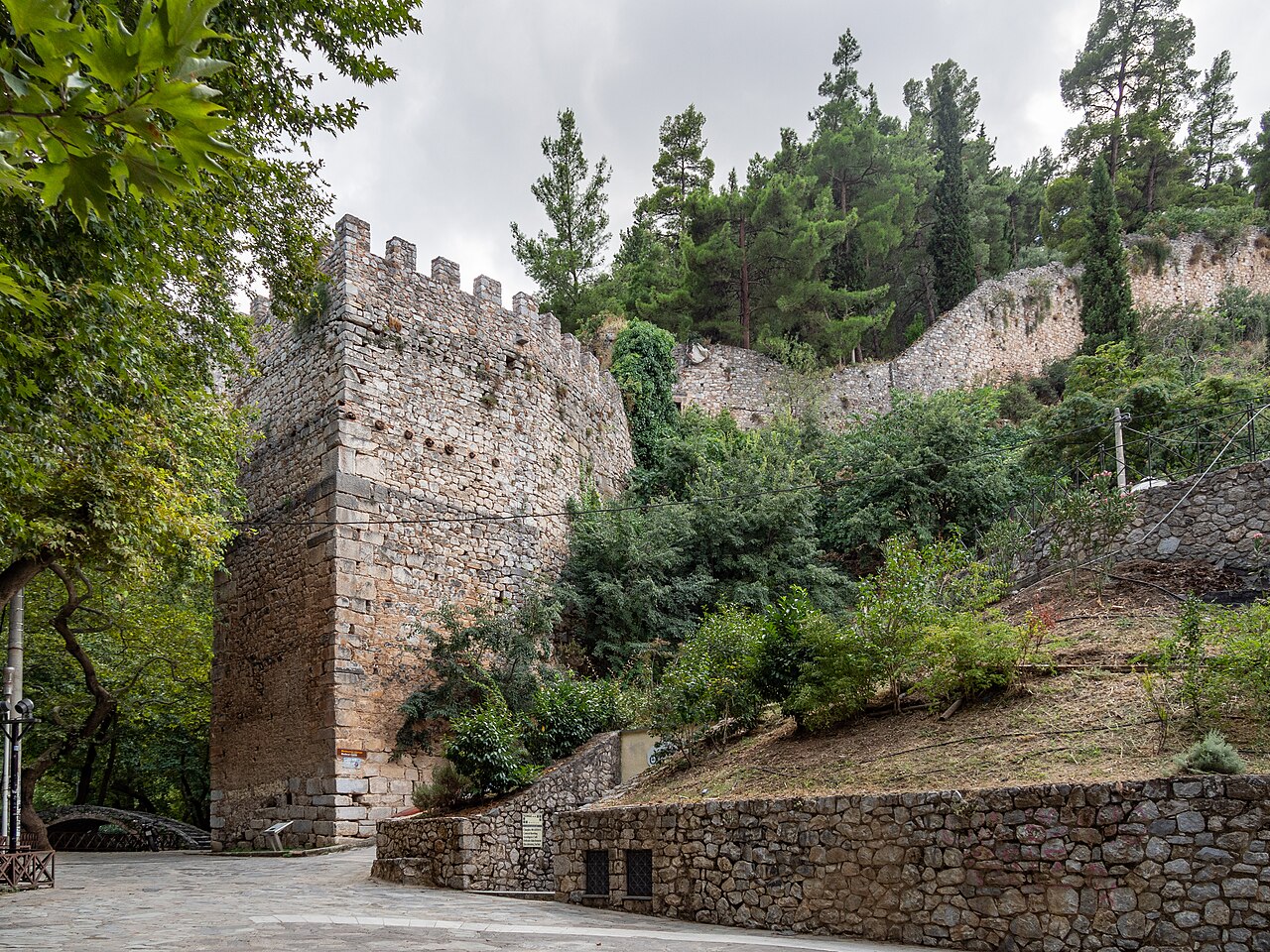
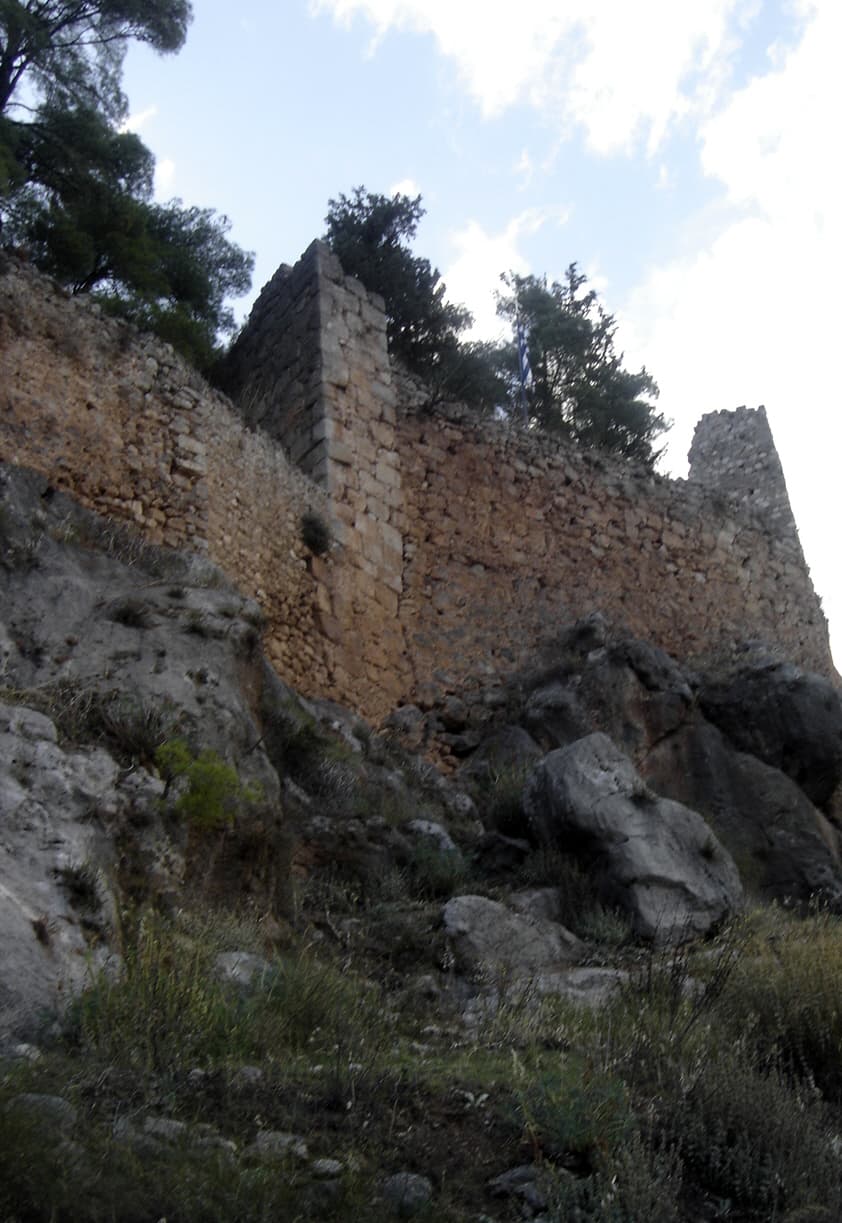
The castle's fortifications consist of robust stone walls that incorporate remnants of Roman masonry alongside medieval construction techniques. The walls are thick and high, designed to withstand siege warfare prevalent during the early medieval and subsequent periods. Defensive elements such as battlements, towers, and gatehouses are integrated into the walls, providing positions for archers and lookouts.
Towers and gates
Several towers punctuate the perimeter of the castle, serving as vantage points and defensive strongholds. These towers vary in shape and size but generally feature narrow windows and embrasures for missile defense. The main gate is fortified with additional defensive works, including a possible barbican or gatehouse structure that would have controlled access to the castle interior.
Role in regional defense and control
Throughout its history, the castle of Salona functioned as a critical defensive bastion controlling access to the surrounding region. Its elevated position allowed defenders to monitor and repel invading forces effectively. The castle's control was vital for maintaining dominance over trade routes and local populations, especially during periods of conflict such as the Byzantine and later medieval eras.
Current condition and preservation
Today, the castle of Salona is classified as a partially preserved hill castle. While much of the original structure remains visible, some sections have deteriorated due to centuries of exposure and lack of continuous maintenance. Archaeological efforts have helped to uncover and stabilize parts of the fortifications, ensuring that the site remains accessible for study and tourism. Visitors can explore the surviving walls, towers, and gate structures, gaining insight into the castle's defensive architecture and historical context.
Visiting the castle of Salona
The castle is accessible to visitors interested in exploring Greece's medieval and ancient military heritage. Its location offers panoramic views and a tangible connection to the region's layered history. While facilities may be limited due to the site's archaeological nature, the castle provides a compelling destination for those fascinated by historical fortifications and the evolution of defensive architecture in the Mediterranean.
Frequently asked questions (FAQ)
- What is the historical significance of the Castle of Salona?
- The Castle of Salona, located in Greece, dates back to the Byzantine period and played a crucial role in the region's defense against invasions. It is renowned for its strategic position and served as an important administrative center in ancient times, reflecting the rich history of the area.
- When was the Castle of Salona built?
- The construction of the Castle of Salona began in the 6th century AD, during the time of the Byzantine Empire. Over the centuries, it underwent various modifications and expansions, showcasing the architectural evolution of fortifications in response to changing military needs.
- How do I get to the Castle of Salona?
- The Castle of Salona is easily accessible by car or public transportation from nearby cities. Visitors can take a bus from the city center of Patras, which is a short distance away, or drive directly to the site, where parking is available.
- Is it possible to visit the Castle of Salona year-round?
- Yes, the Castle of Salona is open for visitors throughout the year, allowing guests to explore its historical ruins and stunning views anytime. However, it's advisable to check for any seasonal hours or special events that might affect access.
- What are the opening hours for the Castle of Salona?
- The Castle of Salona typically opens at 9 AM and closes at 5 PM, with extended hours during the summer months. Visitors should verify the hours before their visit, as they may vary slightly depending on the season.
- Can I take guided tours of the Castle of Salona?
- Yes, guided tours are available for visitors interested in a more in-depth understanding of the Castle of Salona's history and architecture. These tours often provide insights from knowledgeable guides and can enhance the overall experience of exploring the site.
- What are the ticket prices for the Castle of Salona?
- Entrance to the Castle of Salona is typically very affordable, with tickets priced at around €3 for adults. Discounts may be available for students and seniors, making it an economical option for history enthusiasts.
- When is the best time to visit the Castle of Salona?
- The best time to visit the Castle of Salona is during the spring and fall months when the weather is mild and comfortable for exploring. Summer can be hot, so early morning or late afternoon visits are recommended to avoid the heat of the day.
- Are there any nearby attractions to the Castle of Salona?
- Yes, nearby attractions include the ancient city of Corinth and the beautiful beaches along the Gulf of Corinth. Visitors can also explore local museums that showcase the rich history and culture of the region, making it an ideal day trip destination.
Photo gallery

Photo by Lemur12•Attribution
Information
Loading map...
Visitor reviews
No reviews yet. Been here? Write the first review and help other travelers!
Write the first reviewVisited this castle? Share your experience
Your review helps other travelers and adds first-hand knowledge to our encyclopedia.