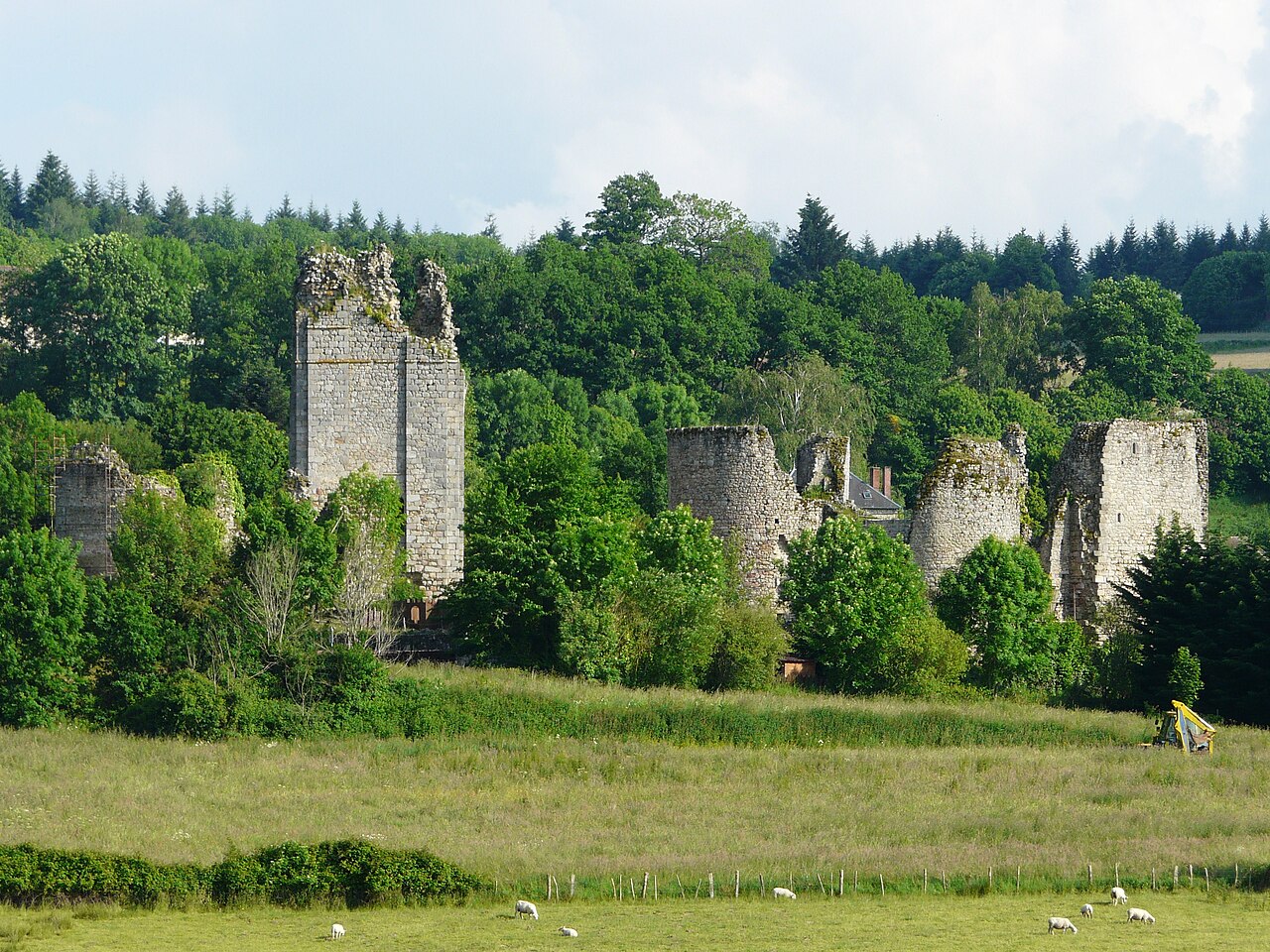
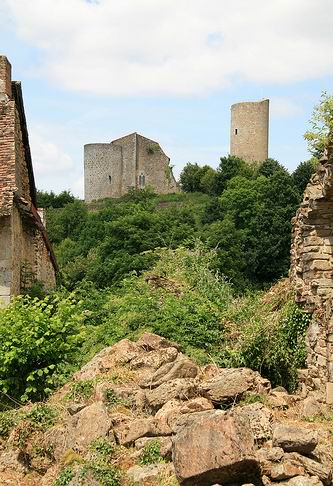
Castle of Rochechouart
The Castle of Rochechouart stands as a remarkable example of High Medieval fortification architecture in the heart of Rochechouart, France. Originally constructed in the 13th century, this castle was likely built on the foundations of an earlier fortification established by the Viscounts of Limoges around the year 1000. Over the centuries, the castle underwent significant transformations to adapt to evolving defensive needs and residential comforts, reflecting the changing architectural and social trends of medieval and early modern France.
Early origins and medieval development
The site initially served as a strategic stronghold for the Viscounts of Limoges, a powerful noble family in the region. The original fortification, dating back to the early medieval period around 1000 AD, was primarily a defensive structure designed to control the surrounding territory. By the 13th century, the castle was rebuilt or extensively remodeled into a more formidable stone fortress, characteristic of high medieval castle architecture, featuring thick walls, towers, and a fortified gatehouse.
The castle's layout likely included a keep (donjon) and curtain walls enclosing a courtyard, typical of the period's military architecture. This design provided defense against siege warfare while also serving as a residence for the noble family. The use of stone and the castle's elevated position on a hill would have enhanced its defensive capabilities.
15th century renovations and architectural evolution
During the 15th century, the castle underwent major renovations that significantly altered its structure. This period marked a transition from purely military functions to more comfortable residential use, reflecting the relative stabilization of the region and advances in siege technology that made traditional fortifications less impregnable.
The renovations included the modification of interior spaces to improve habitability, such as the addition of larger windows, fireplaces, and more refined living quarters. The castle's surviving architectural elements from this era demonstrate a blend of late medieval defensive features with early Renaissance influences, visible in decorative details and frescos.
Impact of the french revolution and 19th century restoration
The French Revolution brought turmoil to many noble estates, including the Castle of Rochechouart. Revolutionaries attempted to demolish the castle, successfully destroying the top two towers, which were symbolic of aristocratic power. Despite this damage, the castle's core structure remained intact.
In 1836, the castle was acquired by the local department, initiating a new phase of preservation and adaptation. Renovations carried out between 1858 and 1859 focused on stabilizing the structure and adapting it for public use. By 1860, the castle housed the subprefecture and the town hall, marking its transformation from a feudal fortress to a civic building.
Modern use and cultural significance
Today, the Castle of Rochechouart serves multiple cultural and administrative functions. Since 1985, it has been home to a museum of contemporary art that showcases works from the Dadaist movement, including pieces by Raoul Hausmann, as well as a broad collection of international modern art from the 1960s to the present day. This museum has become a significant cultural attraction, hosting frequent temporary exhibitions that draw visitors interested in both history and contemporary creativity.
The castle also preserves historical interiors such as the hunting room, which features vibrant multicolored frescos dating from the early 16th century. Additionally, the castle houses a collection of prehistoric artifacts, linking the site to a broader historical narrative that spans from ancient times through the medieval period to the present.
Architectural features and layout
The castle's architecture reflects its layered history, combining elements from its original medieval fortress design with later modifications. The surviving towers and curtain walls testify to its defensive origins, while the interior spaces reveal adaptations for residential comfort and administrative use.
Key features include the robust stone walls, remnants of the original towers (though partially destroyed during the Revolution), and the courtyard that served as the heart of the castle's daily life. The integration of Renaissance artistic details in the frescos and interior decoration highlights the castle's evolution beyond a military bastion to a noble residence with cultural aspirations.
Visiting the castle of rochechouart
Visitors to the Castle of Rochechouart can explore both its historical architecture and its vibrant cultural offerings. The contemporary art museum provides a unique juxtaposition of medieval heritage and modern artistic expression. The preserved hunting room and prehistoric collections add depth to the visitor experience, illustrating the castle's long-standing significance in the region.
The castle's location in the town of Rochechouart makes it accessible for tourists interested in exploring the rich history of the Limousin region. Its dual function as a government building and cultural center ensures ongoing preservation and public engagement.
Frequently asked questions (FAQ)
- When was the castle of Rochechouart originally built?
- The castle was originally built in the 13th century, likely on the site of an earlier fortification from around the year 1000 by the Viscounts of Limoges.
- What architectural styles are visible in the castle?
- The castle features primarily high medieval architecture with significant 15th-century renovations that introduced late medieval defensive elements and early Renaissance decorative details.
- Can visitors see contemporary art at the castle?
- Yes, since 1985, the castle has housed a museum of contemporary art featuring works by Dadaist artist Raoul Hausmann and other international artists from the 1960s to today.
- What happened to the castle during the French Revolution?
- Revolutionaries attempted to demolish the castle, successfully destroying the two top towers, but the main structure survived and was later restored.
- Is the castle open to the public?
- Yes, the castle is open to visitors, offering access to the museum of contemporary art, historical rooms, and prehistoric collections, making it a cultural and historical attraction.
Information
Sources & official resources
Verify the information above using these authoritative references.
Loading map...
Visitor reviews
No reviews yet. Been here? Write the first review and help other travelers!
Write the first reviewVisited this castle? Share your experience
Your review helps other travelers and adds first-hand knowledge to our encyclopedia.