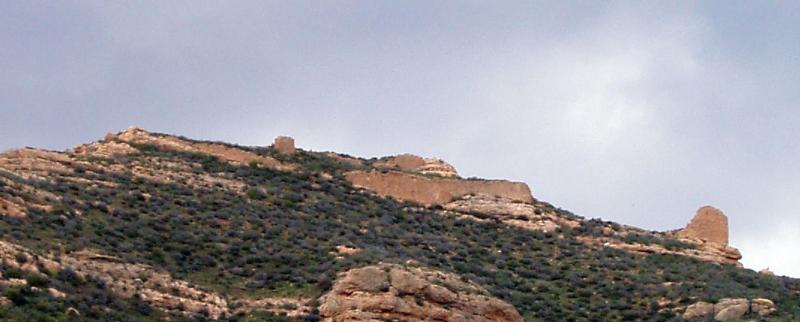
Castle of Jorcas — Spain castle

Castle of Jorcas

Castle of jorcas
High Medieval (11th–13th c.)
Ruins
The castle of Jorcas is a high medieval fortress dating back to the 13th century, located in Spain. Although the exact city or town is not definitively recorded, the castle is recognized as an archaeological ruin that offers valuable insights into medieval military architecture and regional history.

Constructed during the high medieval period, the castle originally served as a strategic defensive stronghold. Its location on a hilltop provided commanding views of the surrounding landscape, a common feature for fortifications of this era intended to monitor and control important routes and territories.

Architectural features and layout

The castle of Jorcas was built following typical high medieval military architectural principles. Although now in ruins, archaeological studies reveal the presence of stone curtain walls that once enclosed the fortress, along with remnants of defensive towers positioned at key points to enhance protection against invaders.

Its hill castle classification indicates it was designed to exploit natural terrain advantages. The ruins suggest a compact layout, with a keep or donjon likely serving as the last defensive refuge and residence for the lord or commanding officer. The castle's walls were probably equipped with battlements and arrow slits, typical of 13th-century fortifications.

Historical context and significance

During the 13th century, the Iberian Peninsula was a region of significant political and military activity, marked by the Reconquista and territorial disputes among Christian kingdoms and Muslim states. The castle of Jorcas would have played a role in these conflicts, serving as a military outpost and symbol of feudal authority.

Its position in Spain suggests it may have been part of a network of fortifications aimed at securing borders and controlling local populations. While specific historical events linked to the castle remain unclear, its existence contributes to understanding the medieval defensive strategies employed in the region.

Current condition and archaeological importance

Today, the castle of Jorcas stands as ruins, with only partial remains of its walls and towers visible. The site is of archaeological interest, offering researchers opportunities to study medieval construction techniques and settlement patterns.

Preservation efforts focus on stabilizing the ruins to prevent further decay, allowing visitors and scholars to appreciate the castle's historical footprint. The castle's archaeological site status highlights its cultural value despite the absence of intact structures.

Visiting the castle of jorcas

Access to the castle of Jorcas may be limited due to its ruinous state and uncertain location details. Visitors interested in medieval history and architecture should seek local guidance for directions and safety information.

The site offers a glimpse into high medieval fortification design and the turbulent history of 13th-century Spain. It is recommended to visit during daylight hours for safety and to fully experience the surrounding landscape that once influenced the castle's strategic importance.

Frequently asked questions (FAQ)

How do I get to the Castle of Jorcas?
The Castle of Jorcas is located in the province of Cuenca, Spain. You can reach it by car via the A-3 highway, followed by local roads leading to the castle. Public transportation options are limited, so driving is recommended for convenience.
What is the historical significance of the Castle of Jorcas?
The Castle of Jorcas dates back to the 12th century and is a significant example of medieval military architecture in Spain. It played a crucial role in the defense of the region during the Reconquista. Today, it stands as a testament to the historical conflicts that shaped the area.
When was the Castle of Jorcas built?
Construction of the Castle of Jorcas began in the late 12th century, around the time of the Christian reconquest of the Iberian Peninsula. Over the centuries, it underwent several renovations and expansions. Its current structure reflects various architectural styles from different periods.
Can I visit the Castle of Jorcas?
Yes, the Castle of Jorcas is open to visitors throughout the year. Guided tours are available, allowing you to explore its rich history and stunning architecture. Be sure to check the official website for any seasonal events or special openings.
Why is the architecture of the Castle of Jorcas unique?
The Castle of Jorcas features a blend of Romanesque and Gothic architectural elements, showcasing the evolution of design during its construction. Its imposing towers and thick walls are characteristic of military fortifications of the time. The castle's strategic location also adds to its architectural significance.
Is it possible to access the castle with limited mobility?
While the Castle of Jorcas has some areas that are accessible, the uneven terrain and staircases may pose challenges for visitors with limited mobility. It’s recommended to contact the visitor center in advance to inquire about accessibility options available during your visit.
What is the best time to visit the Castle of Jorcas?
The best time to visit the Castle of Jorcas is during the spring and early fall when the weather is mild and pleasant. These seasons also feature fewer crowds, allowing for a more enjoyable experience. Summer can be quite hot, while winter may bring colder temperatures.
What are the ticket prices for the Castle of Jorcas?
Ticket prices for the Castle of Jorcas vary depending on the season and whether you choose a guided tour. Generally, adult tickets are around €5, while discounts may be available for students and seniors. Check the official website for the most current pricing and any special offers.
What are the opening hours for the Castle of Jorcas?
The Castle of Jorcas typically opens from 10 AM to 6 PM, with extended hours during the summer months. It's advisable to check for any changes in hours due to holidays or special events before planning your visit. Always verify the latest information on the official website.

Photo gallery

Castle of Jorcas
Click to view

Photo by Millars•CC BY-SA 4.0

1 photo • Click any image to view in full screen

Information

Archaeological Site / Ruins

Loading map...

Visitor reviews

No reviews yet. Been here? Write the first review and help other travelers!

Write the first review

Visited this castle? Share your experience

Your review helps other travelers and adds first-hand knowledge to our encyclopedia.
Write a review

(5/5)

0/2000 characters

Your review will be visible after admin approval

Nearby castles

34.4 km
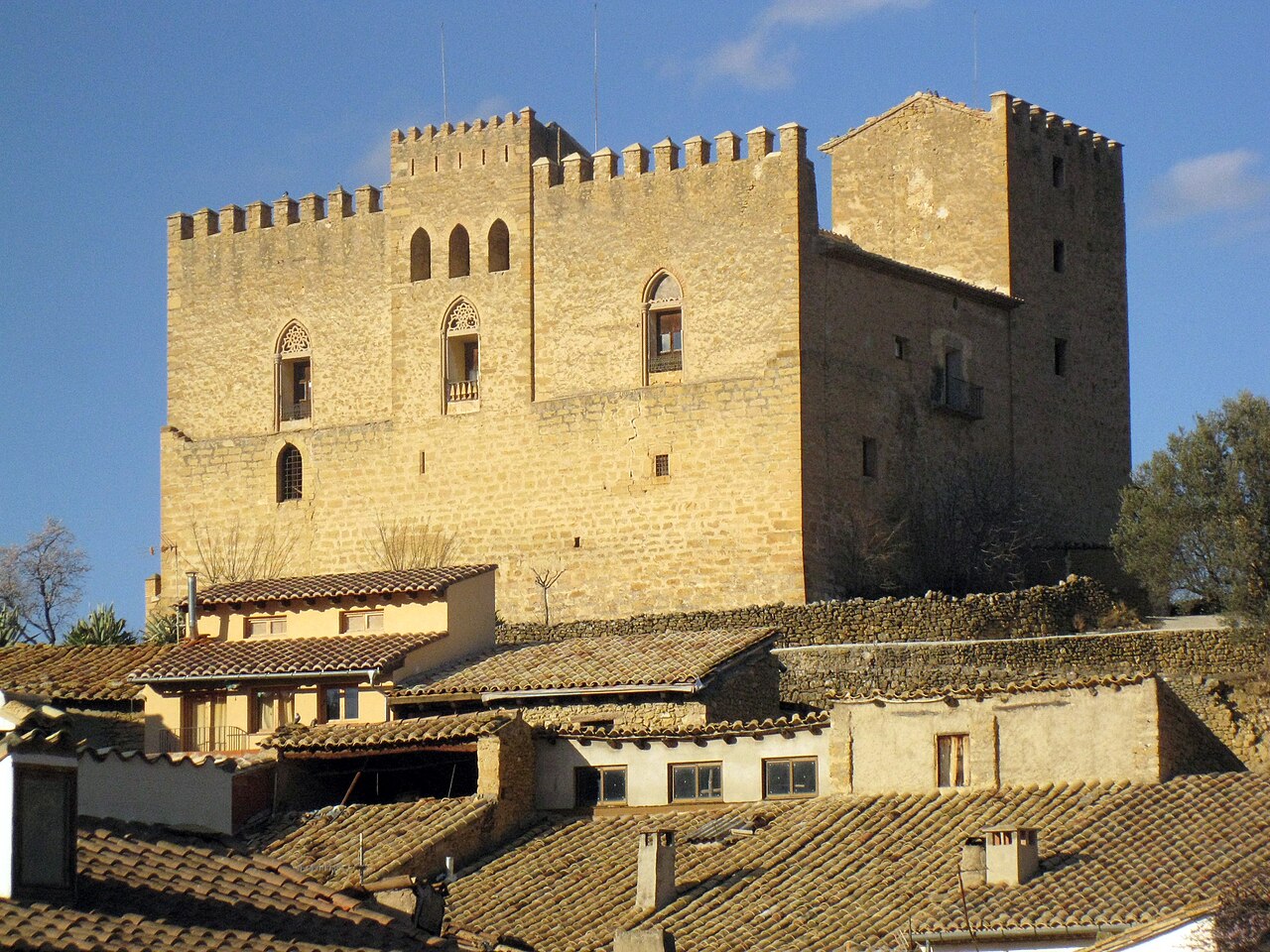
Castle-Palace of Celadas — Spain castle

Castle-Palace of Celadas

, Spain

The castle-palace of Celadas is a notable example of a 14th-century hill castle located in Spain. This late medieval fortress combines the defensive features of a traditional castle with the residential comforts of a palace, reflecting the dual purpose of many noble residences during this period. Positioned strategically on elevated terrain, the castle-palace was designed to oversee and control the surrounding landscape, a common feature of hill castles which provided both military advantage and status symbol. Historical context and significance The construction of the castle-palace of Celadas in the 14th century places it within the turbulent era of the late medieval period in Spain. This century was marked by numerous conflicts, including the Reconquista efforts and internal noble disputes. Castles like Celadas were crucial for local lords to assert control over their territories and protect their interests against rival factions and external threats. While specific historical records about the castle-palace of Celadas are limited, its architectural features and location suggest it was an important seat of power for a noble family or local ruler. Its dual function as a fortified residence indicates a blend of military and domestic architecture, typical of the period when castles began evolving from purely defensive structures into more comfortable noble homes. Architectural features and design Fortifications and defensive elements The castle-palace of Celadas exhibits typical late medieval defensive architecture. Its elevated position on a hill provided natural protection and a commanding view of the surrounding area. The castle likely features thick stone walls, battlements, and possibly a keep or donjon serving as the last line of defense. The entrance would have been fortified, potentially with a gatehouse and defensive towers to control access. Additional defensive features may have included arrow slits for archers, machicolations for dropping projectiles on attackers, and a surrounding moat or ditch, although specific details require further archaeological confirmation. Residential and palace elements As a castle-palace, the structure would have included residential quarters designed for comfort and status. These might encompass a great hall for gatherings and ceremonies, private chambers for the lord and family, and service areas such as kitchens and storerooms. Architectural elements like large windows, decorative stonework, and possibly a chapel would reflect the castle's role as a noble residence as well as a fortress. Cultural and heritage importance The castle-palace of Celadas represents an important cultural artifact from the late medieval period in Spain. It illustrates the architectural transition from purely military castles to more complex structures serving both defense and domestic needs. This duality is significant for understanding the social and political landscape of medieval Spain, where noble families balanced the need for protection with the desire for comfortable living spaces. Preservation of such sites is crucial for historical study and tourism, offering insights into medieval life, architecture, and regional history. The castle-palace of Celadas, though less famous than some Spanish fortresses, contributes to the broader narrative of medieval fortifications and noble residences in the Iberian Peninsula. Current condition and visitor information The current physical condition of the castle-palace of Celadas is not extensively documented, but as a hill castle from the 14th century, it may be in a state ranging from partially preserved to ruins. Visitors interested in medieval architecture and Spanish history may find the site valuable for exploration and study. Access to the castle-palace might be limited depending on its preservation status and ownership. Potential visitors should seek local information regarding opening hours, guided tours, and any restrictions. The site’s elevated location offers scenic views, adding to its appeal as a historical destination. Architectural comparison and legacy The castle-palace of Celadas can be compared to other late medieval hill castles in Spain that served as both fortresses and noble residences. Its architectural style and construction methods reflect the broader trends of the 14th century, including the integration of defensive features with residential comfort. This castle-palace contributes to the understanding of how medieval Spanish nobility adapted their residences to changing political and military circumstances. Its legacy lies in its representation of the multifaceted role castles played during the late medieval period.

Late Medieval (14th–15th c.)
Details
36.3 km
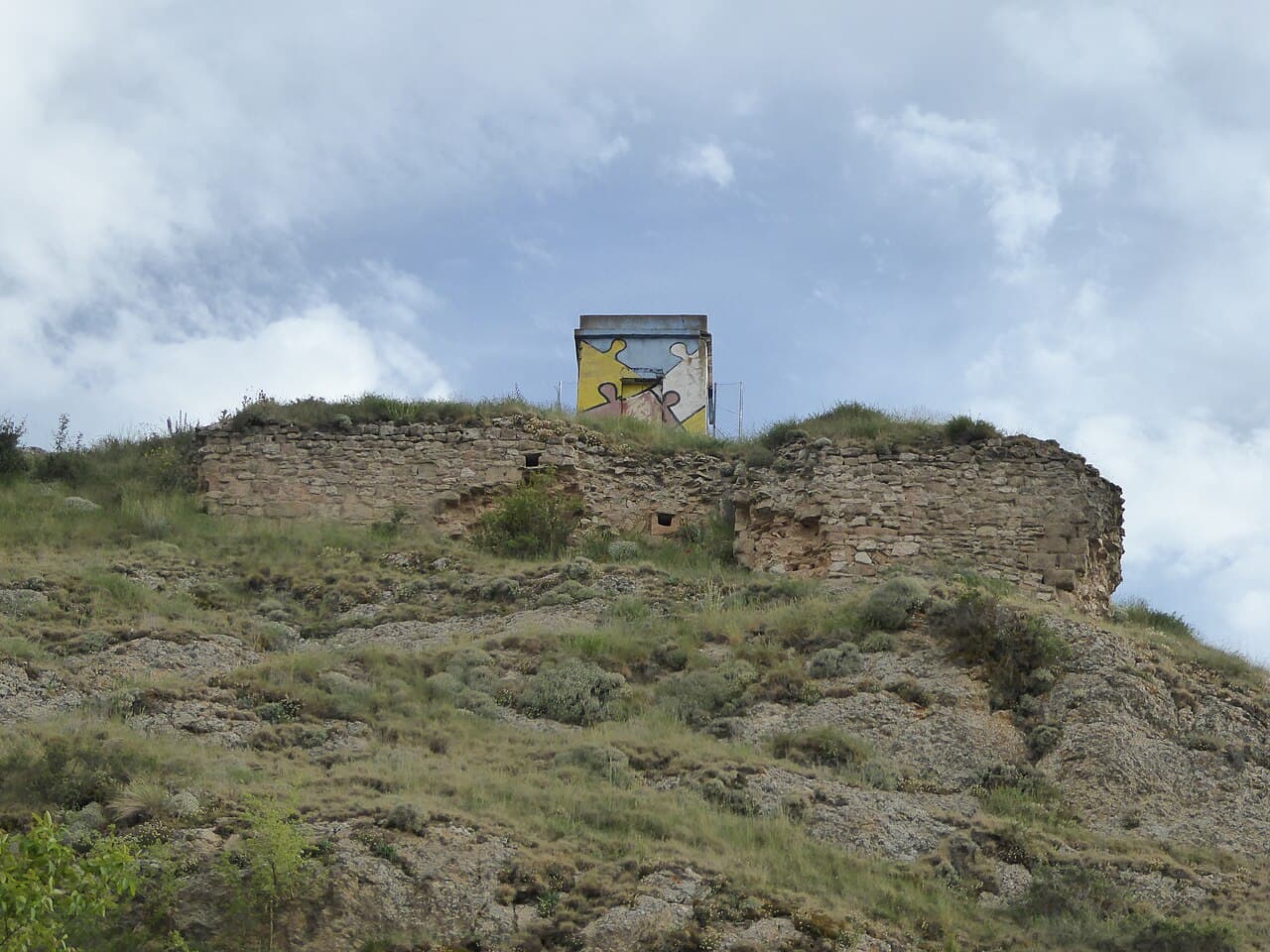
Castell d'Olocau del Rei — Spain castle

Castell d'Olocau del Rei

, Spain

Castell d'Olocau del Rei is a notable example of a bastioned fortress located in Spain, representing the military architectural advancements of the early modern period. This type of fortress was designed primarily for defense against artillery, reflecting the evolution of fortification strategies from the medieval to the modern era. Historical context and significance The construction of bastioned fortresses like Castell d'Olocau del Rei became prominent during the 16th to 18th centuries, a time when the introduction of gunpowder and cannon warfare necessitated new defensive designs. These fortresses replaced the high medieval walls with angled bastions allowing for better coverage and overlapping fields of fire. Although specific historical records about Castell d'Olocau del Rei are limited, its architectural style places it firmly within this transformative period of military fortifications in Spain. Such fortresses were often part of broader defensive networks protecting important towns, trade routes, or strategic locations. Architectural features Bastions and walls The defining feature of Castell d'Olocau del Rei is its bastioned walls. These angular projections allowed defenders to cover adjacent walls with gunfire, eliminating blind spots common in earlier medieval castles. The walls are likely thick and sloped to better absorb and deflect cannonballs. Fortress layout Typical of bastioned fortresses, the layout would be geometrical, often star-shaped or polygonal, optimizing defensive capabilities. The fortress would include curtain walls connecting bastions, moats or ditches for additional protection, and controlled entry points such as fortified gates. Construction and materials The fortress was probably built using local stone and masonry techniques common in Spain during the early modern period. The use of robust materials was essential to withstand bombardment and sieges. The walls and bastions would be reinforced with earthworks to absorb artillery impact. Current condition and preservation While detailed information on the present state of Castell d'Olocau del Rei is scarce, bastioned fortresses in Spain often exist in varying conditions from well-preserved to ruins. Preservation efforts depend on local heritage management and the fortress's historical importance. Importance in Spanish military architecture Castell d'Olocau del Rei exemplifies the shift in fortification design responding to changing warfare technology. It reflects Spain's adaptation to the challenges posed by artillery and the need for modernized defenses during the early modern period. Visiting and cultural heritage Visitors interested in military history and architecture may find bastioned fortresses like Castell d'Olocau del Rei of significant interest. These sites offer insights into the strategic thinking and engineering skills of their time. However, specific visitor information such as accessibility, tours, or opening hours would require confirmation from local sources.

Post-Renaissance (17th–18th c.)
Details
44.4 km
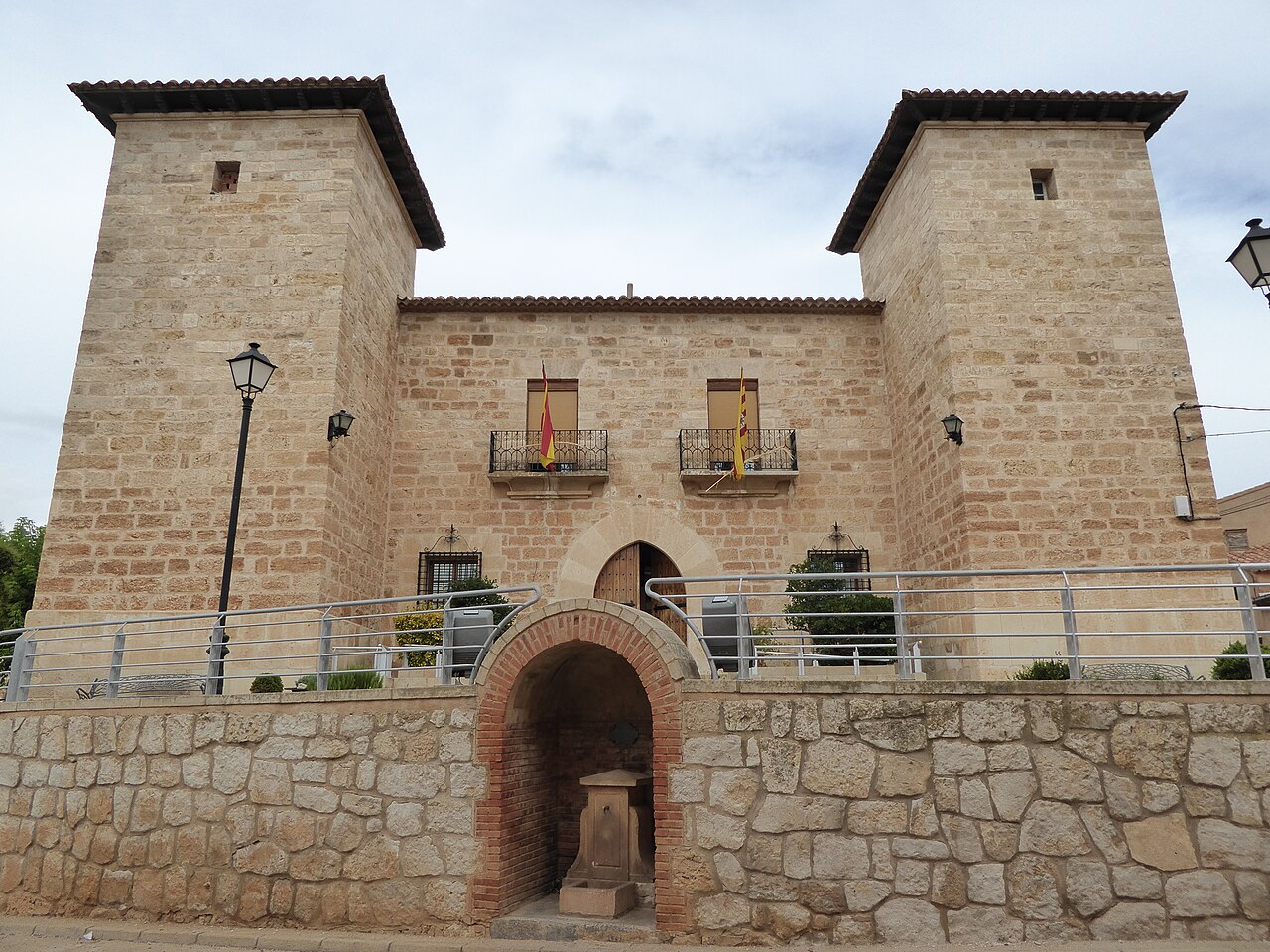
Todolella Castle — Spain castle

Todolella Castle

Todolella, Spain

Todolella Castle stands as a significant example of a late medieval hill castle located in the village of Todolella, in the province of Castellón, Spain. Constructed originally in the 14th century, the castle was strategically positioned on a hilltop to oversee and control the surrounding territory, a common defensive practice of the period. Its elevated location provided natural protection and a commanding view over the landscape, which was critical during the turbulent times of the Middle Ages in the Iberian Peninsula. Architectural design and layout The castle's layout is characterized by four main structures arranged around a central patio, a typical feature in many Mediterranean castles that allowed for light and ventilation within the complex. This central courtyard served as a focal point for daily activities and gatherings. The surrounding buildings included various rooms designed for both residential and defensive purposes, reflecting the castle's dual role as a fortress and noble residence. Defensive features The castle's walls are constructed from robust masonry, built to withstand sieges and attacks. A notable feature is the presence of merlons atop the walls, which are the solid upright sections of a battlement, providing cover for defenders while allowing them to observe and shoot at attackers. These merlons were restored in recent conservation efforts, preserving the castle's medieval defensive character. Residential transformation In the 16th century, Todolella Castle underwent significant modifications to serve as a residence rather than solely a military fortress. This transformation reflects the broader Renaissance trend in Spain, where many castles were adapted to more comfortable living spaces while retaining their defensive elements. The residential buildings within the castle complex include rooms with more refined architectural details, indicating the status and lifestyle of its inhabitants during this period. Historical context and significance Todolella Castle was built during a period marked by frequent conflicts and territorial disputes in the Kingdom of Valencia, part of the Crown of Aragon. The castle played a role in regional defense and control, acting as a stronghold for local lords. Its construction and later adaptations illustrate the evolution of military architecture transitioning into Renaissance residential styles. Preservation and current status The castle is currently privately owned and inhabited, which has contributed to its good state of preservation. Recent restoration efforts have focused on maintaining the structural integrity of the walls and battlements, including the restoration of the merlons. Visitors can access Todolella Castle by booking in advance, allowing a rare glimpse into a privately held historic monument that combines medieval fortification with Renaissance domestic architecture. Visiting Todolella Castle While Todolella Castle is not open for casual walk-in visits, arranging a visit through prior booking offers an opportunity to explore its historic spaces and appreciate its architectural features. The castle's setting on a hill provides scenic views of the surrounding countryside, enhancing the visitor experience. The combination of medieval and Renaissance elements makes Todolella Castle a unique site for those interested in Spanish castle architecture and history. Frequently asked questions about Todolella Castle How do I arrange a visit to Todolella Castle? Visits are possible by booking in advance with the current private owners, as the castle is not open for casual tourism. What period does Todolella Castle date from? The castle was originally built in the 14th century and remodeled in the 16th century during the Renaissance. What are the main architectural features of Todolella Castle? Notable features include its four-structure layout around a central patio, robust masonry walls topped with merlons, and a blend of medieval and Renaissance elements. Is Todolella Castle accessible for visitors with mobility issues? Due to its hilltop location and historic structure, accessibility may be limited; visitors should inquire in advance. Why was Todolella Castle rebuilt in the 16th century? The rebuilding reflected a shift from purely defensive use to a more comfortable residential function, typical of Renaissance adaptations. Are there guided tours available at Todolella Castle? Guided tours may be arranged through the owners upon booking, providing detailed insights into the castle's history and architecture. What is the condition of Todolella Castle today? The castle is well preserved and has undergone recent restoration to maintain its defensive features and residential structures.

Late Medieval (14th–15th c.)
Details