Castell d'Olocau del Rei
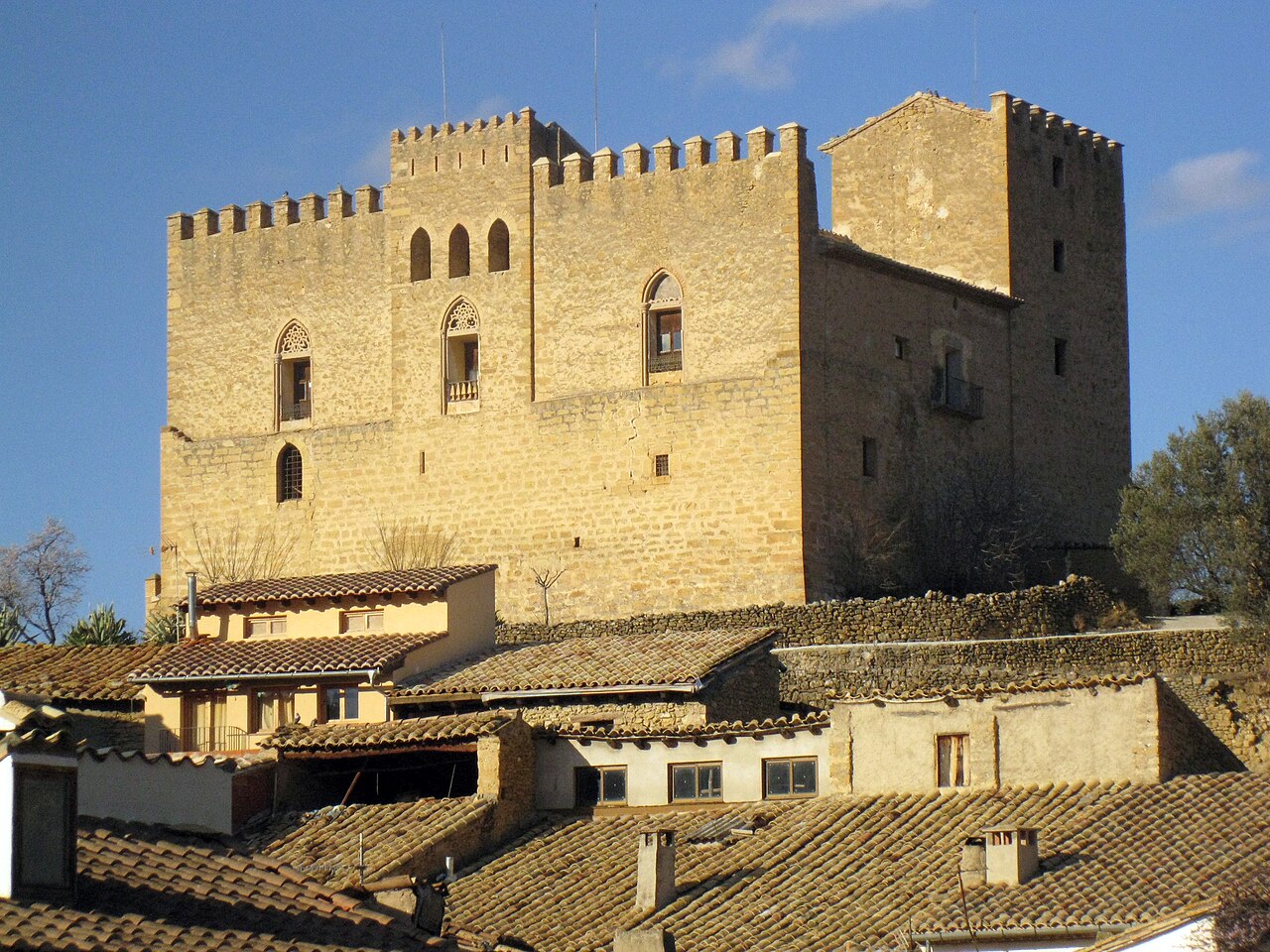
Castell d'Olocau del Rei is a notable example of a bastioned fortress located in Spain, representing the military architectural advancements of the early modern period. This type of fortress was designed primarily for defense against artillery, reflecting the evolution of fortification strategies from the medieval to the modern era.
Historical context and significance
The construction of bastioned fortresses like Castell d'Olocau del Rei became prominent during the 16th to 18th centuries, a time when the introduction of gunpowder and cannon warfare necessitated new defensive designs. These fortresses replaced the high medieval walls with angled bastions allowing for better coverage and overlapping fields of fire.
Although specific historical records about Castell d'Olocau del Rei are limited, its architectural style places it firmly within this transformative period of military fortifications in Spain. Such fortresses were often part of broader defensive networks protecting important towns, trade routes, or strategic locations.
Architectural features
Bastions and walls
The defining feature of Castell d'Olocau del Rei is its bastioned walls. These angular projections allowed defenders to cover adjacent walls with gunfire, eliminating blind spots common in earlier medieval castles. The walls are likely thick and sloped to better absorb and deflect cannonballs.
Fortress layout
Typical of bastioned fortresses, the layout would be geometrical, often star-shaped or polygonal, optimizing defensive capabilities. The fortress would include curtain walls connecting bastions, moats or ditches for additional protection, and controlled entry points such as fortified gates.
Construction and materials
The fortress was probably built using local stone and masonry techniques common in Spain during the early modern period. The use of robust materials was essential to withstand bombardment and sieges. The walls and bastions would be reinforced with earthworks to absorb artillery impact.
Current condition and preservation
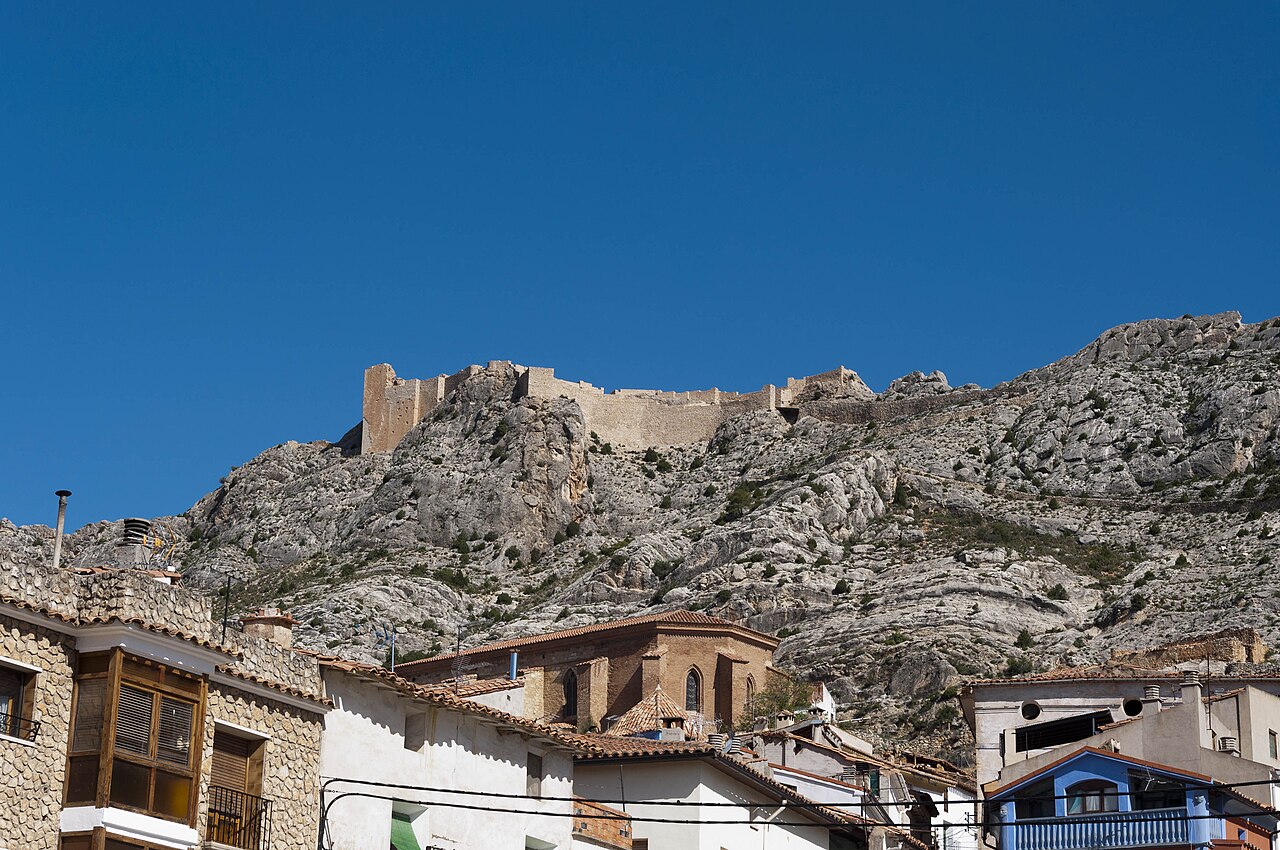
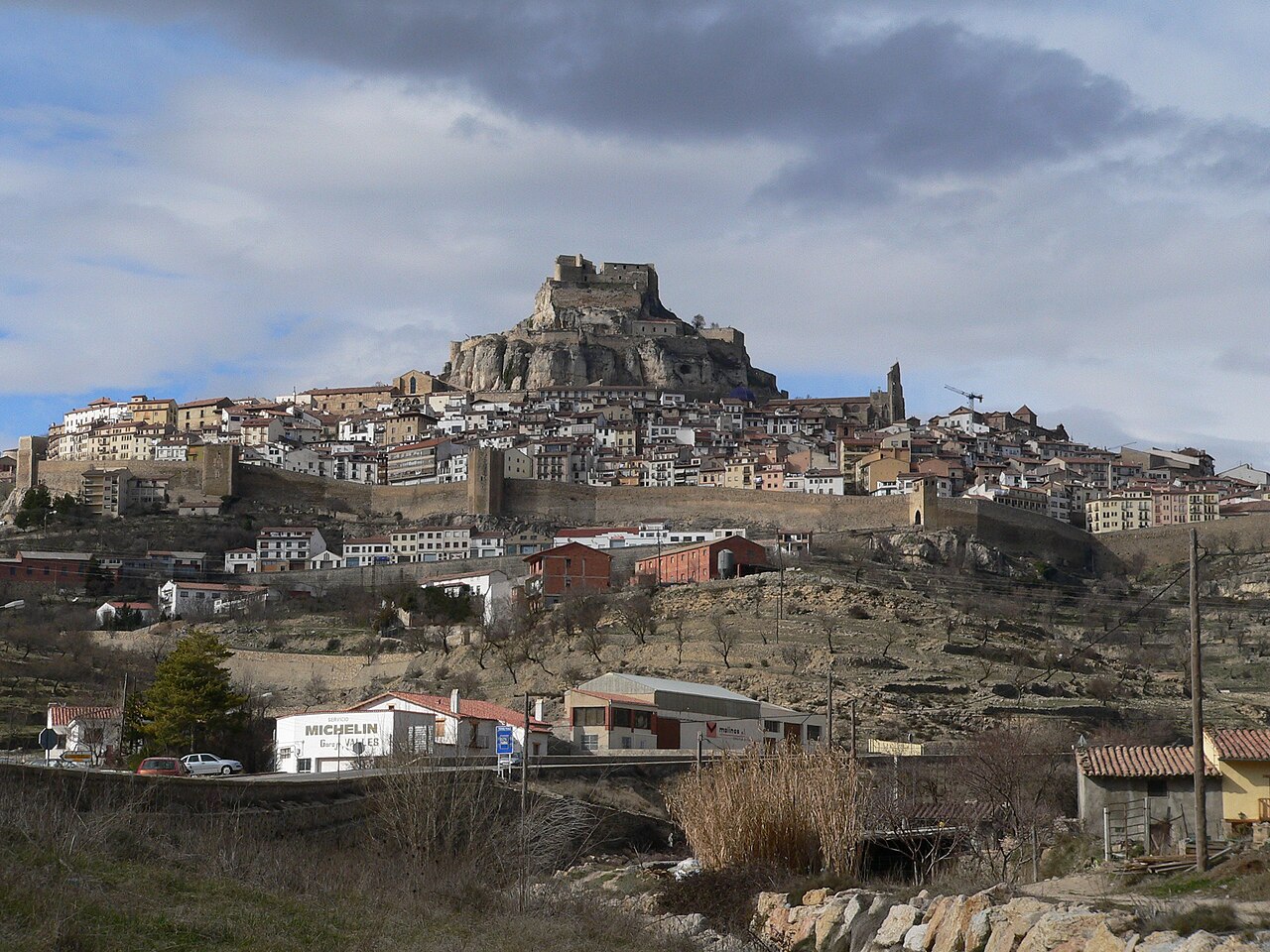
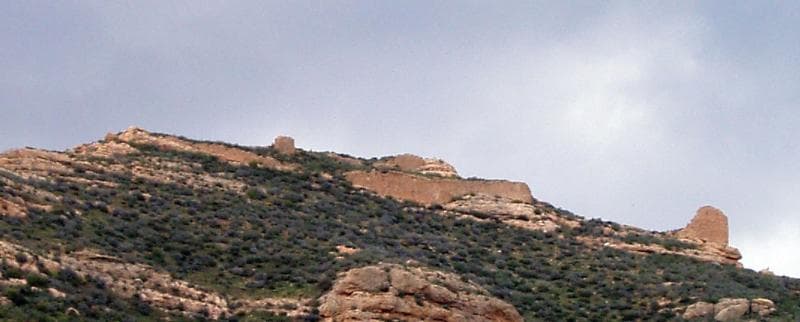
While detailed information on the present state of Castell d'Olocau del Rei is scarce, bastioned fortresses in Spain often exist in varying conditions from well-preserved to ruins. Preservation efforts depend on local heritage management and the fortress's historical importance.
Importance in Spanish military architecture
Castell d'Olocau del Rei exemplifies the shift in fortification design responding to changing warfare technology. It reflects Spain's adaptation to the challenges posed by artillery and the need for modernized defenses during the early modern period.
Visiting and cultural heritage
Visitors interested in military history and architecture may find bastioned fortresses like Castell d'Olocau del Rei of significant interest. These sites offer insights into the strategic thinking and engineering skills of their time. However, specific visitor information such as accessibility, tours, or opening hours would require confirmation from local sources.
Frequently asked questions (FAQ)
- What is a bastioned fortress?
- A bastioned fortress is a type of military fortification designed with angular bastions that allow defenders to cover adjacent walls with gunfire, improving defense against artillery attacks.
- When was Castell d'Olocau del Rei likely built?
- Castell d'Olocau del Rei was likely constructed during the early modern period, between the 16th and 18th centuries, when bastioned fortresses became common in response to artillery warfare.
- What are the key architectural features of Castell d'Olocau del Rei?
- The fortress features bastioned walls with thick, sloped masonry designed to absorb cannon fire, a geometric layout with curtain walls, and possibly moats or ditches for added defense.
- Is Castell d'Olocau del Rei open to visitors?
- Specific visitor information for Castell d'Olocau del Rei is not widely available. Potential visitors should check with local heritage authorities for access details and opening hours.

Information
Loading map...
Visitor reviews
No reviews yet. Been here? Write the first review and help other travelers!
Write the first reviewVisited this castle? Share your experience
Your review helps other travelers and adds first-hand knowledge to our encyclopedia.