Castle of Idanha-a-Nova
The Castle of Idanha-a-Nova is a historic medieval fortress located in the municipality of Idanha-a-Nova, Portugal. Constructed in the late 12th century by the Knights Templar, this hill castle was strategically positioned on a steep escarpment overlooking the right bank of the Pônsul River. Its primary purpose was to defend the newly established borders of the Portuguese kingdom during a period of territorial consolidation and military conflict.
Foundation and historical context
The castle's construction commenced in 1187 under the leadership of D. Gualdim Pais, the Master of the Templars in Portugal. This was a time when the Portuguese monarchy, under King Afonso Henriques, was actively expanding its territory southwards during the Reconquista. The Knights Templar were granted extensive lands in this border region as part of the crown's strategy to secure and populate contested areas. The castle's location was carefully chosen to control the surrounding terrain and to serve as a military stronghold against potential incursions.
After King Afonso Henriques, his successors Sancho I and Afonso II continued to support the Templar presence by confirming and expanding their territorial rights. To promote settlement and fortify the border, Afonso II issued charters (forais) in 1201 and again in 1229. These charters encouraged the growth of a community near the castle, which was later named Idanha-a-Nova to distinguish it from the older nearby settlement of Idanha-a-Velha, a site with Roman and Suevi-Visigothic origins located about 18 kilometers away.
Architectural characteristics and military design
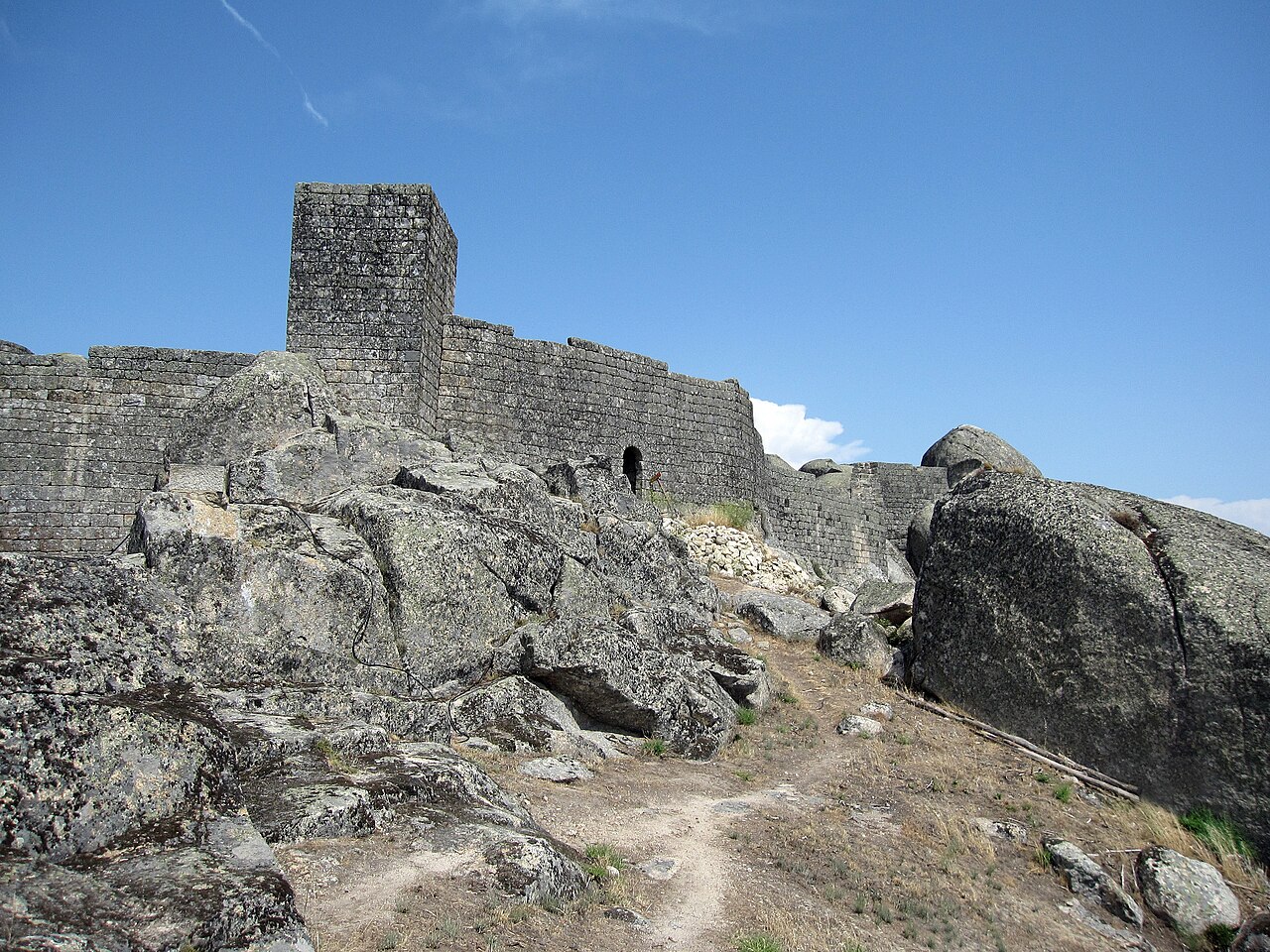
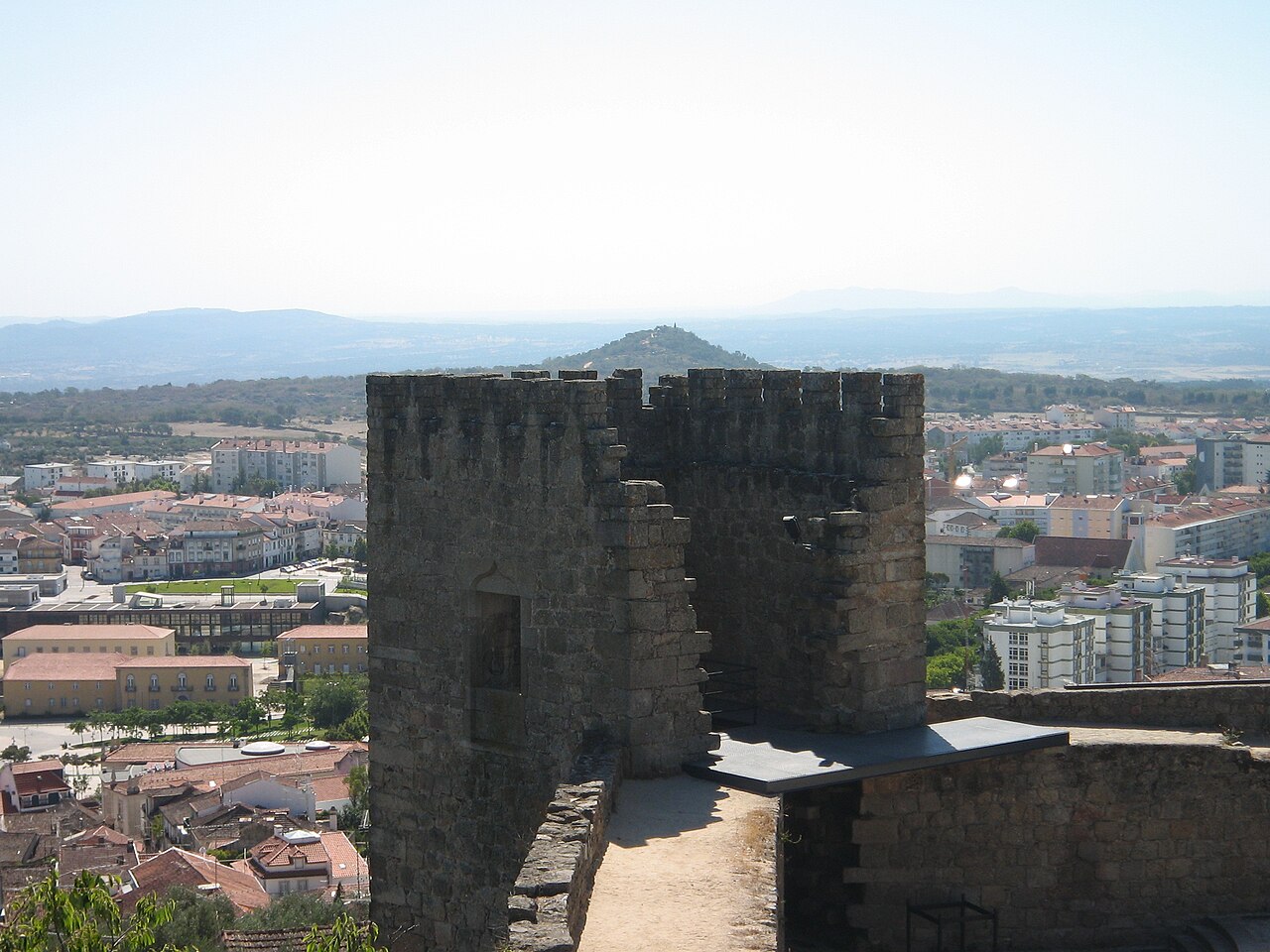
The Castle of Idanha-a-Nova exemplifies the typical military architecture of the Knights Templar in Portugal during the late 12th century. Constructed primarily of stone, the fortress was designed to withstand sieges and provide a defensible position on the frontier. Its elevated position on a hilltop escarpment gave it commanding views of the surrounding landscape, which was critical for early warning and defense.
Although much of the castle now lies in ruins, the remaining walls and structural outlines reveal a compact fortress with strong fortifications. The design shares similarities with other contemporary Templar castles such as Almourol, Monsanto, Pombal, Tomar, and Zêzere. These castles typically featured thick curtain walls, battlements, and towers positioned for optimal defense. The Castle of Idanha-a-Nova likely included a keep or donjon, although no detailed plans survive.
The fortress was built with a focus on functionality rather than decoration. No significant ornamental or inscriptive elements have been documented, which aligns with the Templars’ practical military ethos. The stone construction has endured centuries of weathering and neglect, leaving behind a footprint that continues to mark the historical landscape.
Development of the surrounding settlement
By the late 15th century, the settlement of Idanha-a-Nova had grown into a prosperous community. This growth was recognized by King Manuel I, who granted the town a new charter in 1510. The charter acknowledged the town’s development and its importance compared to the older and declining Idanha-a-Velha.
The castle and town were also illustrated by Duarte de Armas in his early 16th-century work, the Livro das Fortalezas, which documented key Portuguese fortifications. These illustrations provide valuable historical evidence of the castle’s layout and condition during that period, confirming its role as a significant defensive site.
Decline and current condition
Over the centuries, the castle gradually lost its military significance as the political and military landscape of Portugal evolved. The fortress eventually fell into ruin, with much of its structure succumbing to natural decay and abandonment. Today, the Castle of Idanha-a-Nova remains a ruin, with visible remnants of its walls and fortifications still marking the hilltop.
The site is an important cultural and historical landmark within the region, offering insight into the medieval military architecture of the Knights Templar and the early history of the Portuguese kingdom’s border defenses. Visitors can observe the castle’s remains and appreciate the strategic location chosen by its builders.
Comparative significance among Templar castles in Portugal
The Castle of Idanha-a-Nova is part of a network of fortifications established by the Knights Templar across Portugal during the High Medieval period. These castles were integral to the defense and administration of frontier territories during the Reconquista. The architectural style and military function of Idanha-a-Nova align closely with other notable Templar sites, reflecting a consistent approach to fortress design that balanced defense, control, and settlement promotion.
Its location near the Pônsul River provided a natural defensive barrier and a route for communication and movement. This strategic positioning was typical of Templar castles, which often occupied hilltops or riverbanks to maximize their defensive capabilities.
Visiting information and heritage value
Although the castle is in ruins, it remains accessible to visitors interested in medieval history and architecture. The site offers panoramic views of the surrounding landscape and a tangible connection to Portugal’s medieval past. Preservation efforts focus on maintaining the structural remains and promoting awareness of the castle’s historical importance.
Frequently asked questions (FAQ)
- When was the castle of Idanha-a-Nova built?
- The castle was built in the late 12th century, beginning in 1187 under the direction of D. Gualdim Pais, the Master of the Knights Templar in Portugal.
- What was the strategic purpose of the castle?
- The castle was constructed to secure the border region along the Pônsul River and to defend the fledgling Portuguese kingdom during the Reconquista.
- How does the castle of Idanha-a-Nova compare to other Templar castles in Portugal?
- It shares architectural features and military design principles with other Templar castles such as Almourol, Monsanto, Pombal, and Tomar, reflecting the typical style of the Knights Templar in the High Medieval period.
- Is the castle accessible to visitors today?
- Yes, the castle is accessible to visitors, although it is in a ruined state. It offers panoramic views and a glimpse into medieval military architecture.
- What historical documents mention the castle?
- The castle and the town of Idanha-a-Nova were illustrated in the early 16th century by Duarte de Armas in his "Livro das Fortalezas," which documented important Portuguese fortifications.
Information
Loading map...
Visitor reviews
No reviews yet. Been here? Write the first review and help other travelers!
Write the first reviewVisited this castle? Share your experience
Your review helps other travelers and adds first-hand knowledge to our encyclopedia.