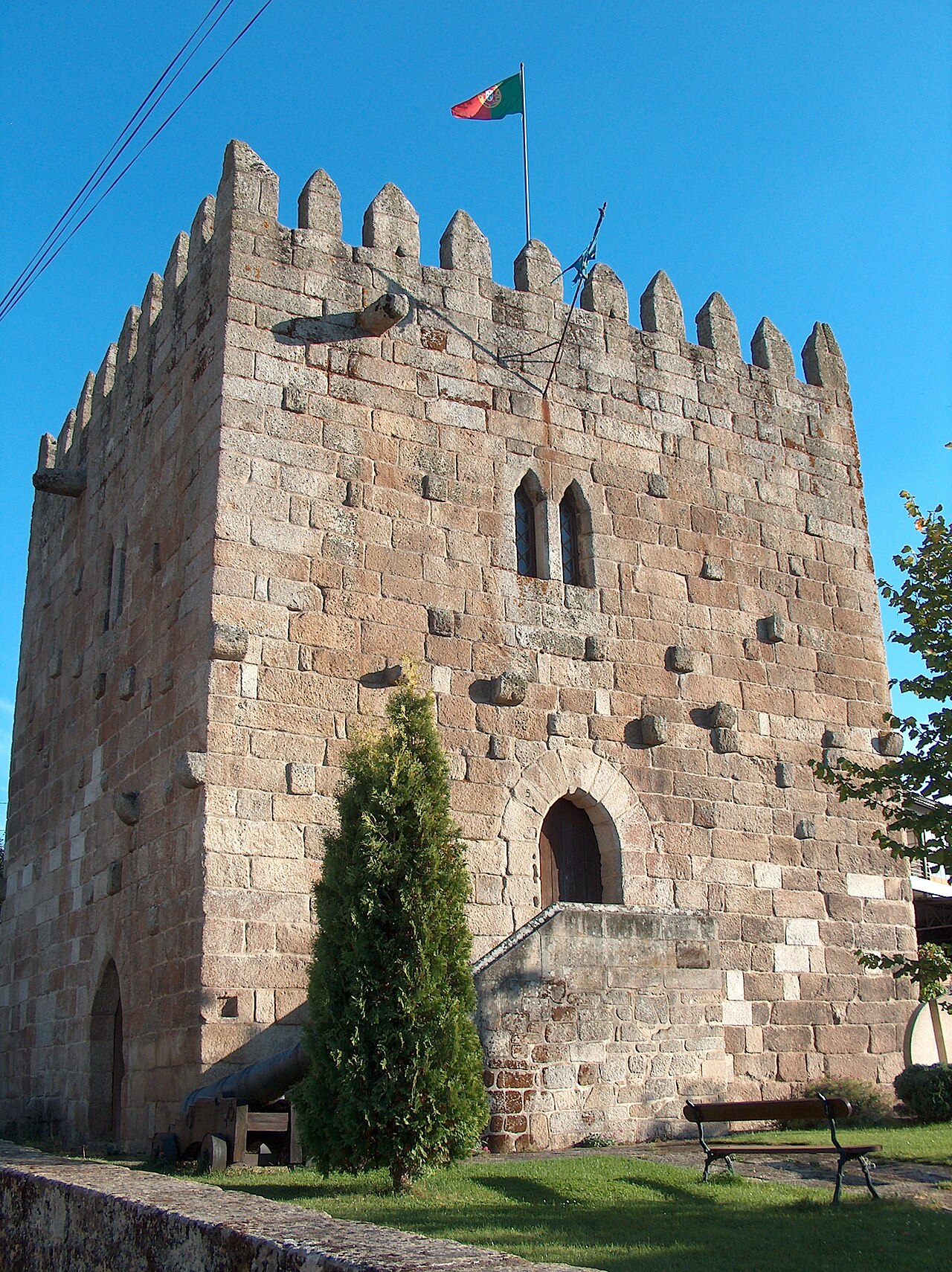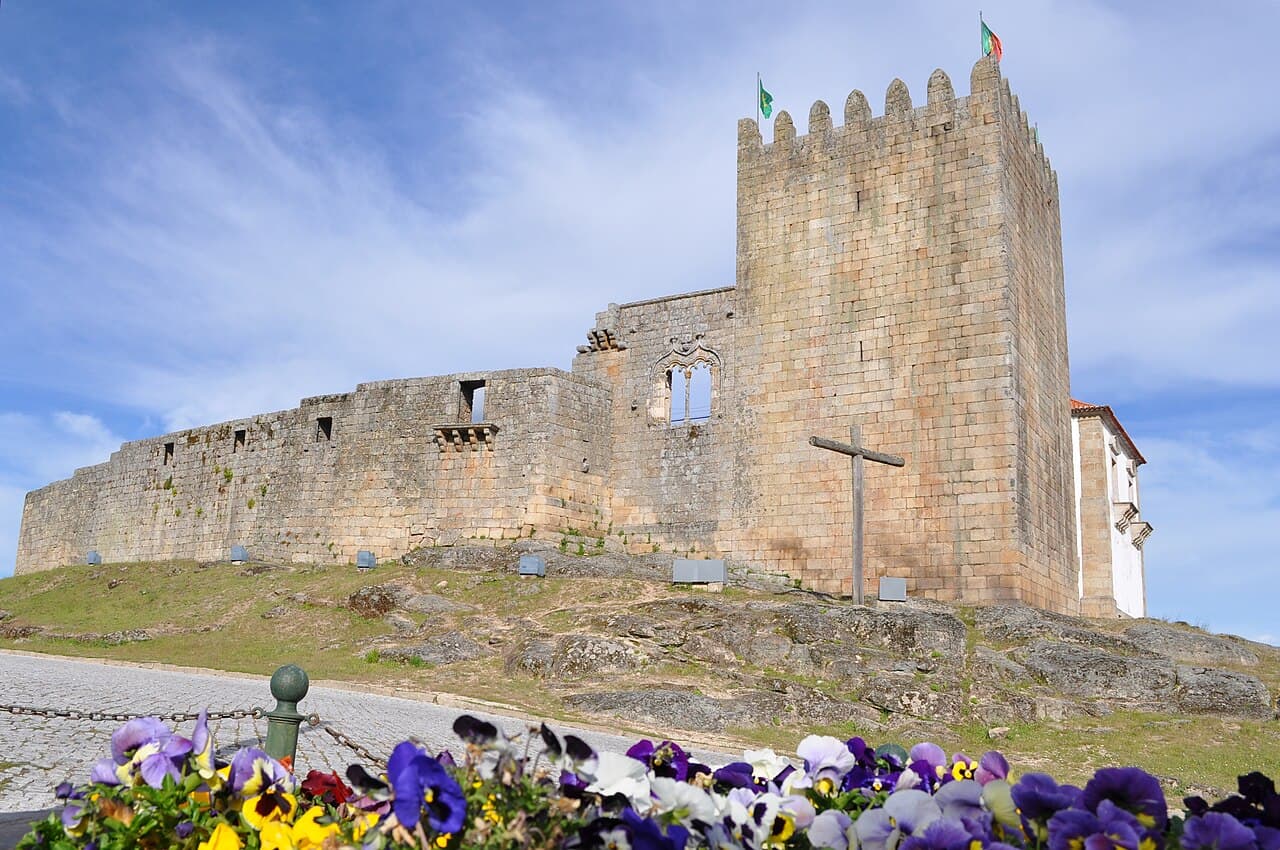
Castle of Belmonte
The Castle of Belmonte is a prominent hill castle located in the municipality of Belmonte, within the Castelo Branco region of central Portugal. This historic fortress, perched at an elevation of approximately 615 meters above sea level, commands sweeping views over the surrounding landscape and the nearby Zêzere River. Its strategic position and robust granite construction have made it an enduring symbol of Portuguese medieval military architecture and noble heritage.
The earliest documented reference to the lands around Belmonte dates back to the reign of King Afonso I of Portugal (1112–1185), also known as Afonso Henriques, the first king of Portugal. On 6 May 1168, the lord of the region donated the lands to the Bishop of Coimbra, establishing ecclesiastical influence in the area. By 1199, under the reign of King Sancho I, a formal charter was granted to the village of Belmonte, marking its recognition as a settled community.
Medieval origins and construction
The Castle of Belmonte was constructed during the high medieval period, with significant building phases occurring in the 12th and 13th centuries. Archaeological evidence indicates that the castle's site was previously occupied during the Roman era, as it lies near an ancient Roman road connecting Braga and Mérida. This early presence set the stage for the medieval fortification that would follow.
In the mid-13th century, under the directive of King Afonso III, construction of a tower and the castle's defensive walls began. The project was likely completed during the reign of King Dinis I, who ruled from 1279 to 1325. During this time, houses within the village were demolished to make way for the castle's keep and curtain walls, reflecting the strategic importance of fortifications in securing the frontier and local governance.
Architectural features
The castle occupies an irregular oval-shaped enclosure, fortified with sturdy granite walls characteristic of the region's geology. The curtain walls are punctuated with embrasures and loopholes, narrow slits designed for archers and later firearm users to defend the fortress effectively. The southern main gate is notable for its arched entrance embellished with the Cabral family coat of arms and an armillary sphere, a symbol closely associated with Portuguese maritime exploration.
Dominating the southwest corner is the castle's Romanesque keep, a three-story tower crowned with square merlons that terminate in pyramid shapes, a distinctive feature of medieval battlements. This keep served both as a last line of defense and a residence for the lord of the castle.
On the southeast side, remnants of medieval residential structures survive alongside a small tower remodeled in the 16th-century mannerist style, reflecting architectural evolution over centuries. The western sector houses the ruins of a palace expanded by Fernão Cabral, father of the famed explorer Pedro Álvares Cabral. This palace includes Manueline-style balcony windows supported by corbels and a distinctive trilobed window lintel, emblematic of late Gothic Portuguese architecture.
Historical significance and transformations
Following the Treaty of Alcañices in 1297, which expanded Portugal's western borders, the castle's military importance gradually waned. The town of Belmonte began to develop outside the castle walls, signaling a shift from a fortified stronghold to a civilian settlement.
During the 1383–1385 Portuguese interregnum crisis, the castle sustained damage after the local commander supported a rival claimant to the throne. In response, King John I confiscated the castle and village, later granting them to General Luís Álvares Cabral. Under the Cabral family's stewardship, the northern wall was rebuilt, incorporating a new postern gate known as the "Porta da Traição" or "Gate of Treason" and a defensive bulwark, enhancing the fortress's fortifications.
In 1466, King Afonso V bestowed the castle and town to Fernão Cabral, who adapted the fortress for residential use. This marked a significant transition from a purely military installation to a noble residence, reflecting broader changes in the role of castles during the late medieval period.
During the Portuguese Restoration War in the 17th century, the castle underwent further modernization with the addition of bastions to meet contemporary military standards. However, a devastating fire in 1694 caused significant interior damage. The 18th century saw the reconstruction of the main gate by Caetano Francisco Cabral, the last lord of Belmonte, and the use of a building next to the gate as a prison.
Preservation and archaeological findings
Declared a National Monument in 1927, the Castle of Belmonte has been the subject of various conservation and restoration efforts throughout the 20th century. Between 1940 and 1960, government initiatives focused on stabilizing the structure and preserving its historical integrity.
Archaeological excavations in the 1990s uncovered Roman artifacts within the castle's walls, confirming the site's long history of occupation and its significance as a cultural heritage landmark. In 1992, an amphitheater was constructed within the castle grounds, providing a venue for historical reenactments and cultural events that celebrate the castle's rich past.
Since 2022, the local municipality has taken over management, emphasizing preservation, cultural promotion, and educational programs that highlight the castle's architectural and historical importance. The original key to the castle is preserved at the João Soares House-Museum in nearby Cortes, symbolizing the enduring legacy of this medieval fortress.
Architectural details and notable features
The castle's granite curtain walls remain largely intact, enclosing an irregular oval plan that follows the natural contours of the hill. The defensive walls are reinforced with embrasures and loopholes, which allowed defenders to repel attackers with arrows and firearms.
The main entrance on the southern side is a striking feature, with its arched gate decorated with heraldic symbols that reflect the influence of the Cabral family and the spirit of the Portuguese Age of Discovery. The Romanesque keep tower is a dominant element, its three floors providing both a lookout and a fortified refuge.
The residential ruins on the southeast side and the palace remains in the west showcase the castle's evolution from a military fortress to a noble dwelling. The incorporation of Manueline architectural elements such as balcony windows supported by corbels and the trilobed window lintel demonstrate the fusion of Gothic and Renaissance styles characteristic of late medieval Portuguese architecture.
The northern wall's postern gate, known as the "Gate of Treason", and the adjoining bulwark added in the late 14th century, highlight the castle's ongoing adaptation to defensive needs over centuries. The 18th-century reconstruction of the adjacent building and the use of part of the castle as a prison reflect its continued functional relevance into the modern era.
Cultural significance and tourism
Today, the Castle of Belmonte stands as a testament to Portugal's medieval heritage and the evolution of castle architecture. It attracts visitors interested in history, architecture, and Portuguese culture. The amphitheater inside the castle hosts events that bring history to life, making the site a vibrant cultural venue.
The castle's designation as a National Monument ensures ongoing protection and highlights its importance as a cultural landmark. Its blend of Romanesque, Manueline, and Mannerist architectural styles offers a unique glimpse into the region's historical and artistic development.
Frequently asked questions (FAQ)
- What is the historical significance of the Castle of Belmonte?
- The Castle of Belmonte is a well-preserved medieval fortress that dates back to the 12th century. It played a crucial role in the defense against Moorish invasions and is a symbol of Portuguese national identity.
- When was the Castle of Belmonte built?
- The construction of the Castle of Belmonte began in the early 12th century, around the year 1170. It was built during the period of the Christian Reconquista and has undergone several restorations to maintain its structure and historical integrity.
- What are the opening hours for the Castle of Belmonte?
- The Castle of Belmonte is open to visitors daily, with operating hours typically from 9 AM to 6 PM. During the summer months, the hours may be extended, so it’s best to check the official website for the most current information.
- Can I access the Castle of Belmonte with limited mobility?
- Yes, the Castle of Belmonte has made efforts to improve accessibility for visitors with limited mobility. While some areas may present challenges due to the castle's medieval architecture, there are accessible routes designed to help all visitors enjoy the site.
- What is the ticket price for visiting the Castle of Belmonte?
- Tickets for the Castle of Belmonte are generally priced at around €5 for adults, with discounts available for children and seniors. It’s advisable to check for any special family packages or promotional offers when planning your visit.
- When is the best time to visit the Castle of Belmonte?
- The best time to visit the Castle of Belmonte is during the spring and fall months when the weather is mild and pleasant for exploring. Summer can be quite hot, while winter may bring cooler temperatures, so plan your visit accordingly.
- Are there any nearby attractions to the Castle of Belmonte?
- Yes, nearby attractions include the picturesque village of Belmonte, known for its Jewish heritage, and the beautiful Serra da Estrela Natural Park. These sites offer additional cultural and natural experiences to enhance your visit to the castle.
- How do I get to the Castle of Belmonte?
- The Castle of Belmonte is located about 10 kilometers from the city of Covilhã and is accessible by car or public transport. Visitors can reach it via the A23 motorway, and there are signs directing you to the castle once you approach Belmonte.
Photo gallery

Information
Website
Visit websiteSources & official resources
Verify the information above using these authoritative references.
Loading map...
Visitor reviews
No reviews yet. Been here? Write the first review and help other travelers!
Write the first reviewVisited this castle? Share your experience
Your review helps other travelers and adds first-hand knowledge to our encyclopedia.