Belmonte Castle
Belmonte Castle, locally known as Castelo de Belmonte, is a significant medieval fortress situated in the town of Belmonte in the Beira Baixa region of Portugal. Perched atop a rocky hill at approximately 615 meters altitude, it commands sweeping views over the Zêzere valley and the eastern slopes of the Serra da Estrela. This strategic location allowed control over important routes connecting Covilhã, Guarda, and the upper Côa valley, underscoring its historical military importance.
Archaeological evidence reveals that the site hosted an earlier fortified settlement, likely of Roman origin, which was subsequently occupied by the Visigoths and Moors. The castle itself was first documented in 1211 when it belonged to the royal domain under King Afonso II. The current structure dates mainly from the 13th century, built during the reign of King Afonso III. He granted the Bishopric of Coimbra, led by Bishop Egas Fafes de Coimbra, permission to erect a keep and a fortified enclosure. This construction served both military and administrative functions, forming a key defensive point along the eastern frontier of Portugal during the consolidation of its borders.
Historical significance and ownership
Following the Treaty of Alcañices in 1297, which established the border between Portugal and Castile, the military significance of Belmonte Castle diminished. In 1466, King Afonso V granted the lordship of the castle to Fernão Cabral, marking the beginning of the Cabral family's long stewardship. The castle transitioned from a purely military fortress to a noble residence during this period. Notably, it was the birthplace of Pedro Álvares Cabral around 1467, the Portuguese navigator credited with the discovery of Brazil.
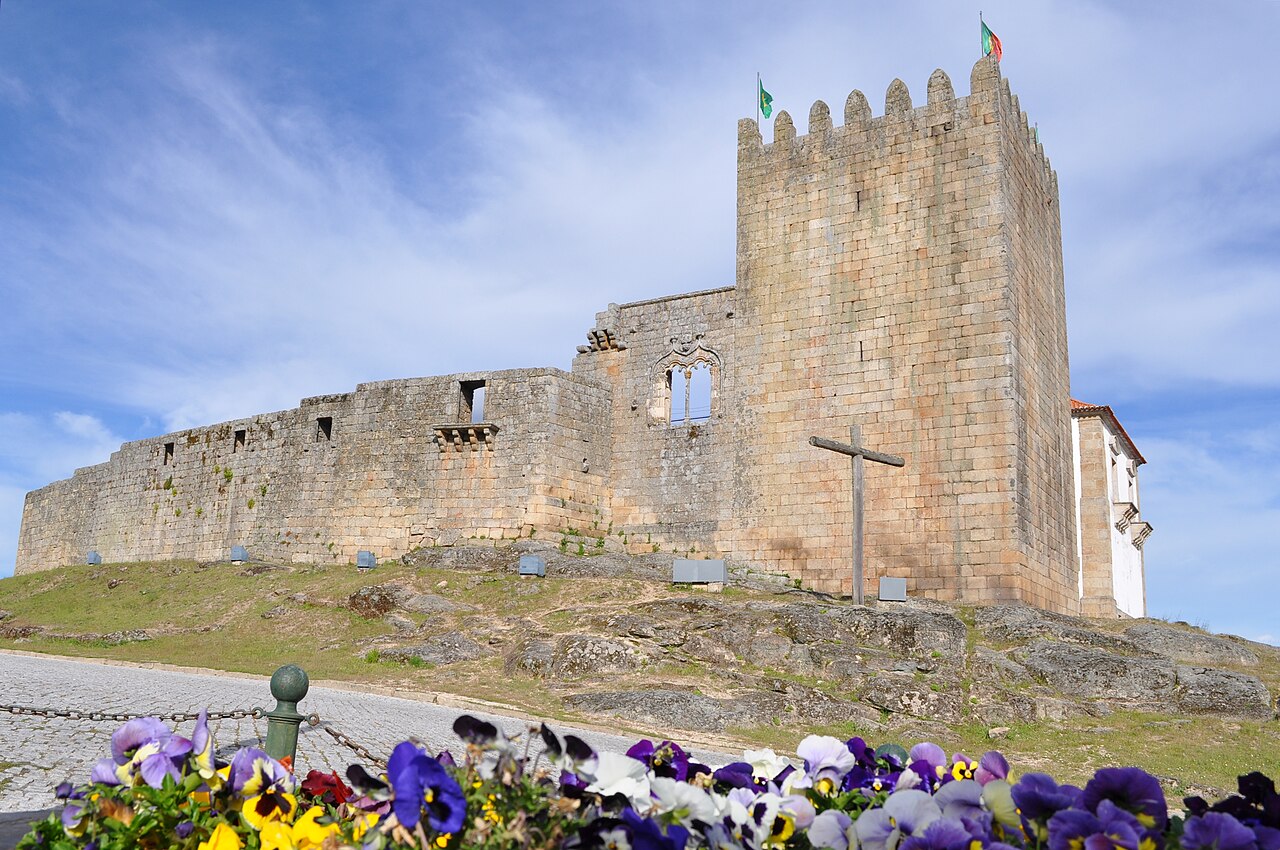
The Cabral family enhanced the castle's residential aspects, including the addition of a distinctive Manueline-style window in the early 16th century. This architectural feature reflects the ornate style that flourished during the reign of King Manuel I, characterized by maritime motifs and intricate stonework.
Architectural features and layout
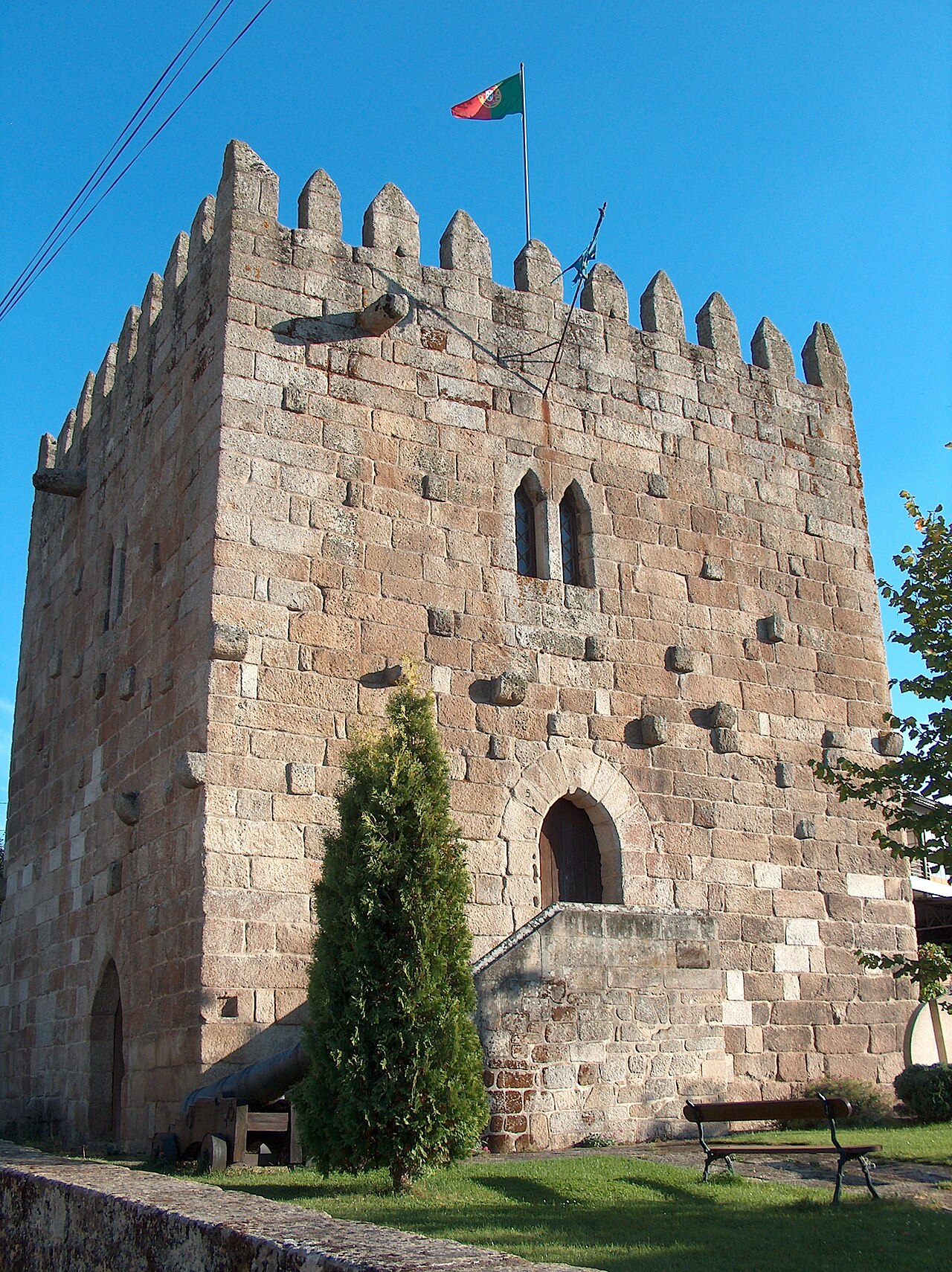
Belmonte Castle occupies an irregular oval plan covering approximately 2,000 square meters. The fortress is enclosed by robust granite curtain walls which have endured through centuries. Attached to the southern wall is a prominent square keep that rises above the walls and retains its original crenellations, a testament to its defensive purpose.
Within the courtyard, visitors can observe remnants of a Romanesque chapel, indicating the religious functions integrated within the castle complex. Additionally, the Manueline palace wing remains visible, showcasing the transition to a noble residence. A cistern inside the courtyard highlights the practical considerations for water storage during sieges or prolonged habitation.
Defensive structures
The castle's walls are punctuated by battlements and defensive towers that provided vantage points for surveillance and protection against invaders. The keep served as the last line of defense and a residence for the lord of the castle. The use of granite as the primary building material contributed to the fortress's durability and resistance to attacks.
Later history and restoration
In 1694, a fire severely damaged much of the castle's interior, though the outer walls and keep survived intact. During the Peninsular War (1808–1811), French troops passed near the site, but the castle did not witness direct military engagement. By the 19th century, Belmonte Castle had been largely abandoned and fell into ruin by 1910.
The 20th and 21st centuries saw concerted efforts to restore and preserve the castle. Restoration work focused on stabilizing the structure and making it accessible for cultural activities and tourism. Today, the castle is open to the public free of charge, though some areas, such as the upper floors of the keep, may be temporarily closed for maintenance.
Visiting Belmonte Castle
Visitors to Belmonte Castle can explore its extensive grounds, including the courtyard with its historical features. The castle's elevated position offers panoramic views of the surrounding landscape, including the Zêzere valley and Serra da Estrela mountains. The site provides insight into the military architecture of the High Medieval period and the evolution of Portuguese fortifications into noble residences.
Belmonte town itself has cultural significance, partly due to its association with Pedro Álvares Cabral and the castle's role in regional history. The castle serves as a venue for cultural events, exhibitions, and educational programs, contributing to the preservation of local heritage.
Frequently asked questions (FAQ)
- What are the opening hours of Belmonte Castle?
- Belmonte Castle is open to visitors from 9:00 AM to 6:00 PM daily, with extended hours during the summer months. It’s advisable to check the official website for any seasonal changes or special holiday hours before your visit.
- How do I get to Belmonte Castle?
- Belmonte Castle is easily accessible by car, located approximately 40 km from the city of Covilhã. You can also reach the castle via public transportation, with local bus services available from nearby towns.
- What is the historical significance of Belmonte Castle?
- Belmonte Castle, built in the 15th century, is an important example of medieval military architecture in Portugal. It played a vital role in the defense against invasions and has been designated a National Monument, reflecting its cultural and historical importance.
- Can I take guided tours of Belmonte Castle?
- Yes, guided tours are available at Belmonte Castle, providing visitors with in-depth knowledge about its history and architecture. These tours are led by knowledgeable guides, ensuring a rich and informative experience.
- Is Belmonte Castle accessible for visitors with disabilities?
- Yes, Belmonte Castle is committed to providing accessibility for all visitors. There are ramps and designated pathways to help those with mobility challenges navigate the site, although some areas may present limitations due to the castle's historical structure.
- When is the best time to visit Belmonte Castle?
- The best time to visit Belmonte Castle is during the spring and fall when the weather is mild and crowds are smaller. Visiting during these seasons allows for a more enjoyable experience, especially when exploring the beautiful surrounding gardens.
- What are the ticket prices for Belmonte Castle?
- Admission to Belmonte Castle is reasonably priced, with tickets typically costing around €5 for adults and discounted rates available for children and seniors. Be sure to check for any special promotions or family packages that may be offered during your visit.
- Are there any nearby attractions to visit?
- Yes, nearby attractions include the Jewish Museum of Belmonte, which highlights the town's significant Jewish heritage, and the stunning Serra da Estrela Natural Park. These sites complement your visit to Belmonte Castle and offer additional insights into the region's rich history and natural beauty.
Information
Address
Largo São Tiago, Belmonte, Portugal
Loading map...
Visitor reviews
No reviews yet. Been here? Write the first review and help other travelers!
Write the first reviewVisited this castle? Share your experience
Your review helps other travelers and adds first-hand knowledge to our encyclopedia.