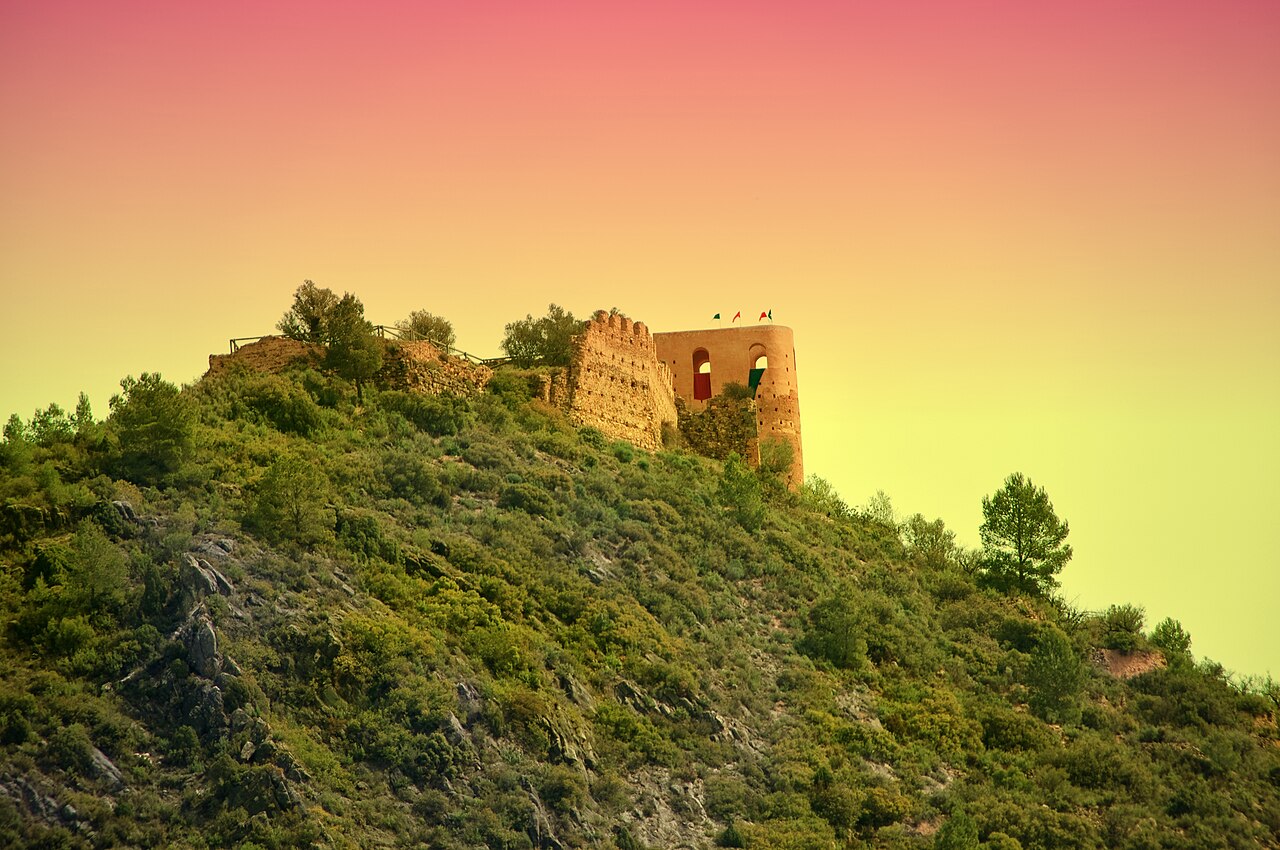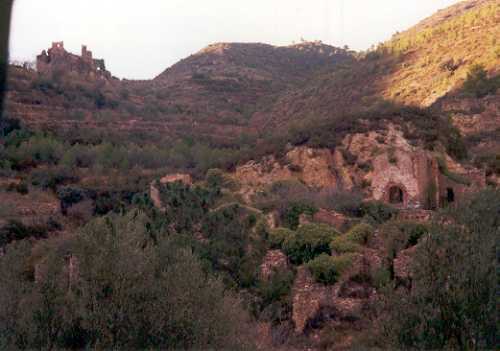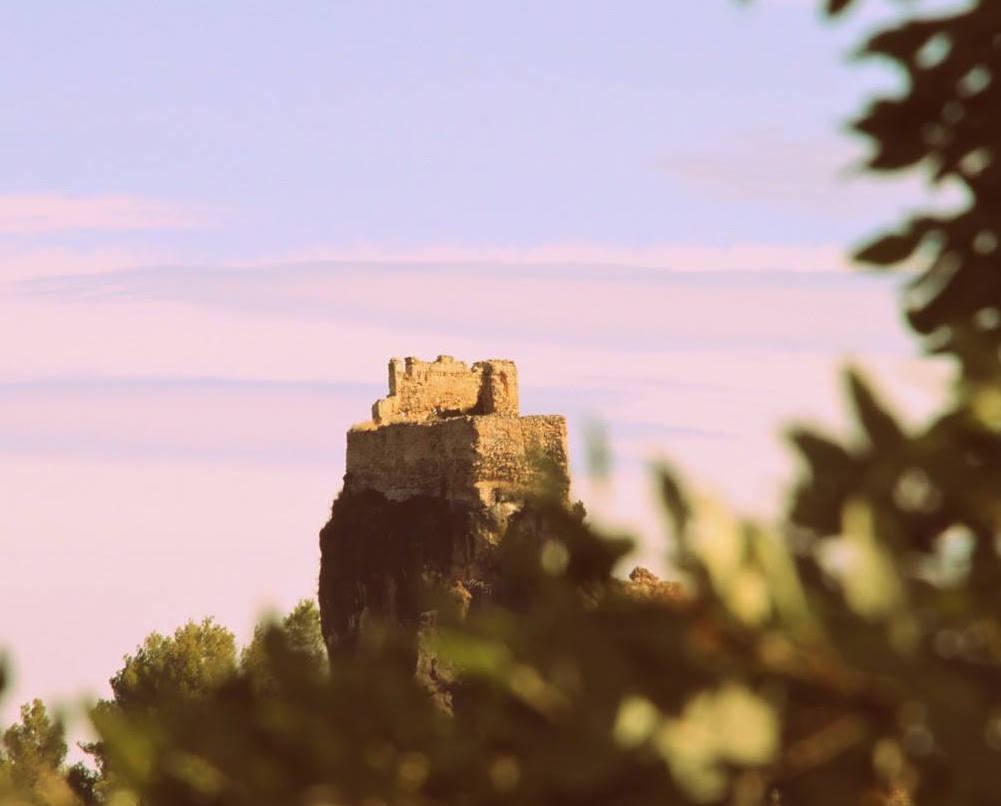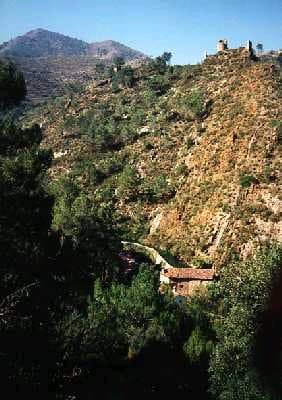
Castell de Benalí stands as a prominent example of a bastioned fortress in Spain, reflecting the military architectural advancements of its period. Although the exact city location is not specified, its classification as a bastioned fortress indicates its strategic role in defense, characterized by angular bastions designed to withstand artillery attacks and provide overlapping fields of fire.
Architectural features and design
The fortress exhibits the distinctive features of bastioned fortifications that emerged in the late medieval and early modern periods, particularly from the 15th century onward. These fortresses were designed to adapt to the increasing use of gunpowder artillery in warfare. Bastions, projecting outward from the main walls, allowed defenders to cover adjacent walls with cannon and musket fire, eliminating blind spots common in earlier medieval castles.
The walls of Castell de Benalí would have been thick and sloped to absorb and deflect artillery fire, constructed from durable stone masonry. The fortress likely included curtain walls connecting the bastions, a ditch or moat surrounding the perimeter for added defense, and a fortified gatehouse controlling access.
Historical context and significance
While specific historical records of Castell de Benalí are limited, bastioned fortresses in Spain were often built or upgraded during the Renaissance period, reflecting the evolution of military technology and the need to defend territories against increasingly powerful siege artillery. Spain's geopolitical position during the 15th and 16th centuries, marked by conflicts such as the Reconquista and later European wars, necessitated robust fortifications.
Such fortresses were integral to the defense networks protecting key cities, ports, and trade routes. They also served as military garrisons and administrative centers, controlling surrounding lands and populations.
Construction materials and techniques
The construction of Castell de Benalí would have utilized local stone, shaped and assembled to form thick defensive walls capable of withstanding cannon bombardment. The use of angled bastions required precise geometric planning to maximize defensive coverage. Mortar and stone masonry techniques were employed to create solid, durable structures.
Inside the fortress, there would have been barracks, storage rooms, and possibly a commander's quarters, all designed to support prolonged defense during sieges.
Preservation and current condition
The current condition of Castell de Benalí is not detailed in available sources, but bastioned fortresses often survive as ruins or partially preserved structures due to their robust construction. Preservation efforts, if any, would focus on stabilizing walls and bastions to prevent further decay while allowing public access for educational and cultural purposes.
Visiting information and cultural importance
Visitors to bastioned fortresses like Castell de Benalí can explore the remains of military architecture that illustrate the transition from medieval to early modern warfare. Such sites provide insight into the strategic thinking and engineering skills of the period.
Though specific visiting hours and ticket prices for Castell de Benalí are not documented, similar fortresses in Spain often serve as cultural heritage sites open to the public, sometimes hosting guided tours and educational programs.
Frequently asked questions (FAQ)
- What is a bastioned fortress?
- A bastioned fortress is a type of military fortification featuring angular bastions projecting from the walls, designed to provide overlapping fields of fire and resist artillery attacks.
- When were bastioned fortresses commonly built in Spain?
- Bastioned fortresses in Spain were commonly constructed or upgraded during the Renaissance period, particularly from the 15th to 17th centuries, in response to the rise of gunpowder artillery.
- Can I visit Castell de Benalí?
- Specific visiting information for Castell de Benalí is not widely documented, but similar bastioned fortresses in Spain are often accessible to the public as cultural heritage sites.
- Why were bastions important in fortress design?
- Bastions allowed defenders to cover adjacent walls with cannon and musket fire, eliminating blind spots and improving the fortress's ability to withstand sieges involving artillery.
- What materials were used to build bastioned fortresses?
- Bastioned fortresses were typically constructed with thick stone masonry walls, designed to absorb and deflect artillery fire, using local stone and mortar.

Information
Loading map...
Visitor reviews
No reviews yet. Been here? Write the first review and help other travelers!
Write the first reviewVisited this castle? Share your experience
Your review helps other travelers and adds first-hand knowledge to our encyclopedia.