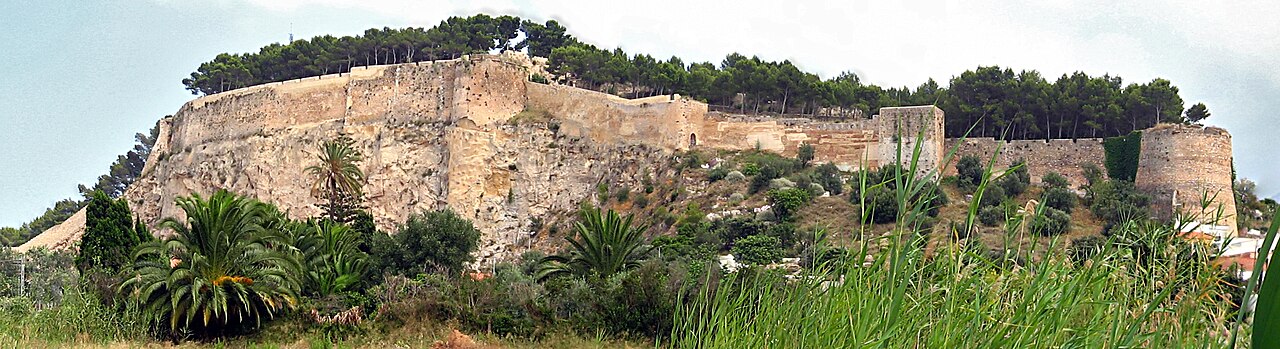
The Castle of Aixa, also known as Castell de la Solana, is an ancient fortress located in the mountainous region of Castellet de Aixa within the municipal district of Alcalalí, Spain. Situated approximately 600 meters above sea level, it overlooks the Pop Valley and lies between the towns of Llosa de Camacho and Jalón. This castle is distinct from the modern country house also named Castell de la Solana in Alcalalí, which should not be confused with the historic ruins.
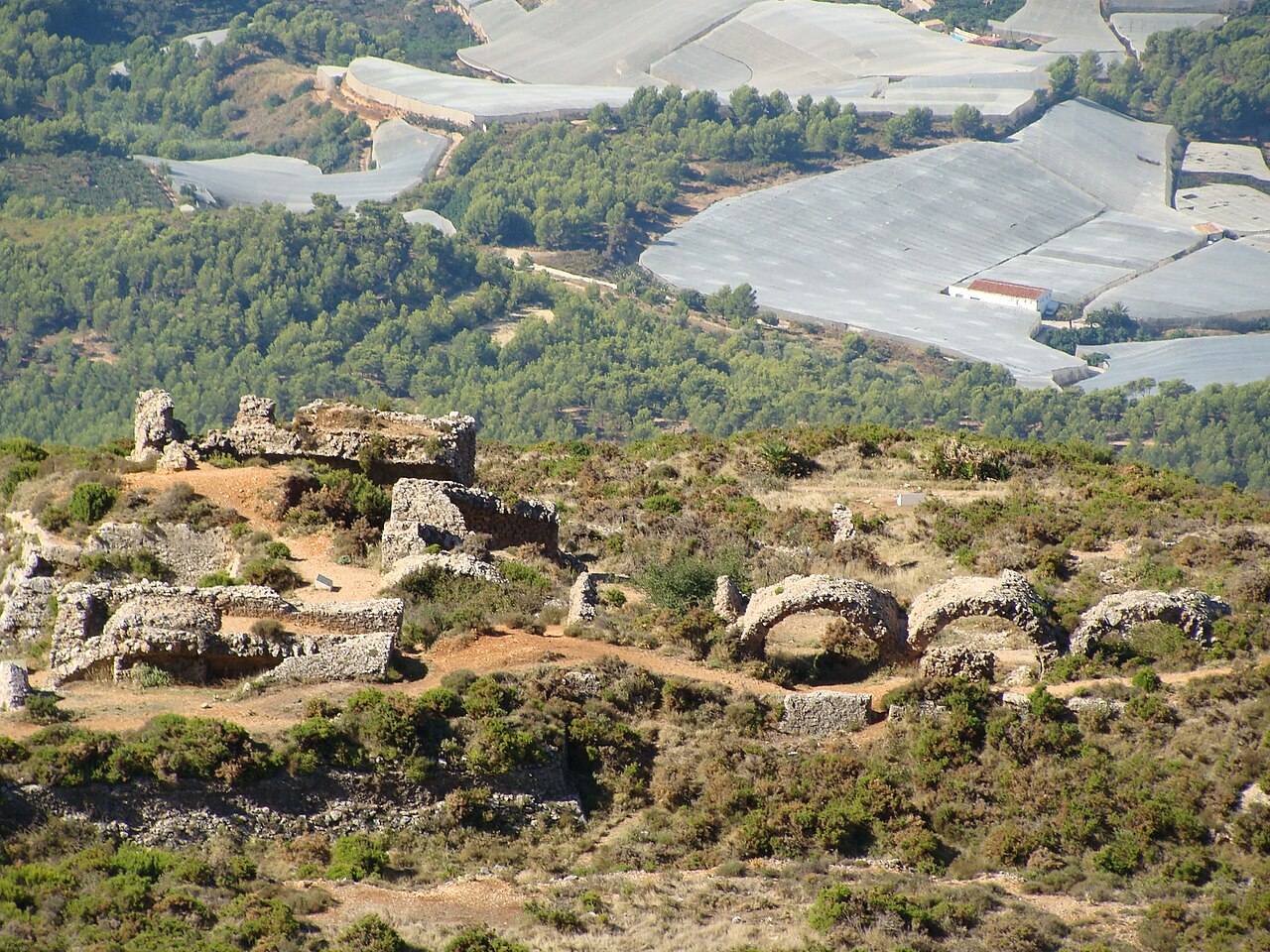
The castle's origins trace back to the medieval period, although precise construction dates remain uncertain due to the limited archaeological remains. It is classified as an archaeological ruin with only fragments of its original structure surviving. The site primarily consists of the remains of the castle's base and sections of its defensive walls, which once formed a protective enclosure on the mountain summit.
Architectural features and layout
The most prominent surviving feature of the Castle of Aixa is its rectangular tower, measuring approximately 12 by 4 meters. This tower likely served as a keep or lookout post, providing strategic views over the surrounding valley and mountain routes. Despite the ruinous state, the tower's base reveals three shallow pools and a fountain, which suggest some form of water management or storage system integral to the castle's functionality.
The castle's elevated position at Castellet de Aixa provided natural defensive advantages, with steep slopes surrounding the site. The remaining walls indicate a compact fortress designed to control and monitor the important mountain passes and the fertile valley below.
Historical context and significance
The Castle of Aixa was part of the network of medieval fortifications in the region of Valencian Community, Spain. Its strategic location was crucial for controlling the Pop Valley and the routes connecting various settlements in the mountainous terrain. The castle's presence reflects the broader historical context of territorial defense and feudal control during the Middle Ages.
While detailed historical records about the castle are scarce, it is likely that the fortress was used during periods of conflict and served as a refuge or military outpost. The castle's ruins today provide valuable insight into the medieval fortification techniques adapted to mountainous landscapes in eastern Spain.
Current condition and preservation
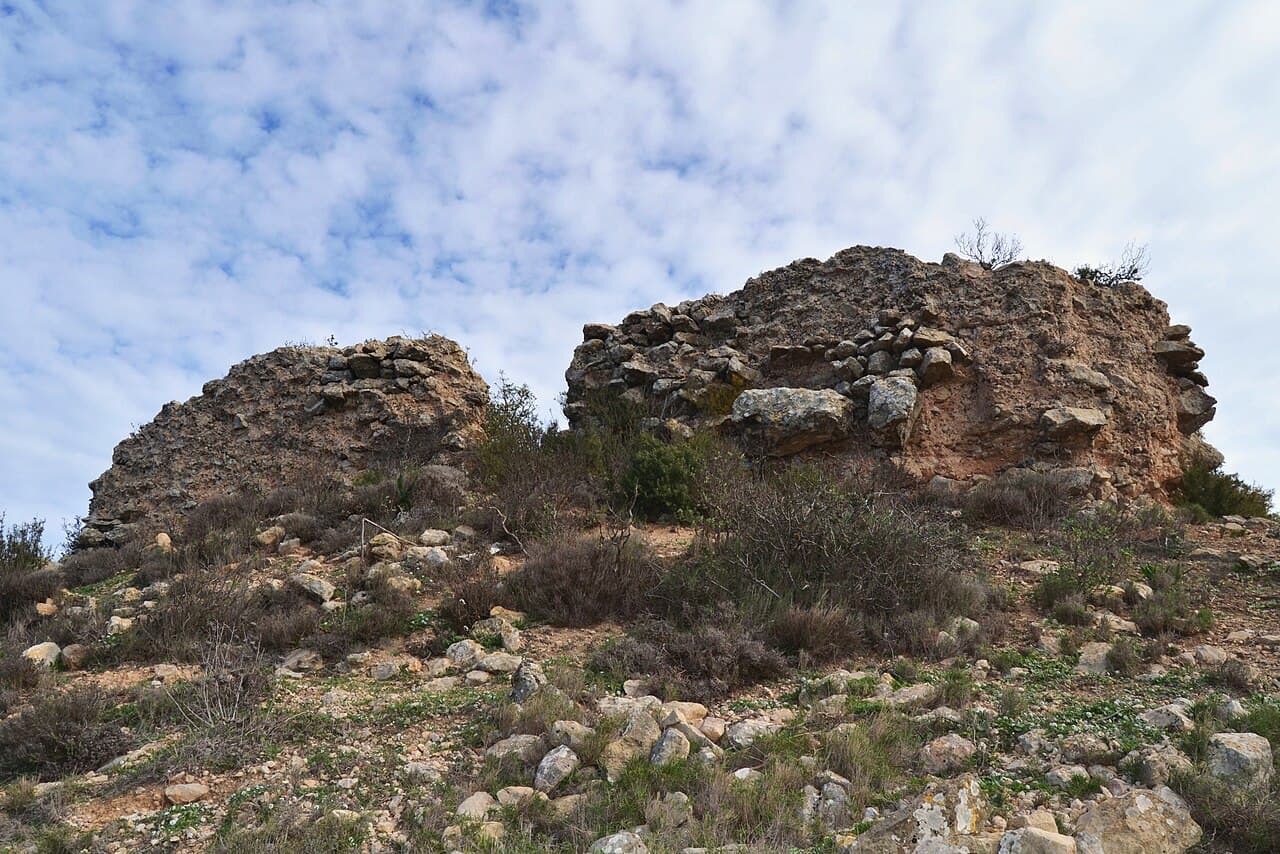
Today, the Castle of Aixa exists as ruins, with only partial walls and foundational structures visible. The site has not undergone extensive restoration, preserving its archaeological authenticity but limiting accessibility and interpretation for visitors. The natural erosion and vegetation growth have further contributed to the castle's dilapidated state.
Despite its ruinous condition, the castle remains a point of interest for historians, archaeologists, and visitors interested in medieval architecture and regional history. Its location offers panoramic views of the surrounding valleys and mountains, enhancing its appeal as a cultural heritage site.
Visiting the castle of aixa
Access to the Castle of Aixa requires a hike through mountainous terrain, making it suitable for visitors with moderate physical fitness. There are no formal visitor facilities or guided tours at the site, so preparation and caution are advised. The best time to visit is during the spring and autumn months when weather conditions are milder.
Visitors interested in exploring the castle should also consider nearby towns such as Alcalalí, Llosa de Camacho, and Jalón, which offer cultural attractions, local cuisine, and accommodation options.
Nearby attractions
- Alcalalí old town – charming streets with traditional Valencian architecture.
- Pop Valley vineyards – renowned for local wine production and scenic landscapes.
- Jalón market – a vibrant market featuring regional crafts and foods.
Frequently asked questions (FAQ)
- How do I get to the Castle of Aixa?
- The Castle of Aixa is located on the Castellet de Aixa mountain near Alcalalí, Spain. Access requires hiking through mountainous terrain, so visitors should be prepared for a moderate trek.
- What is the historical significance of the Castle of Aixa?
- The castle served as a medieval fortress controlling the Pop Valley and mountain routes in the Valencian Community. It reflects the region's feudal and defensive history during the Middle Ages.
- Can I visit the Castle of Aixa year-round?
- Yes, the castle ruins can be visited year-round, but the best times are spring and autumn when the weather is milder for hiking and outdoor exploration.
- Is the Castle of Aixa well preserved?
- The castle is in ruins with only partial walls and foundations remaining. It has not undergone extensive restoration, preserving its archaeological authenticity.
- Are there guided tours available at the Castle of Aixa?
- There are no formal guided tours or visitor facilities at the castle site. Visitors should plan accordingly and take safety precautions when exploring.
Photo gallery

Information
Loading map...
Visitor reviews
No reviews yet. Been here? Write the first review and help other travelers!
Write the first reviewVisited this castle? Share your experience
Your review helps other travelers and adds first-hand knowledge to our encyclopedia.