Castle Morlanne
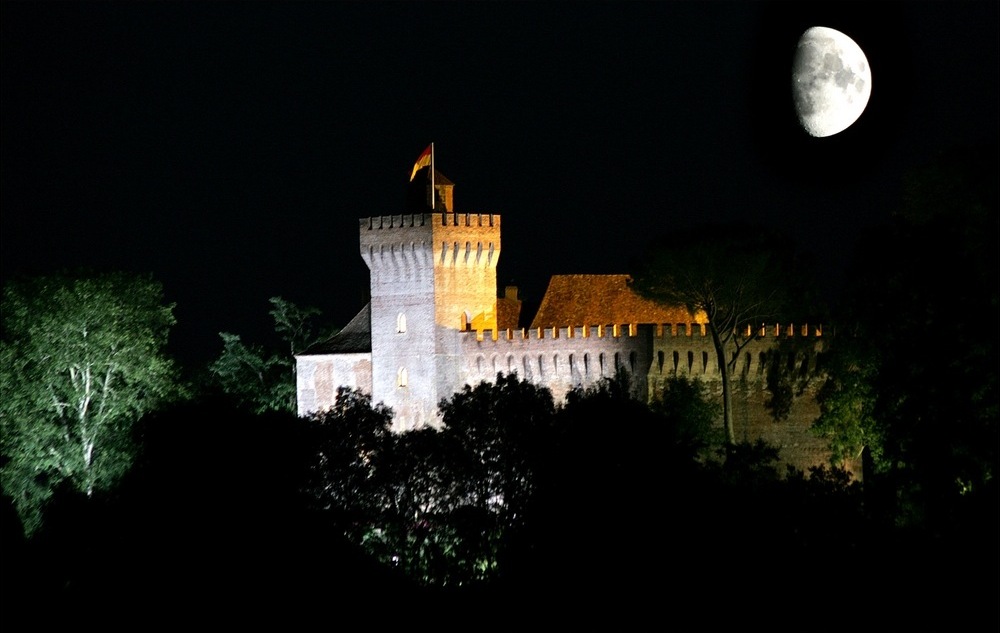
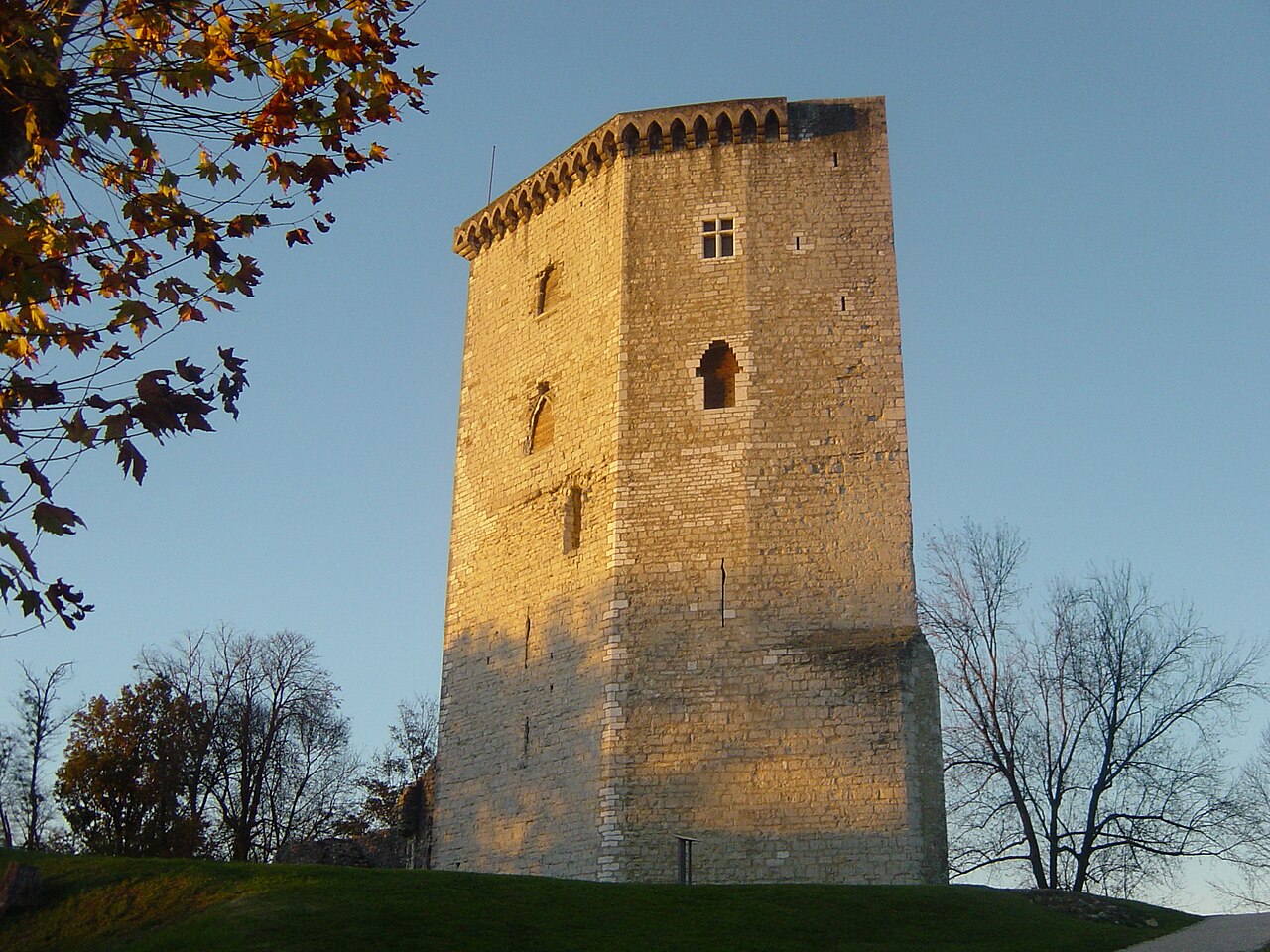
Castle Morlanne stands as a remarkable example of late medieval military architecture in southwestern France. Constructed in the 14th century, this imposing brick fortress was originally built for Arnaud-Guilhem, the brother of Gaston Febus, the eleventh Count of Foix. Its strategic position was intended to supervise and control the territory of English Gascony during a turbulent period marked by the Hundred Years' War. The fortress's robust design reflects the defensive needs of the era, featuring thick walls, moats, and a commanding high keep that dominates the surrounding landscape.
Historical evolution and ownership
Throughout the centuries, Castle Morlanne underwent significant transformations that shifted its role from a purely military stronghold to a more comfortable noble residence. In the 15th century, Odet d'Aydie, a prominent figure and trusted advisor to King Charles VII, acquired the castle and initiated extensive renovations. These modifications included the addition of larger windows and multiple chimneys, reflecting the transition towards improved living conditions and aesthetic considerations. Odet d'Aydie also expanded the castle by building a new wing and enlarging the interior chambers, thus enhancing its function as a noble residence rather than just a fortress.
Over the following centuries, the castle changed hands numerous times, each owner leaving subtle marks on its structure and decoration. Despite these changes, the castle retained its medieval character and defensive features. However, by the time of World War II, the castle had been abandoned and fell into a state of disrepair, its once formidable walls succumbing to neglect and the ravages of time.
Restoration and preservation efforts
The revival of Castle Morlanne began in 1969 when Raymond Ritter, a dedicated historian and scholar, purchased the property. Ritter was passionate about preserving historical heritage and undertook a meticulous restoration project aimed at recreating the castle's original medieval architecture. His efforts focused on restoring the castle's key defensive elements, including the gateways, courtyard, and the moats, as well as the imposing high keep. Thanks to these restoration works, the castle today presents a remarkably authentic appearance, as if it had survived intact through its six centuries of history.
Architectural features and layout
Castle Morlanne exemplifies the architectural style and defensive ingenuity of late medieval fortresses. The castle is primarily constructed of brick, a material choice that was both practical and symbolic of regional building traditions. Its high keep serves as a vantage point offering panoramic views over the village of Morlanne and the surrounding countryside, a critical feature for surveillance and defense.
The castle's layout includes a fortified courtyard enclosed by strong walls and protected by a series of gateways. The presence of moats further enhanced its defensive capabilities, creating a barrier against invaders. Inside, the castle houses a collection of period furniture and art objects, including sublime paintings that reflect the cultural heritage of the region and the castle's noble occupants.
Defensive elements
The castle's defensive system is characteristic of the 14th century military architecture, with thick curtain walls and a high keep designed to withstand sieges. The gatehouses were fortified to control access, and the moats provided an additional layer of protection against attackers. Battlements and arrow slits allowed defenders to repel assaults effectively.
Residential adaptations
During the 15th century renovations, the castle was adapted to provide greater comfort and status for its noble residents. The addition of larger windows allowed more light into the chambers, while new chimneys improved heating. The expansion of interior spaces and the construction of a new wing reflected the evolving needs of aristocratic life, balancing defense with domestic luxury.
Cultural significance and visitor experience
Castle Morlanne is not only a monument of military and architectural history but also a cultural treasure that offers visitors a glimpse into the medieval past of the region. The castle's preservation allows guests to experience the atmosphere of a medieval fortress that has been carefully maintained to reflect its historical authenticity.
Visitors can explore the courtyard, ascend the high keep for breathtaking views, and admire the interior collections of furniture and artworks. The castle's setting in the village of Morlanne adds to its charm, providing a picturesque backdrop that enhances the historical ambiance.
Overall, Castle Morlanne stands as a testament to the rich history and architectural heritage of the Gascony region, embodying the evolution of medieval fortifications into noble residences. Its survival and restoration highlight the importance of preserving cultural landmarks for future generations to appreciate and learn from.
Frequently asked questions (FAQ)
- How do I get to Castle Morlanne?
- Castle Morlanne is located in the village of Morlanne in the Nouvelle-Aquitaine region of France. It is accessible by car via local roads, with parking available nearby. Public transportation options may be limited, so driving is recommended.
- What is the historical significance of Castle Morlanne?
- Castle Morlanne was built in the 14th century to oversee English Gascony and played a strategic role in regional conflicts during the Hundred Years' War. It later evolved into a noble residence under Odet d'Aydie in the 15th century.
- Can I tour the interior of Castle Morlanne?
- Yes, visitors can explore the castle's interior, which features period furniture, art collections, and restored architectural elements. Guided tours are often available to provide historical context and highlight the castle's features.
- When is the best time to visit Castle Morlanne?
- The castle is open daily from 10:00 to 18:00, making spring and summer ideal times to visit for pleasant weather and extended daylight hours. Autumn also offers beautiful scenery around the castle grounds.
- Are there any special events held at Castle Morlanne?
- Castle Morlanne occasionally hosts cultural events, historical reenactments, and exhibitions that celebrate its heritage. Visitors should check the castle's official website or local tourism information for event schedules.
Information
Opening hours
10:00-18:00, daily
Ticket prices
€8 adult, €5 child
Current owner
Private owner
Website
Visit websiteSources & official resources
Verify the information above using these authoritative references.
Loading map...
Visitor reviews
No reviews yet. Been here? Write the first review and help other travelers!
Write the first reviewVisited this castle? Share your experience
Your review helps other travelers and adds first-hand knowledge to our encyclopedia.