Castle Dussen
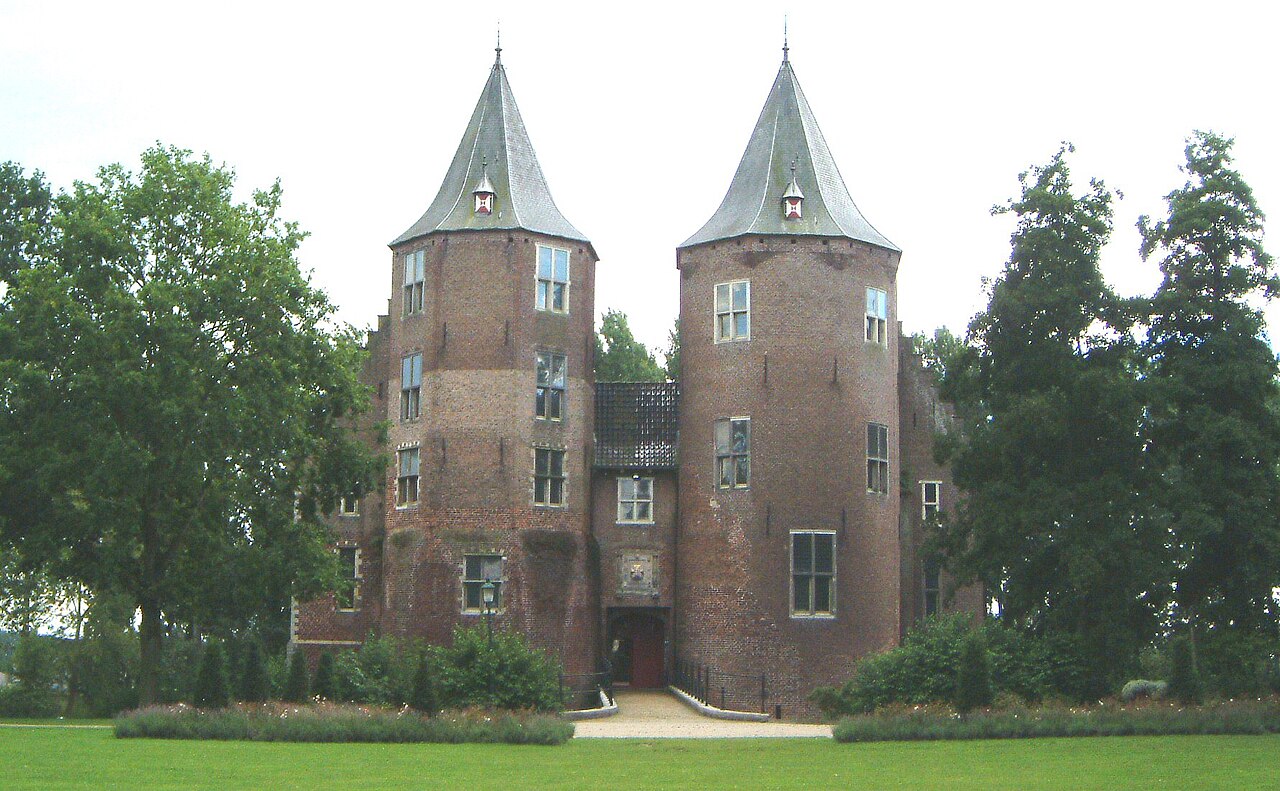
Castle Dussen stands as a remarkable example of medieval fortification and noble residence located in North Brabant, in the southern Netherlands. Its origins trace back to the 14th century when a residential tower was established beside the "de Dusse" stream, marking the site’s initial strategic and residential use. This tower was transformed into a full-fledged castle in 1387 under the direction of Arent van der Dussen, whose efforts included the construction of the castle’s foundational cellars, which remain intact to this day.
Medieval origins and early fortifications
The castle’s earliest phase centered on a sturdy residential tower that reflected the typical defensive architecture of the late medieval period. This tower was part of a larger complex that evolved into a fortified castle, designed to control the surrounding waterways and land routes. The castle’s location near the "de Dusse" stream provided natural defenses and access to water, a vital resource for both daily living and defense.
Destruction and reconstruction after the st. elizabeth flood
In 1421, the devastating St. Elizabeth flood caused extensive damage to the castle, reducing it to ruins. This catastrophic event reshaped the landscape of the region and necessitated a significant rebuilding effort. Reconstruction began in 1456 under the guidance of Floris I van der Dussen and was continued by his son. This phase introduced important architectural elements such as the characteristic entrance gate and portions of the towers that survive today, exemplifying the late medieval defensive style with robust masonry and fortified gateways.
Military conflicts and ownership changes
During the Eighty Years' War, the castle was captured by the Spanish forces in 1573. The occupation left the castle in a state of disrepair. Following the 1609 armistice, which provided a temporary peace lasting twelve years, Baron van Gent undertook restoration efforts to return the castle to a habitable and defensible condition. One notable addition during this period was the Tuscan colonnade in the courtyard, reflecting Renaissance influences and a shift towards more residential comfort.
In 1628, the castle changed hands when Baron van Gent sold it to the Van Axel family, marking another chapter in its noble lineage.
19th and 20th century transformations
In the 19th century, the castle came into the possession of Marie Camille de Croix in 1863. Through her marriage to Marie Auguste d'Ursel, the castle became part of the noble Belgian Ursel family. In 1901, the Ursels offered the castle as temporary accommodation to a monastic community. During this period, the castle saw the addition of a walkway across the canal, enhancing access and connectivity.
After the nuns vacated the premises, the castle remained empty for four years until the Suringar family acquired it in 1924. Rolina Suringar was the last private occupant until her death in 1935. Subsequently, the castle was purchased by the municipality, which repurposed it as a town hall from 1954 to 1997, highlighting its continued civic importance.
Modern preservation and current use
In 2013, ownership transferred to the Monumenten Fonds Brabant, an organization dedicated to heritage conservation. The castle underwent restoration and preservation efforts to maintain its historical and architectural integrity. Since 2020, the castle has been occupied by Niek van Lieverloo and Klaas van Leengoed, who have contributed to its upkeep and public engagement.
Architectural features and significance
Castle Dussen exemplifies a blend of medieval defensive architecture and later Renaissance residential adaptations. Its surviving cellars and towers provide insights into 14th and 15th-century construction techniques, while the Tuscan colonnade and canal walkway reflect evolving architectural tastes and functions over centuries.
The castle’s location in North Brabant situates it within a historically contested region, where waterways and floods have shaped both its physical structure and historical narrative. The castle remains a significant cultural heritage site, illustrating the resilience and adaptation of noble residences through periods of conflict, natural disaster, and changing ownership.
Frequently asked questions (FAQ)
- How do I get to Castle Dussen?
- Castle Dussen is located in North Brabant, Poland, and can be accessed by car or public transport. If you are driving, take the A2 highway and follow the local signs. For public transport, check the local bus schedules for the most convenient routes.
- What is the historical significance of Castle Dussen?
- Castle Dussen has a rich history that dates back to the 15th century and has served various purposes over the centuries. It played a crucial role in regional defense and has witnessed many historical events. Today, it stands as a symbol of Poland's architectural heritage and medieval history.
- When was Castle Dussen built?
- Castle Dussen was originally constructed in the mid-15th century, with various renovations and expansions occurring in the following centuries. Its architecture reflects the styles prevalent during its time, showcasing both defensive and residential features. The castle has been preserved to highlight its historical importance.
- Can I take guided tours of Castle Dussen?
- Yes, guided tours of Castle Dussen are available and provide an in-depth look at the castle's history and architecture. These tours are led by knowledgeable guides who share fascinating stories and insights. It is recommended to book your tour in advance to ensure availability.
- Why is the architecture of Castle Dussen unique?
- The architecture of Castle Dussen is unique due to its blend of Gothic and Renaissance styles, which reflect the era in which it was built and later modified. The castle features impressive stonework, intricate details, and fortified elements that showcase its historical significance. Visitors can appreciate the craftsmanship that has endured for centuries.
- Is it possible to host events at Castle Dussen?
- Yes, Castle Dussen offers facilities for hosting various events, including weddings, corporate gatherings, and cultural activities. The picturesque setting and historical ambiance make it a popular choice for memorable occasions. Interested parties should contact the castle's administration for more information on available packages and services.
- What are the opening hours of Castle Dussen?
- Castle Dussen is open to visitors from 10 AM to 6 PM during the peak season, which runs from April to October. In the off-peak season, the hours may vary, so it's advisable to check the official website for the most current information. Plan your visit accordingly to make the most of your experience.
- What are the ticket prices for visiting Castle Dussen?
- Ticket prices for Castle Dussen vary depending on the type of tour and age group. Generally, adult tickets are priced around 10 PLN, while discounts are available for children, students, and seniors. Group rates may also apply, so be sure to inquire for the best options when planning your visit.
- What is the best time to visit Castle Dussen?
- The best time to visit Castle Dussen is during the spring and summer months, from April to September, when the weather is pleasant and the gardens are in full bloom. Additionally, many events and activities are scheduled during this time, enhancing the visitor experience. However, visiting in the fall can provide a quieter experience with beautiful autumn foliage.
- Are there any nearby attractions to visit after Castle Dussen?
- Yes, there are several nearby attractions that complement your visit to Castle Dussen, including local museums, parks, and historical sites. The surrounding area offers beautiful walking trails and scenic views. Exploring these attractions can provide a well-rounded experience of the region's culture and history.
Information
Loading map...
Visitor reviews
No reviews yet. Been here? Write the first review and help other travelers!
Write the first reviewVisited this castle? Share your experience
Your review helps other travelers and adds first-hand knowledge to our encyclopedia.