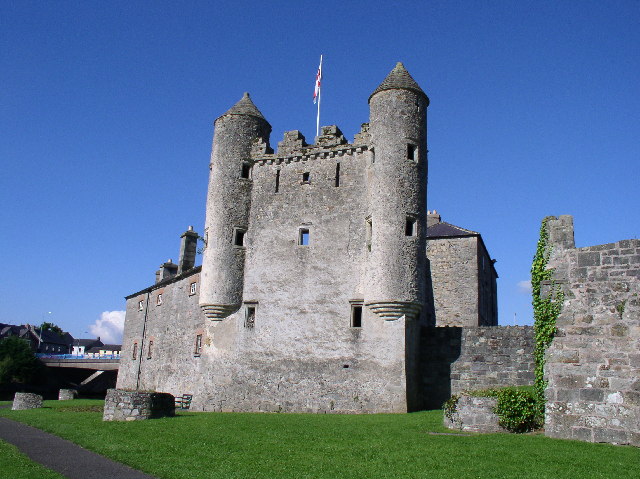
Castle Coole
Castle Coole stands as one of the finest examples of neoclassical country houses in Ireland, located near Enniskillen in County Fermanagh. Commissioned by Armar Lowry Corry, 1st Earl Belmore in the late 18th century, the estate was designed to reflect the prestige and social standing of the Belmore family. The house is celebrated for its exceptional neoclassical architecture, exquisite interiors, and Regency furnishings, representing a pinnacle of taste and craftsmanship during the post-Renaissance period.
The estate’s origins trace back to the mid-17th century when John Corry, a Scottish merchant, acquired land in Fermanagh following the Ulster Plantation. The original castle on the site was destroyed during the Williamite War in Ireland, leading to the construction of a brick house around 1707, which marked a shift from fortified castles to elegant country residences. The current Castle Coole was commissioned in 1789 by the first Earl Belmore, who initially engaged Dublin architect Richard Johnston before ultimately hiring the renowned English architect James Wyatt. Wyatt, a master of the neoclassical style, designed the house remotely from England, with Irish craftsmen executing the construction and interior work.
Architectural design and construction
Castle Coole is constructed primarily of Portland limestone, lending the façade a smooth, elegant appearance characteristic of neoclassical design. The building’s layout features a central block flanked by wings, with the ground floor housing the principal reception rooms, including grand halls and drawing rooms, designed for entertaining and showcasing the family's wealth. The upper floors contain private family bedrooms and living quarters, arranged to provide privacy and comfort.
The interiors are notable for their meticulous plasterwork, created by specialist plasterers under Joseph Rose, whose work includes intricate ceiling decorations and wall embellishments. Marble chimneypieces crafted by Richard Westmacott add to the luxurious atmosphere, while Domenico Bartoli contributed scagliola columns and pilasters, enhancing the classical aesthetic with rich textures and colors.
Service and functional areas
The extensive basement of Castle Coole contains the service rooms, organized into separate sections managed by the housekeeper, butler, and cook. A notable feature is the large service tunnel connecting the basement to the service yards, allowing discreet movement of staff and supplies without disturbing the family or guests. This design reflects the social hierarchies and domestic organization typical of grand houses in the period.
Interior furnishings and decoration
The interior decoration of Castle Coole was largely overseen by Somerset Lowry Corry, 2nd Earl Belmore, who commissioned Dublin furniture makers John and Nathaniel Preston to supply complete rooms of furniture from 1807 onwards. The furnishings exemplify Regency style with influences from the French Empire style, featuring elegant mahogany pieces, richly decorated upholstery, and ornamental details.
One of the most remarkable pieces is the State bed, commissioned for the anticipated visit of King George IV in 1821. Although the king never visited Castle Coole, the bed remains in pristine condition, showcasing the lavish craftsmanship and elaborate design typical of royal furnishings. The preservation of such original pieces provides invaluable insight into the tastes and social aspirations of the Irish aristocracy during the early 19th century.
Historical context and family legacy
The history of Castle Coole is intertwined with the political and social developments of Ireland and the British Empire. The first Earl Belmore was a Member of Parliament for Tyrone and was elevated to the peerage in recognition of his status. His son, the second Earl, was a vocal opponent of the Act of Union of 1800, which dissolved the Irish Parliament and integrated Ireland into the United Kingdom. Losing his parliamentary seat, he later served as a representative peer in the British House of Lords.
The second Earl’s career extended beyond Ireland when he was appointed Governor of Jamaica in 1828, during a turbulent period leading to the abolition of slavery. His moderate policies faced opposition from plantation owners and led to unrest, culminating in a rebellion and his recall to London. Despite this, his administration was later vindicated.
Subsequent generations of the Belmore family faced financial challenges, leading to the sale of much of their landholdings. The 4th Earl, Somerset, partially redecorated Castle Coole and served as Governor General of New South Wales, contributing to the development of Australian infrastructure. The 5th Earl and his siblings lived modestly at the estate, maintaining the family residence through changing times.
Modern preservation and public access
By the mid-20th century, the upkeep of Castle Coole became financially burdensome. In 1949, the house and surrounding 70 acres were transferred to the National Trust with support from the Ulster Land Fund, ensuring the preservation of the estate and its contents. The furnishings remain on loan, maintaining the house’s historical integrity and offering visitors an authentic glimpse into Regency aristocratic life.
The current 8th Earl Belmore resides nearby and remains actively involved in the estate’s care. Castle Coole is open to the public, allowing visitors to explore its grand rooms, extensive grounds, and learn about the architectural and social history of this distinguished Irish country house.
Visitor experience and significance
Visitors to Castle Coole can appreciate the harmonious blend of architecture, decorative arts, and historical narrative that the estate offers. The house’s well-preserved state and comprehensive archival records make it a unique resource for understanding 18th and 19th-century aristocratic life in Ireland. The estate’s gardens and parkland complement the architectural grandeur, providing a full experience of the period’s landscape design and country living.
Frequently asked questions (FAQ)
- What is the historical significance of Castle Coole?
- Castle Coole is a neoclassical mansion built in the late 18th century, designed by the renowned architect James Wyatt. It served as the seat of the Earls of Belmore and is a notable example of early 19th-century architecture in Ireland, reflecting the wealth and status of its original owners.
- When was Castle Coole built?
- Construction of Castle Coole began in 1789 and was completed in 1820. The castle has undergone various restorations over the years, preserving its historical integrity and showcasing its stunning architectural features.
- What are the opening hours for Castle Coole?
- Castle Coole is typically open to visitors from 10 AM to 5 PM during the summer months and has reduced hours in the winter. It is advisable to check the official website for the most current opening times, as they may vary seasonally or due to special events.
- Can I visit Castle Coole year-round?
- Yes, Castle Coole is open to visitors throughout the year, although certain areas may be closed during the winter months for maintenance. Be sure to check for specific opening dates and times before planning your visit.
- Is there an admission fee to enter Castle Coole?
- Yes, there is an admission fee for visitors to explore Castle Coole and its grounds. Ticket prices may vary depending on age, group size, and any special events, so it is best to check the official site for the latest pricing details.
- How do I get to Castle Coole from Enniskillen?
- Castle Coole is conveniently located just a short drive or a pleasant walk from the center of Enniskillen. Public transport options may also be available, but it is advisable to check local schedules for the most accurate information.
- What is the best time to visit Castle Coole?
- The best time to visit Castle Coole is during the spring and summer months when the gardens are in full bloom and the weather is favorable for outdoor exploration. However, autumn also offers beautiful foliage, making it a picturesque time to enjoy the estate.
- Are there any nearby attractions to explore while visiting Castle Coole?
- Yes, nearby attractions include the picturesque Lough Erne and the historic town of Enniskillen, where visitors can explore museums, shops, and cafes. Additionally, the stunning Florence Court and the Marble Arch Caves are also within a short distance, providing more opportunities for exploration.
- Is Castle Coole accessible for visitors with mobility challenges?
- Castle Coole aims to be accessible to all visitors, offering facilities such as ramps and accessible restrooms. However, some areas of the estate may be challenging due to uneven terrain, so it is recommended to contact the site in advance for specific accessibility information.
Loading map...
Visitor reviews
No reviews yet. Been here? Write the first review and help other travelers!
Write the first reviewVisited this castle? Share your experience
Your review helps other travelers and adds first-hand knowledge to our encyclopedia.