Castle Chichester Tower
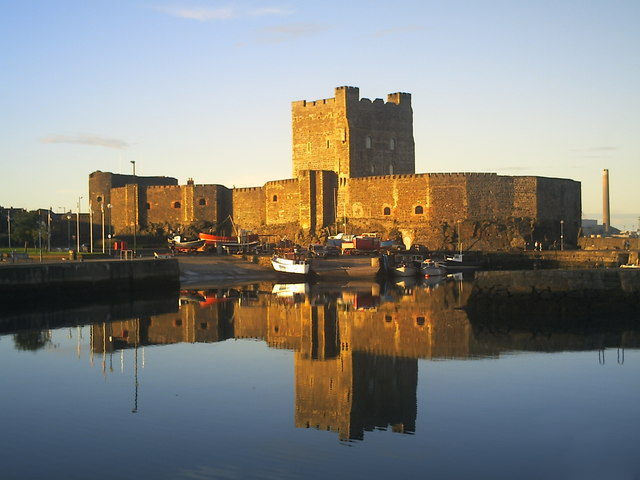
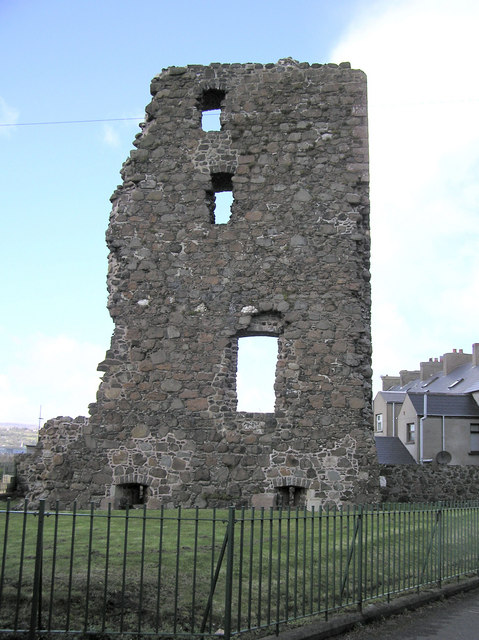
Castle Chichester Tower in Whitehead, Northern Ireland, is a significant example of early 17th-century military architecture in the region. Constructed around 1604, this three-story basalt tower was primarily built as a defensive fortification to protect English plantation settlers from Native Irish clans and other hostile forces. The castle's strategic location overlooking Belfast Lough provided commanding views essential for surveillance and defense during a turbulent period in Ulster's history.
Historical context and origins
The tower was commissioned by Sir Moyses Hill, an English soldier who arrived in Ireland in 1573 as part of the military campaign led by the Earl of Essex to suppress the rebellion of the O’Neill clan. Hill's military service earned him significant land grants and titles, including the governorship of Olderfleet Castle in Larne and ownership of the Kilwarlin Estate (now known as Hillsborough). Knighted in 1603, Hill was appointed Provost Marshall of Ulster by Lord Chichester in 1617, a role that consolidated his influence in the region and enabled him to establish the tower as a key defensive stronghold.
Architectural features and construction
Castle Chichester Tower is constructed mainly from basalt boulders and repurposed brick stone, materials that were locally sourced and chosen for their durability. The tower's robust masonry walls rise three stories high, with narrow slit windows designed for archers or musketeers to defend the castle while minimizing exposure. The structure likely included battlements and a fortified entrance, typical of plantation-era defensive towers designed to withstand attacks from both small raiding parties and larger forces.
The tower's elevated position offered extensive views across Belfast Lough and the surrounding inland area, making it a vital lookout post. This vantage point allowed early warning of approaching threats by land or sea, enhancing the security of the plantation settlers and facilitating control over regional trade routes.
The surrounding settlement and economic development
By the mid-17th century, a growing village had developed around Castle Chichester Tower. This settlement included a quay that enabled trade with Scotland and England, reflecting the strategic economic importance of the location. The presence of the castle helped stabilize the area, encouraging commerce and the establishment of a community that would evolve over subsequent centuries.
During the 19th century, Whitehead transformed into a popular coastal tourist destination. However, as the town expanded and modernized, the tower fell into disrepair. Despite this, it remains a prominent historical landmark, embodying the turbulent plantation history and early colonial architecture of Northern Ireland.
Legacy and preservation
Today, Castle Chichester Tower stands as a partially preserved monument to the early 17th-century plantation period in Ulster. Its construction reflects the military and political strategies employed by the English Crown to secure control over Ireland. The tower's enduring presence offers valuable insights into the architectural styles and defensive needs of the era, as well as the complex history of settlement and conflict in Northern Ireland.
Efforts to maintain and preserve the tower contribute to the cultural heritage of Whitehead and Northern Ireland, attracting visitors interested in the region's rich history and architectural legacy.
Frequently asked questions (FAQ)
- What is the historical significance of Castle Chichester Tower?
- Castle Chichester Tower, located in Whitehead, is a prominent example of 19th-century military architecture. Built during the Victorian era, it served as a coastal defense mechanism and reflects the strategic importance of the area during that time.
- When was Castle Chichester Tower built?
- Castle Chichester Tower was constructed in the early 1850s, with its completion marking a significant period in the development of coastal defenses in the UK. The castle was designed to protect against naval threats and has stood the test of time as a historical landmark.
- Can I visit Castle Chichester Tower?
- Yes, visitors are welcome to explore Castle Chichester Tower. However, it is advisable to check the official website for any visitor restrictions or guided tour availability before planning your visit.
- What are the opening hours for Castle Chichester Tower?
- Castle Chichester Tower typically opens to the public from 10 AM to 5 PM, but hours may vary seasonally or due to special events. Always verify current hours on the official website before your visit.
- Is it possible to access Castle Chichester Tower for individuals with disabilities?
- Castle Chichester Tower strives to be accessible to all visitors, but the historical architecture may present challenges. It is recommended to contact the site in advance to discuss accessibility options and any accommodations that may be available.
- What is the best time to visit Castle Chichester Tower?
- The best time to visit Castle Chichester Tower is during the late spring and early autumn months when the weather is mild and pleasant. This allows for an enjoyable exploration of the castle and its surroundings.
- What are the ticket prices for visiting Castle Chichester Tower?
- Ticket prices for Castle Chichester Tower are generally affordable, with discounts available for children, seniors, and families. It's best to check the official website for the most current pricing and any special promotions.
- Are there any nearby attractions to visit along with Castle Chichester Tower?
- Yes, visitors to Castle Chichester Tower can also explore nearby attractions such as the picturesque coastal walks and the charming town of Whitehead. Other historical sites and natural landmarks in the vicinity provide a rich experience for tourists.
Information
Loading map...
Visitor reviews
No reviews yet. Been here? Write the first review and help other travelers!
Write the first reviewVisited this castle? Share your experience
Your review helps other travelers and adds first-hand knowledge to our encyclopedia.