Castle Auer
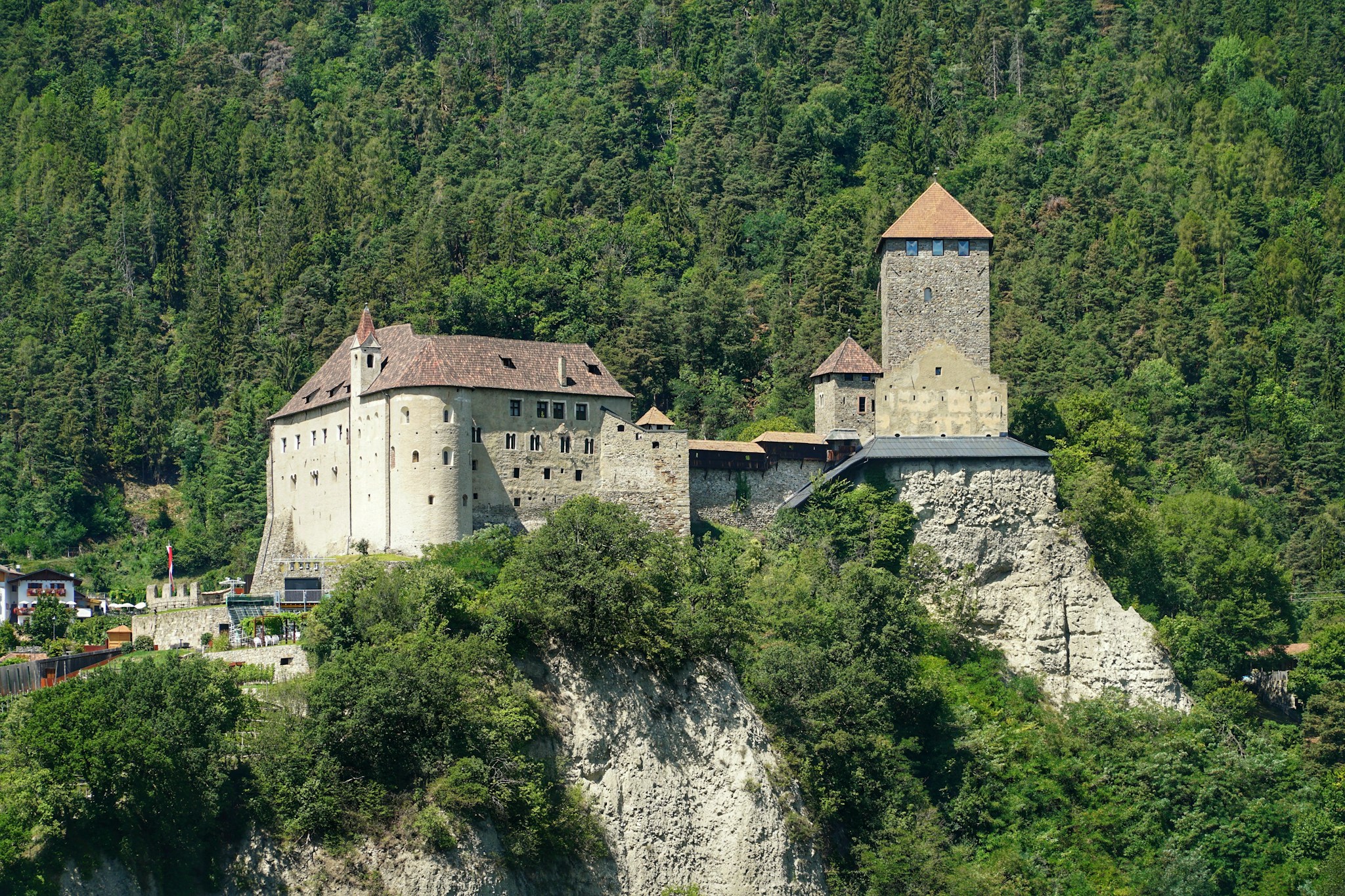
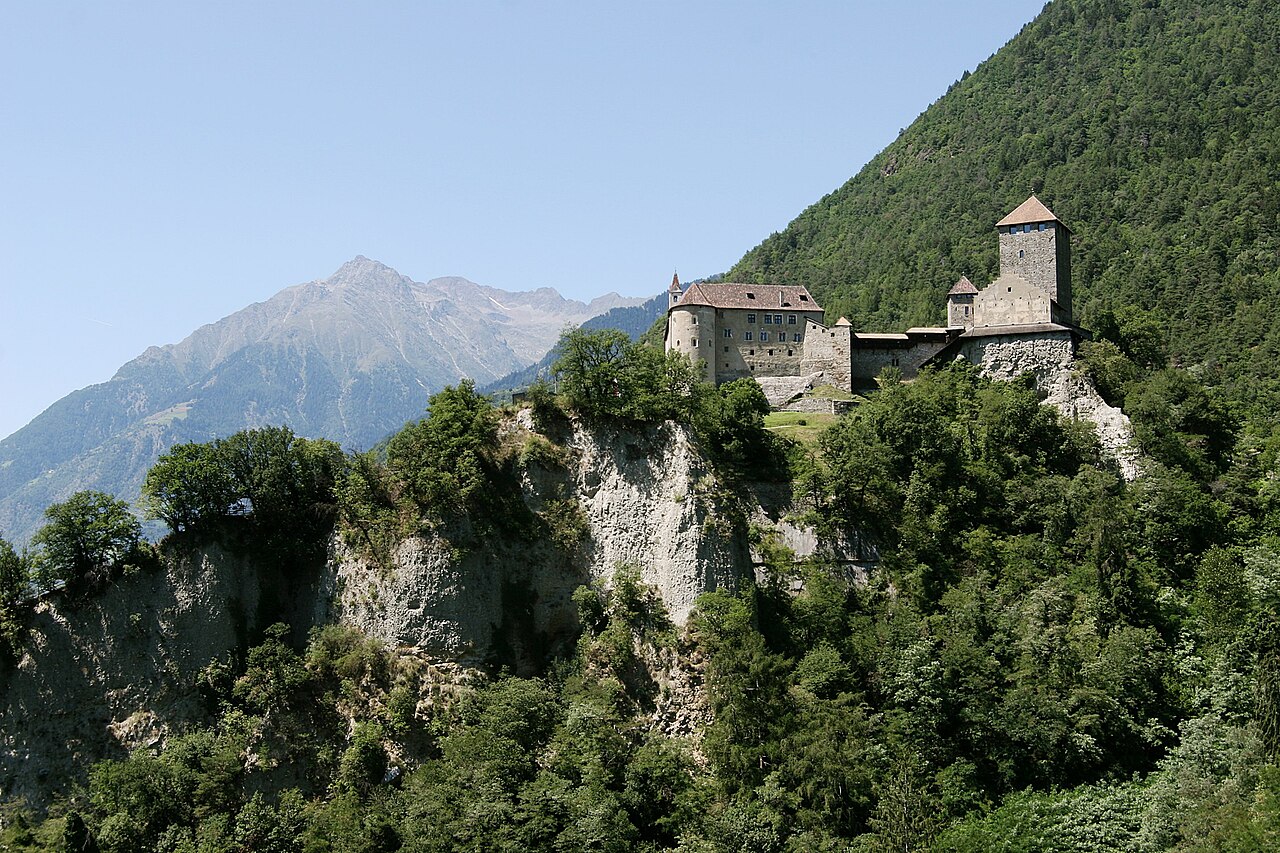
Castle Auer stands as a remarkable example of a 13th-century hill castle located near the town of Merano in the municipality of Tirolo, Italy. This small yet historically significant castle was originally constructed by medieval nobles during the High Middle Ages to serve as both a residence and a local center of justice. Its close connection to the larger and more prominent Castle Tirol reflects the territorial organization and feudal governance of the South Tyrol region under the rule of regional lords.
Historical background and ownership lineage
The earliest documented reference to the estate dates back to 1288, when Meinhard II, a notable regional ruler, granted the tower at Finailbach to Christian, a judge based at Stein am Ritten. This grant effectively established the noble family known as the Lords of Auer. Further historical records, including a 1339 document listing Otte von Awer as a witness, confirm the continued presence and influence of this lineage in the area.
Over the centuries, Castle Auer experienced several changes in ownership among local aristocratic families. Notably, the Giovanelli family acquired the castle at one point, marking a shift in the castle's role and reflecting its diminished military and political prominence within the region. During the period of Fascist rule in Italy, the castle's name was Italianized to Castel d’Aura as part of a broader policy to rename Germanic places in South Tyrol.
Following World War II, the cultural and historical significance of Castle Auer was officially recognized, leading to its designation as a protected historic monument starting in 1950. In recent decades, the castle has been owned by the Counts von Khuen, who have undertaken meticulous restoration efforts to preserve its medieval and Renaissance heritage for future generations.
Architectural features and layout
Castle Auer is characterized by a compact arrangement of three tower-like residential buildings aligned along a north-south axis and almost entirely enclosed within a ring wall. The northern and southern towers form essential parts of this enclosure, serving dual functions as both living quarters and defensive structures.
Unlike many medieval castles, Castle Auer notably lacks a central keep (mastio) and extensive military fortifications. This architectural choice suggests that the castle was primarily intended as a domestic residence and administrative center rather than a fortress designed for prolonged defense. The compact layout and modest fortifications align with the castle's role as a noble residence integrated within the feudal landscape.
Interior spaces and artistic heritage
Inside the castle, visitors can explore a variety of historic interior spaces that showcase different architectural periods and styles. A late Gothic chapel dedicated to Saint Andrew highlights the castle's religious significance within the local community. This chapel is an important example of Gothic ecclesiastical architecture in a small noble residence.
Another notable interior feature is the Gothic-style stube, a heated living room typical of Alpine homes, which retains its original wooden beam ceiling. This room exemplifies the domestic comfort and architectural traditions of the medieval period in the South Tyrol region.
The castle also includes a large hall adorned with Renaissance frescoes dating from around 1550. These frescoes illustrate the artistic tastes and cultural influences that shaped the castle's early modern inhabitants. Additionally, a richly decorated 17th-century hall features painted coats of arms on the walls and ceiling, symbolizing the noble lineage and alliances of the castle's owners during that era.
Supporting structures and materials
Surrounding the main residential towers are ancillary buildings that served practical roles for the household and staff, reflecting the self-contained nature of the estate. Although specific details about construction materials are scarce, the castle's fabric aligns with traditional regional building techniques, likely utilizing local stone and timber consistent with South Tyrolean architectural practices.
Thanks to the restoration work carried out by the Counts von Khuen, the castle remains in good condition and preserves its historic architectural character, allowing visitors to appreciate its layered history and cultural significance.
Cultural significance and preservation
Castle Auer holds an important place in the cultural heritage of South Tyrol. Its history as a noble residence and judicial center provides insight into the feudal structures and regional governance of the High Middle Ages. The castle's architectural features, ranging from medieval domestic spaces to Renaissance artistic embellishments, reflect the evolving tastes and social status of its inhabitants over several centuries.
The castle's survival through periods of political change, including the Fascist era's cultural policies and post-war restoration efforts, underscores its enduring value as a historic monument. Today, it stands as a testament to the region's rich medieval and early modern history, attracting scholars and visitors interested in castle architecture, feudal society, and South Tyrolean heritage.
Visiting castle auer
Visitors to Castle Auer can experience a well-preserved example of a hill castle that combines defensive features with residential comfort. The castle's Gothic chapel, Renaissance frescoes, and 17th-century decorated halls offer a diverse glimpse into the art and architecture of different historical periods. The castle's location near Merano makes it accessible for those exploring the cultural landscape of South Tyrol.
While specific visiting hours and ticketing information are not widely published, the castle's status as a protected historic site ensures that it is maintained for public interest and educational purposes. Visitors are encouraged to explore the surrounding region, which is rich in medieval castles and historical landmarks.
Frequently asked questions (FAQ)
- How do I get to Castle Auer from Merano?
- Castle Auer is located near Merano in the municipality of Tirolo. Visitors can reach it by car or local transport, followed by a short walk from the nearest parking area or bus stop.
- What architectural styles are visible at Castle Auer?
- Castle Auer showcases primarily Gothic architecture, with significant Renaissance frescoes and 17th-century decorative elements visible inside the castle.
- Can I visit the interior of Castle Auer?
- Access to the interior of Castle Auer may be limited as it is privately owned by the Counts von Khuen. Visitors should check in advance for guided tours or special events that allow interior access.
- When was Castle Auer built?
- Castle Auer was originally constructed during the 13th century, reflecting the High Medieval period of South Tyrol's feudal history.
- Why is Castle Auer historically significant?
- Castle Auer is significant for its role as a noble residence and local center of justice in South Tyrol during the High Middle Ages, illustrating feudal governance and medieval architecture.
Information
Sources & official resources
Verify the information above using these authoritative references.
Loading map...
Visitor reviews
No reviews yet. Been here? Write the first review and help other travelers!
Write the first reviewVisited this castle? Share your experience
Your review helps other travelers and adds first-hand knowledge to our encyclopedia.