Castillo Forga
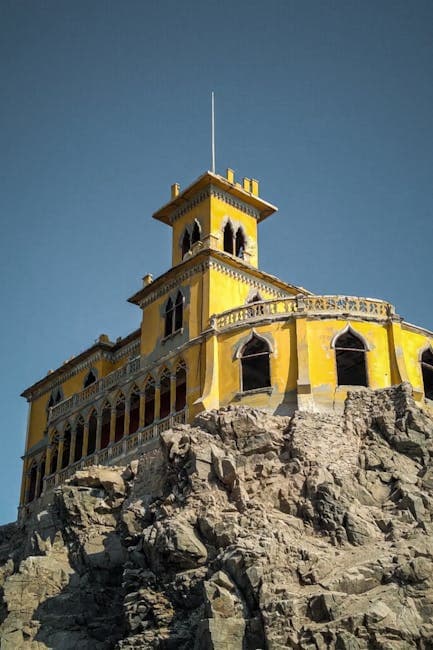
Perched dramatically on a cliff overlooking the southern Peruvian coast, Castillo Forga is a striking example of early 20th-century neo-Gothic architecture blended with Neoclassical and Baroque influences. This abandoned mansion stands as a testament to the ambitions and tastes of José Miguel Forga, a prominent landowner and textile magnate from Arequipa, who commissioned its construction between 1908 and 1910. Castillo Forga dominates the coastal landscape of Mollendo, a small but historically significant port town in southern Peru, offering panoramic views of the Pacific Ocean.
Originally named "Casa Blanca" (White House), the mansion was a social hub for the elite of Arequipa during its heyday. Its location atop a cliff made it a unique architectural feat, accessible only by an iron bridge that connected the residence to the town below. This bridge not only served a practical function but also added to the mansion's imposing and exclusive character. The design reflects Forga's admiration for European styles, particularly the romanticized medieval revival that neo-Gothic architecture represents, combined with decorative elements from Neoclassical and Baroque traditions.
Architectural design and features
Castillo Forga exemplifies the neo-Gothic architectural style popular in the late 19th and early 20th centuries, characterized by pointed arches, intricate stonework, and vertical lines that evoke medieval Gothic cathedrals. The mansion incorporates ornate windows with tracery, steeply pitched roofs, and decorative battlements that enhance its castle-like appearance. The inclusion of Neoclassical and Baroque elements is evident in the mansion's symmetrical layout, elegant columns, and elaborate interior moldings, which soften the otherwise austere Gothic forms.
The mansion's construction utilized local materials adapted to the coastal environment. Its cliffside position required careful engineering to ensure stability and durability against the ocean's corrosive effects and seismic activity common in the region. The iron bridge, a rare feature for private residences of the era, was an engineering marvel that symbolized the connection between the natural landscape and human craftsmanship.
Historical context and ownership
José Miguel Forga, the original owner, was a wealthy figure in Arequipa's early 20th-century society, with significant interests in land and the textile industry. His decision to build such an elaborate mansion in Mollendo reflected both his economic power and his desire to bring European architectural sophistication to Peru's southern coast. The mansion served as a venue for social gatherings, parties, and meetings among the region's elite, reinforcing Mollendo's status as a cultural and economic hub during that period.
However, the global economic crisis of 1929 severely impacted Forga's fortunes. Mounting tax debts led to the mansion's confiscation during President Manuel Prado's administration, after which it was handed over to the archbishop of Arequipa. Over the following decades, the mansion changed hands multiple times, with each owner struggling to maintain the property. Its remote location and the high costs of upkeep contributed to its gradual abandonment and deterioration.
Current condition and cultural significance
Today, Castillo Forga stands as a partially preserved relic of early 20th-century architecture and Peruvian social history. Although it has suffered from neglect and exposure to the elements, the mansion's core structure and many of its defining features remain intact. Its imposing silhouette continues to draw interest from historians, architects, and tourists intrigued by its unique blend of styles and its dramatic coastal setting.
The mansion's cultural significance extends beyond its architectural value. It embodies the aspirations of a bygone era in Peruvian history when European influences shaped the tastes and ambitions of the local elite. Castillo Forga also highlights the economic fluctuations that affected the region, illustrating how global events like the Great Depression had local repercussions.
Visiting Castillo Forga
While Castillo Forga is not currently a fully restored tourist site, it remains accessible to visitors interested in exploring Mollendo's historical landmarks. The mansion's cliffside location offers breathtaking views of the Pacific Ocean and the surrounding landscape, making it a compelling destination for photographers and history enthusiasts alike. Visitors should exercise caution due to the building's partial preservation state and the challenging terrain around the cliff.
Efforts to preserve and restore Castillo Forga could enhance its role as a cultural and historical attraction, contributing to the appreciation of Peru's architectural heritage. Meanwhile, the mansion stands as a poignant reminder of the region's rich history and the enduring legacy of early 20th-century architectural ambition on the Peruvian coast.
Frequently asked questions (FAQ)
- How do I get to Castillo Forga?
- Castillo Forga is located in Mollendo, Peru, easily accessible by car or public transport. The castle is situated near the coast, making it a scenic destination. Local buses frequently run from nearby cities, providing convenient options for visitors.
- What is the historical significance of Castillo Forga?
- Castillo Forga dates back to the late 19th century and was built as a military fortress to protect the region. Its strategic location offers breathtaking views of the Pacific Ocean, playing a key role in the defense against maritime threats. Today, it stands as a symbol of the area's rich history and cultural heritage.
- When was Castillo Forga constructed?
- Construction of Castillo Forga began in 1895 and was completed in the early 1900s. The castle reflects the architectural styles of the time and showcases the military engineering techniques used during its construction. It has been preserved as a historical site, attracting visitors interested in its past.
- Can I visit Castillo Forga year-round?
- Yes, Castillo Forga is open to visitors throughout the year, allowing you to experience its historical charm at any time. However, it's advisable to check for any special closures or events that might affect visiting hours. The site often hosts guided tours, enhancing your experience with detailed insights.
- Why is Castillo Forga a popular tourist attraction?
- Castillo Forga is popular due to its stunning coastal views, rich history, and unique architecture. Visitors are drawn to its picturesque setting and the opportunity to explore a significant piece of Peru's military history. Additionally, it provides a perfect backdrop for photography and leisurely walks.
- Is it possible to enter the castle grounds?
- Yes, visitors can access the castle grounds, where they can explore the exterior and enjoy panoramic views of the surrounding area. Guided tours may also be available, allowing deeper insights into the castle's history and architecture. Ensure to check in advance for any specific visiting guidelines.
- What are the opening hours of Castillo Forga?
- Castillo Forga typically opens from 9 AM to 5 PM, but it's best to verify current hours before your visit. Certain holidays or special events may lead to altered hours, so checking the official website or local tourist information can be helpful. Arriving early can help avoid crowds and enhance your experience.
- What are the ticket prices for visiting Castillo Forga?
- Ticket prices for Castillo Forga are generally affordable, making it accessible for many visitors. Discounts may be available for students, seniors, or groups, so be sure to inquire when purchasing your tickets. Free entry days may also be offered on special occasions, providing great opportunities to explore.
- What are some nearby attractions to visit after Castillo Forga?
- After exploring Castillo Forga, consider visiting the beautiful beaches of Mollendo, such as Playa de la Punta or Playa La Huella. The town also offers charming local markets and restaurants where you can enjoy Peruvian cuisine. Additionally, the nearby city of Arequipa is rich in history and culture, making it a great day trip opportunity.
Photo gallery

Photo by Mauricio Salas
Information
Loading map...
Visitor reviews
No reviews yet. Been here? Write the first review and help other travelers!
Write the first reviewVisited this castle? Share your experience
Your review helps other travelers and adds first-hand knowledge to our encyclopedia.