Castillo Di Bivar
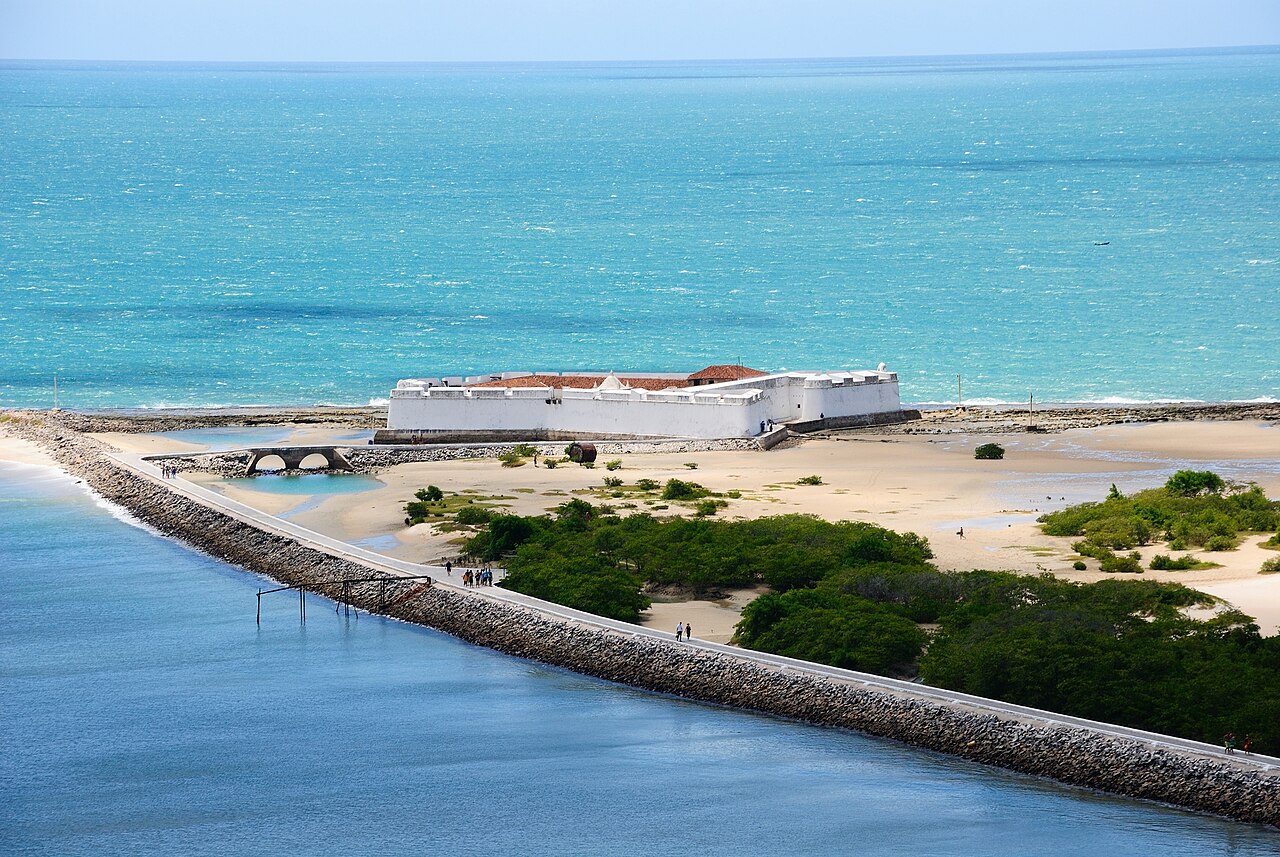
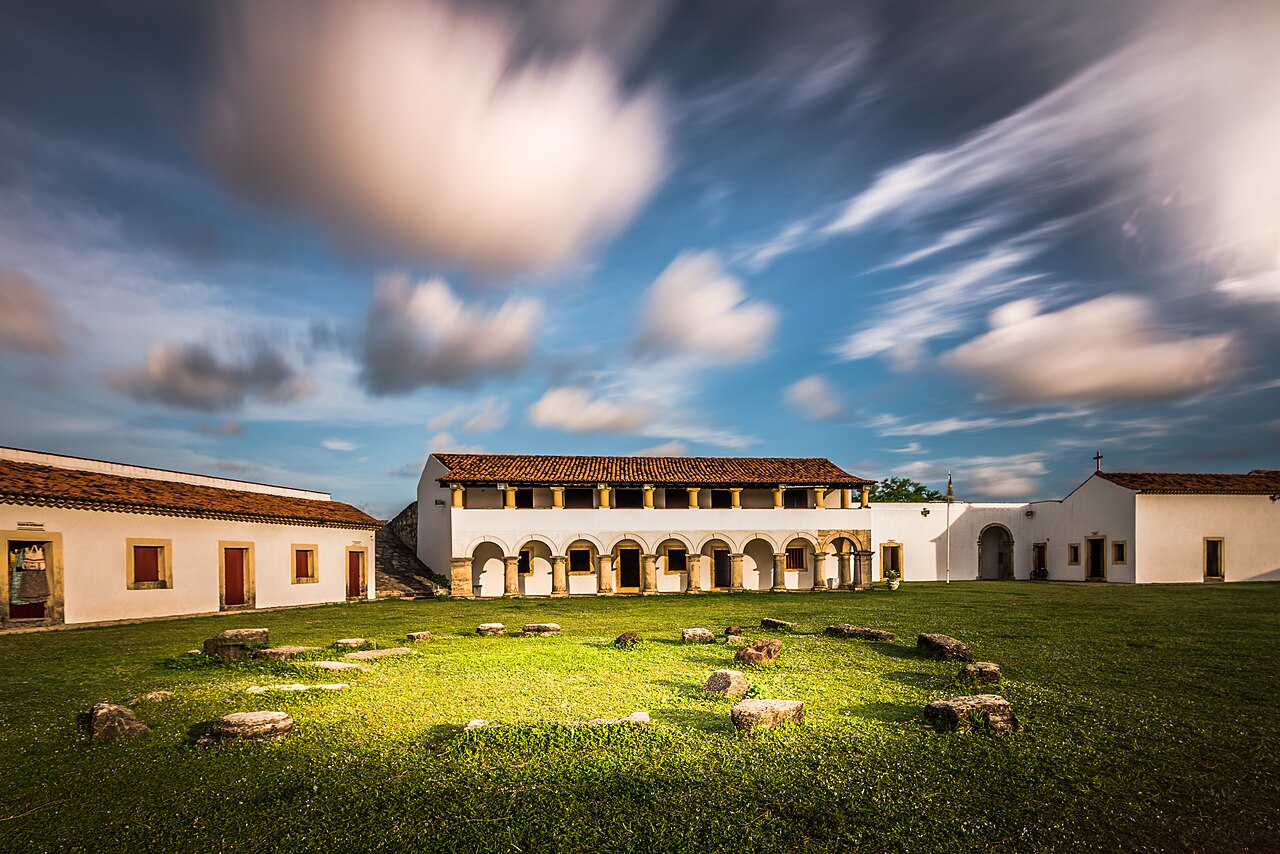
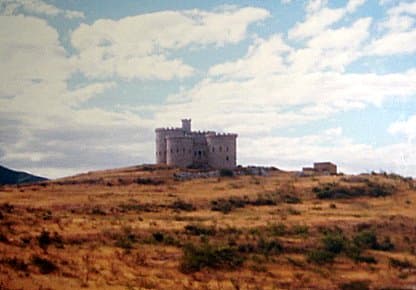
Castillo di Bivar is a distinctive 20th-century hill castle located in Brazil. Unlike medieval castles built for defense, this structure reflects the architectural trends and cultural influences of the contemporary period. It stands out as a unique example of castle-style architecture in a region where such fortifications are uncommon.
Architectural style and design
The castle exhibits characteristics typical of hill castles, positioned strategically on elevated terrain to maximize views and presence. Its design incorporates modern construction techniques of the 20th century, blending traditional castle elements such as towers, battlements, and with contemporary materials and styles. This fusion creates a visually striking landmark that pays homage to historic fortifications while embracing modernity.
Structural features
The castle's layout includes a central keep-like structure surrounded by defensive-style walls and turrets. The use of reinforced concrete and masonry allows for both durability and aesthetic appeal. Large windows and terraces provide panoramic views of the surrounding landscape, a feature more aligned with residential comfort than medieval defense.
Historical context and significance
Constructed in the 20th century, Castillo di Bivar does not have the medieval military function typical of European castles. Instead, it reflects a period when castle architecture was revived for aesthetic and cultural reasons rather than defense. This era saw many such buildings constructed worldwide as private residences, tourist attractions, or cultural monuments.
In Brazil, where colonial and indigenous architectural influences dominate, Castillo di Bivar stands out as an unusual example of castle-inspired architecture. It contributes to the cultural diversity of the region's built environment and serves as a point of interest for visitors fascinated by castle design outside traditional European contexts.
Location and surroundings
While the exact city location of Castillo di Bivar is not widely documented, its placement on a hill suggests an emphasis on commanding views and prominence in the landscape. The surrounding environment likely includes natural features typical of Brazilian hill regions, such as lush vegetation and varied terrain.
Current status and visitor information
The castle is currently preserved as a notable architectural landmark. Its condition reflects careful maintenance, although detailed information on public access, visiting hours, or ownership is limited. Visitors interested in modern castle architecture or unique Brazilian landmarks may find Castillo di Bivar an intriguing destination.
Architectural legacy and cultural impact
Castillo di Bivar exemplifies the 20th-century trend of reviving castle motifs for new purposes. It highlights how castle architecture can transcend its original defensive role to become a symbol of heritage, style, and identity. This castle enriches Brazil's architectural landscape by introducing a form more commonly associated with European history.
Frequently asked questions (FAQ)
- How do I get to Castillo Di Bivar?
- Castillo Di Bivar is located in Brazil and is accessible by car or public transport. If you are driving, there is parking available nearby. Public transport options include buses that regularly service the area.
- What is the historical significance of Castillo Di Bivar?
- Castillo Di Bivar is a landmark that reflects the rich history of Brazil's colonial period. It was built in the 17th century and served as a strategic fortification. The castle has been preserved as a testament to the architectural styles and military history of the time.
- When was Castillo Di Bivar built?
- Castillo Di Bivar was constructed in the early 17th century, specifically around 1625. This period marked significant developments in Brazil's colonial history, and the castle played a crucial role in regional defense.
- Can I take guided tours of Castillo Di Bivar?
- Yes, guided tours are available at Castillo Di Bivar, providing visitors with in-depth knowledge about the castle's history and architecture. These tours typically last about an hour and are led by knowledgeable guides. It is recommended to book in advance, especially during peak tourist seasons.
- Why is the architecture of Castillo Di Bivar unique?
- The architecture of Castillo Di Bivar combines elements of colonial Portuguese design with local influences, creating a distinctive style. Its robust stone walls and strategic layout emphasize both beauty and functionality. This unique architectural blend reflects the cultural heritage of Brazil during the colonial era.
- Is it possible to visit Castillo Di Bivar year-round?
- Yes, Castillo Di Bivar is open to visitors year-round, although hours may vary by season. It is advisable to check the official website for any seasonal changes in operating hours or special events. Visiting during the cooler months can enhance your experience.
- What are the ticket prices for Castillo Di Bivar?
- Ticket prices for Castillo Di Bivar are generally affordable, with discounts available for students and seniors. Children under a certain age may enter for free. It's best to check the official site for the latest pricing information before your visit.
- What is the best time to visit Castillo Di Bivar?
- The best time to visit Castillo Di Bivar is during the dry season, which typically runs from May to September. This period offers pleasant weather, making it ideal for outdoor exploration. Additionally, visiting during weekdays can help you avoid larger crowds.
- Are there any nearby attractions to Castillo Di Bivar?
- Yes, there are several nearby attractions worth visiting, including local museums and parks. The surrounding area also features beautiful landscapes and cultural sites that can enhance your experience. Be sure to ask at the castle for recommendations on local attractions.
Photo gallery

Photo by Gustavo de Farias•Public domain
Information
Loading map...
Visitor reviews
No reviews yet. Been here? Write the first review and help other travelers!
Write the first reviewVisited this castle? Share your experience
Your review helps other travelers and adds first-hand knowledge to our encyclopedia.