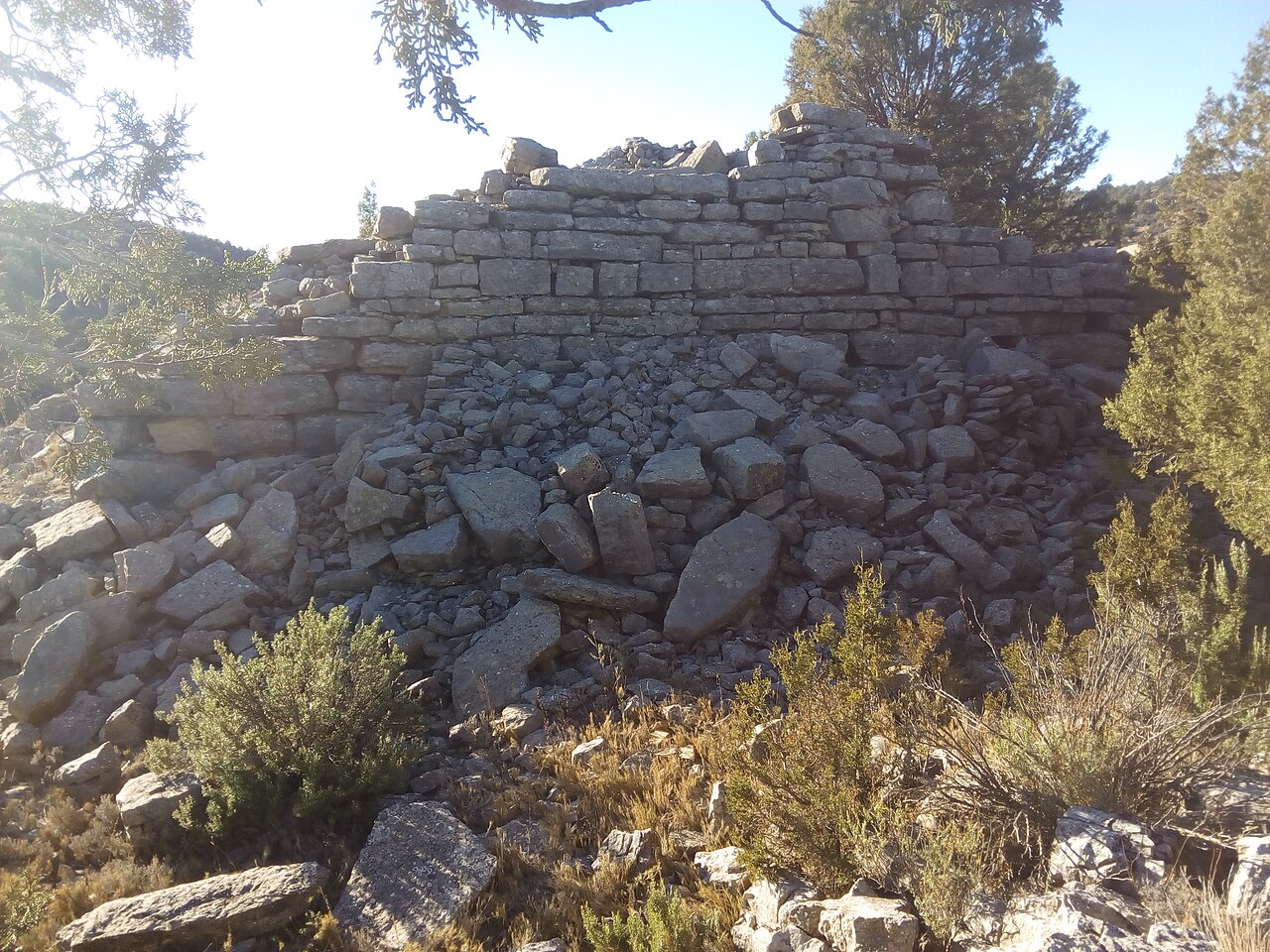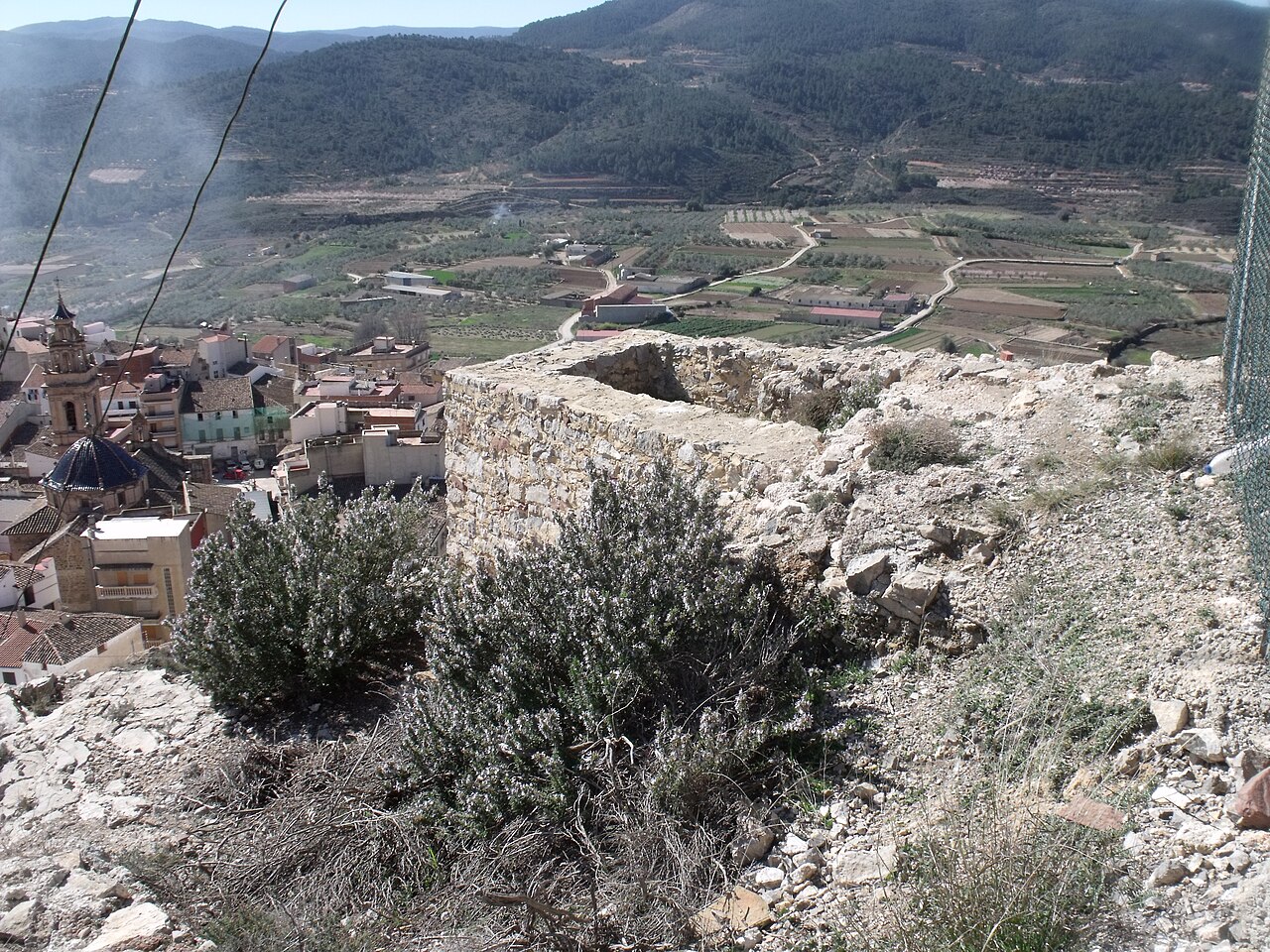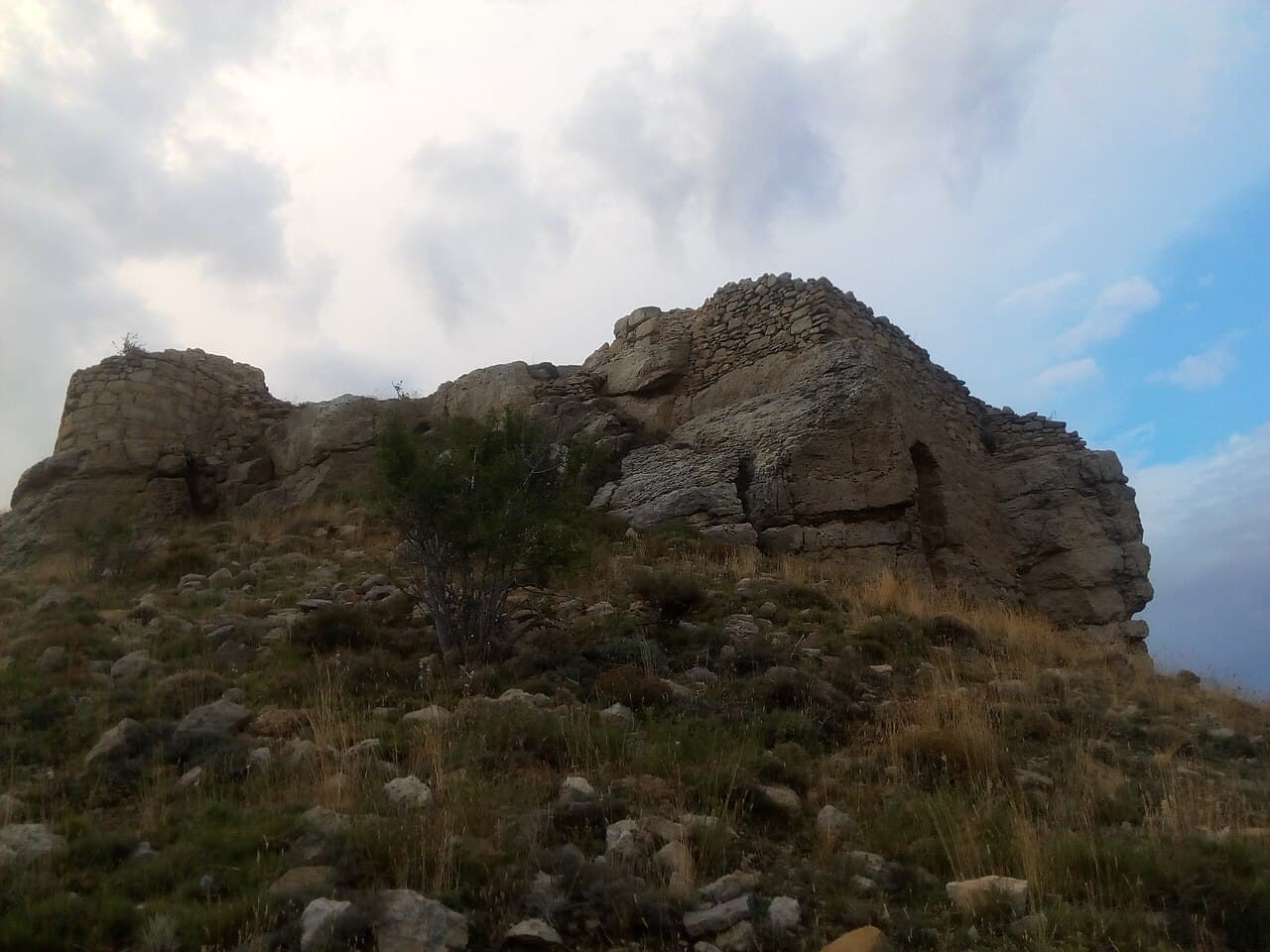
Castillo del Poyo — Spain castle

Castillo del Poyo

Castillo del Poyo: historic hill castle in Spain
High Medieval (11th–13th c.)

Castillo del Poyo is a historic hill castle located in Spain, recognized for its strategic placement and medieval origins. Though the exact city location is not specified, this castle exemplifies typical defensive architecture designed to oversee and control the surrounding territory from an elevated position.

Historical context and significance

The castle dates back to the medieval period, likely constructed during the High Medieval era, a time when fortifications were essential for regional defense and control. Hill castles such as Castillo del Poyo were often built to dominate key routes and territories, serving both military and administrative functions.

Throughout its history, Castillo del Poyo would have played a role in local conflicts and power struggles typical of medieval Spain, which saw frequent territorial disputes among kingdoms and noble families. Its position on a hill provided a natural advantage against attackers, allowing defenders to spot approaching forces from a distance.

Architectural features

As a hill castle, Castillo del Poyo is characterized by its elevated location, which enhances its defensive capabilities. The castle likely includes typical medieval fortification elements such as thick stone walls, towers for observation and defense, and a gatehouse controlling access to the interior.

The construction would have utilized locally sourced stone, shaped and fitted to create robust defensive structures. The layout probably includes a central courtyard surrounded by defensive walls, with living quarters, storage rooms, and possibly a chapel within the enclosure.

Defensive structures

The castle's walls would have been equipped with battlements and arrow slits to allow defenders to repel attackers while remaining protected. Towers positioned at strategic points would provide vantage points for surveillance and archery.

Given its hilltop location, the castle may also have had terraced defenses or retaining walls to stabilize the structure and impede enemy advances uphill.

Current condition and preservation

The current condition of Castillo del Poyo is not definitively documented, but many similar medieval hill castles in Spain exist today in states ranging from ruins to partially preserved. Preservation efforts depend on local interest and resources, and some castles have been restored to varying degrees to facilitate tourism and education.

Visiting Castillo del Poyo

While specific visitor information is unavailable, castles of this type typically offer access to the ruins or preserved structures, often with walking paths around the hill and interpretive signage explaining the castle's history and architecture.

Visitors interested in medieval military architecture and Spanish history would find Castillo del Poyo a valuable site for exploration, especially for its commanding views and historical context.

Frequently asked questions (FAQ)

When was Castillo del Poyo likely built?
Castillo del Poyo was likely constructed during the High Medieval period, a time when hill castles were common for defense and control.
What architectural features define Castillo del Poyo?
It features typical hill castle elements such as thick stone walls, defensive towers, battlements, and a gatehouse controlling access.
Is Castillo del Poyo accessible to visitors?
Specific visitor information is not available, but similar castles often allow access to ruins and have walking paths for exploration.

Photo gallery

Castillo del Poyo
Click to view

Photo by Alberto Julbe•CC BY-SA 4.0

1 photo • Click any image to view in full screen

Information

Hill Castle

Loading map...

Visitor reviews

No reviews yet. Been here? Write the first review and help other travelers!

Write the first review

Visited this castle? Share your experience

Your review helps other travelers and adds first-hand knowledge to our encyclopedia.

Write a review

(5/5)

0/2000 characters

Your review will be visible after admin approval

Nearby castles

8.7 km

Château de Alpuente

Alpuente, Spain

The Château de Alpuente stands as a remarkable example of a hill castle with a rich history that spans over a millennium. Located in the town of Alpuente, Spain, this fortress originated in the 10th century during the caliphal era under Muslim rule. It was strategically perched on a narrow, rocky ridge, approximately 250 meters long and 16 meters wide, providing commanding views and natural defenses over the surrounding landscape. Its position above steep cliffs, especially on the eastern side with a vertical drop of about 150 meters into the Reguero ravine, made it a formidable stronghold. The castle played a significant role within a larger defensive network, maintaining a subordinate relationship with the nearby Castillo del Poyo or Collado fortress, located about ten kilometers to the north. This connection highlights the strategic importance of the site in controlling territory and protecting vital routes. Historical significance and military role Following the Christian Reconquista, Château de Alpuente continued to serve as a key military site due to its proximity to the volatile border between the kingdoms of Aragón and Castilla. Throughout the 14th century, during the Wars of the Union, the fortress underwent extensive renovations to bolster its defenses. During this period, the town of Alpuente rose in prominence as a toll point along a crucial livestock route, especially for sheep, illustrating the castle’s dual military and economic importance. The castle was repeatedly contested during the 14th and 15th centuries as the border shifted between Aragón and Castilla, reflecting its critical role in regional power struggles. In the early 18th century, after the War of Spanish Succession, King Felipe V ordered the deliberate demolition of the fortress as punishment for its support of the Habsburg claimant. This marked a significant turning point in the castle’s history, transitioning it from an active military bastion to a symbol of contested sovereignty. Role in the Carlist Wars Despite its partial destruction, the castle was rebuilt in the 19th century during the turbulent Carlist Wars, a series of civil conflicts rooted in dynastic disputes. In 1835, during the First Carlist War, it was occupied by Carlist forces under the command of Cabrera. The defenders enhanced the fortress by constructing four artillery batteries within the citadel, enabling them to withstand a siege by liberal forces led by General Azpiroz. The castle also saw action during the Third Carlist War. Following the First Carlist War, authorities again ordered the castle’s demolition to prevent its future military use by Carlist supporters. Over time, the fortress suffered further damage from warfare, neglect, and the removal of stones for local building projects, leading to its current ruined state. Architectural features and surviving remains The castle’s defensive design capitalized on the natural topography. Access was limited to a single narrow mountain path carved into the rock, passing through a series of three gates, which have not survived. This difficult approach provided a strong natural defense against attackers. Surviving structures include fragments of the perimeter walls, built on robust foundations, and the bases of several towers. The most notable surviving tower is the Torre de la Veleta (also known as Torre del Penell or Torre del Homenaje), which stands partially intact at about 10 meters high. Constructed with carefully cut stone blocks in ashlar masonry, this tower represents the most complete above-ground structure despite centuries of demolition and decay. Underground chambers and water cisterns Beneath the castle lie vaulted underground chambers resembling dungeons, along with cisterns known as aljibes used for collecting and storing water. These cisterns feature ventilation shafts and access wells, and their interiors are coated with distinctive red plaster called almagra. When no longer used for water storage, these chambers were repurposed with new masonry walls and doors, demonstrating the castle’s adaptability. The southern sector, closest to the parish church, shows the best preservation of surface structures and subterranean passages. Excavations have revealed medieval residential quarters with lime mortar floors and walls built from a mix of masonry styles, including caliphal stonework finished with fine lime plaster. Over these medieval foundations, 19th-century Carlist artillery batteries were constructed, featuring broad parapets with vertical retaining walls and sloping earth or masonry protections on the exterior. Two of the four batteries identified during the Carlist Wars have been excavated to date. Castle entrance and military installations The original castle entrance was marked by a ramp over three meters wide, paved with carefully prepared stone to accommodate cavalry and small carts. Historical comparisons suggest this ramp may have been enclosed by a high parapet, creating a covered passage similar to those found in nearby medieval fortresses such as the castle of Chulilla. At the base of the rock formation are six semi-spherical basins hewn directly into the stone and bush-hammered for texture. These basins are believed to have been used for grinding gunpowder or manufacturing ammunition, underscoring the practical military functions of the site. Town fortifications and the Torre Aljama Surrounding the medieval village on the western side were town walls approximately 600 meters long, featuring fourteen towers each six to eight meters thick. Many towers are heavily eroded, and some were demolished in the late 20th century to accommodate street widening. The Torre Aljama stands out as the best-preserved tower. This rectangular structure rises 16 meters high and is built from ashlar masonry topped with battlements. It features a semicircular arch and historically served as the main gate to the town. The tower housed important municipal functions, including the town hall and trading spaces on the upper floors, with a council chamber added in the 16th century. Archaeological insights and heritage value Archaeological investigations at Château de Alpuente have uncovered continuous occupation layers from the 11th to 13th centuries, revealing adaptations through different historical periods. The castle's layered history reflects the complex cultural and political shifts in the Iberian Peninsula, from Muslim rule through Christian reconquest and into modern civil conflicts. Today, the castle stands as a partially preserved ruin, offering valuable insights into medieval military architecture, the dynamics of border fortifications, and the resilience of a fortress adapting to evolving warfare technologies and political changes. Its strategic location, architectural features, and historical significance make it an important cultural heritage site in Spain.

High Medieval (11th–13th c.)
Details
16.2 km
Sesga Castle — Spain castle

Sesga Castle

Ademuz, Spain

Sesga Castle, also referred to as the "castillo de los moros" or Moors' castle, is a modest fortification situated in the municipality of Ademuz within the province of Valencia, Spain. The castle takes its name from the nearby hamlet of Sesga and is perched on a small, flat-topped hill covered with pine trees and shrubs. This elevated position overlooks the Sesga ravine, which features a cliff face adjacent to the road connecting Sesga with Casas Bajas, providing a strategic vantage point over the surrounding terrain. Location and strategic importance Located southwest of the hamlet of Sesga, the castle occupies a natural defensive site characterized by its elevated plateau and steep cliff edges. This placement would have afforded its occupants a clear view of the approaches along the ravine, an important route in the region. The hilltop setting aligns with typical characteristics of a hill castle, emphasizing defense through natural topography combined with man-made fortifications. Architectural features and layout Sesga Castle is relatively small in scale, primarily consisting of the remains of what appears to be the base of a square tower located on the eastern side of the site. Surrounding this tower base are multiple levels of defensive walls, which enclose a small, artificially created platform. The compact size and structural elements suggest a fortification designed for limited garrison use or as a watch post rather than a large defensive stronghold. Structural components Square tower base: The central surviving feature, likely serving as a lookout or last defensive refuge. Defensive walls: Multiple concentric walls provide layered protection, typical of small military outposts. Artificial platform: A man-made terrace enhancing the usable space on the hilltop, possibly for buildings or military activities. Historical context and origins While Sesga Castle has traditionally been classified as a medieval castle, archaeological evidence such as ceramic shards found on the surface suggests that the site may have earlier origins. It is considered by some scholars to be an Iberian or Celtiberian castrum, a type of fortified settlement used during the pre-Roman period in the Iberian Peninsula. If this is accurate, the castle's small dimensions and layout resemble those of other known Iberian outposts like Puntal dels Llops, which functioned as frontier watch stations or small military bases. No formal archaeological excavations have been conducted at Sesga Castle, and the site has suffered from several illegal digging attempts. This lack of systematic study means many details about its construction phases, exact historical timeline, and cultural affiliations remain unknown. Preservation and current condition Today, Sesga Castle exists largely as ruins, with only foundational remains visible. The site remains an important cultural landmark within the Ademuz municipality and offers insights into the region's ancient defensive strategies. Its location amidst natural vegetation and rugged terrain adds to its historical ambiance, though the absence of extensive archaeological work limits our full understanding of its significance. Comparative significance Sesga Castle's possible identification as an Iberian or Celtiberian castrum places it among a network of small fortified sites that dotted the landscape in pre-Roman Spain. These sites were crucial for controlling territory, monitoring movement, and providing refuge during times of conflict. Its similarities to Puntal dels Llops highlight a regional pattern of small-scale fortifications serving as military outposts rather than large castles built in later medieval times. Visiting information Although the castle is not formally developed as a tourist site and lacks visitor facilities, its accessible location near the hamlet of Sesga makes it a point of interest for those exploring the historical heritage of the Ademuz area. Visitors should be prepared for rugged terrain and limited signage. Due to the site's archaeological sensitivity, visitors are encouraged to respect the remains and avoid any disturbance. Frequently asked questions What is Sesga Castle? Sesga Castle is a small hilltop fortification near Ademuz, Spain, possibly dating back to the Iberian or Celtiberian period. When was Sesga Castle built? The exact construction date is unknown, but ceramic shards suggest origins in the pre-Roman Iberian or Celtiberian era. Can I visit Sesga Castle? Yes, the site is accessible to visitors, though it lacks developed tourist facilities and requires caution due to uneven terrain. What remains of Sesga Castle? The remains include the base of a square tower, defensive walls, and an artificial platform on a hilltop. Is Sesga Castle a medieval castle? While traditionally classified as a castle, evidence suggests it may be an earlier Iberian or Celtiberian fortification rather than a medieval structure. Why is Sesga Castle also called the Moors' castle? The name "castillo de los moros" likely reflects local tradition or folklore rather than confirmed historical occupation by Moorish forces. Are there archaeological excavations at Sesga Castle? No formal excavations have been conducted, and the site has suffered from illegal digging attempts.

Details
20.6 km
Castillo de Tuéjar — Spain castle

Castillo de Tuéjar

, Spain

Castillo de Tuéjar is a historic hill castle located in the region of Valencia, Spain. Perched on a prominent hilltop, this castle occupies a strategic position overlooking the surrounding landscape, which was essential for defense and surveillance during the medieval period. Although precise records of its construction date are scarce, the castle is generally attributed to the High Medieval period, likely dating back to the 11th or 12th century when fortifications were commonly built across the Iberian Peninsula to secure territories during the Reconquista.Historical context and significanceThe Castillo de Tuéjar played a significant role in the military and political history of the region. Situated in a border zone between Christian and Muslim territories during the medieval period, the castle served as a defensive stronghold and a symbol of territorial control. Its location allowed for control over important routes and communication lines, making it a valuable asset for whoever held it.Throughout its history, the castle witnessed various conflicts and changes in ownership, reflecting the turbulent history of the region. It was part of the network of fortifications that helped consolidate Christian rule in Valencia during the Reconquista. Later, it may have served as a local administrative center or refuge during times of unrest.Architectural features and layoutThe castle is classified as a hill castle, built on elevated terrain to maximize defensive advantages. Its design includes remnants of stone walls that once enclosed the fortress, with sections of battlements and towers still visible. The layout typically features a keep (donjon) or main tower that served as the last line of defense and residence for the lord or commander.Although much of the original structure has been lost or fallen into ruin, the surviving elements provide insight into medieval military architecture. The castle likely included a courtyard for daily activities, storage areas, and possibly a chapel. Defensive features such as arrow slits, thick walls, and a strategic vantage point are characteristic of castles from this period.Construction materials and techniquesThe castle was constructed primarily from locally sourced stone, a common practice in medieval fortifications to ensure durability and resistance to siege weapons. The masonry work reflects the techniques of the time, with large blocks fitted together to form robust walls. Mortar was used to bind the stones, and some sections may have included brick or tile elements for structural or decorative purposes.Current condition and preservationToday, Castillo de Tuéjar exists mostly as ruins. While the castle is not fully intact, the remnants of walls and towers still dominate the hilltop, offering visitors a glimpse into its former defensive strength. The site is accessible to the public, although facilities may be limited given its ruinous state.Preservation efforts have focused on stabilizing the remaining structures to prevent further decay. The castle's ruins contribute to the cultural heritage of the Valencia region and serve as a point of interest for historians, archaeologists, and tourists interested in medieval architecture and history.Visiting Castillo de TuéjarVisitors to Castillo de Tuéjar can explore the ruins and enjoy panoramic views of the surrounding countryside. The castle's elevated position provides excellent vantage points for photography and appreciation of the landscape. Due to its condition, visitors should exercise caution while navigating the site.The castle is typically open year-round, though specific visiting hours and access details may vary. There is no formal ticketing system, making it a freely accessible destination for those interested in historical sites and hiking.Nearby attractionsThe surrounding area of Tuéjar offers additional attractions including natural parks, hiking trails, and traditional villages that showcase the cultural richness of the Valencia region. Visitors often combine a trip to the castle with exploring local gastronomy and regional festivals.

High Medieval (11th–13th c.)
Details