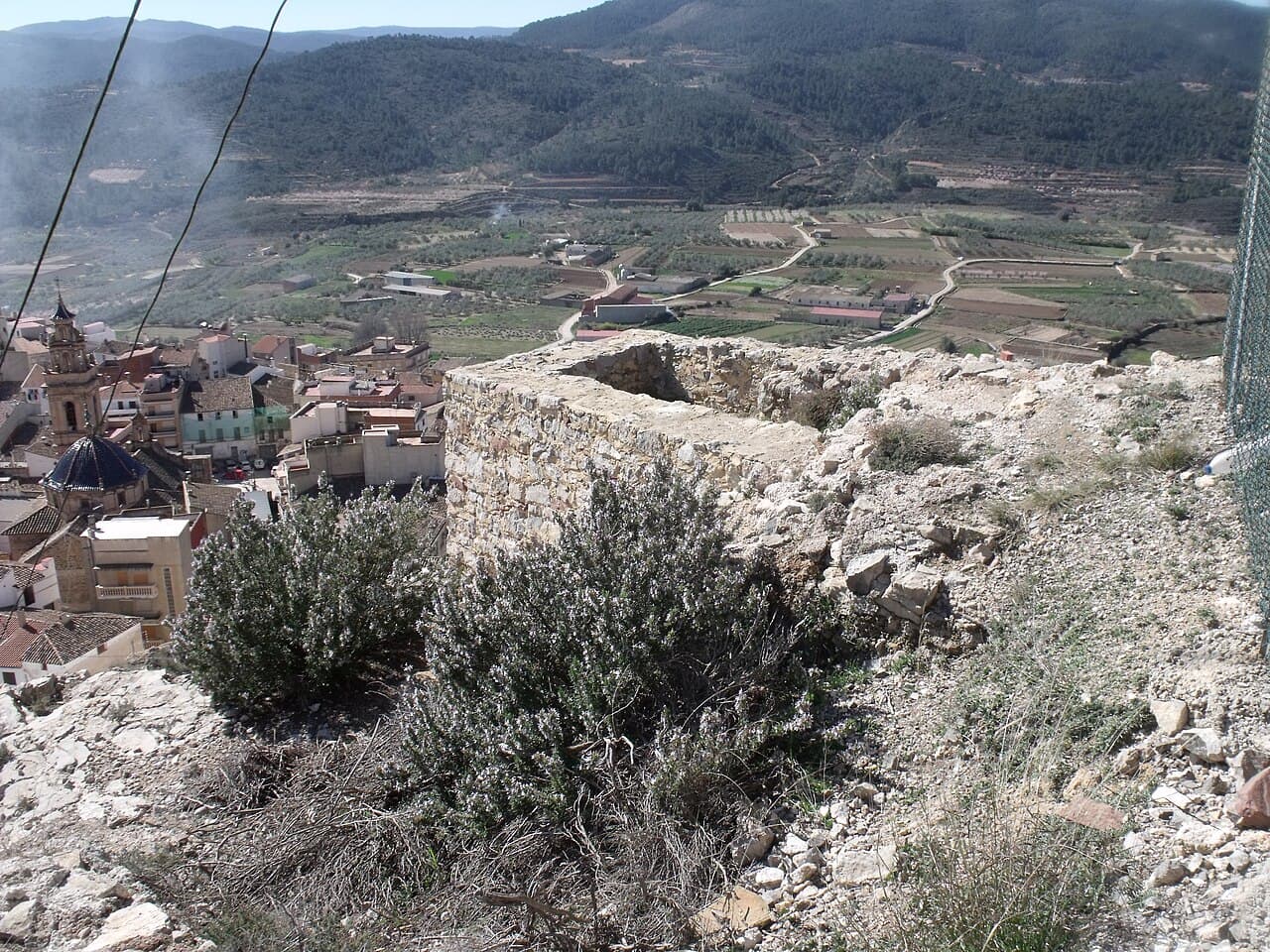
Castillo de Tuéjar
Castillo de Tuéjar is a historic hill castle located in the region of Valencia, Spain. Perched on a prominent hilltop, this castle occupies a strategic position overlooking the surrounding landscape, which was essential for defense and surveillance during the medieval period. Although precise records of its construction date are scarce, the castle is generally attributed to the High Medieval period, likely dating back to the 11th or 12th century when fortifications were commonly built across the Iberian Peninsula to secure territories during the Reconquista.
Historical context and significance
The Castillo de Tuéjar played a significant role in the military and political history of the region. Situated in a border zone between Christian and Muslim territories during the medieval period, the castle served as a defensive stronghold and a symbol of territorial control. Its location allowed for control over important routes and communication lines, making it a valuable asset for whoever held it.
Throughout its history, the castle witnessed various conflicts and changes in ownership, reflecting the turbulent history of the region. It was part of the network of fortifications that helped consolidate Christian rule in Valencia during the Reconquista. Later, it may have served as a local administrative center or refuge during times of unrest.
Architectural features and layout
The castle is classified as a hill castle, built on elevated terrain to maximize defensive advantages. Its design includes remnants of stone walls that once enclosed the fortress, with sections of battlements and towers still visible. The layout typically features a keep (donjon) or main tower that served as the last line of defense and residence for the lord or commander.
Although much of the original structure has been lost or fallen into ruin, the surviving elements provide insight into medieval military architecture. The castle likely included a courtyard for daily activities, storage areas, and possibly a chapel. Defensive features such as arrow slits, thick walls, and a strategic vantage point are characteristic of castles from this period.
Construction materials and techniques
The castle was constructed primarily from locally sourced stone, a common practice in medieval fortifications to ensure durability and resistance to siege weapons. The masonry work reflects the techniques of the time, with large blocks fitted together to form robust walls. Mortar was used to bind the stones, and some sections may have included brick or tile elements for structural or decorative purposes.
Current condition and preservation
Today, Castillo de Tuéjar exists mostly as ruins. While the castle is not fully intact, the remnants of walls and towers still dominate the hilltop, offering visitors a glimpse into its former defensive strength. The site is accessible to the public, although facilities may be limited given its ruinous state.
Preservation efforts have focused on stabilizing the remaining structures to prevent further decay. The castle's ruins contribute to the cultural heritage of the Valencia region and serve as a point of interest for historians, archaeologists, and tourists interested in medieval architecture and history.
Visiting Castillo de Tuéjar
Visitors to Castillo de Tuéjar can explore the ruins and enjoy panoramic views of the surrounding countryside. The castle's elevated position provides excellent vantage points for photography and appreciation of the landscape. Due to its condition, visitors should exercise caution while navigating the site.
The castle is typically open year-round, though specific visiting hours and access details may vary. There is no formal ticketing system, making it a freely accessible destination for those interested in historical sites and hiking.
Nearby attractions
The surrounding area of Tuéjar offers additional attractions including natural parks, hiking trails, and traditional villages that showcase the cultural richness of the Valencia region. Visitors often combine a trip to the castle with exploring local gastronomy and regional festivals.
Frequently asked questions (FAQ)
- How do I get to Castillo de Tuéjar?
- Castillo de Tuéjar is located in the picturesque village of Tuéjar, Spain. You can reach it by car or public transport from nearby cities like Valencia, which is approximately 70 kilometers away. Parking is available nearby for visitors.
- What is the historical significance of Castillo de Tuéjar?
- Castillo de Tuéjar dates back to the 13th century and was built during the Reconquista to defend the region against invaders. It showcases the rich medieval history of Spain and reflects the architectural style of its time. The castle played a crucial role in the protection of the surrounding lands and has witnessed various historical events.
- When was Castillo de Tuéjar built?
- Construction of Castillo de Tuéjar began in the 13th century, around the time when the Moors were being pushed out of Spain. The castle was strategically built to oversee the area and protect the local population. Its structure has been preserved over centuries, allowing visitors to glimpse its historical past.
- Can I access the interior of Castillo de Tuéjar?
- Yes, visitors can access the interior of Castillo de Tuéjar during opening hours. Guided tours are often available, providing insights into the castle’s history and architecture. However, some areas may have restricted access due to preservation efforts.
- Why is Castillo de Tuéjar considered an architectural gem?
- Castillo de Tuéjar is considered an architectural gem due to its well-preserved medieval structure and unique design elements. The castle features impressive stonework, arched doorways, and defensive walls that reflect the military architecture of its era. Its stunning panoramic views of the surrounding landscape also enhance its appeal.
- Is it possible to visit Castillo de Tuéjar year-round?
- Yes, Castillo de Tuéjar is open to visitors year-round, although specific opening hours may vary by season. It’s advisable to check the official website or contact local tourism offices for the latest information on accessibility during different times of the year. Visiting during spring and fall often provides the best weather for exploration.
- What are the ticket prices for Castillo de Tuéjar?
- Ticket prices for Castillo de Tuéjar are generally affordable, with discounts available for children, students, and seniors. Entrance fees contribute to the maintenance and preservation of the castle. It’s recommended to check the official site or local guides for the most current pricing information before your visit.
- What is the best time to visit Castillo de Tuéjar?
- The best time to visit Castillo de Tuéjar is during the spring and autumn months when the weather is mild and pleasant for outdoor exploration. Additionally, visiting during festivals or local events can enhance your experience with cultural activities. Summer can be hot, while winter may bring cooler temperatures.
- Are there any nearby attractions to visit?
- Yes, there are several nearby attractions to explore, including the charming village of Tuéjar itself, which offers local shops and restaurants. The surrounding natural parks provide opportunities for hiking and enjoying the scenic landscape. Additionally, other historical sites in the region can be easily accessed from the castle.
Photo gallery

Information
Loading map...
Visitor reviews
No reviews yet. Been here? Write the first review and help other travelers!
Write the first reviewVisited this castle? Share your experience
Your review helps other travelers and adds first-hand knowledge to our encyclopedia.



