Castillo de San Felipe
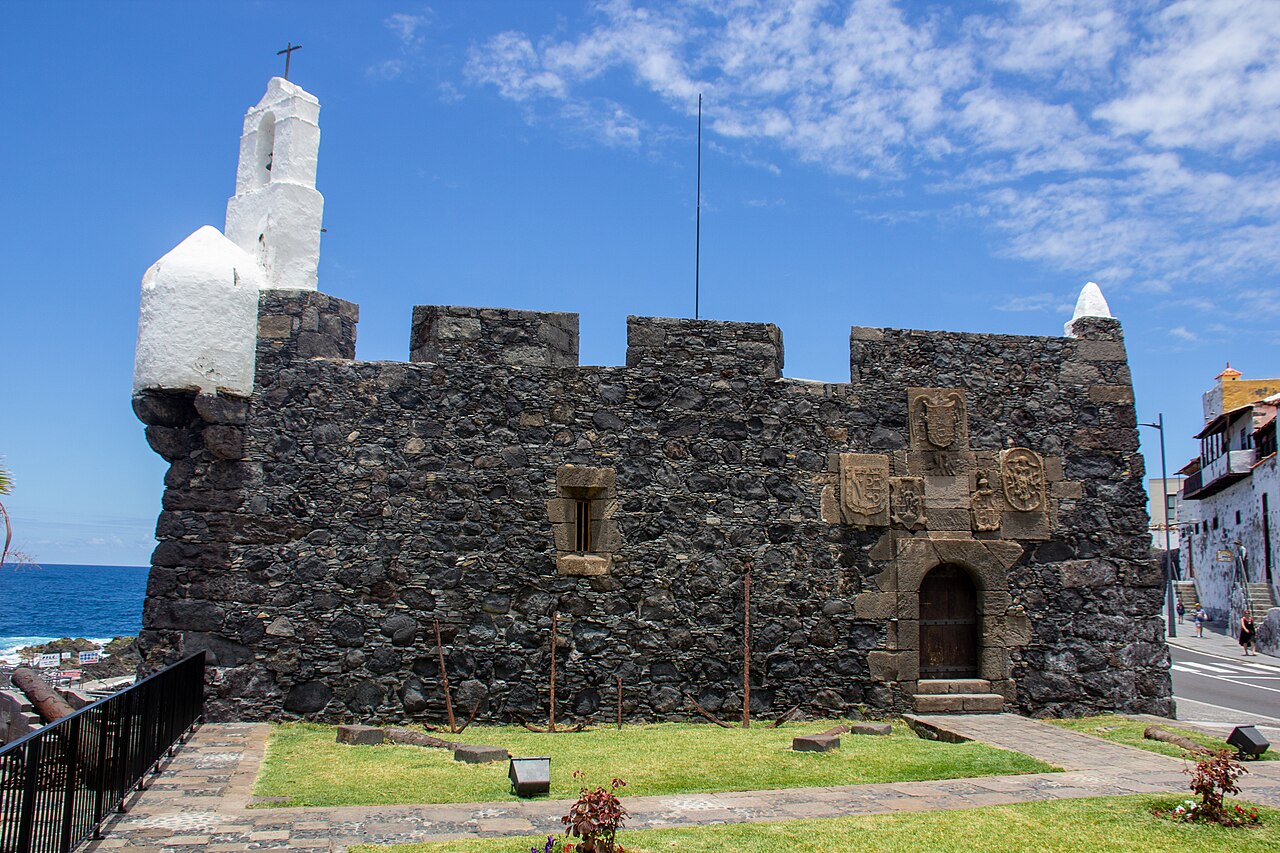
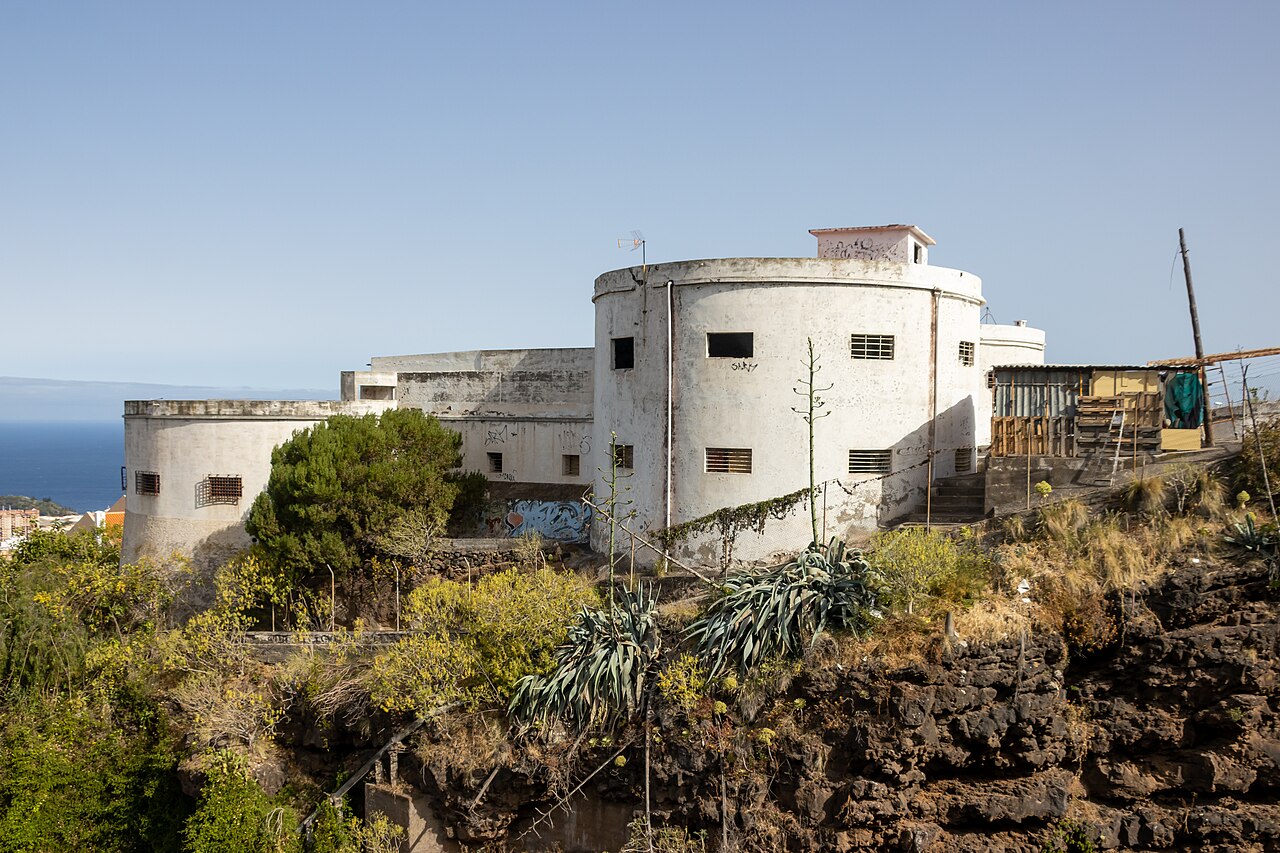
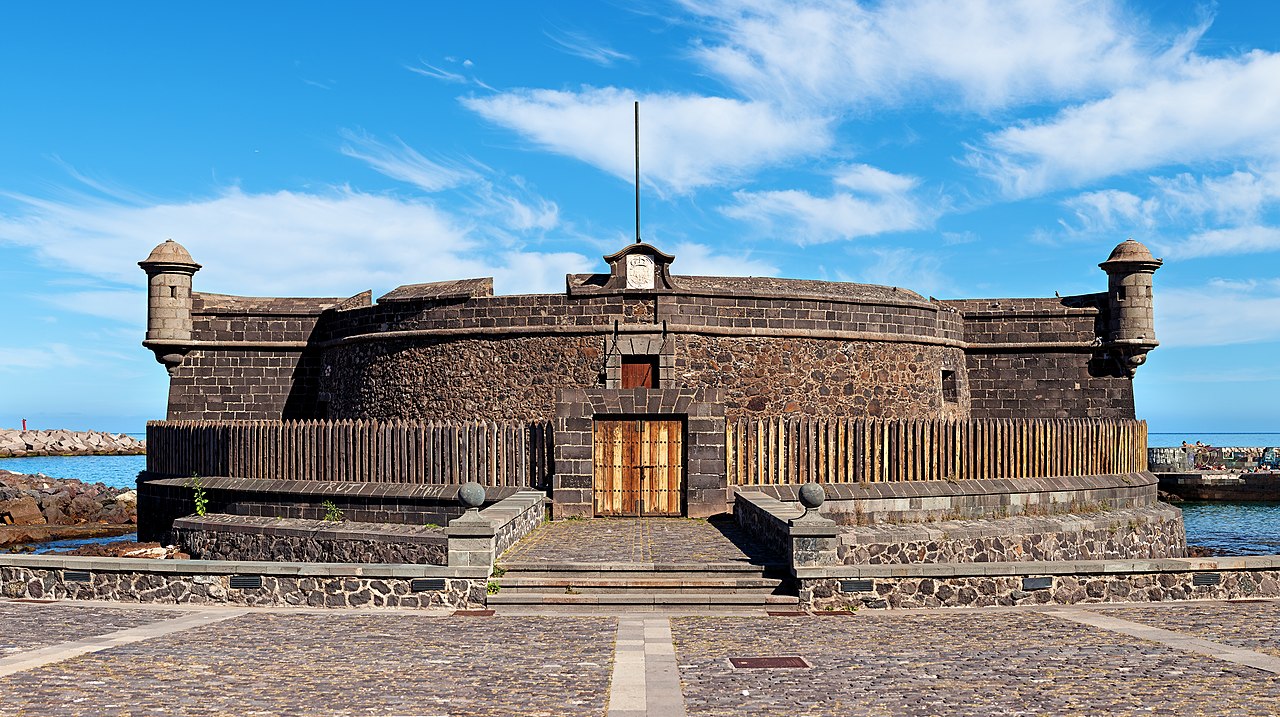
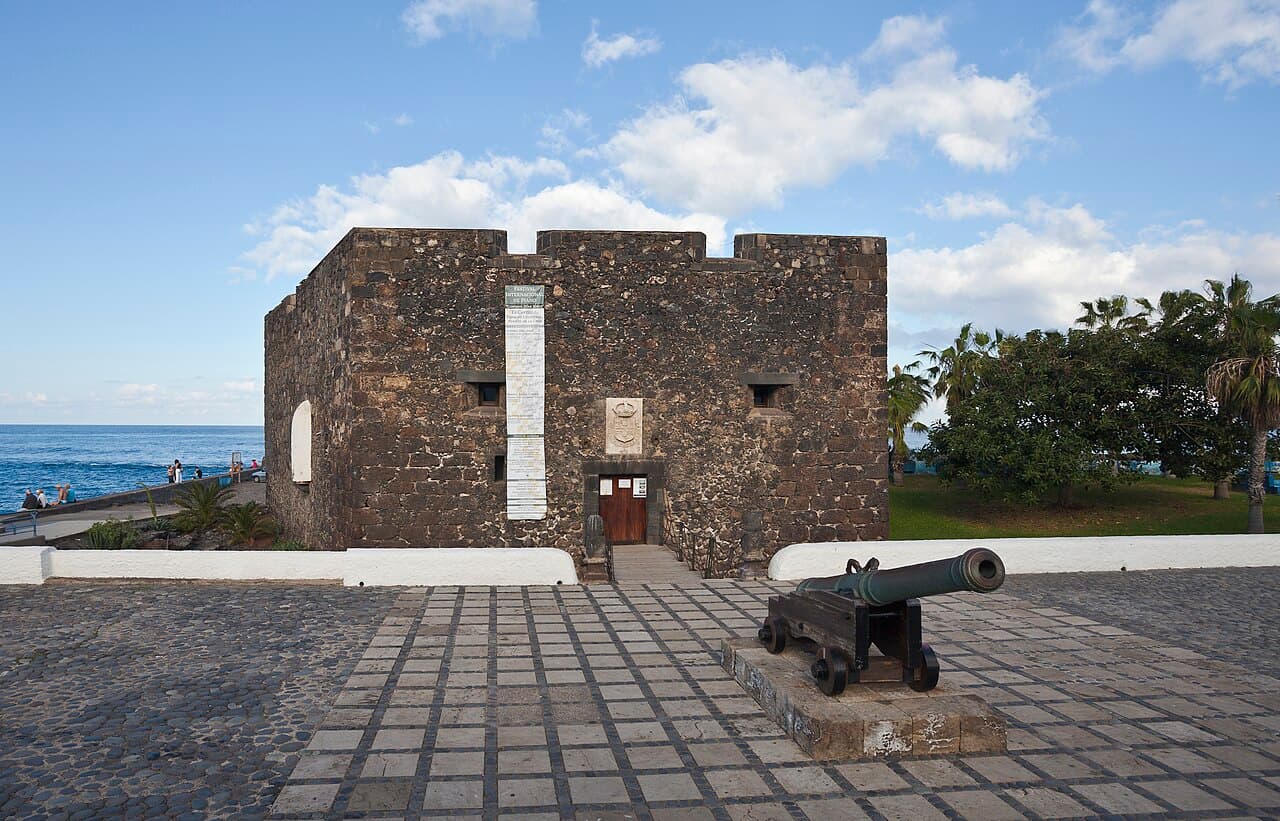
The Castillo de San Felipe is a significant 16th-century hill castle located in Puerto de la Cruz on the northern coast of Tenerife, Spain. Originally constructed between 1599 and 1604, this fortress was strategically built to defend the vital port and surrounding area from the persistent threats of pirates and corsairs that plagued the Atlantic maritime routes during the late Renaissance period. Its establishment marked an important phase in the fortification efforts undertaken by the Spanish Crown to secure its overseas territories and maritime trade routes.
The castle's inception followed a successful defense involving two earlier cannon platforms that repelled an assault by five pirate ships. Recognizing the need for a more permanent and robust defense, the Spanish authorities commissioned the construction of the Castillo de San Felipe on this site. The fortress was one of four key fortifications designed to protect Puerto de la Cruz, each positioned to provide overlapping fields of fire and comprehensive protection of the harbor's landing zones.
Architectural design and defensive features
The Castillo de San Felipe is notable for its distinctive pentagonal layout, a design choice that enhanced its defensive capabilities by minimizing blind spots and allowing for effective artillery coverage in all directions. Constructed primarily from masonry, the castle exhibits characteristics of refined colonial military architecture typical of the period, blending functional defense with aesthetic considerations.
The fortress was originally surrounded by a and accessed via a drawbridge, features that were essential for controlling entry and providing an additional layer of defense against attackers. Over time, as the threat landscape evolved and the castle's military role diminished, the drawbridge was replaced by a fixed walkway, reflecting changes in both defensive strategy and practical use.
Rising to two stories, the castle was designed to accommodate approximately 35 soldiers at full capacity on the upper level. Its original armament included three iron cannons: two weighing 24 pounds each and a smaller 16-pound piece. These artillery pieces were strategically placed to cover the maritime approaches and deter enemy ships from entering the port.
Adjacent to the main fortification, about 50 meters away, stands the Polvorín, the old gunpowder magazine. This structure was critical for the safe storage of explosive materials, underscoring the logistical complexity involved in maintaining the fortress's artillery readiness.
Historical significance and military role
Throughout its operational history, the Castillo de San Felipe played a crucial role in the defense of Puerto de la Cruz. It was commanded by a succession of military officers, including Captain Juan Antonio de Franchy in 1644 and José Agustín Machado Espínola in 1725, among others. The record of approximately fifty commanders highlights the fortress's sustained strategic importance over several centuries.
During the 17th and 18th centuries, the castle was actively maintained and garrisoned to counter the persistent threat of piracy and foreign incursions. Its presence contributed significantly to the security of the northern Tenerife coastline, safeguarding not only the port but also the local population and economic interests.
By the 19th century, the castle's military relevance began to wane as advances in artillery and changes in military tactics rendered such fortifications less effective. Restoration efforts were undertaken to address structural deterioration, but in 1878 the fort's artillery was removed, marking the end of its active military use.
Adaptations and later uses
Following its decommissioning as a military fortress, the Castillo de San Felipe was repurposed to serve public health and community functions. It became a lazaretto, a quarantine station for maritime travelers, and also functioned as an infirmary. These adaptations illustrate the building's versatility and the community's resourcefulness in utilizing existing structures for evolving needs.
The castle continued in these roles until 1924, when it was closed due to its obsolescence in meeting modern health and military standards. In the later 20th century, extensive renovations transformed the castle into a cultural center, hosting concerts, art exhibitions, and community events. This adaptive reuse has preserved the castle's historical fabric while giving it renewed purpose.
Preservation and cultural heritage status
The Castillo de San Felipe was declared a Protected Cultural Heritage Site (Bien de Interés Cultural) in 1949, a designation reaffirmed by the Spanish Historical Heritage Law in 1985. These protections have ensured the preservation of the castle's architectural integrity and its historical significance for future generations.
Today, the castle stands as a well-preserved example of Renaissance military architecture on the Canary Islands, offering valuable insights into the region's defensive strategies and colonial history. The nearby Polvorín remains intact, providing visitors with a fuller understanding of the logistical aspects of fortress operation.
Visitor experience and significance
The Castillo de San Felipe is not only a monument of military history but also a vibrant cultural landmark in Puerto de la Cruz. Its transformation into a cultural venue allows visitors to appreciate both its historical context and contemporary community role. The castle's strategic location offers scenic views of the Atlantic Ocean and the surrounding town, enhancing its appeal as a tourist destination.
Visitors can explore the castle's robust masonry walls, the layout of its defensive battlements, and the preserved gunpowder magazine. The site serves as a tangible connection to the maritime history of Tenerife and the broader geopolitical struggles of the Spanish Empire during the Renaissance and early modern periods.
Frequently asked questions (FAQ)
- When was the Castillo de San Felipe built?
- Construction of the Castillo de San Felipe began in 1599 and was completed in 1604, during the late Renaissance period.
- What is the architectural style of Castillo de San Felipe?
- The castle features a refined colonial military architecture with a distinctive pentagonal layout typical of Renaissance fortifications.
- Can visitors tour the Castillo de San Felipe?
- Yes, the castle is open to the public and functions as a cultural center hosting events and exhibitions, allowing visitors to explore its historic structure.
- Why was the Castillo de San Felipe originally built?
- It was built to defend the port of Puerto de la Cruz from pirate and corsair attacks, securing the northern coast of Tenerife.
- What are the notable features of Castillo de San Felipe?
- Notable features include its pentagonal design, protective moat (now replaced by a fixed walkway), two-story structure, and the nearby preserved gunpowder magazine called the Polvorín.
Photo gallery

Information
Current owner
Municipality of Puerto de la Cruz
Loading map...
Visitor reviews
No reviews yet. Been here? Write the first review and help other travelers!
Write the first reviewVisited this castle? Share your experience
Your review helps other travelers and adds first-hand knowledge to our encyclopedia.