Castillo de San Cristóbal
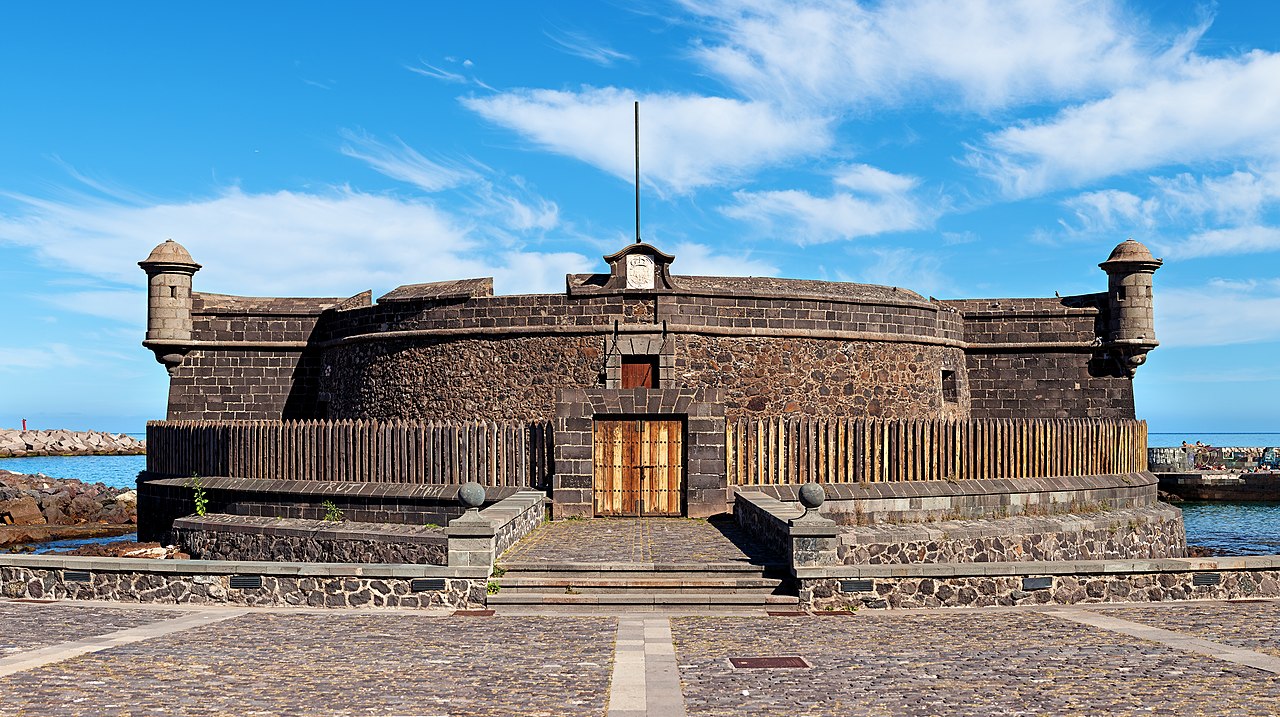
The Castle of San Cristóbal (Castillo de San Cristóbal) stands as a significant historical monument in Santa Cruz de Tenerife, located in the Canary Islands, Spain. Constructed in the 16th century, it was the first major fortification on the island of Tenerife and served as the primary defensive structure guarding Santa Cruz Bay. Its strategic position on a hill overlooking the bay allowed it to control maritime access and protect the settlement from naval attacks and pirate incursions during the Renaissance period.
The castle's construction began in 1575 under the administration of Governor Álvarez de Fonseca, reflecting the Spanish Crown's efforts to strengthen its Atlantic defenses. It officially entered service on January 20, 1577, becoming a critical military installation. Architecturally, the castle was a classic hill castle built with thick stone walls designed to withstand cannon fire, featuring defensive elements typical of Renaissance military architecture, including bastions and artillery platforms.
Architectural features and military significance
The Castle of San Cristóbal was designed to accommodate heavy artillery, with battlements and cannon placements oriented toward the bay. Its walls were robust and angled to deflect cannonballs, a common feature in Renaissance fortifications. The castle included a central courtyard, living quarters for the garrison, and storage facilities for munitions and supplies. Its elevated location provided excellent visibility over the surrounding waters and land approaches.
One of the castle's most famous artifacts is the "Cañón Tigre" (Tiger Cannon), a cannon that played a pivotal role during the Battle of Santa Cruz de Tenerife on July 25, 1797. This cannon inflicted a serious injury on British Rear-Admiral Horatio Nelson, fracturing his right arm and ultimately leading to its amputation. This event marked the castle's place in naval history and highlighted its defensive effectiveness.
Demolition and archaeological rediscovery
Despite its historical importance, the castle was demolished in 1928 to make way for the construction of the Plaza de España, a central public square in Santa Cruz de Tenerife. For decades, the castle's remains lay buried beneath the plaza, largely forgotten by the public.
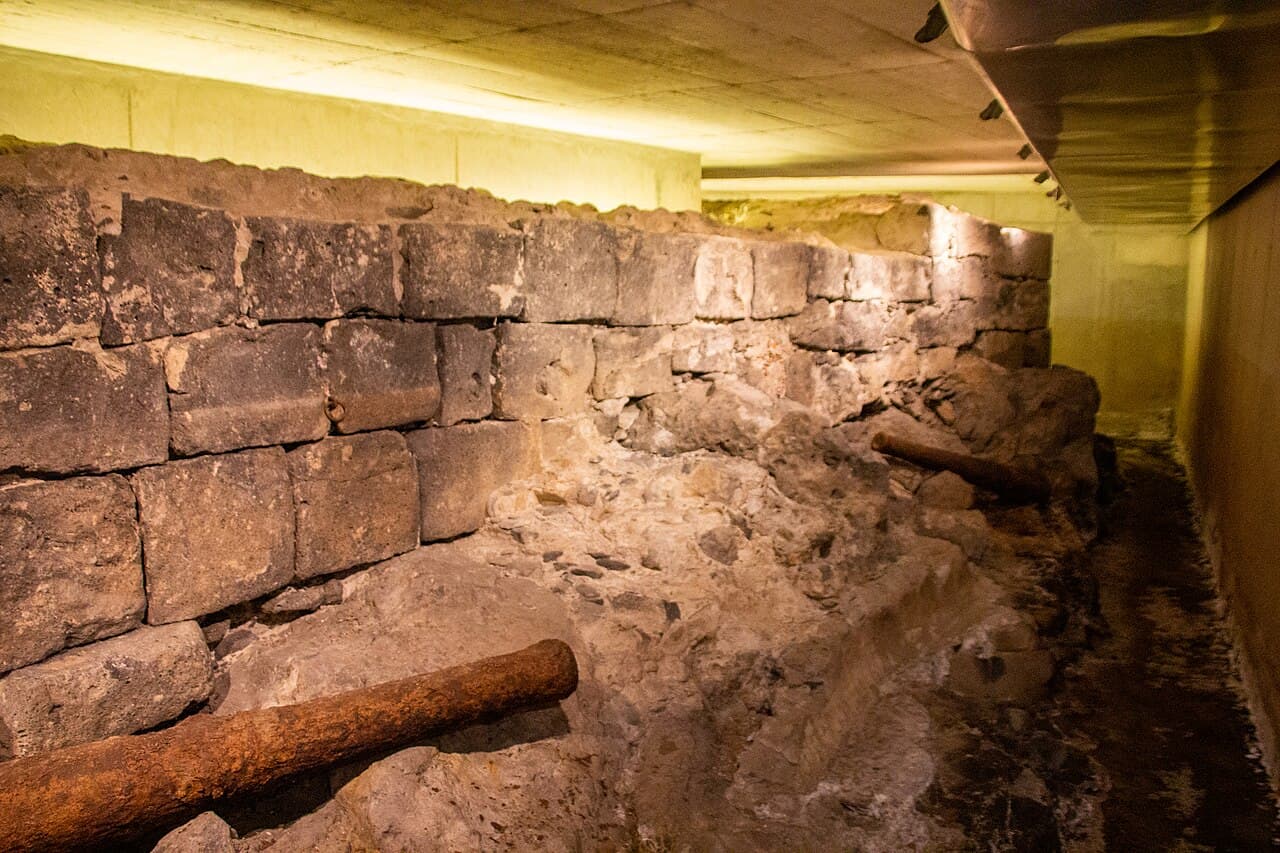
During refurbishment work on the plaza in 2006, archaeological excavations uncovered remnants of the castle's walls and foundations. These remains were carefully preserved and integrated into the plaza's design, allowing visitors to view parts of the original fortification through a tunnel beneath the square. This integration serves as a unique example of urban archaeology and heritage conservation.
Current status and museum function
Today, the site of the Castle of San Cristóbal functions as a museum, showcasing the preserved walls and the "Cañón Tigre". The museum provides visitors with insights into the castle's military history, architectural features, and its role in the defense of Tenerife during the Renaissance and subsequent centuries.
The museum's exhibits include detailed information on the castle's construction, the historical context of the Spanish Empire's Atlantic defenses, and the dramatic naval encounter involving Nelson. The preservation of the castle remains beneath the Plaza de España offers a rare opportunity to explore a Renaissance fortress within a modern urban setting.
Historical context and regional importance
The Castle of San Cristóbal was a key element in Spain's broader defensive network across the Canary Islands, which were vital for controlling Atlantic trade routes and protecting against piracy and foreign invasions. Its construction during the Renaissance reflects the period's advancements in military architecture, adapting to the increasing use of gunpowder artillery.
Santa Cruz de Tenerife, as the island's capital, depended heavily on the castle for protection, making it central to the city's development and security. The castle's presence influenced the urban layout, including the naming of the main thoroughfare, Castle Street, in its honor.
Legacy and cultural heritage
The castle's legacy endures not only through its physical remains but also through its cultural significance. It symbolizes the island's historical resilience and Spain's maritime power during the Renaissance and late 18th century. The injury of Admiral Nelson at the castle adds a notable chapter to its story, linking it to wider European history.
Efforts to preserve and present the castle remain an important part of Santa Cruz de Tenerife's commitment to heritage conservation, education, and tourism. The site attracts visitors interested in military history, architecture, and the dramatic events that unfolded on Tenerife's shores.
Frequently asked questions (FAQ)
- What is the historical significance of Castillo de San Cristóbal?
- Castillo de San Cristóbal is a significant historical fortress located in Spain, originally built in the 16th century to defend the city of San Juan from naval attacks. It represents the military architecture of its time and has played an essential role in the defense of Puerto Rico throughout its history.
- When was Castillo de San Cristóbal built?
- Construction of Castillo de San Cristóbal began in 1634 and continued over several decades, with various modifications made until the 18th century. It is one of the largest fortifications built by the Spanish in the New World, showcasing the military strategies of the era.
- Can I visit Castillo de San Cristóbal?
- Yes, visitors are welcome to explore Castillo de San Cristóbal. The site is open to the public, providing opportunities to learn about its history and architecture through guided tours and informational displays.
- What are the opening hours for Castillo de San Cristóbal?
- Castillo de San Cristóbal typically opens daily from 9:00 AM to 5:00 PM, but it's advisable to check the official website for any seasonal changes or special events that may affect the schedule. Planning ahead ensures you have ample time to explore the fort.
- Is it possible to access Castillo de San Cristóbal for individuals with disabilities?
- Yes, Castillo de San Cristóbal is committed to accessibility and provides facilities for visitors with disabilities. However, it is recommended to contact the site in advance to understand the specific accommodations available on the day of your visit.
- What is the best time to visit Castillo de San Cristóbal?
- The best time to visit Castillo de San Cristóbal is during the cooler months, from November to April, when the weather is more pleasant for outdoor exploration. Additionally, visiting during weekdays can help you avoid larger crowds.
- Are there any nearby attractions to Castillo de San Cristóbal?
- Yes, nearby attractions include El Morro, another historic fort offering stunning views and rich history. The charming streets of Old San Juan, with their colorful buildings and vibrant culture, are also just a short walk away from the castle.
- What are the ticket prices for Castillo de San Cristóbal?
- As of now, the ticket prices for Castillo de San Cristóbal are quite affordable, usually around $10 for adults, with discounts available for seniors and children. Free admission is often offered on specific days, so it's worth checking the official website for current rates and promotions.
Photo gallery

Information
Loading map...
Visitor reviews
No reviews yet. Been here? Write the first review and help other travelers!
Write the first reviewVisited this castle? Share your experience
Your review helps other travelers and adds first-hand knowledge to our encyclopedia.