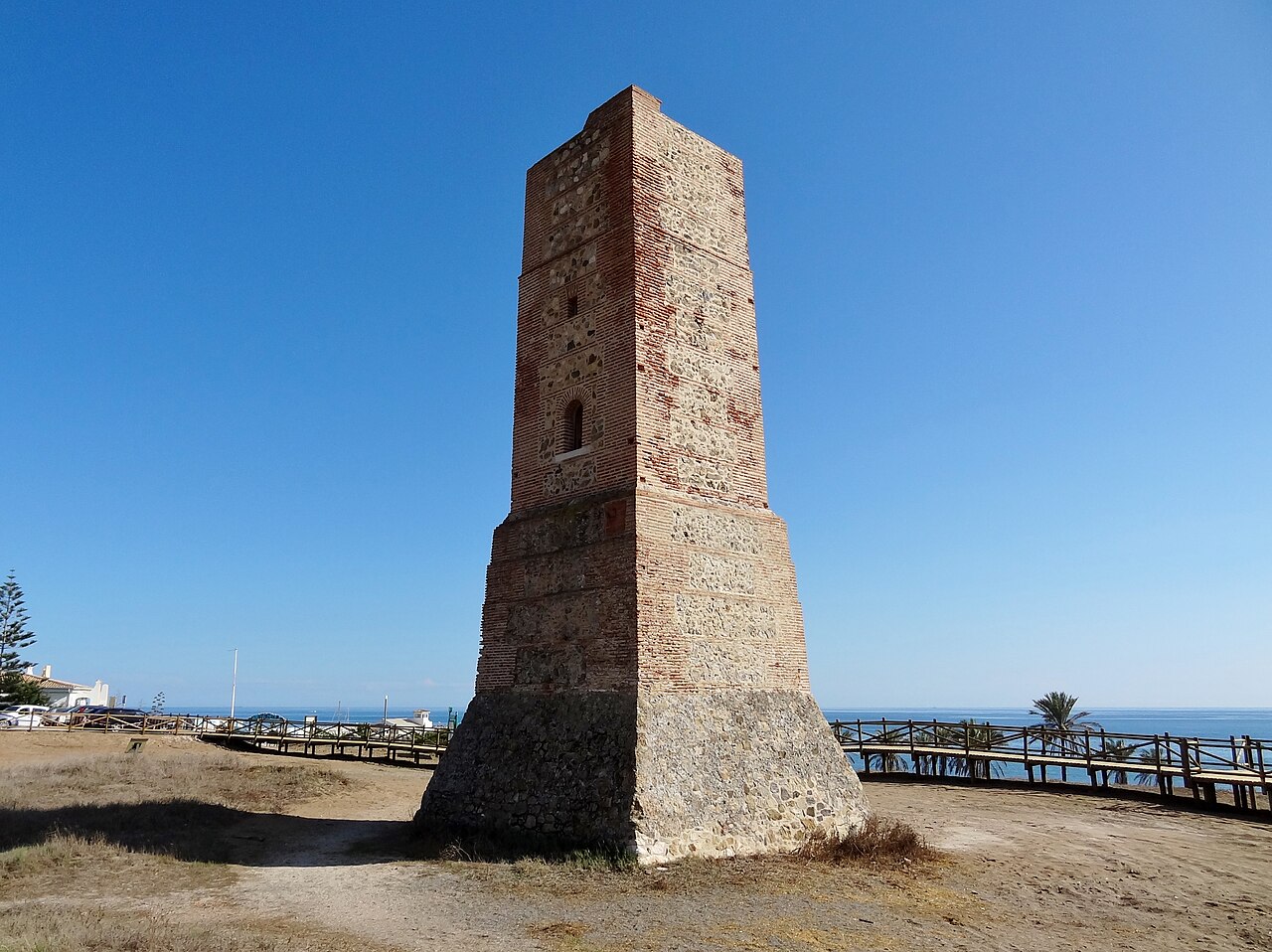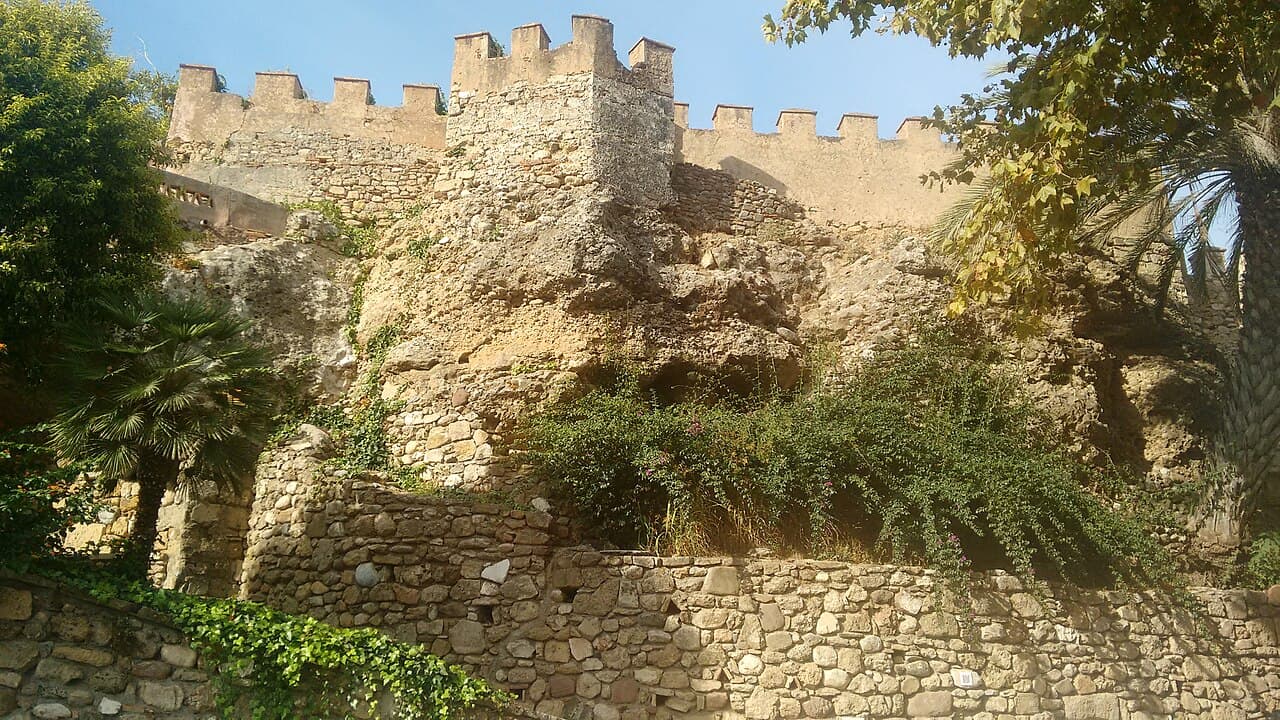
Castillo de Marbella is a historic fortress located in the city of Marbella, in the southern region of Andalusia, Spain. The castle stands as an important archaeological site, representing the layers of history that have shaped this coastal city. Though now in a state of ruins, the remains of the castle offer valuable insights into the military architecture and historical significance of the region.
The historical background of Castillo de Marbella
The origins of Castillo de Marbella trace back to the Islamic period of the Iberian Peninsula, specifically during the time of the Al-Andalus era. The fortress was constructed as a defensive structure to protect the city and its surrounding territory from invasions and pirate attacks along the Mediterranean coast. Its strategic position on elevated ground allowed for surveillance of the sea and the nearby land routes.
Following the Christian Reconquista in the late 15th century, the castle continued to play a military role under the new rulers. However, over time, its military importance diminished, and the fortress fell into disrepair. Today, the site preserves the remnants of walls, towers, and other fortifications that speak to its former defensive strength.
Architectural features and layout
The castle is classified as an archaeological ruins site due to its current condition. The remaining structures include sections of the outer walls, fragments of towers, and parts of the gatehouse. The layout reflects typical medieval Islamic military architecture, with robust walls designed to withstand sieges and attacks.
Although much of the original construction has been lost, the surviving elements suggest a compact fortress with a central courtyard surrounded by defensive walls. The use of local stone and masonry techniques is evident in the construction, highlighting the craftsmanship of the period.
Significance in regional history
Castillo de Marbella played a key role in the defense of the city during the turbulent periods of the Middle Ages. Its presence contributed to controlling maritime routes and protecting the coastal population from external threats. The castle's history is intertwined with the broader historical narrative of Andalusia, marked by the coexistence and conflicts between Muslim and Christian forces.
The site also holds cultural importance as part of Marbella's heritage, attracting visitors interested in the region's past and the evolution of its urban landscape.
Preservation and current status
Today, Castillo de Marbella is recognized as an important archaeological site. Efforts have been made to preserve what remains of the fortress, though it remains largely in ruins. The site is accessible to the public, offering panoramic views of Marbella and the Mediterranean Sea.
Interpretive signage and guided tours help visitors understand the castle's historical context and architectural features. The ruins serve as a reminder of the city's strategic importance through centuries of Mediterranean history.
Visiting information and nearby attractions
Visitors to Castillo de Marbella can explore the ruins and enjoy the scenic surroundings. The castle is situated near Marbella's old town, making it convenient to combine a visit with other cultural and historical attractions in the city.
Nearby points of interest include the Plaza de los Naranjos, the Church of Our Lady of the Incarnation, and the city's beaches. The castle's elevated position also makes it a popular spot for photography and appreciating the coastal landscape.
Frequently asked questions (FAQ)
- What is the historical significance of Castillo de Marbella?
- Castillo de Marbella, also known as the Marbella Castle, dates back to the 10th century during the Moorish period. It played a crucial role in the defense of the region against invasions, showcasing the rich history of Marbella's strategic importance in southern Spain.
- When was Castillo de Marbella built?
- The castle was originally constructed in the 10th century, under the rule of the Muslim dynasty. It has undergone various renovations and restorations over the centuries, preserving its historical architecture while adapting to modern needs.
- What are the opening hours for Castillo de Marbella?
- Castillo de Marbella is typically open to visitors from 10 AM to 6 PM daily, with extended hours during the summer months. It is advisable to check the official website for any seasonal changes or special closing days.
- Can I visit Castillo de Marbella for free?
- While access to the gardens and surrounding areas may be free, there is usually a small entrance fee for the castle itself. Ticket prices can vary, so it's best to check in advance for the latest information before planning your visit.
- Is it possible to access Castillo de Marbella with a wheelchair?
- The castle grounds have some accessible paths; however, certain areas may pose challenges due to uneven surfaces and stairs. It's recommended to contact the visitor center for detailed accessibility information to ensure a comfortable visit.
- What is the best time to visit Castillo de Marbella?
- The ideal time to visit Castillo de Marbella is during the spring and fall when the weather is mild and pleasant. This allows for a more enjoyable exploration of the castle and its beautiful surroundings without the intense summer heat.
- Are there any nearby attractions to visit after Castillo de Marbella?
- Yes, nearby attractions include the charming Old Town of Marbella, with its narrow streets and local shops, as well as the beautiful beaches along the Costa del Sol. Exploring these areas can enhance your visit and provide a complete experience of Marbella's culture.
- How do I get to Castillo de Marbella from the city center?
- You can easily reach Castillo de Marbella from the city center by walking, as it is located just a short distance away. Alternatively, local buses and taxis are available for those preferring a quicker mode of transport.
Photo gallery

Information
Loading map...
Visitor reviews
No reviews yet. Been here? Write the first review and help other travelers!
Write the first reviewVisited this castle? Share your experience
Your review helps other travelers and adds first-hand knowledge to our encyclopedia.