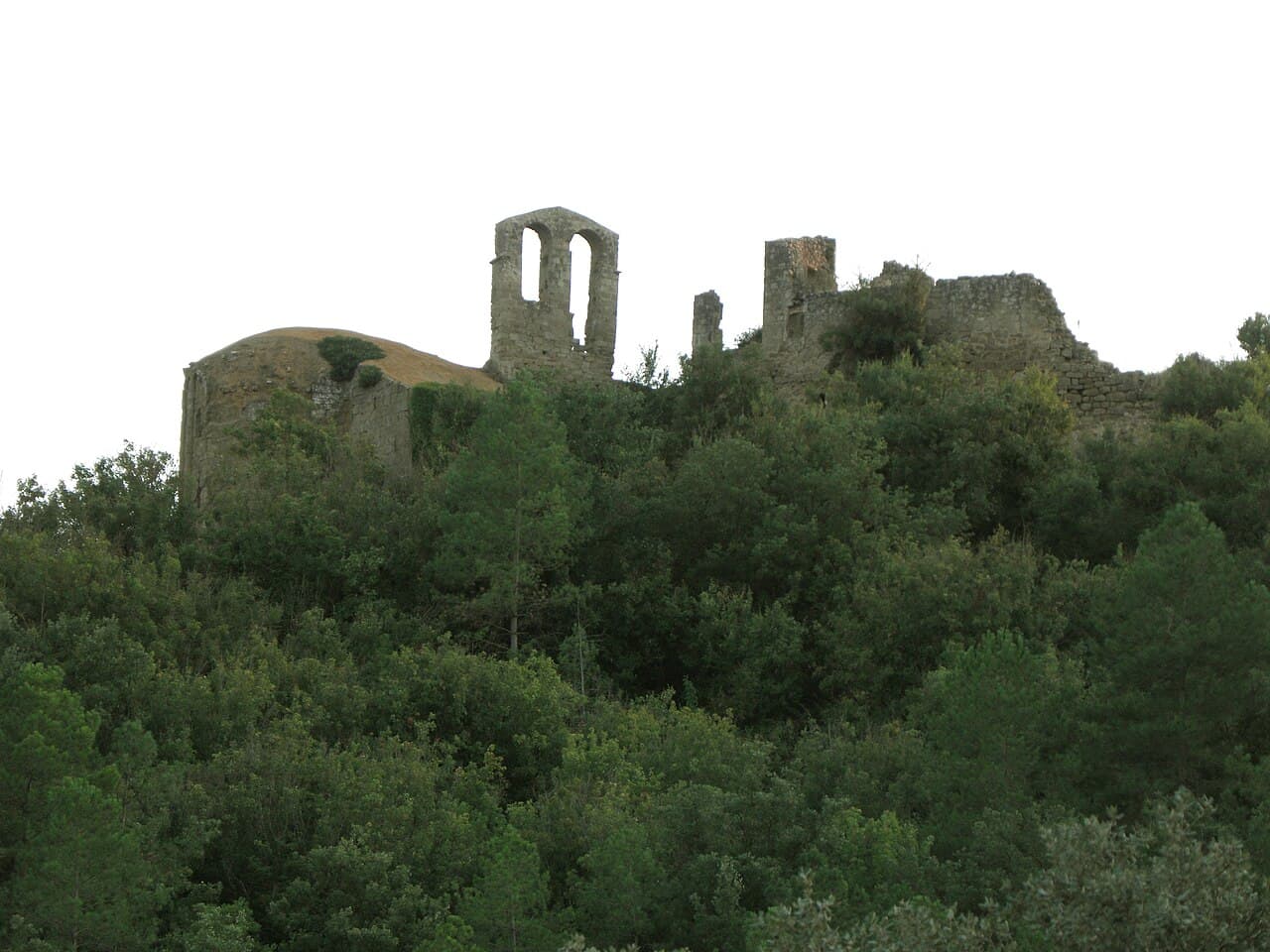
Castillo de Madrona
Castillo de Madrona is a significant high medieval fortress located in Spain, dating back to the 12th century. Though now in a state of ruins, it remains an important archaeological site that offers insight into medieval military architecture and the historical context of the region during the Middle Ages.
Historical background and significance
The castle was constructed during the 12th century, a period marked by territorial conflicts and the Reconquista efforts in the Iberian Peninsula. Its strategic location would have served defensive purposes, controlling access routes and overseeing surrounding lands. While the exact city or town of the castle's location is not well documented, it is known to be situated within Spain's diverse medieval landscape.
During its active period, Castillo de Madrona likely played a role in regional defense and governance, characteristic of many high medieval castles built to assert control and protect territories. The castle's remains provide valuable archaeological evidence of construction techniques and fortification strategies of the time.
Architectural features
The castle is classified as an archaeological ruin, indicating that only partial remains of its original structure survive. Typical features of 12th-century castles in Spain include thick stone walls, defensive towers, and possibly a keep or donjon, although specific details about these elements at Castillo de Madrona are limited due to its ruined state.
Its design would have reflected the military architectural principles of the high medieval period, focusing on defense through elevated positions, strong curtain walls, and limited access points. The use of local stone materials and masonry techniques would have been standard practice.
Defensive structures
While detailed plans of Castillo de Madrona are not widely available, similar castles from the era often featured battlements, arrow slits, and fortified gates. The castle's remains likely include foundational walls and fragments of towers that once provided vantage points for surveillance and defense against attackers.
Archaeological importance and preservation
As an archaeological site, Castillo de Madrona offers scholars and visitors a glimpse into medieval fortification methods and the historical landscape of Spain during the 12th century. Excavations and studies contribute to understanding the social, military, and political dynamics of the time.
The castle's ruined condition reflects centuries of exposure to natural elements and historical events, including possible sieges or abandonment. Preservation efforts focus on stabilizing the remaining structures to prevent further deterioration while allowing access for educational and cultural purposes.
Visiting Castillo de Madrona
Details about visiting hours, ticket prices, and specific location are limited due to the castle's status as an archaeological ruin and its less prominent profile compared to more famous Spanish castles. Visitors interested in medieval history and archaeology may find the site worthwhile for its authentic remains and historical context.
Nearby attractions and regional context
While the exact city is unknown, the castle's location in Spain situates it among a rich tapestry of medieval fortresses and historic sites. Exploring the broader region can reveal connections to other castles, churches, and landmarks that illustrate Spain's complex medieval heritage.
Frequently asked questions
- What is Castillo de Madrona? Castillo de Madrona is a 12th-century high medieval castle ruin in Spain, serving as an archaeological site of historical significance.
- Can I visit Castillo de Madrona? Yes, but visitor information is limited due to its status as a ruin and archaeological site. It is advisable to check local resources for access details.
- What architectural style is Castillo de Madrona? The castle reflects typical high medieval military architecture with stone fortifications and defensive structures.
- Why is Castillo de Madrona important? It provides valuable insights into medieval fortification techniques and regional history during the Reconquista period.
- Is the castle well preserved? No, it is in a state of ruins, with only partial remains surviving.
Frequently asked questions (FAQ)
- How do I get to Castillo de Madrona?
- You can reach Castillo de Madrona by taking public transportation from nearby cities or by driving, as it is well-connected by road. There are parking facilities available for visitors who choose to drive. Additionally, guided tours often provide transportation options from major tourist hubs.
- What is the historical significance of Castillo de Madrona?
- Castillo de Madrona dates back to the 12th century and played a crucial role in the defense against invasions during the Reconquista. The castle has witnessed numerous historical events and has been a symbol of power in the region. Its preservation allows visitors to connect with Spain's rich medieval history.
- When was Castillo de Madrona built?
- Construction of Castillo de Madrona began in the late 12th century, making it one of the oldest castles in the area. It was strategically built to oversee the surrounding lands and protect local inhabitants. Over the centuries, it has undergone various renovations to maintain its structural integrity.
- Can I take photographs inside Castillo de Madrona?
- Yes, visitors are welcome to take photographs throughout the castle grounds, which provide stunning views and unique architectural details. However, please be respectful of any designated no-photography areas, particularly during guided tours. Capturing memories here is encouraged!
- Why is the architecture of Castillo de Madrona unique?
- The architecture of Castillo de Madrona reflects a blend of Romanesque and Gothic styles, showcasing the evolution of military architecture in Spain. Its imposing towers and thick walls were designed for defense, while intricate stonework demonstrates the craftsmanship of the era. This combination makes it a fascinating site for architecture enthusiasts.
- Is it possible to access Castillo de Madrona with a wheelchair?
- While some areas of Castillo de Madrona may be challenging to navigate due to uneven terrain and steep steps, the castle does offer limited accessibility options. It is advisable to check in advance regarding specific routes and facilities available for wheelchair users. Staff are typically willing to assist with any accessibility needs.
- What are the opening hours for Castillo de Madrona?
- Castillo de Madrona is open to visitors from 10 AM to 6 PM daily, with extended hours during the summer months. It is recommended to check the official website for any seasonal changes or special event closures. Arriving early can help you avoid crowds and fully enjoy the site.
- What are the ticket prices for visiting Castillo de Madrona?
- Ticket prices for Castillo de Madrona are quite reasonable, typically ranging from €5 to €10 for adults, with discounts available for children and seniors. Family passes are also offered for those visiting with children. It's a good idea to purchase tickets in advance during peak tourist seasons to ensure entry.
- What are some nearby attractions to Castillo de Madrona?
- In addition to Castillo de Madrona, visitors can explore the charming village nearby, which offers traditional Spanish cuisine and local shops. The surrounding countryside is perfect for hiking and enjoying nature. Other historical sites, such as ancient churches and ruins, are also within a short drive, making it a great day trip destination.
Photo gallery

Information
Loading map...
Visitor reviews
No reviews yet. Been here? Write the first review and help other travelers!
Write the first reviewVisited this castle? Share your experience
Your review helps other travelers and adds first-hand knowledge to our encyclopedia.


