Castellvell de Solsona
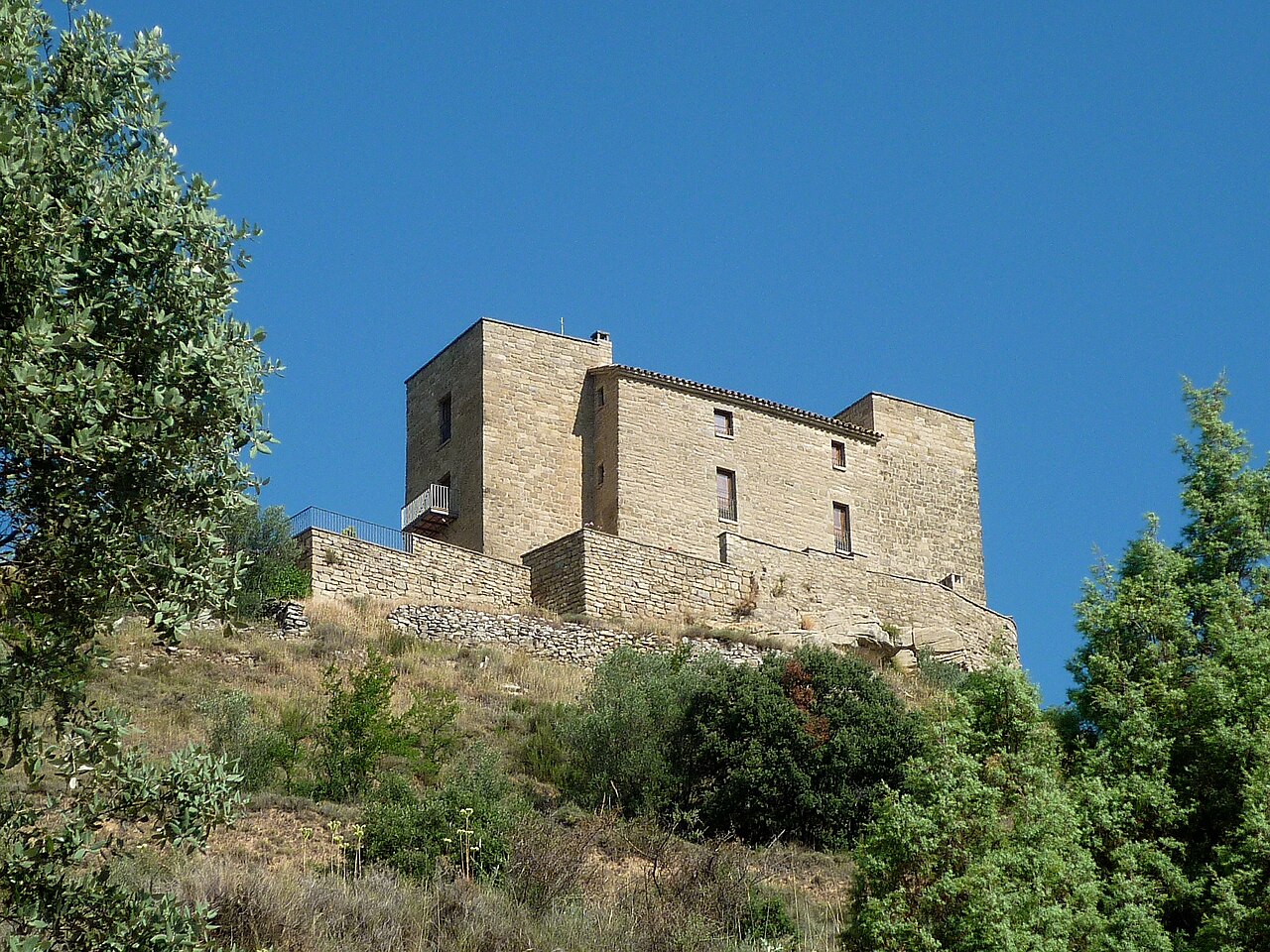
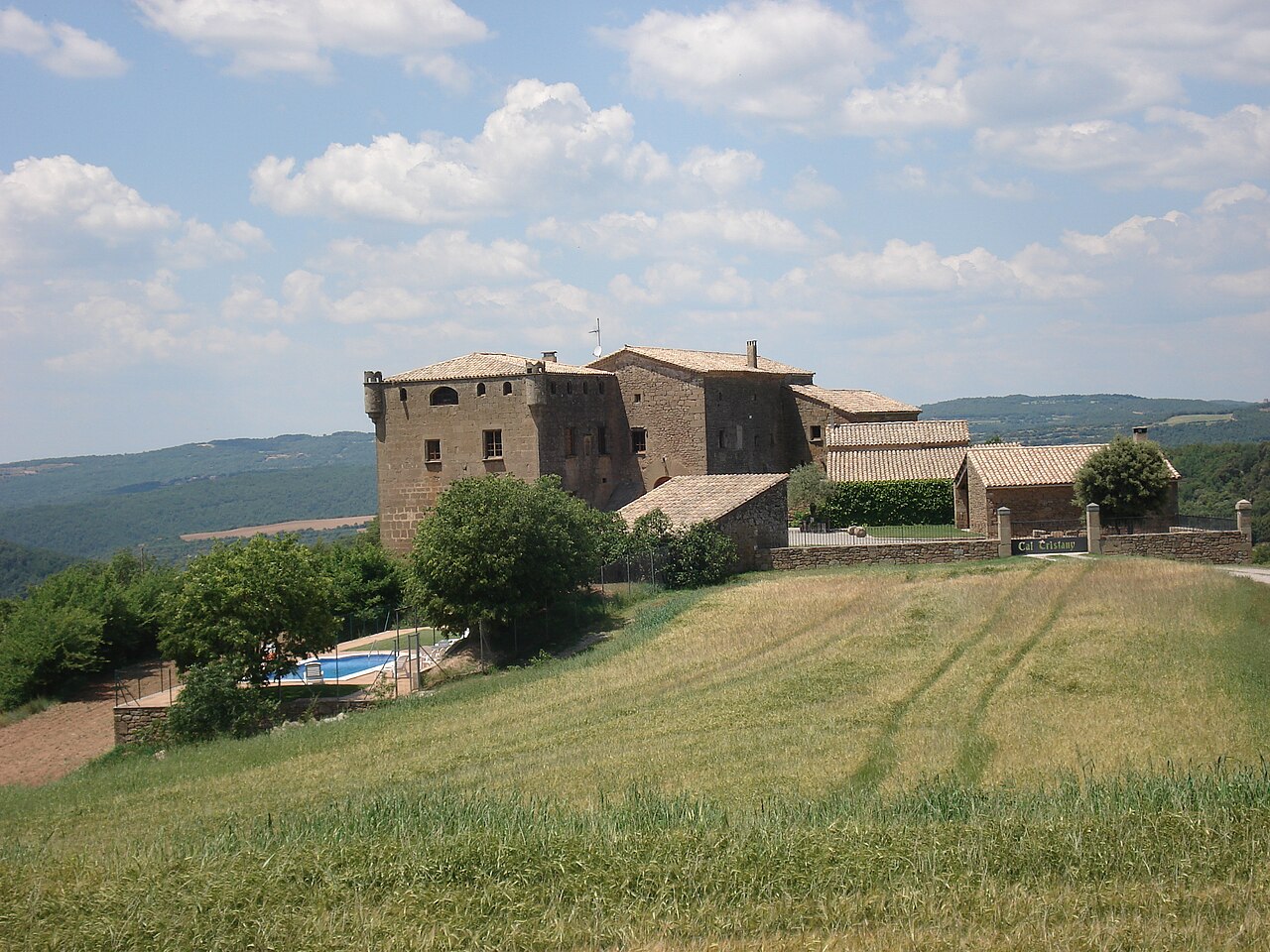
Castellvell de Solsona is a historic hill castle located in the municipality of Olius, near the city of Solsona in Catalonia, Spain. Perched approximately 130 meters above the surrounding landscape, the castle commands sweeping views of the region’s natural landmarks, emphasizing its strategic importance since its construction in the mid-10th century. Founded under the direction of Count Sunyer of Urgell, the fortress was originally established as a defensive stronghold to oversee and protect the surrounding territories.
Medieval origins and strategic significance
The initial construction phase of Castellvell de Solsona began in the early medieval period, specifically in the mid-900s. This early fortification was part of a wider network of castles in Catalonia designed to consolidate control over the region during a time of frequent territorial disputes. In 973, the castle’s defenses were notably strengthened by Count Borrell II of Barcelona, underscoring its rising military and political significance.
Throughout the 11th century, the castle underwent further fortification efforts led by Ecard Miró, the lord of Solsona, and later by his descendants Bernat and Ramon de Tarroja. These expansions and enhancements culminated in the early 13th century, coinciding with the marriage of Agnès Tarroja to Viscount Ramon Folc IV of Cardona in 1217. This alliance brought the castle under the influence of the powerful Cardona family, who made it their seat for nearly seventy years before relocating to a newer residence. Subsequently, the fortress acquired the moniker “old castle.”
Gothic transformation and architectural features
Between 1310 and 1320, the castle was remodeled into a Gothic-style palace under the auspices of the Viscount of Cardona. This renovation introduced a large square hall featuring characteristic pointed arches and cylindrical columns with simple cubic capitals. This hall, located on the eastern side of the castle, exemplifies the Catalan Gothic architectural style prevalent in medieval fortifications of the region.
In addition to the hall, the castle’s original quadrangular layout was fortified by four square towers. Unfortunately, in 1389, Hug II of Cardona authorized the partial demolition of the castle’s walls to repurpose stone for new fortifications in the nearby city of Solsona. This act led to the destruction of three of the four towers; their truncated bases remain visible today, while the fourth tower has been preserved in its original form.
Religious structures within the castle
Within the castle grounds, a Romanesque chapel originally stood, later modified in the 15th century into a Gothic sanctuary dedicated to Santa Maria, known as the Virgin of Remedy (Mare de Déu del Remei). This chapel remains an active place of worship and reflects the castle’s religious heritage.
Adjacent to the castle on its western side are the remains of the Romanesque parish church of Sant Miquel de Castellvell. Notable for its distinctive trilobed apse, this church was eventually replaced when the parish moved to the nearby village of Brics.
Heritage and symbolic elements
A significant decorative element preserved within the castle walls is a Romanesque sculpted capital adorned with the coats of arms of the Tarroja family (represented by a tower) and the Cardona family (symbolized by a thistle). This capital also features a monastery cross and sun motif, which are echoed in the heraldry of the nearby city of Solsona, highlighting the castle’s integration into the region’s cultural identity.
The castle once housed a notable 14th-century seated statue of the Virgin Mary, known as either the Virgin of the Snows or the Virgin of Milk. While the statue itself remains valued, the infant Jesus’s head was removed in 1882 and is now preserved at the Diocesan and Regional Museum of Solsona, maintaining a tangible connection to the castle’s religious past.
Modern history and preservation
During the First Carlist War in the 19th century, renovations were undertaken by the Baron de Meer, who incorporated the old structure into his plans. However, the castle suffered severe damage during the Third Carlist War. In 1872, Carlist forces led by Morlans demolished three of the castle’s four square towers. Only one tower survived, thanks to the intervention of government troops.
Today, Castellvell de Solsona remains well preserved and inhabited, serving as a cultural and political venue. It hosts an annual festival called Roseret and a pilgrimage promoting Catalan independence each September, underscoring its continuing significance in regional identity and heritage.
Architectural layout and landscape setting
The castle’s quadrangular enclosure is characteristic of medieval military architecture, designed to maximize defense with its four corner towers and thick walls. The surviving tower and the truncated remains of the others provide insight into the castle’s original formidable appearance.
Its elevated position on a hilltop allows for extensive views over the surrounding countryside, a strategic advantage that was crucial for early warning and defense. The proximity to the city of Solsona and the natural landscape around the castle enhances its historical and touristic appeal.
Frequently asked questions (FAQ)
- How do I visit Castellvell de Solsona?
- Castellvell de Solsona is privately owned but can be visited during special cultural events such as the annual Roseret festival in September. Visitors should check local tourism information for access details and opening times.
- What architectural styles are seen in Castellvell de Solsona?
- The castle features a blend of <strong>early medieval fortifications</strong> and <strong>Gothic architectural elements</strong>, including a large square hall with pointed arches and cylindrical columns, as well as Romanesque religious structures on the grounds.
- When was Castellvell de Solsona built?
- The castle's initial construction began in the mid-10th century under Count Sunyer of Urgell, with significant expansions and Gothic remodeling occurring between the 11th and 14th centuries.
- Can I see the Virgin of Remedy chapel at Castellvell de Solsona?
- Yes, the Gothic sanctuary dedicated to the Virgin of Remedy, built on the site of a Romanesque chapel, remains an active place of worship and can be viewed during visits or religious events.
- Why is Castellvell de Solsona historically important?
- Its strategic hilltop location and association with prominent medieval families like the Tarroja and Cardona make it a significant example of Catalan medieval military and residential architecture.
Information
Sources & official resources
Verify the information above using these authoritative references.
Loading map...
Visitor reviews
No reviews yet. Been here? Write the first review and help other travelers!
Write the first reviewVisited this castle? Share your experience
Your review helps other travelers and adds first-hand knowledge to our encyclopedia.